Women
Women's Parkas
23 articles
Secure Payments | Fast Returns
Are you sure you want to remove the following product from the cart?
Are you sure you want to remove the following product from the wishlist?
Your current state
Necessary
Preferences
Statistics
Marketing
Women
Filter
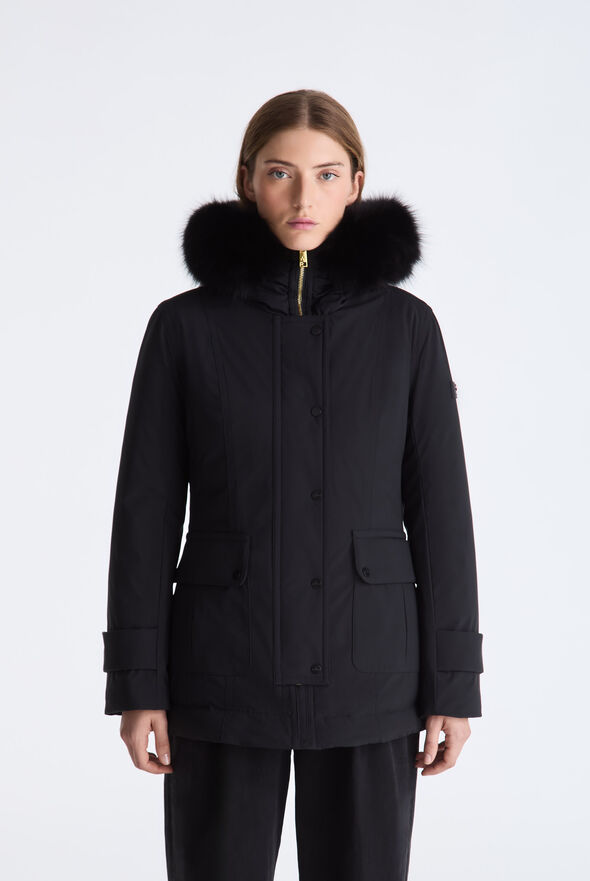
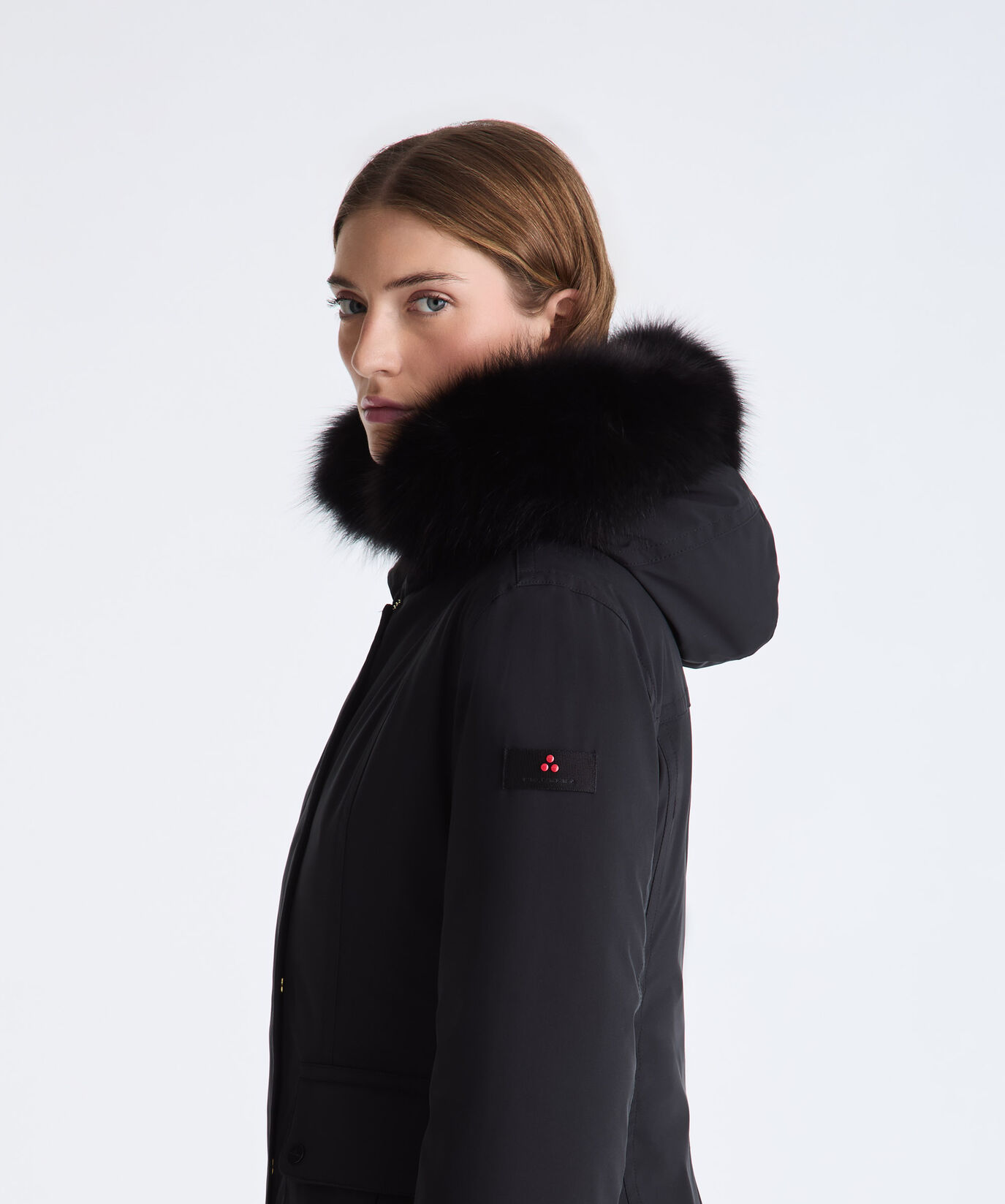
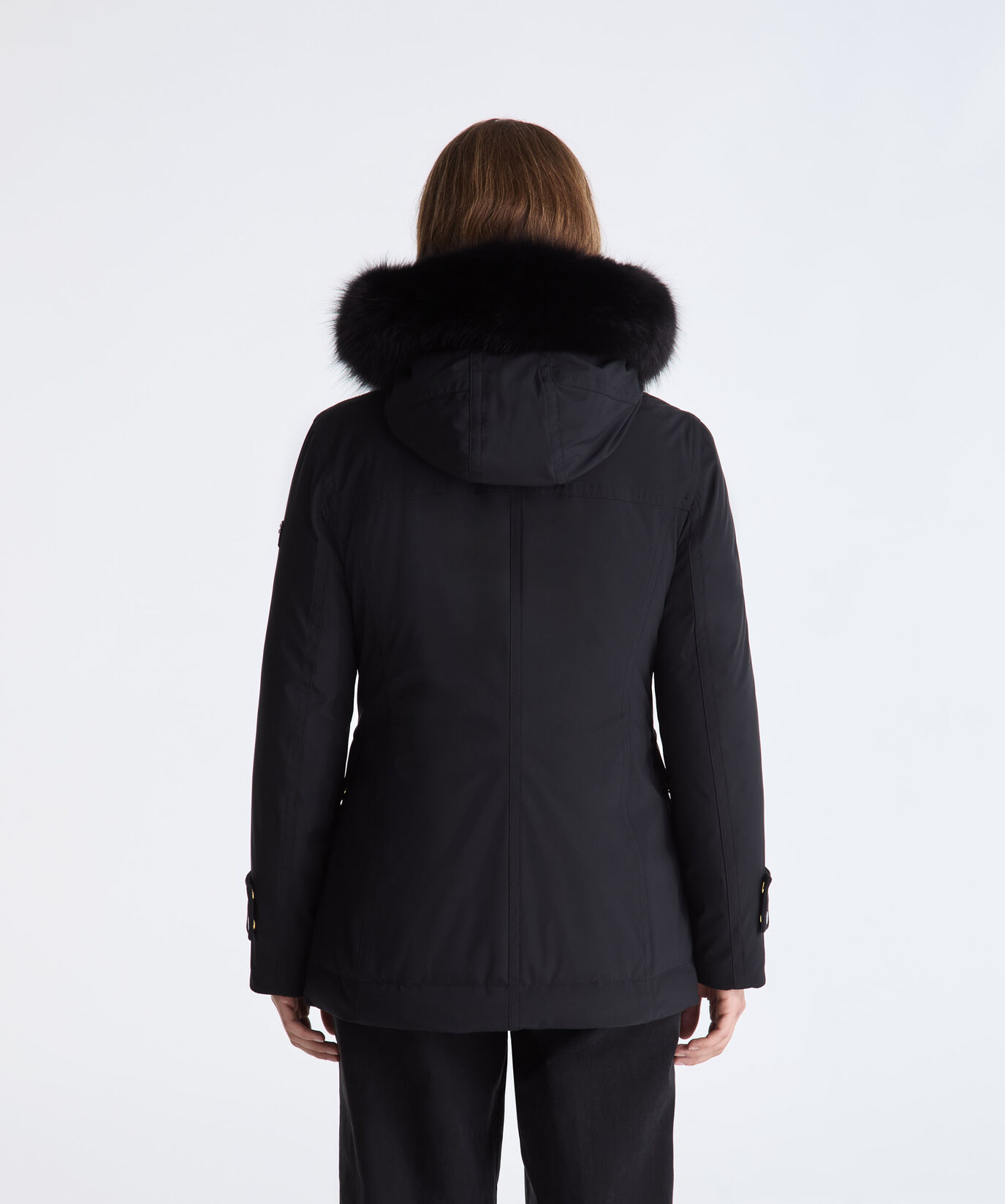
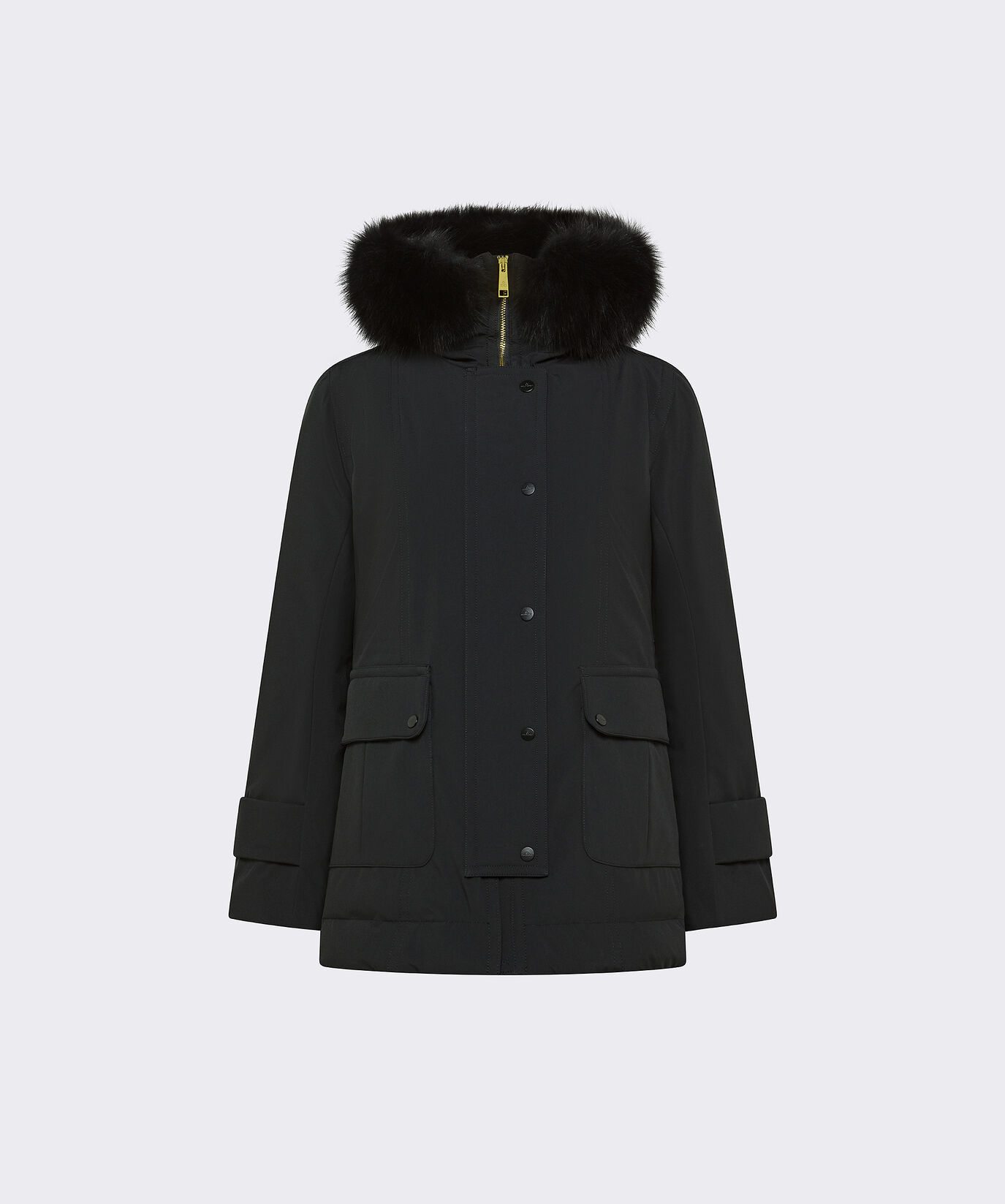
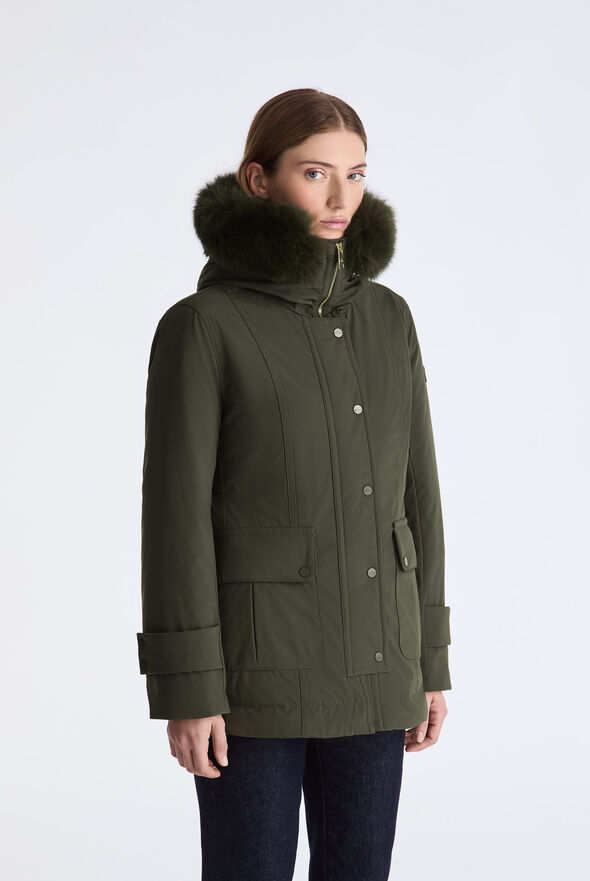
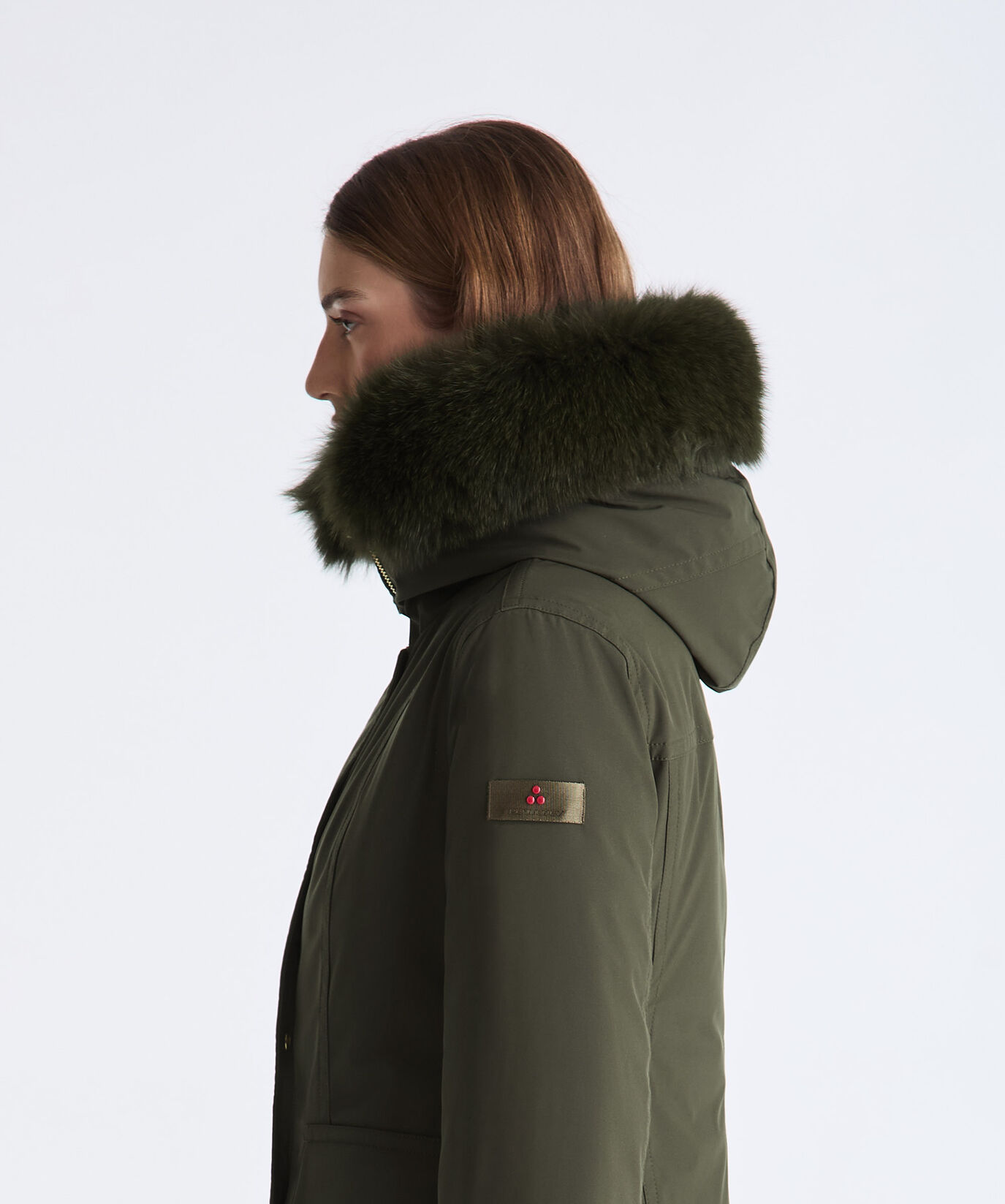
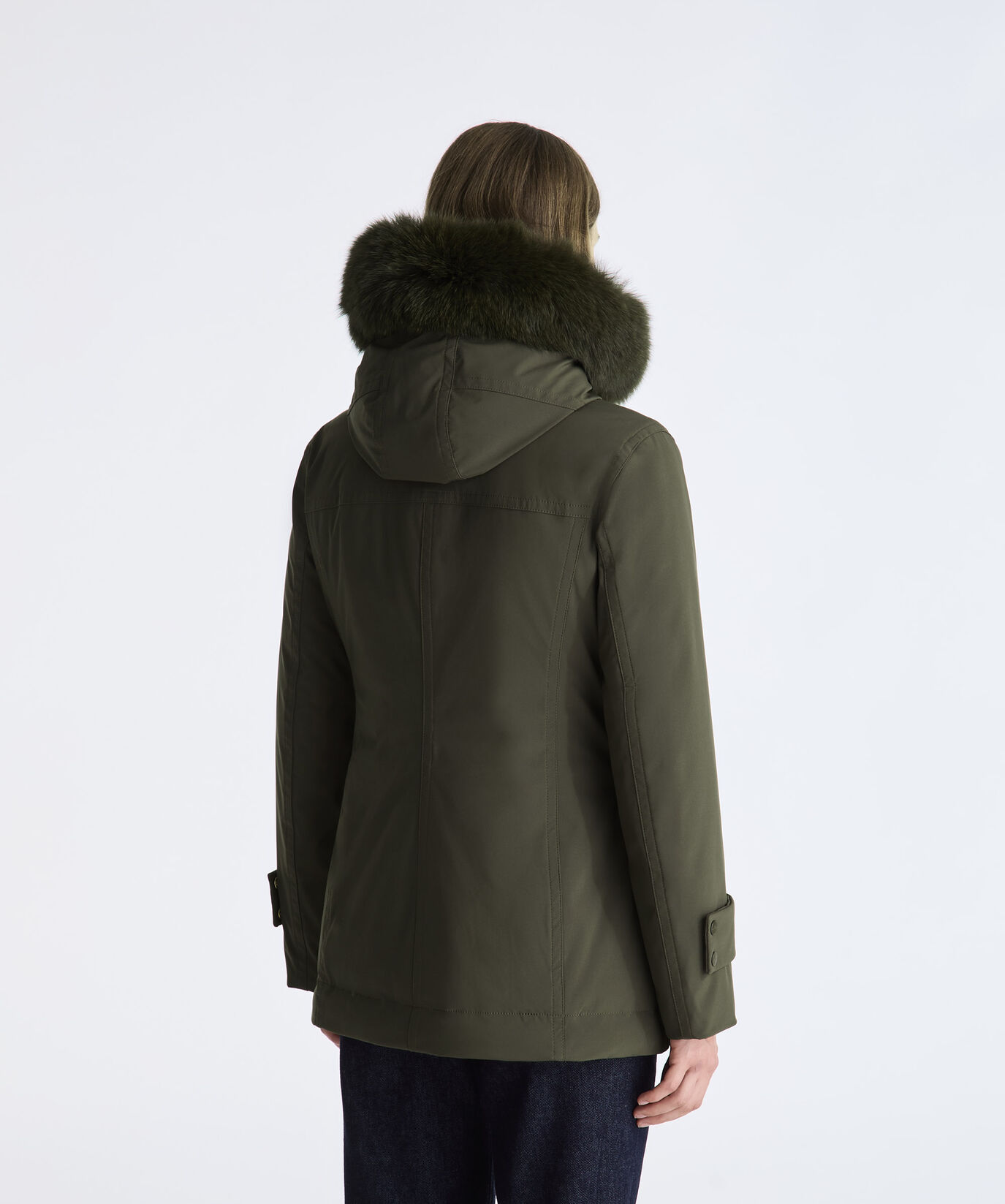
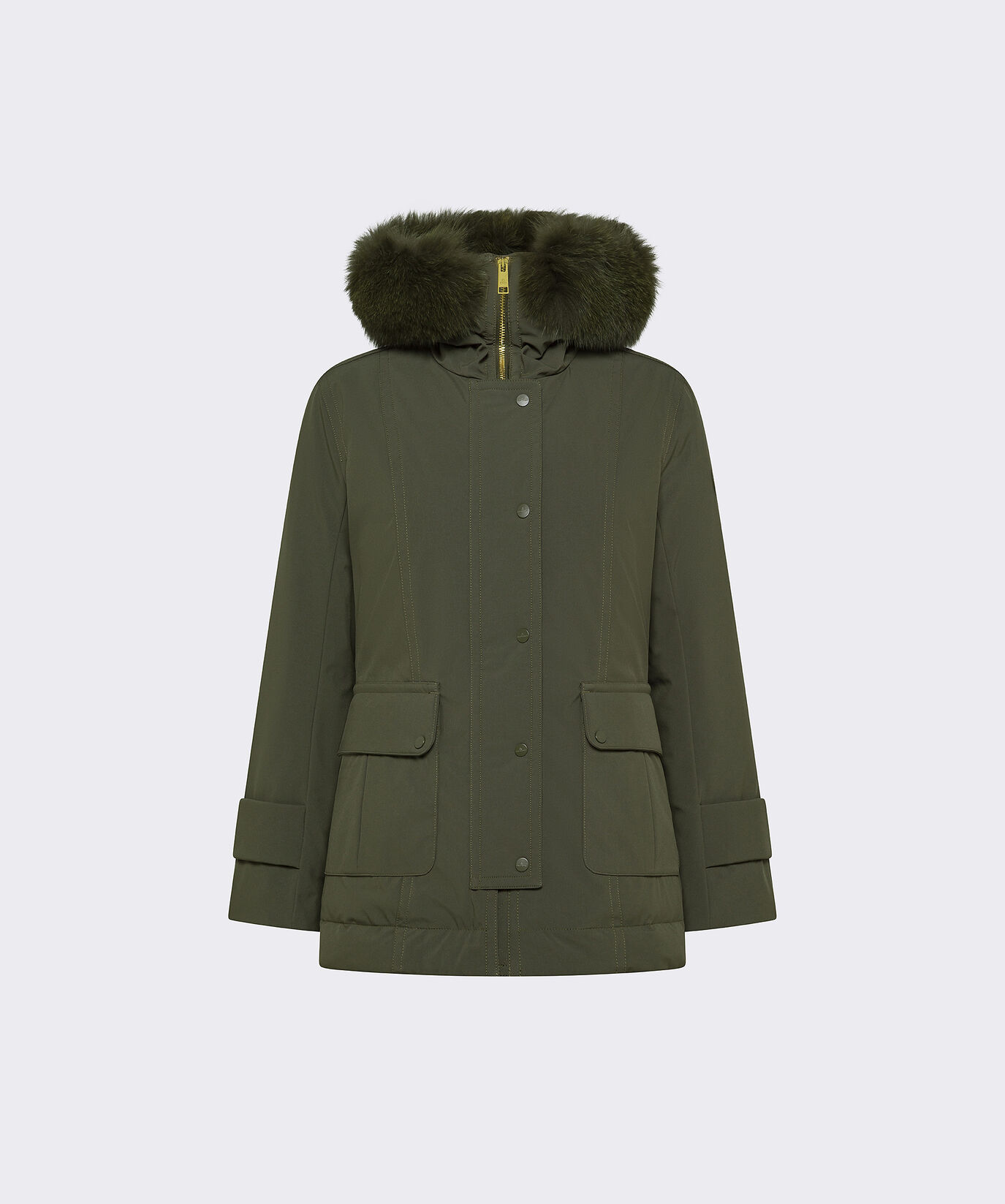
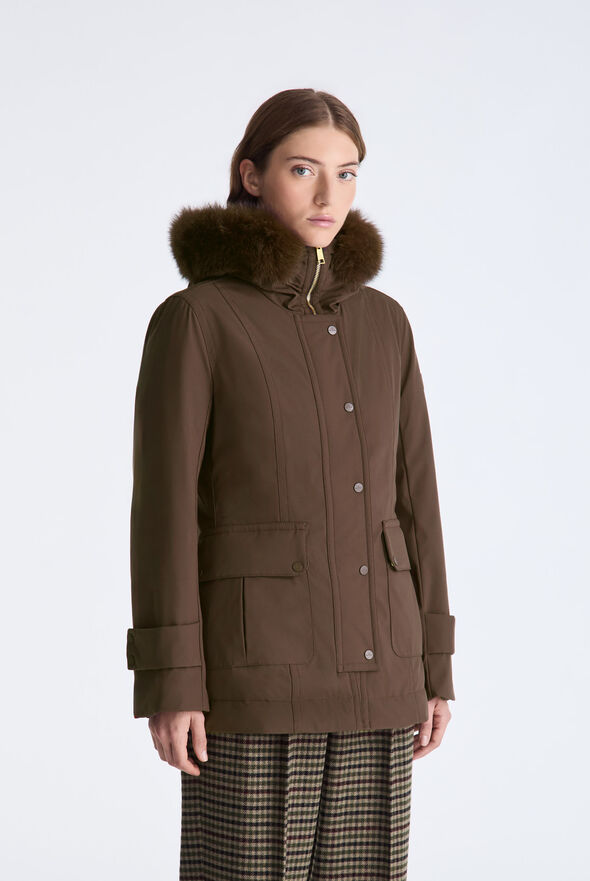
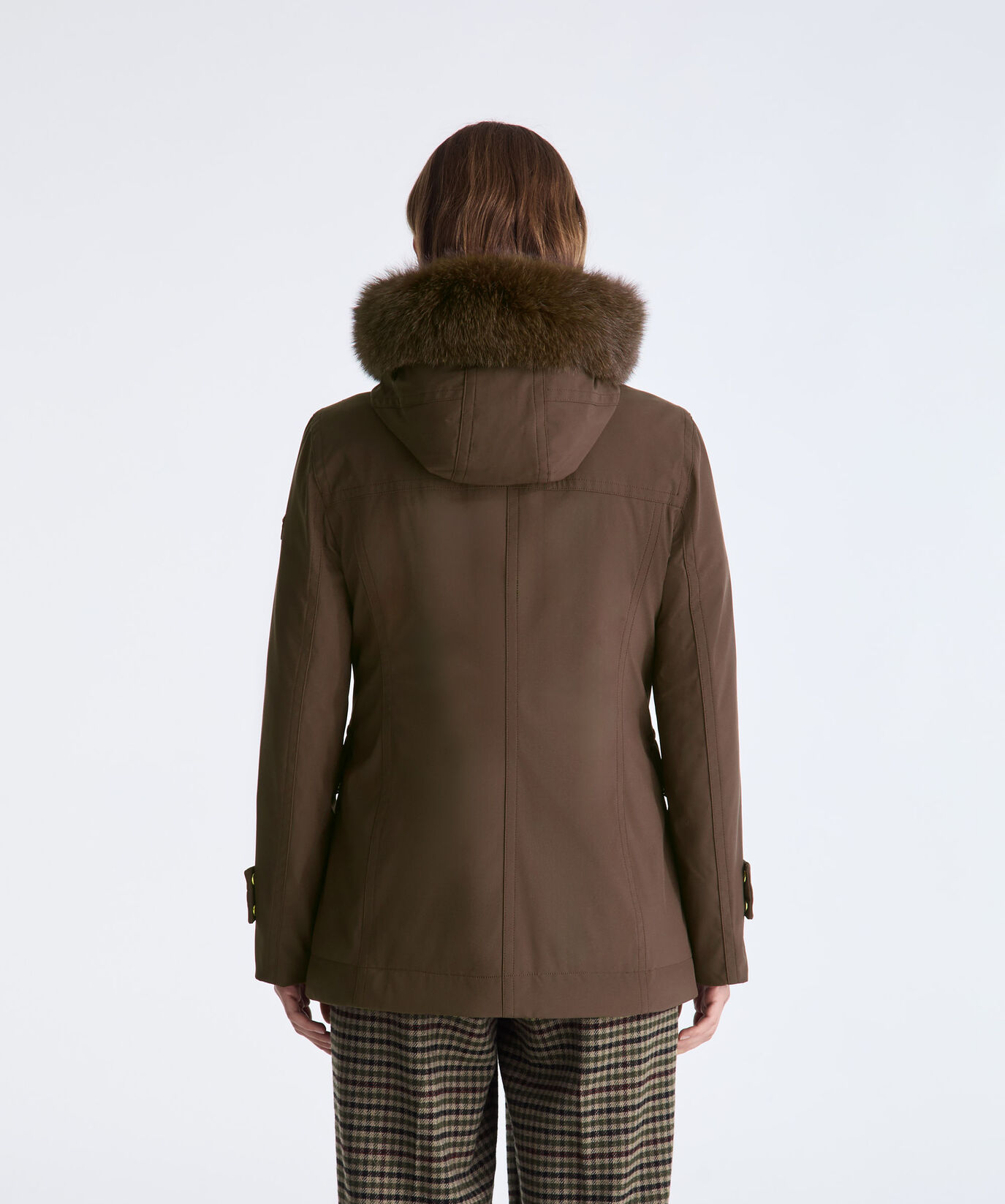
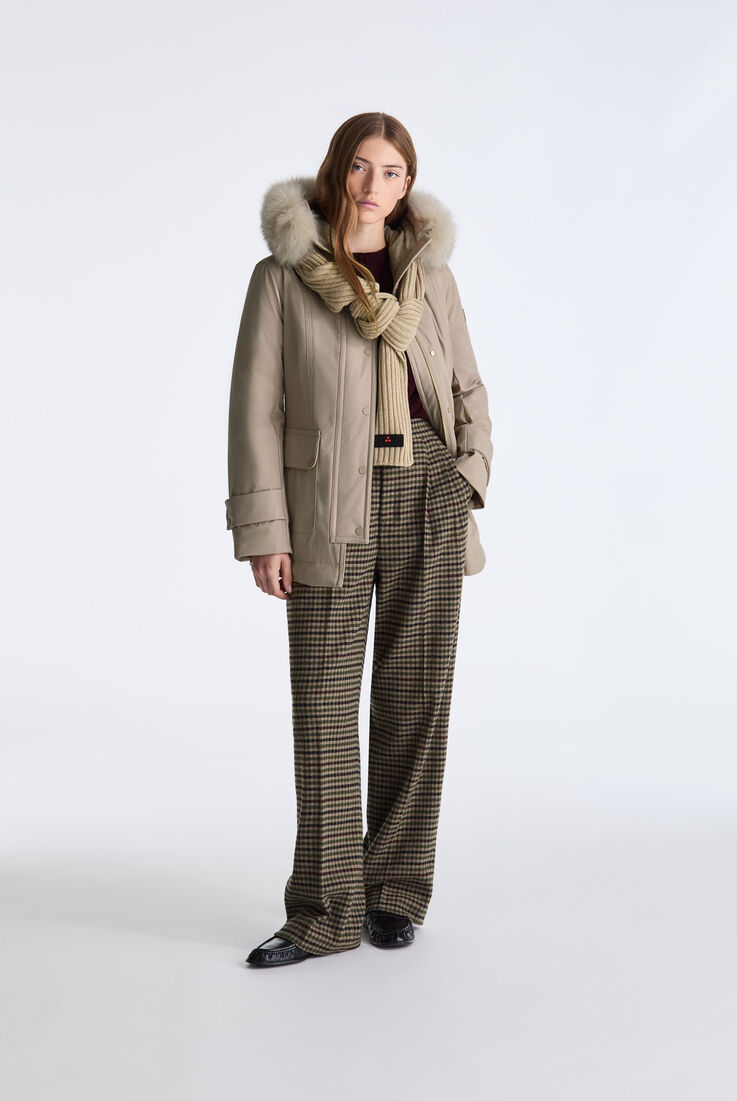
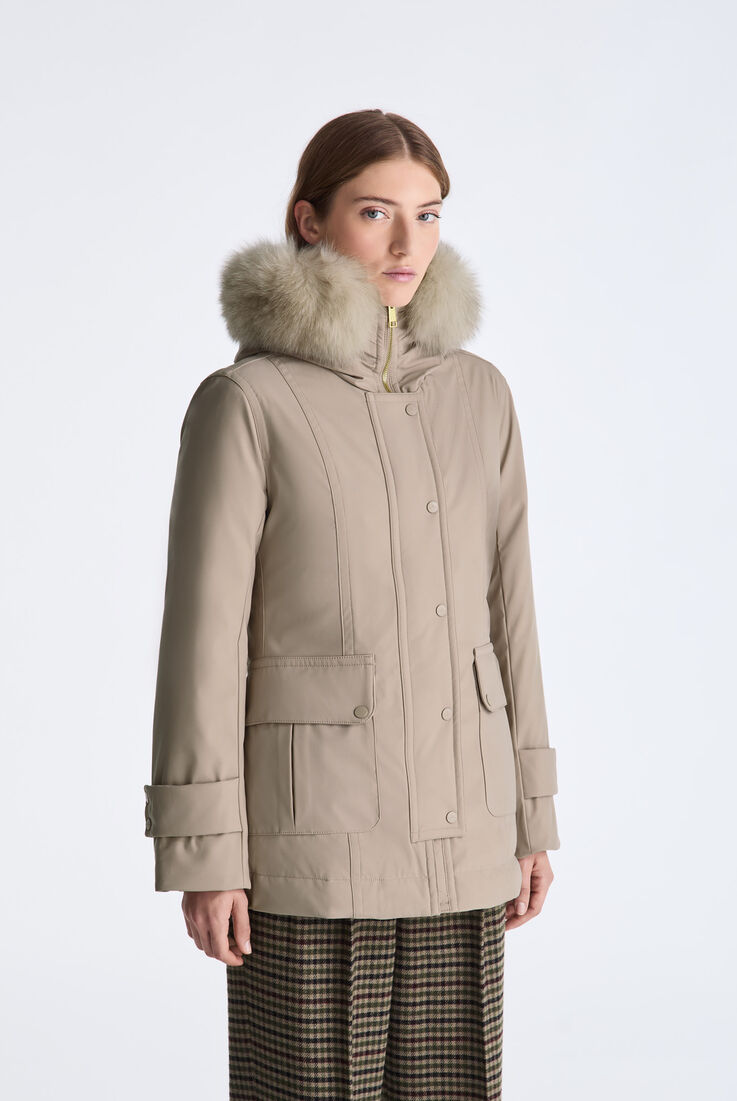
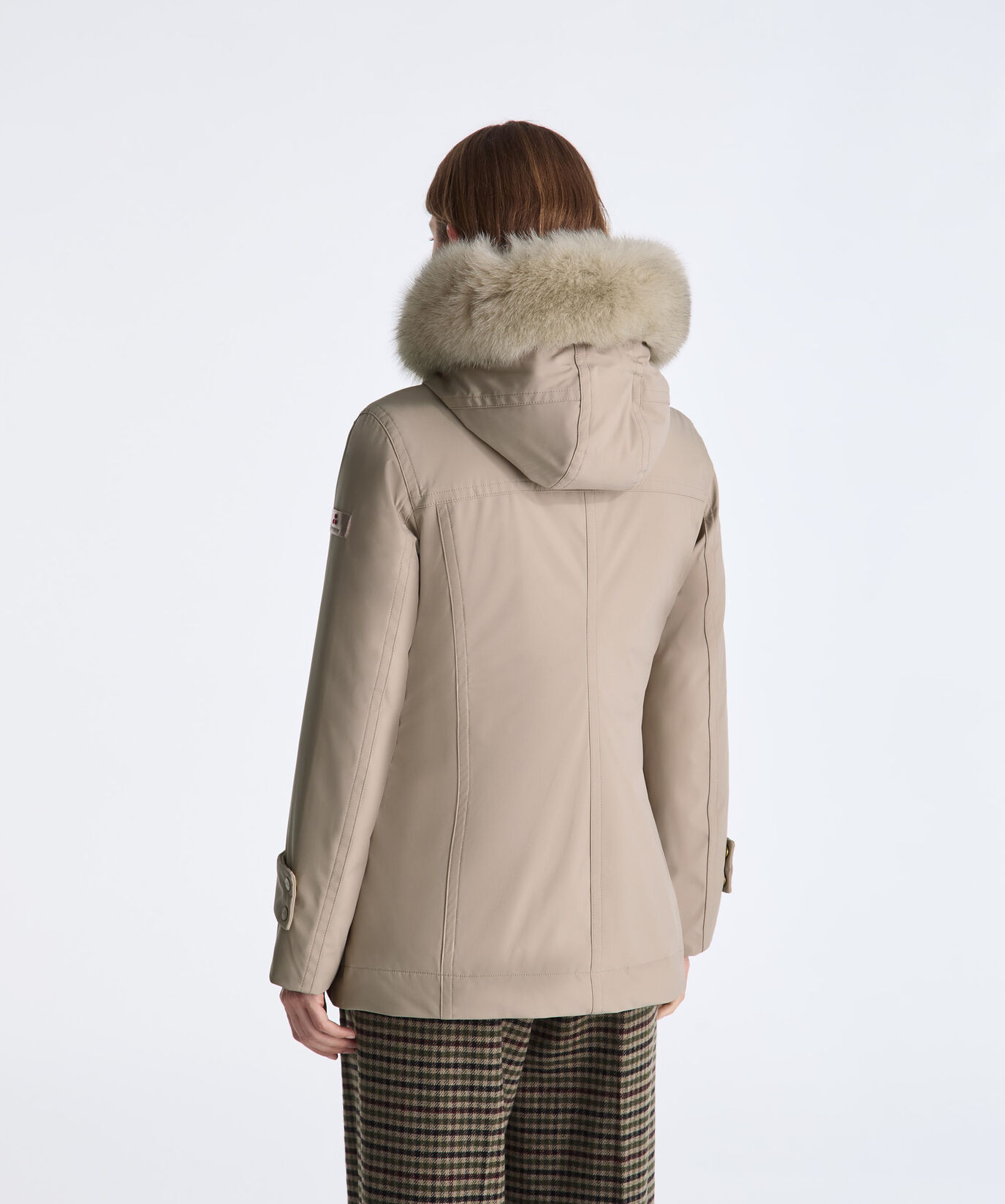
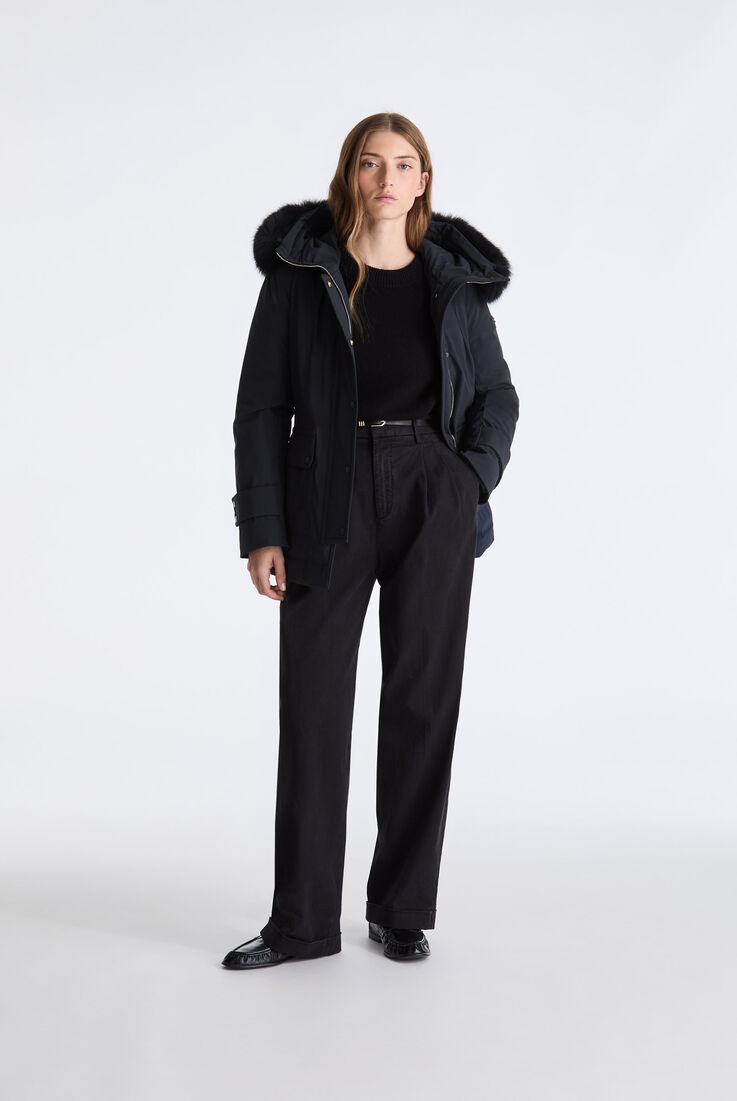
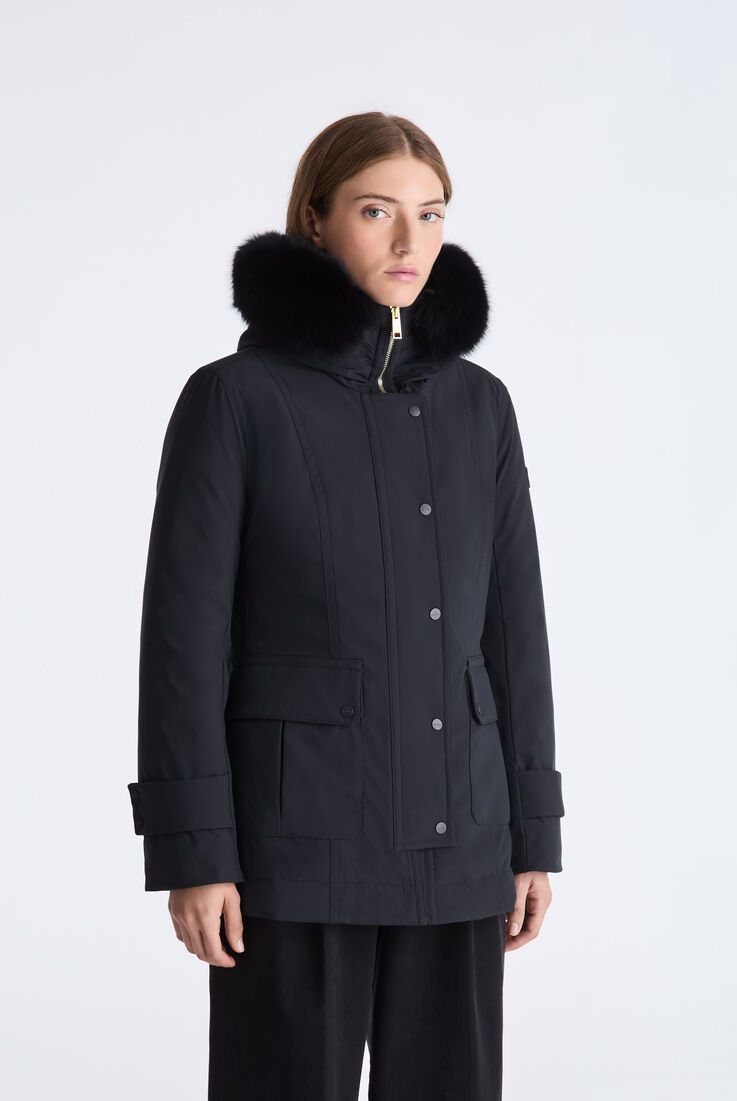
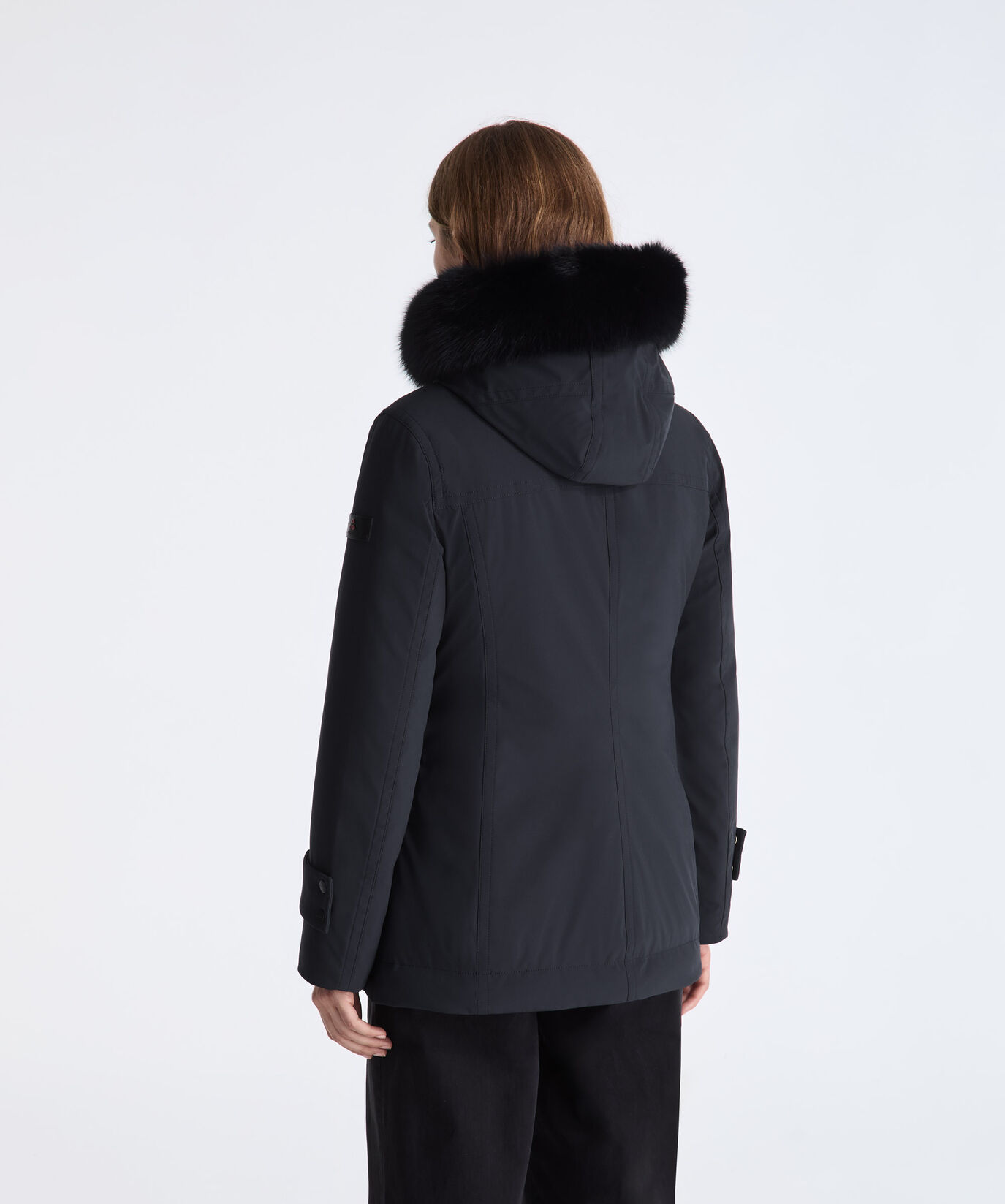
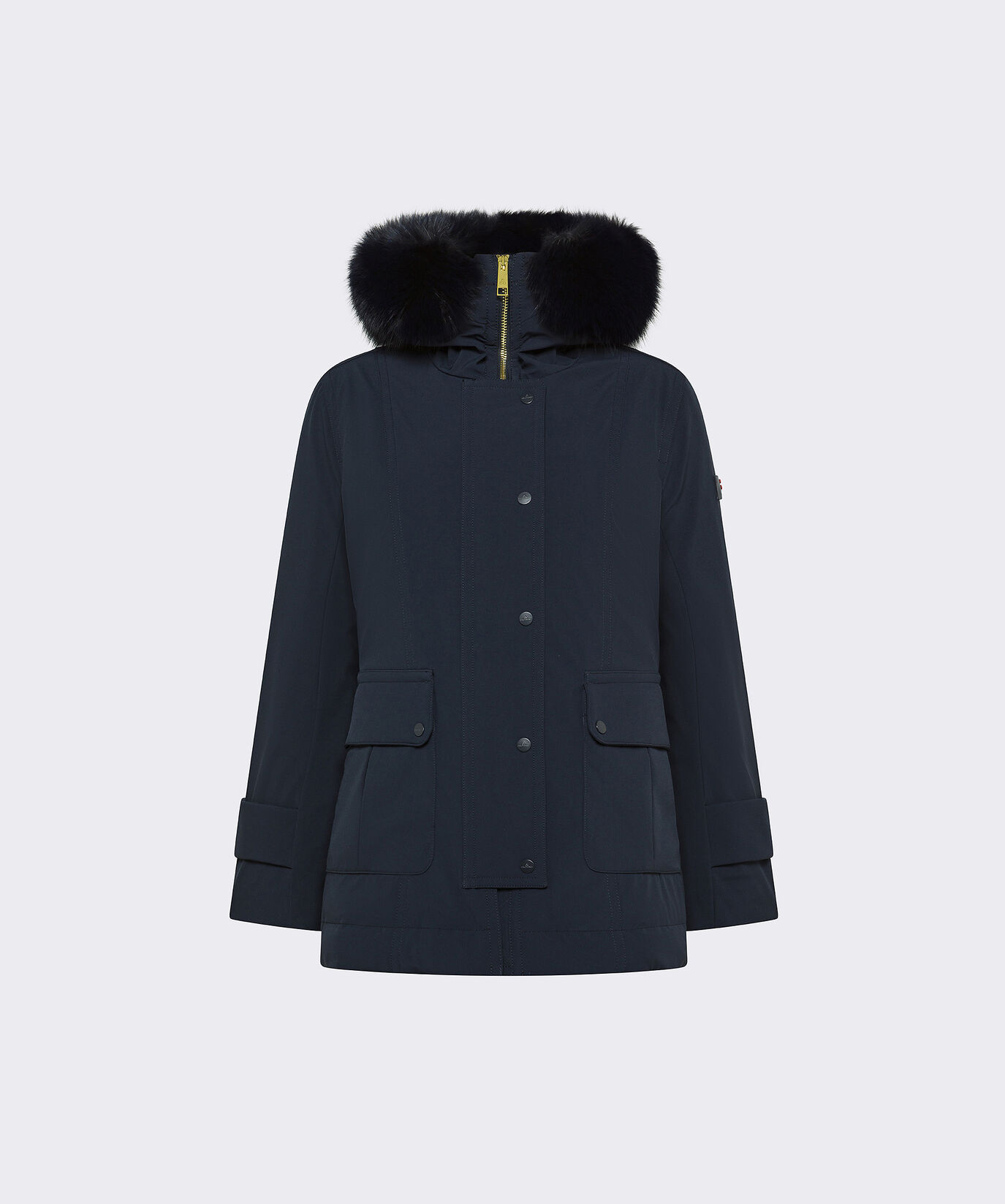
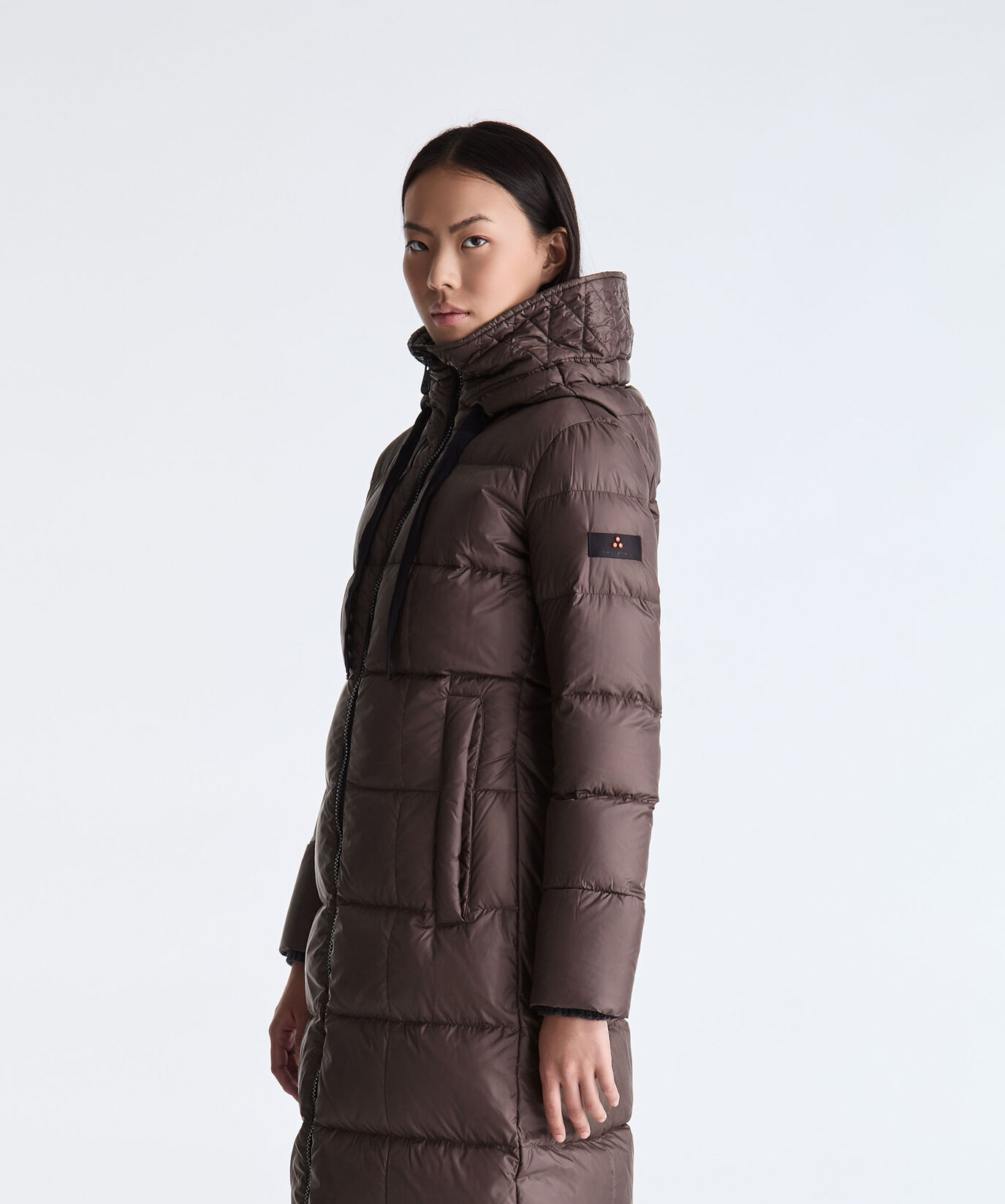
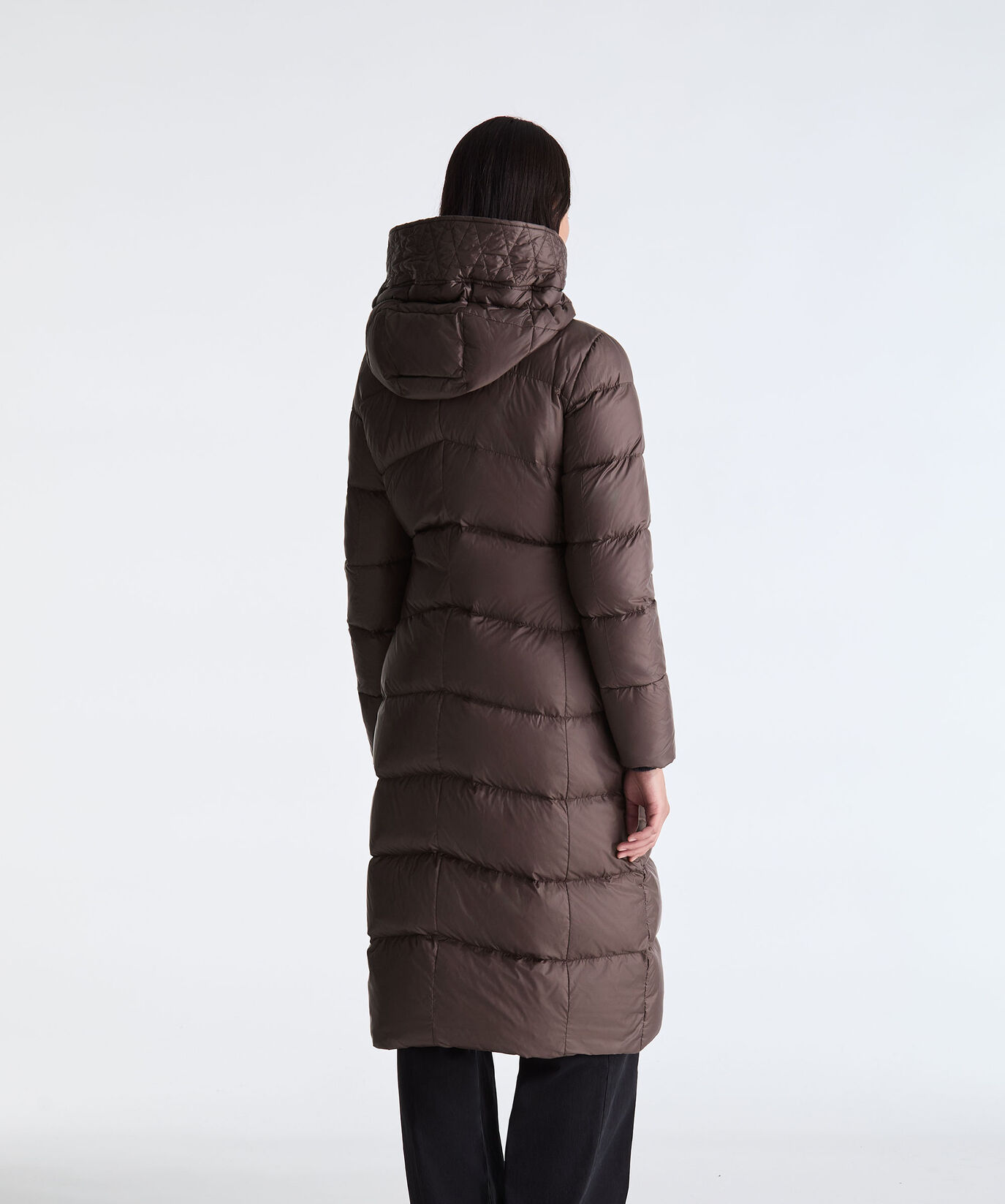
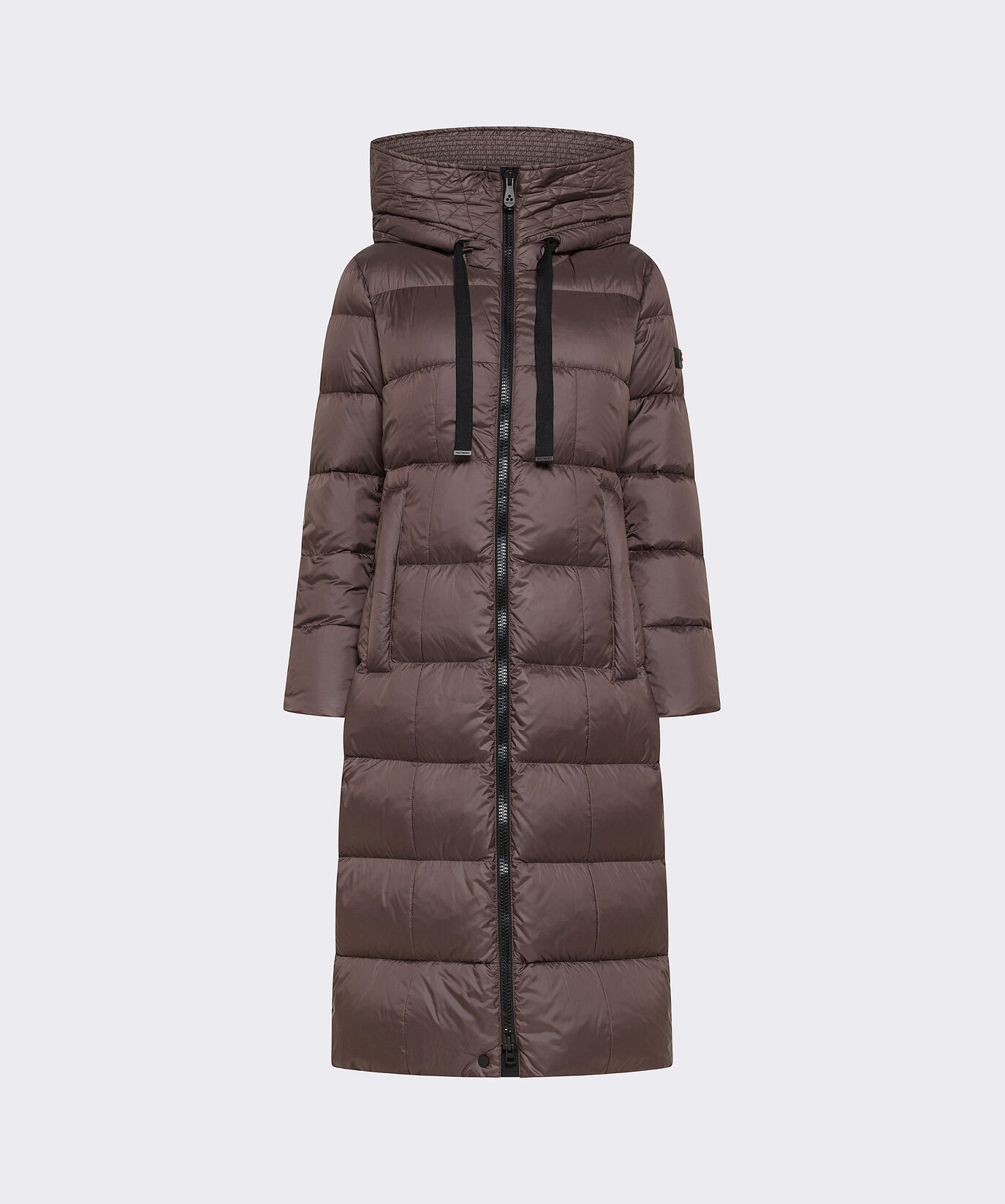
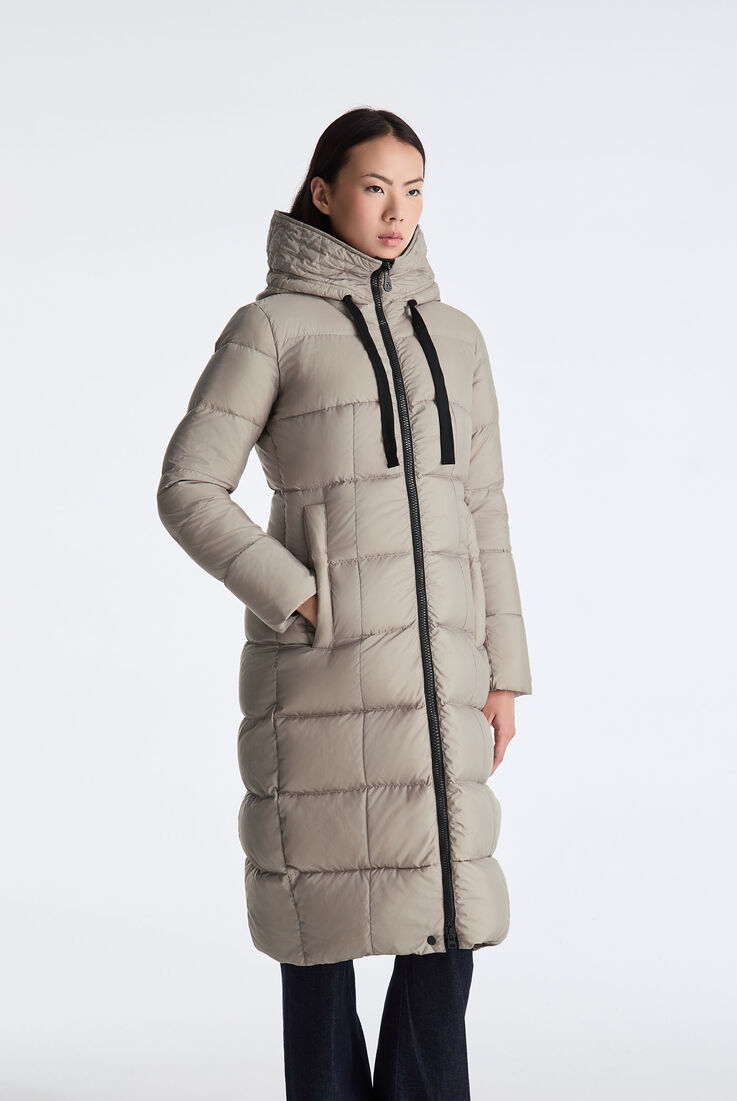
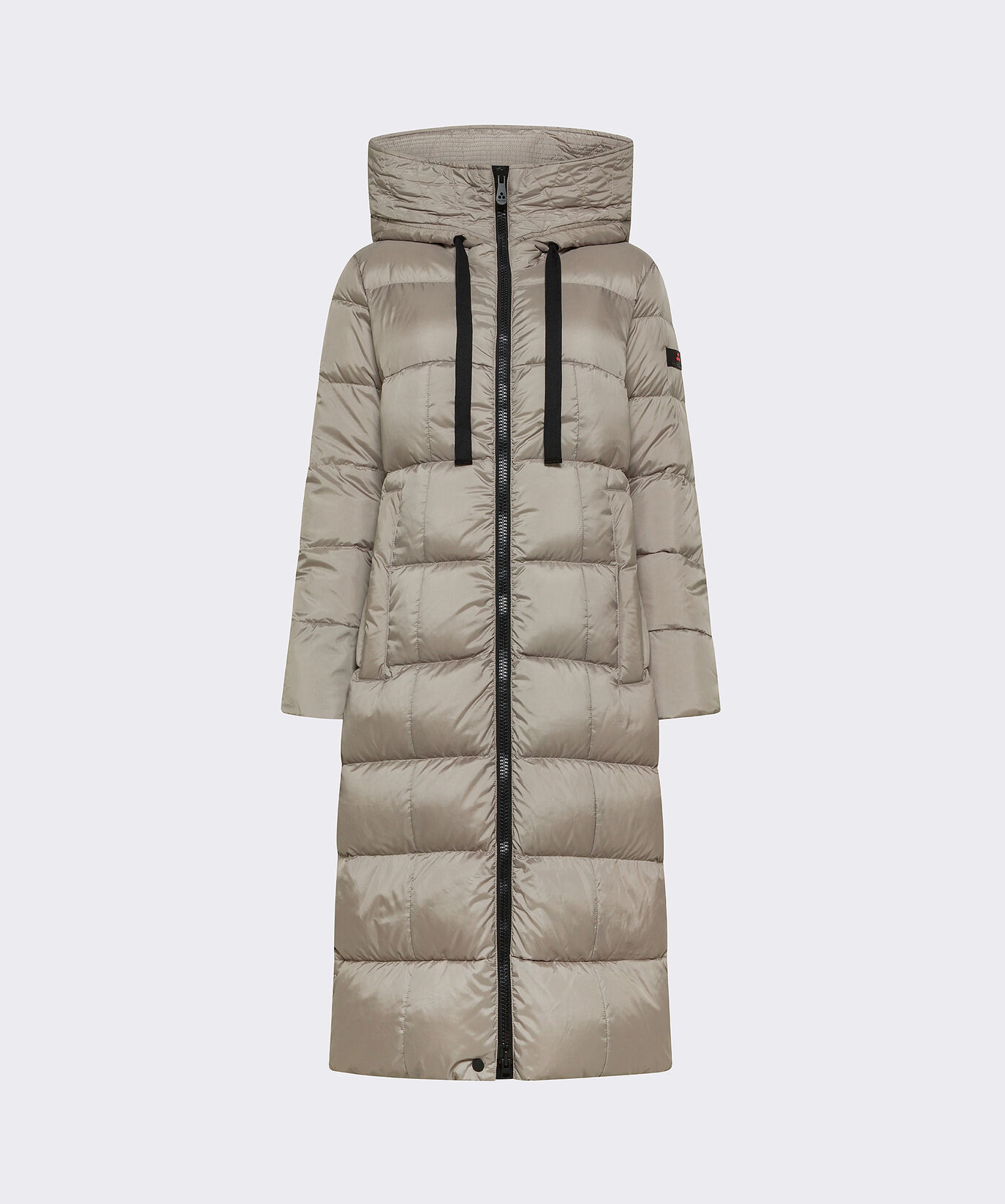
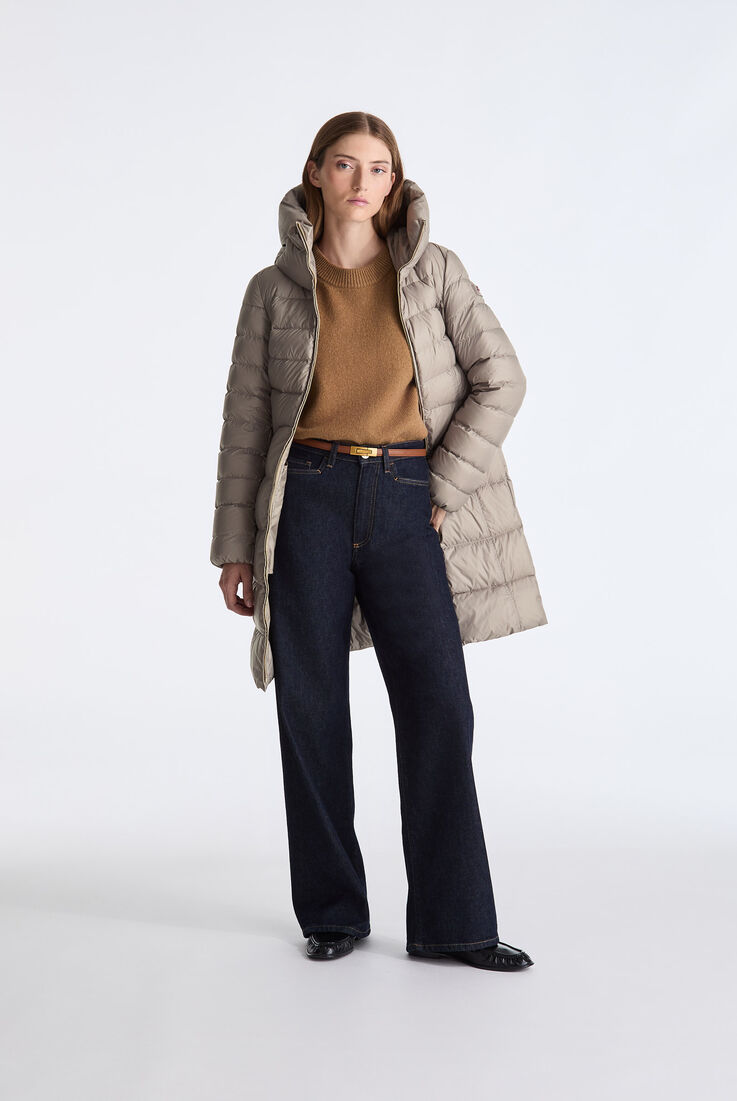
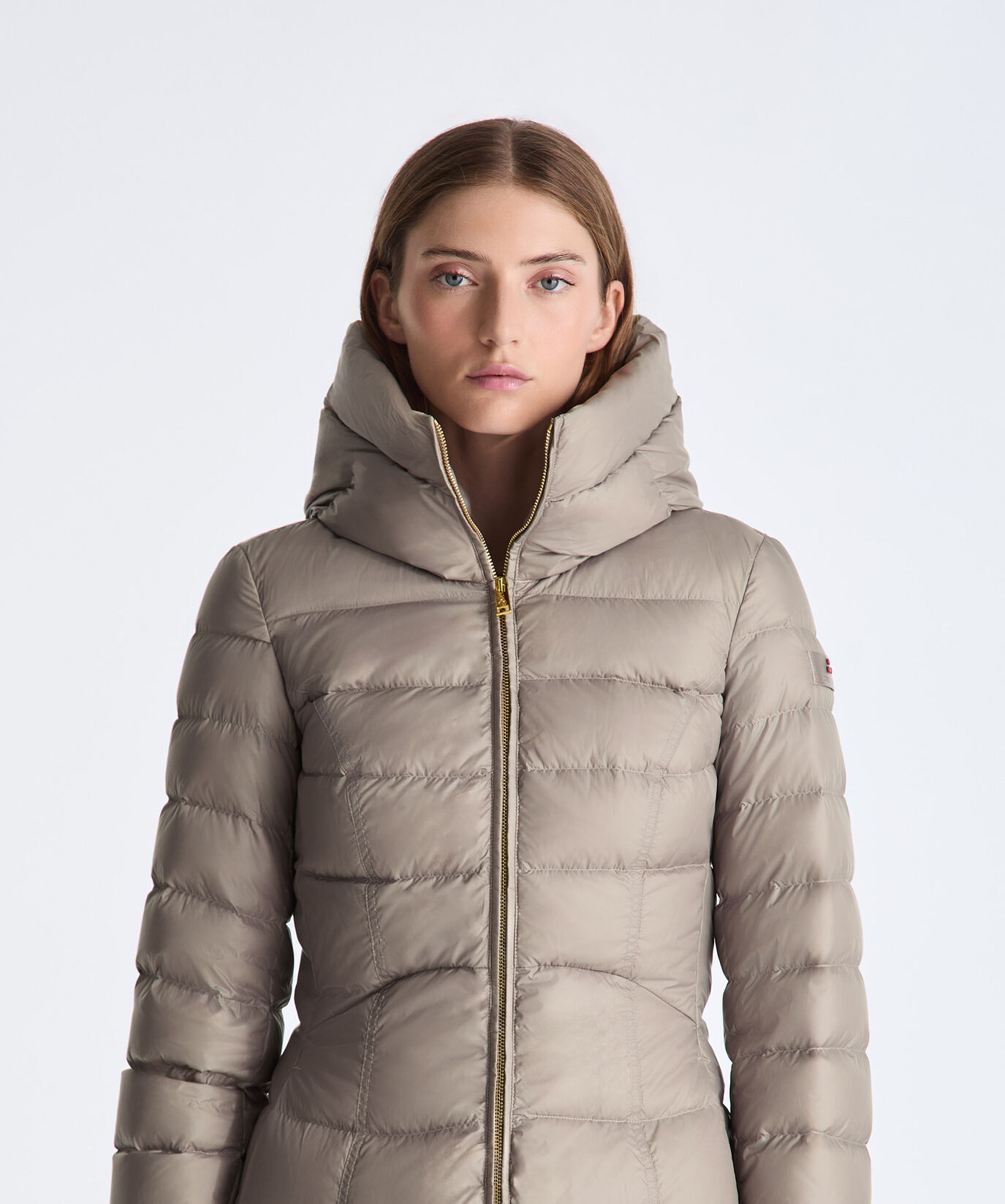
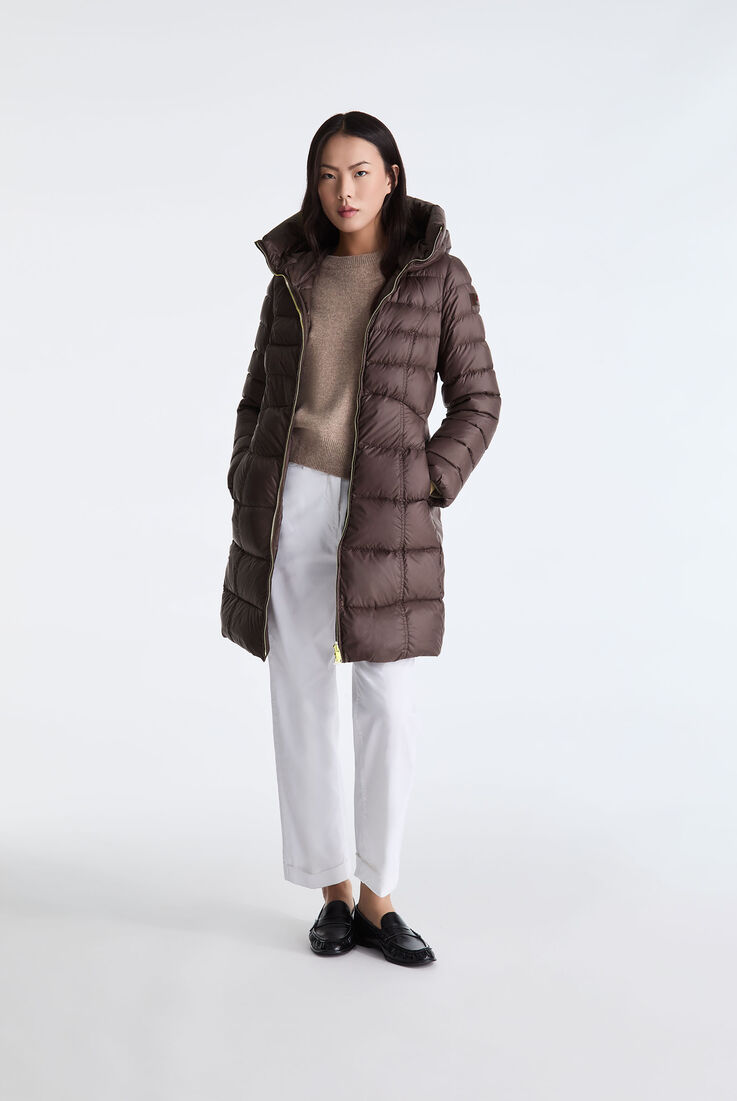
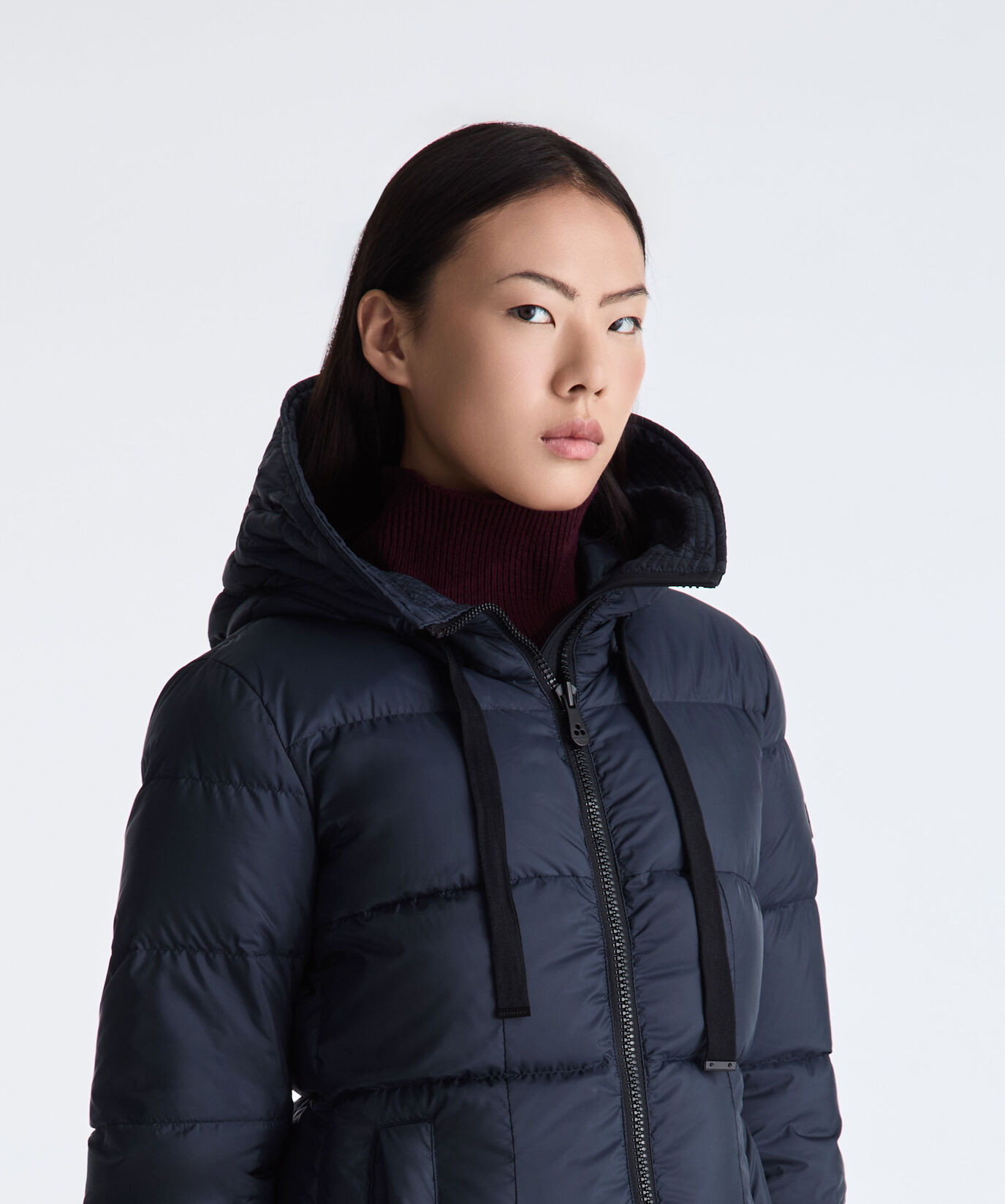
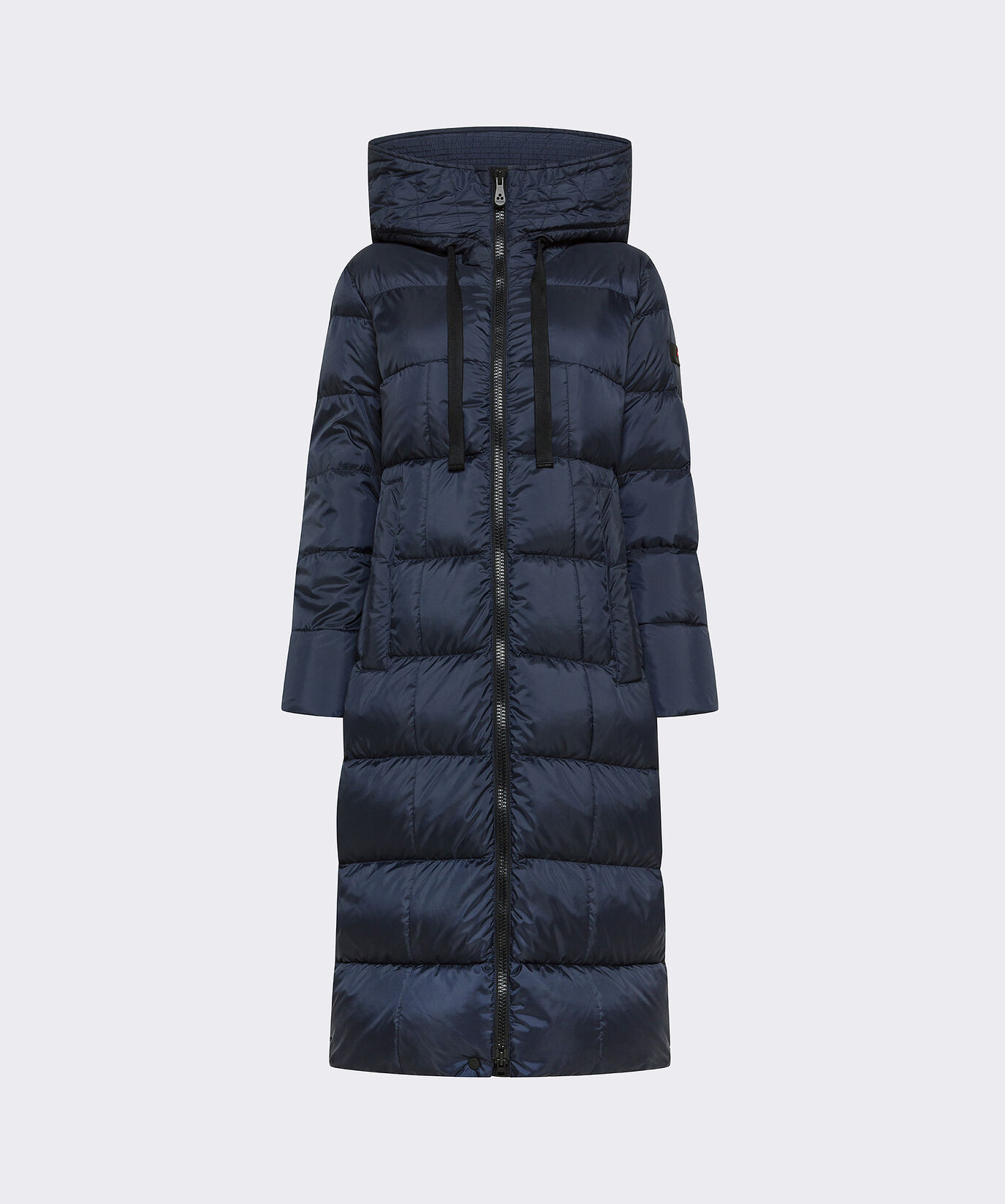
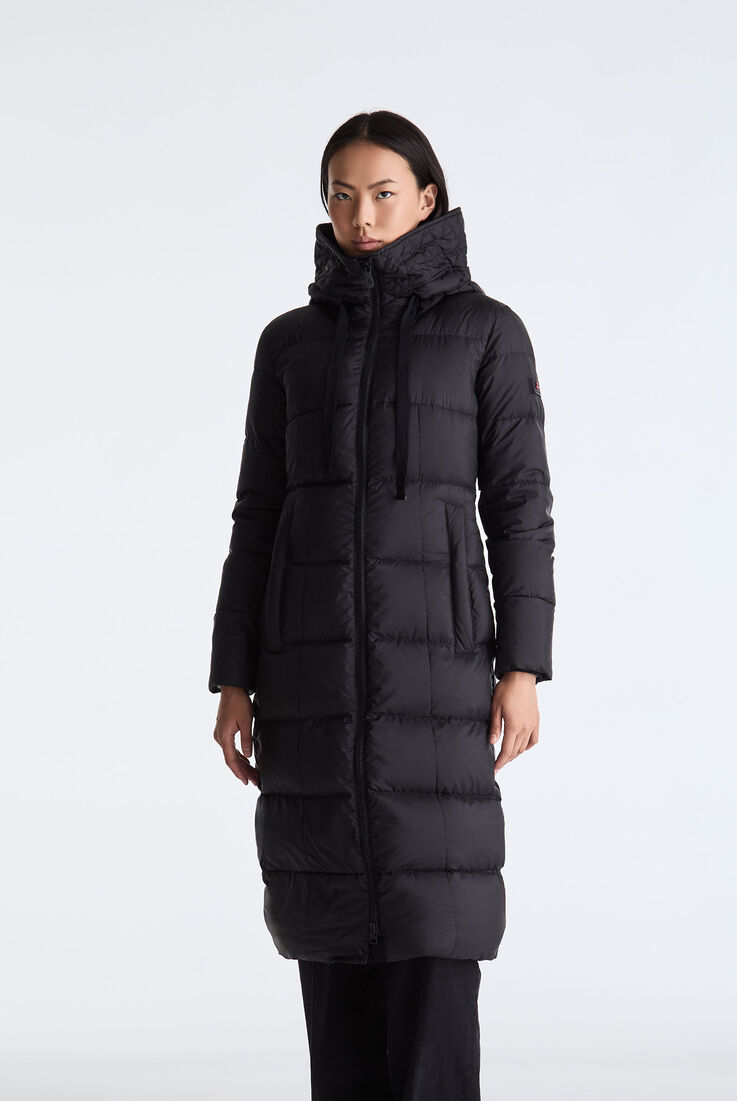
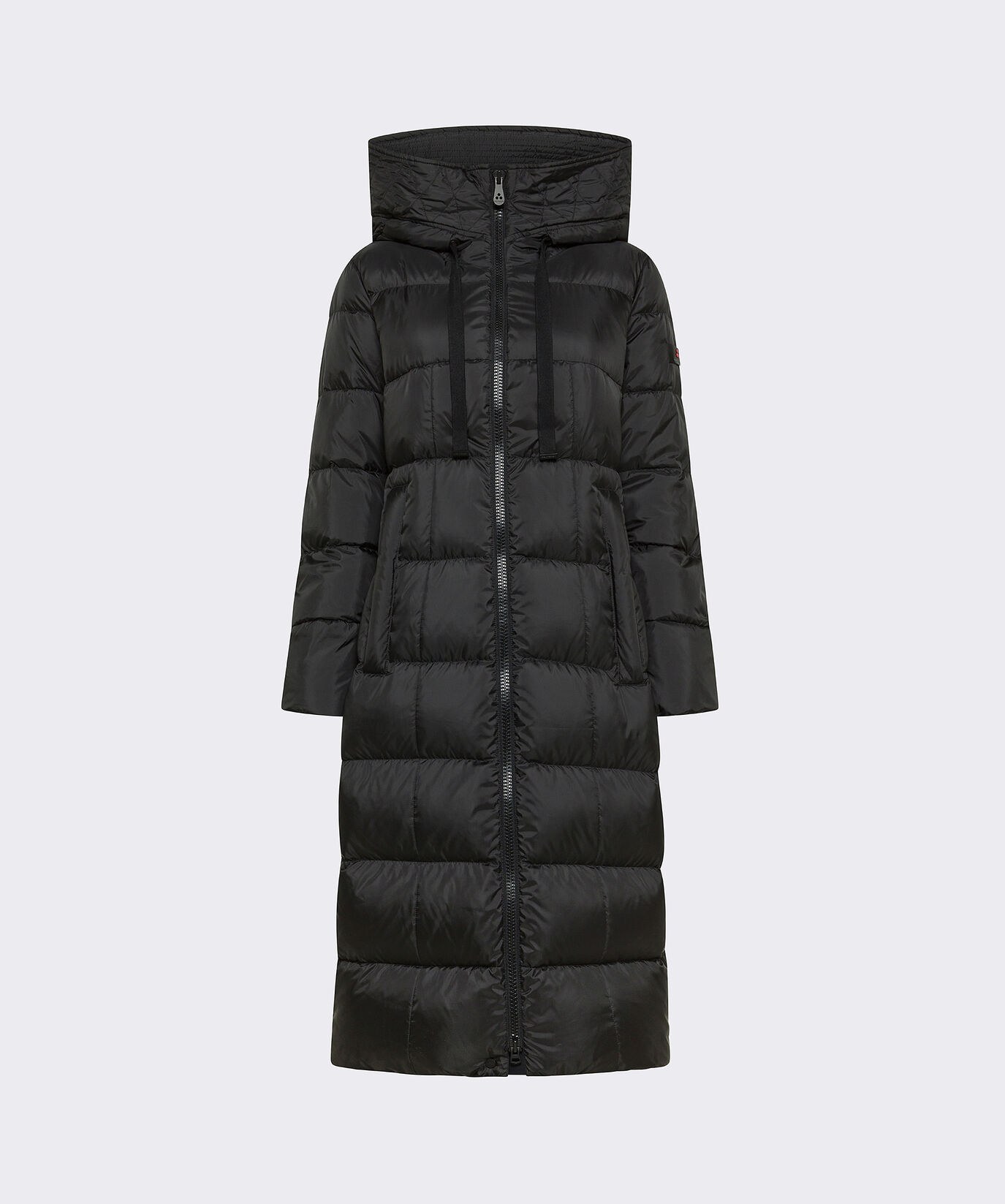
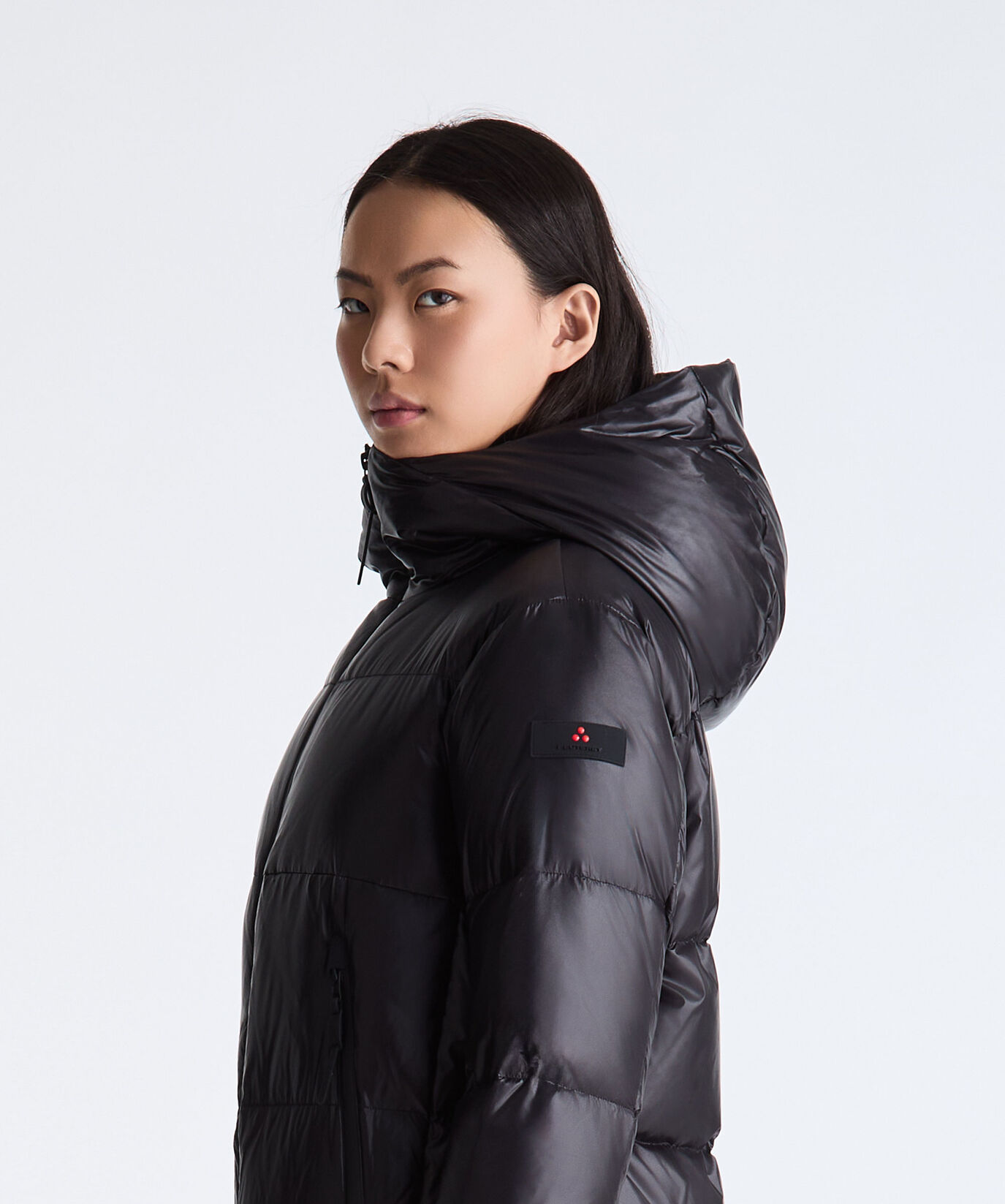
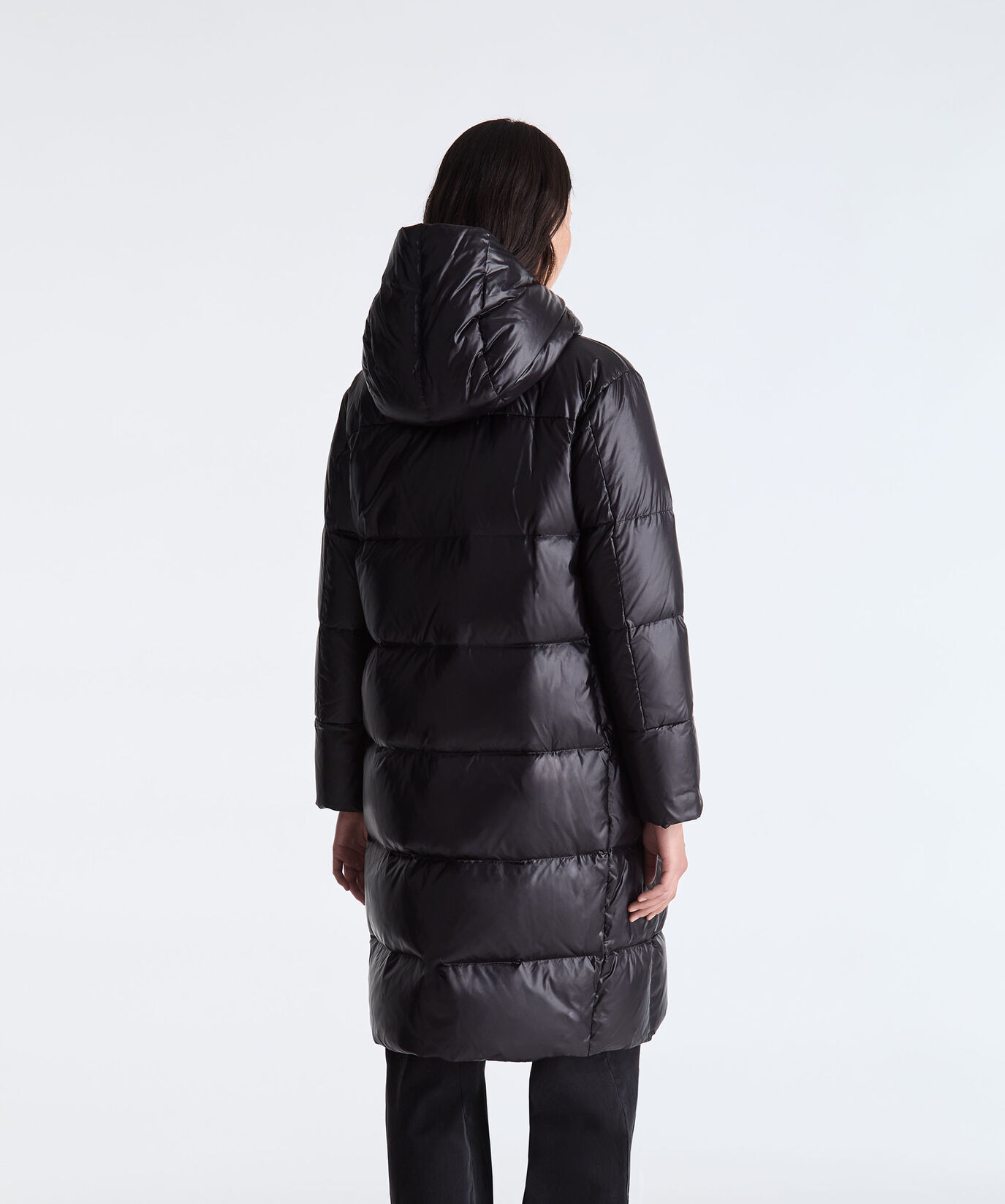
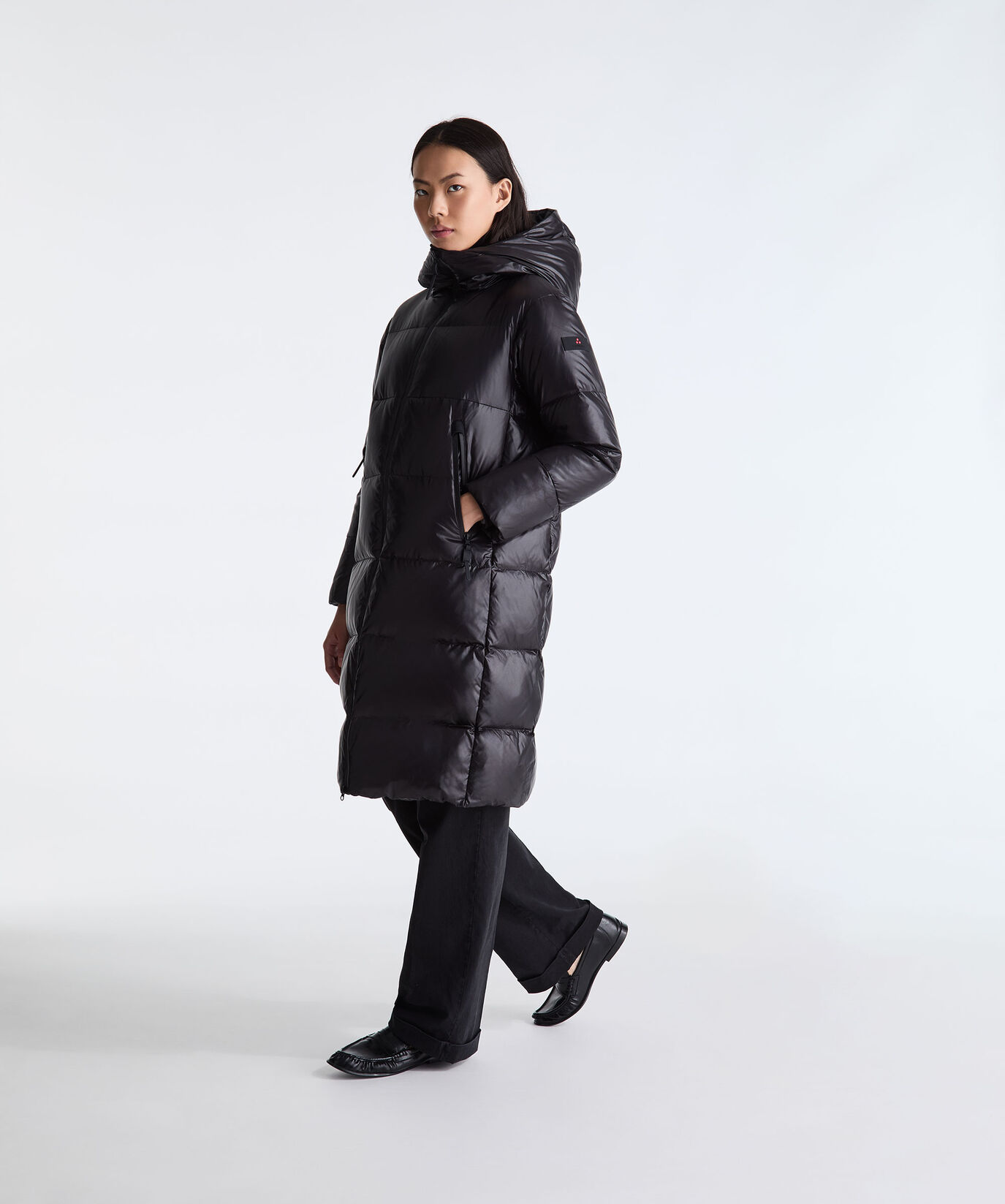
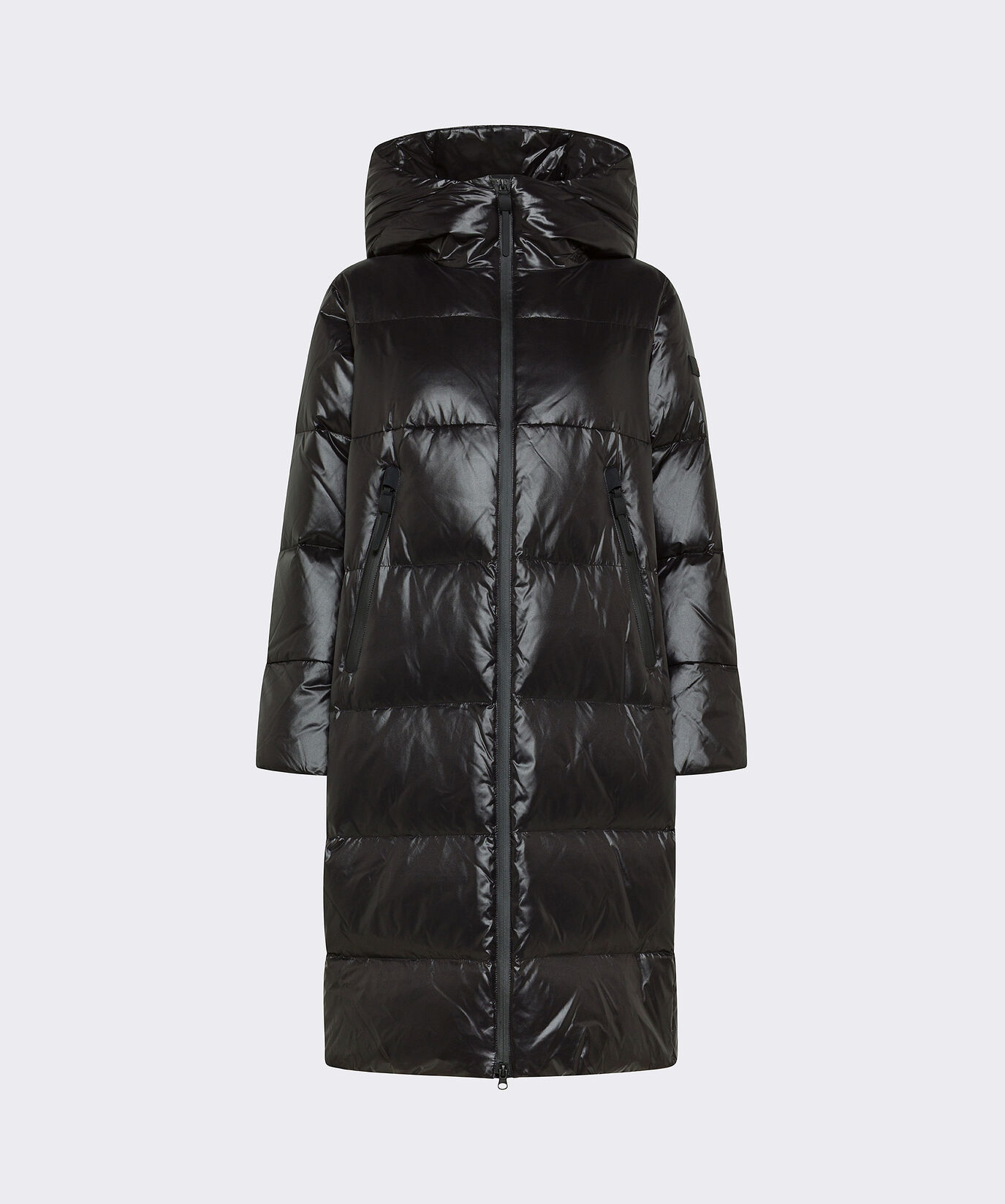
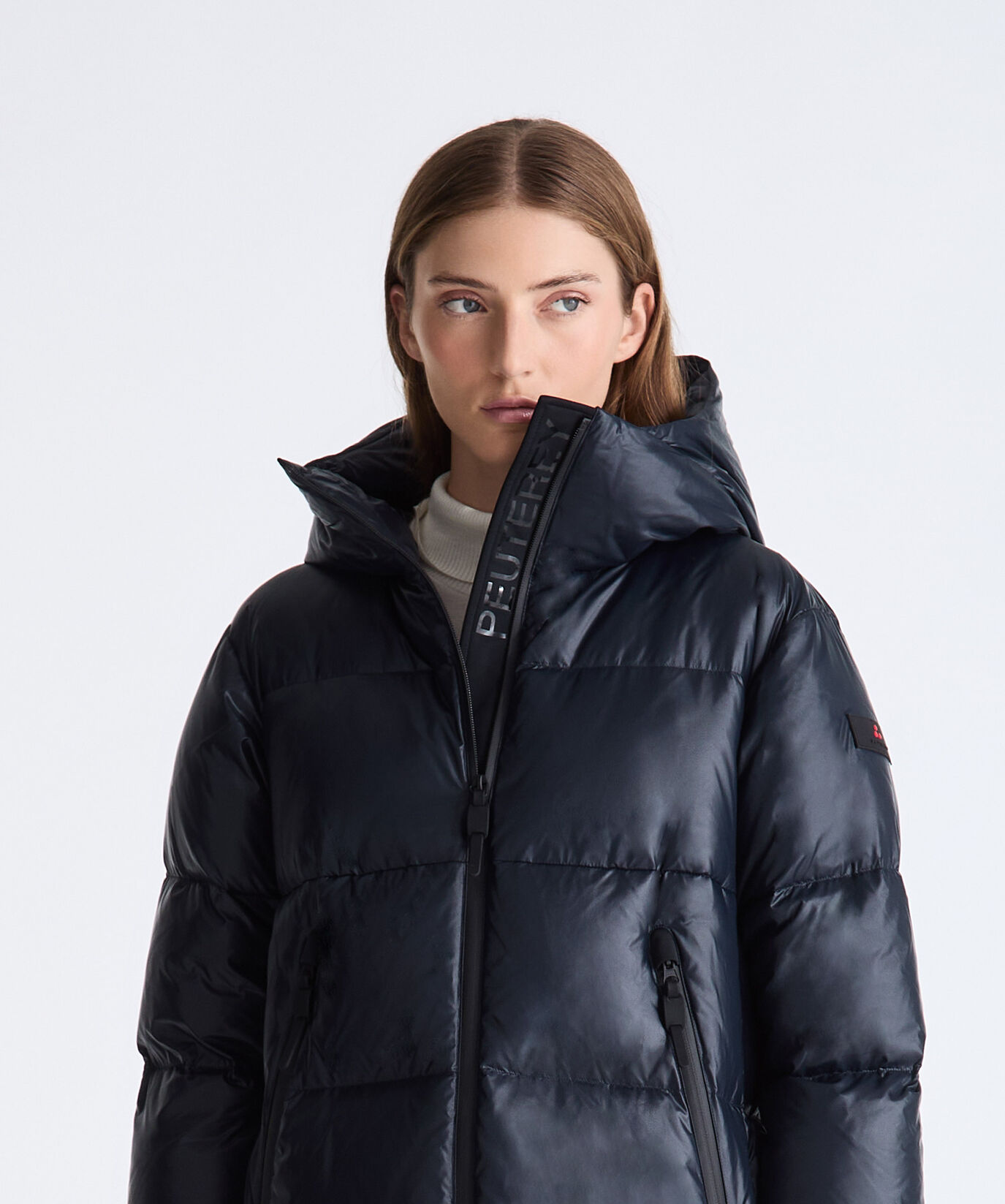
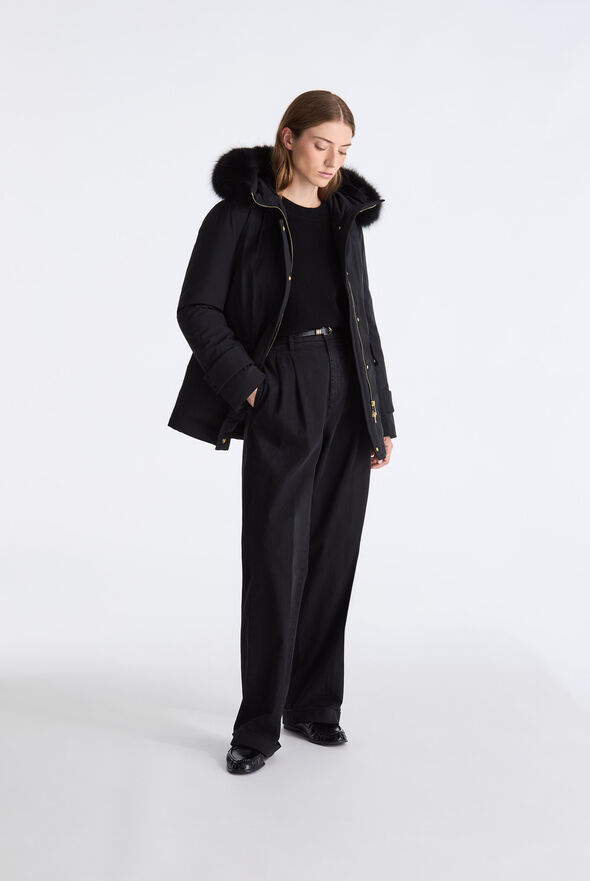
The women's parka began life as functional outerwear and still retains some of its most recognisable features: a mid or long length, protective construction, practical pockets and, often, a hood. In contemporary versions these codes become more urban thanks to balanced volumes, technical fabrics, refined finishes and lines that can be regular or more fitted. The result is a piece suited to city life yet versatile enough for travel and weekends. Within women's outerwear, the parka sits halfway between the practicality of a technical jacket and the coverage of a more structured puffer coat.
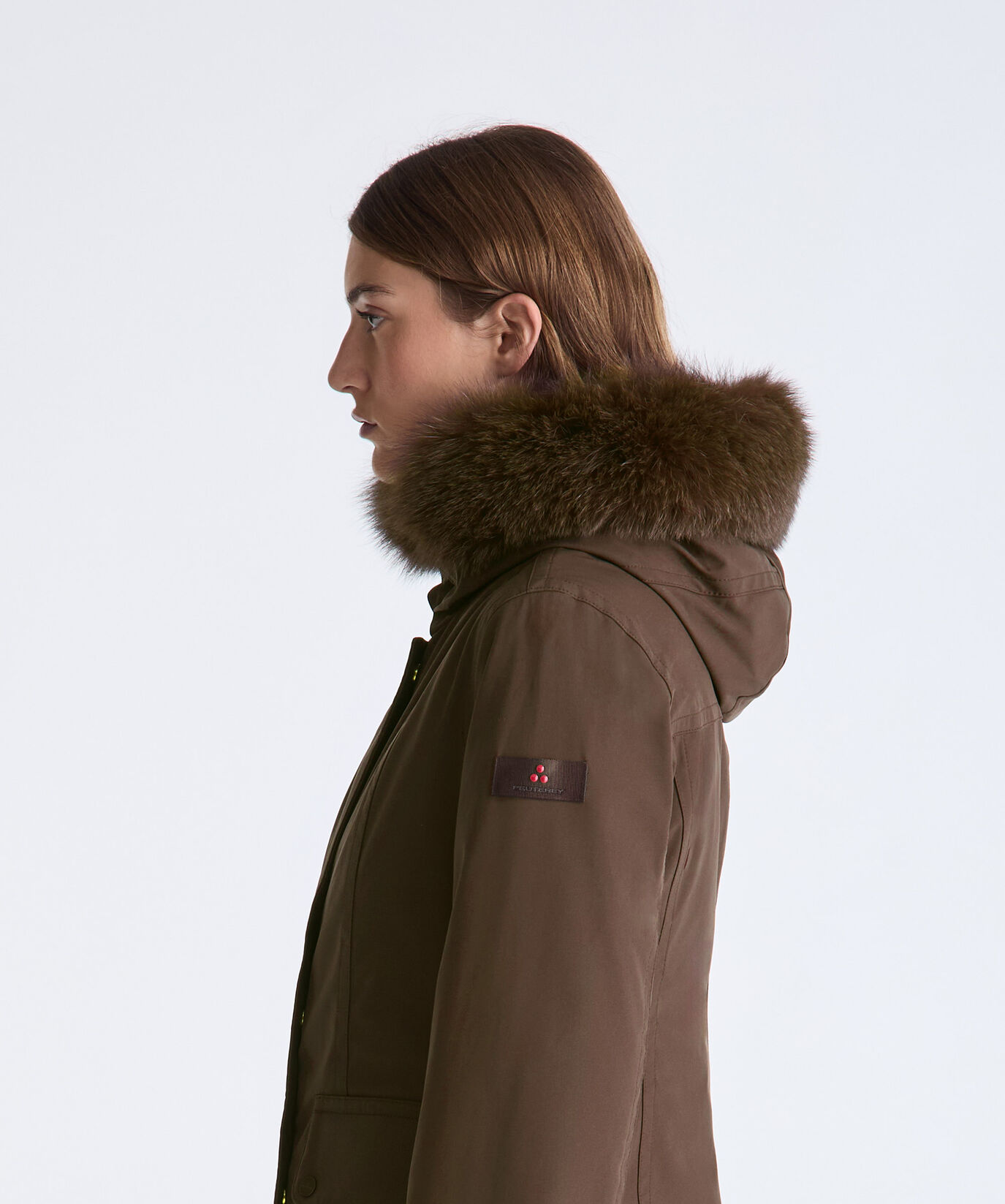
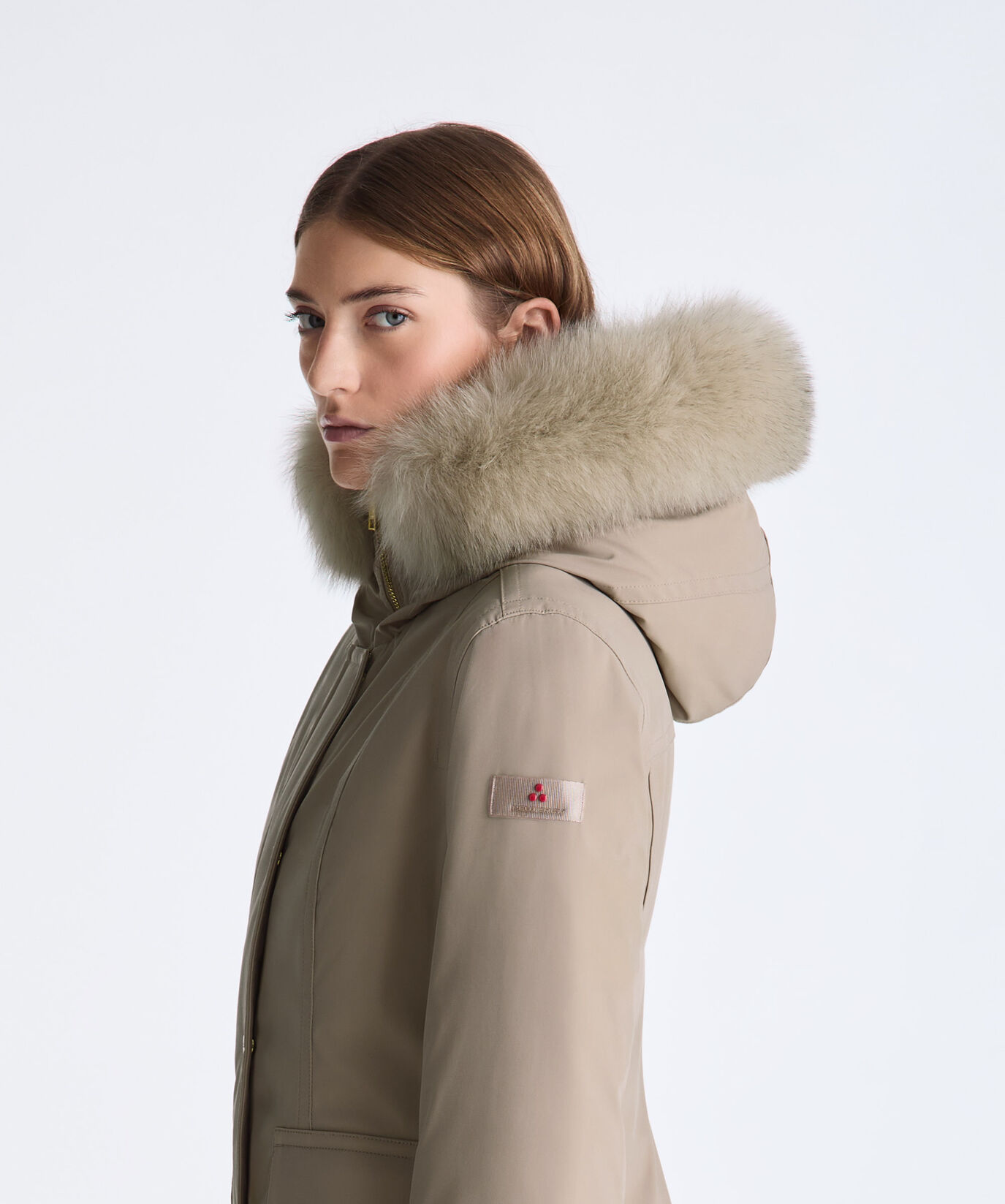
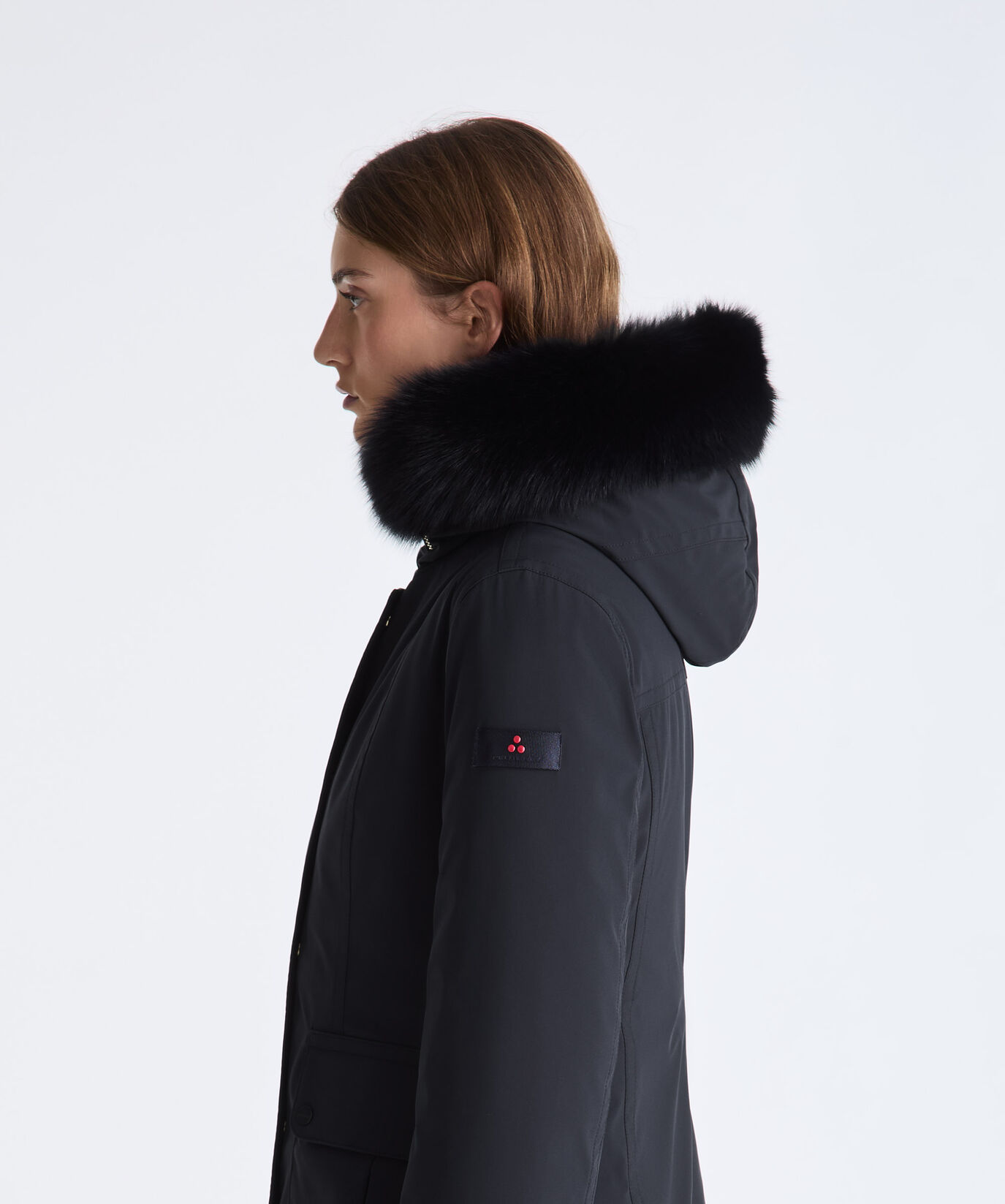
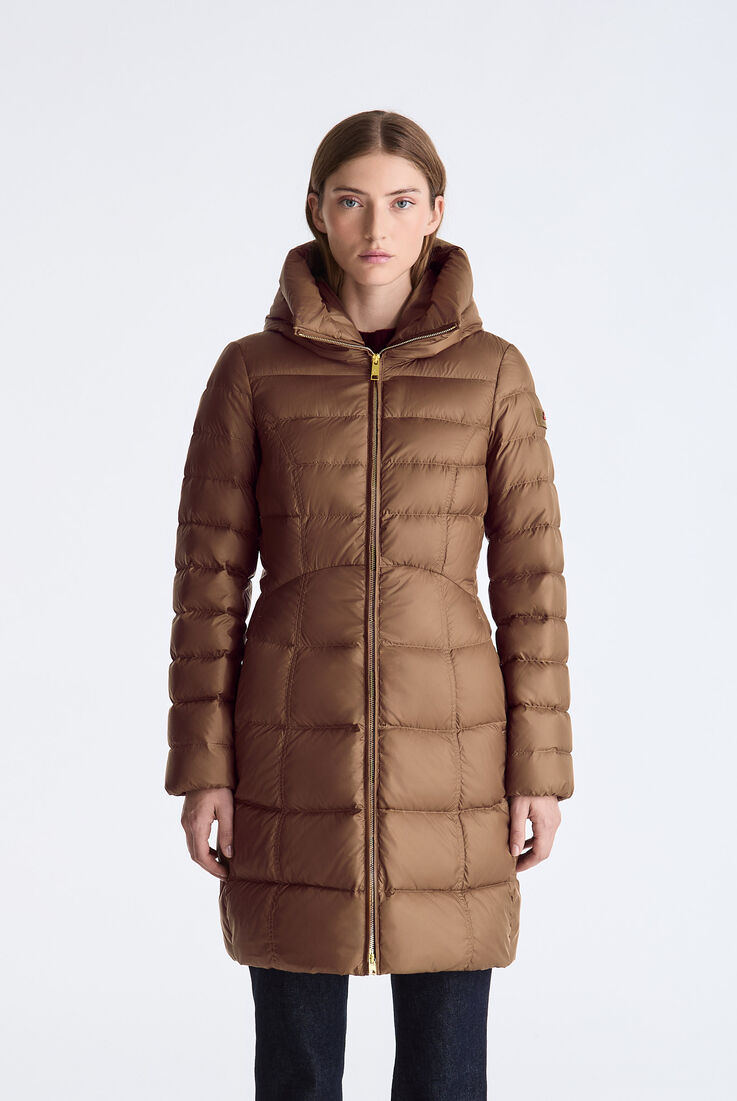
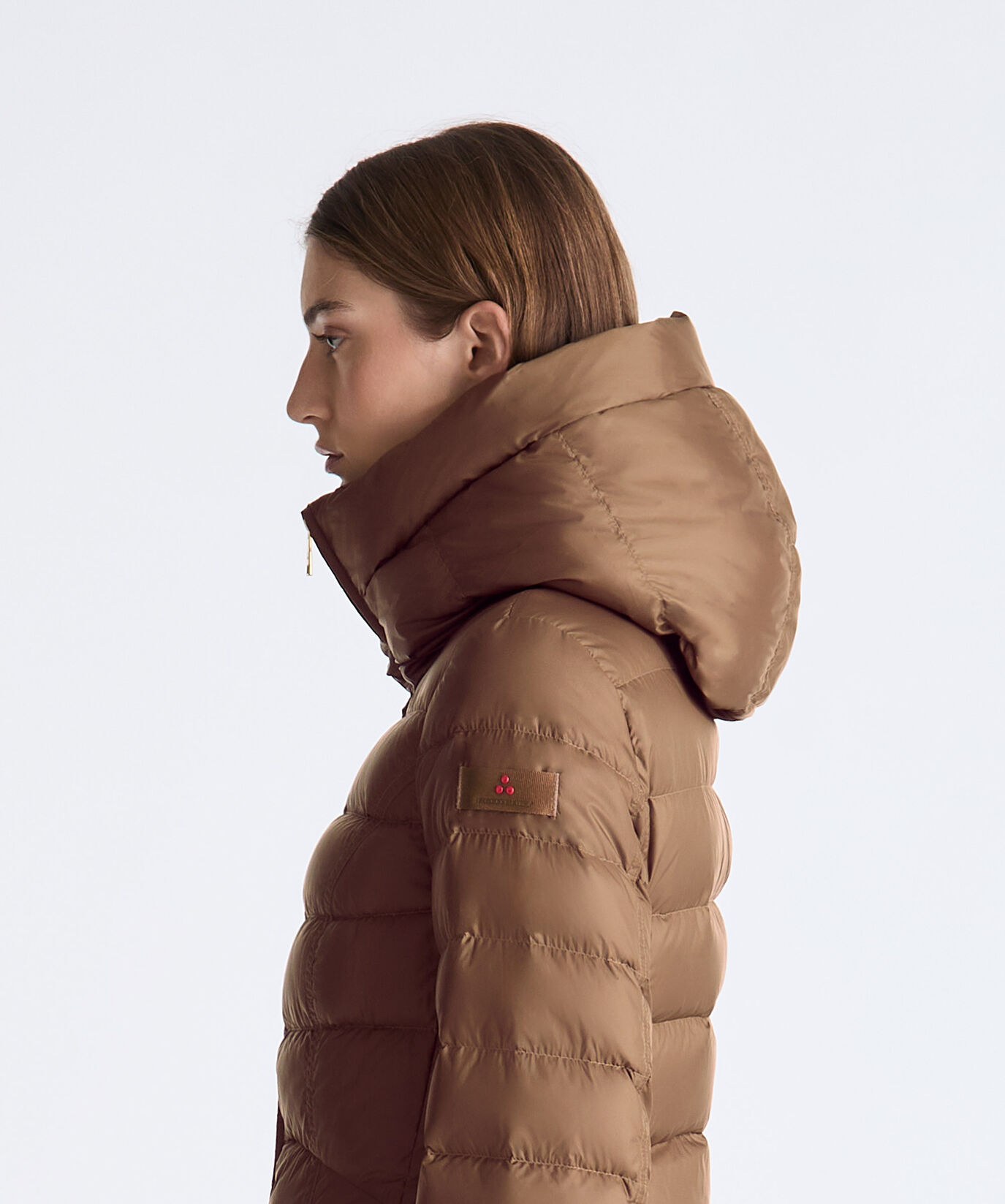
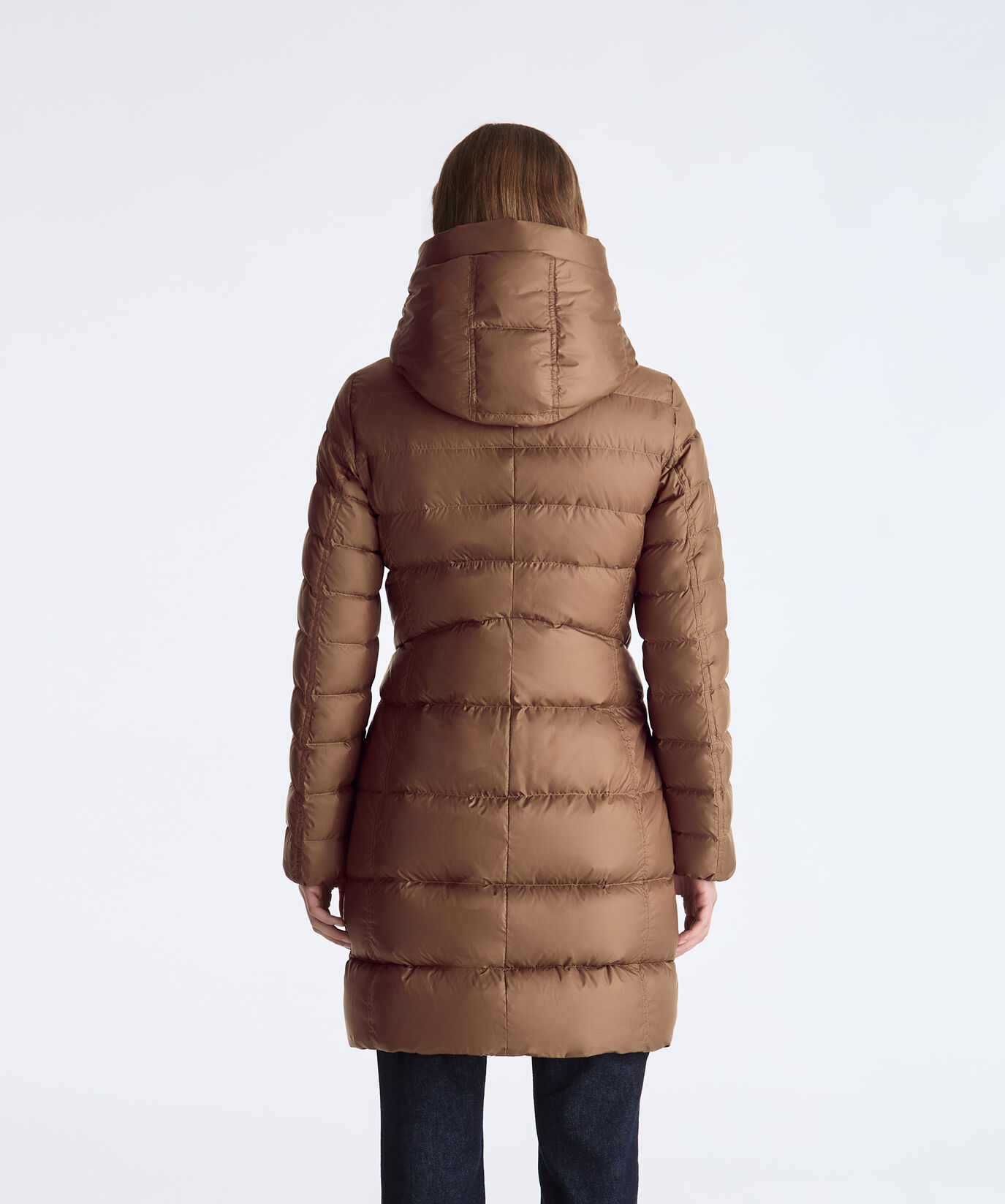
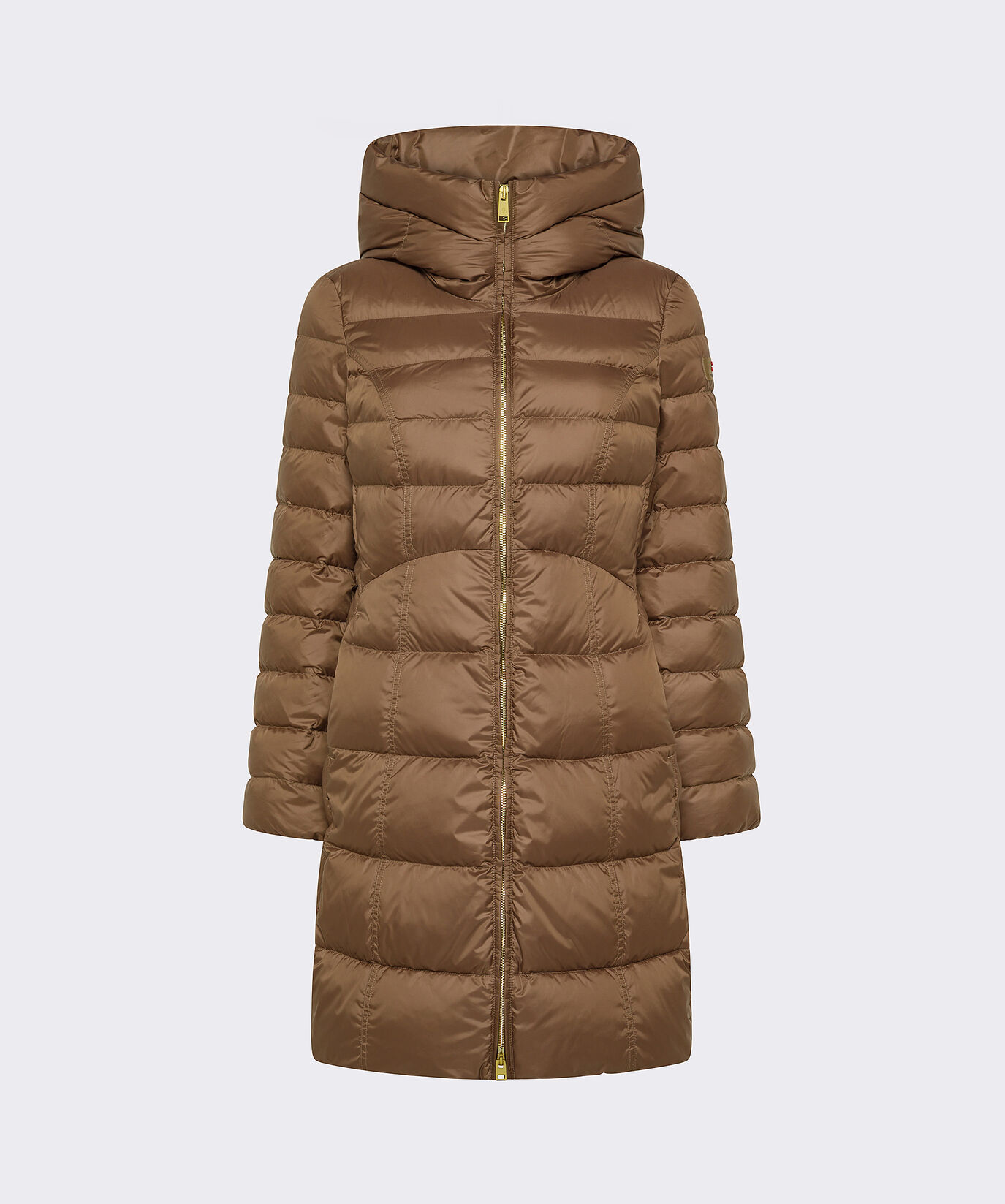
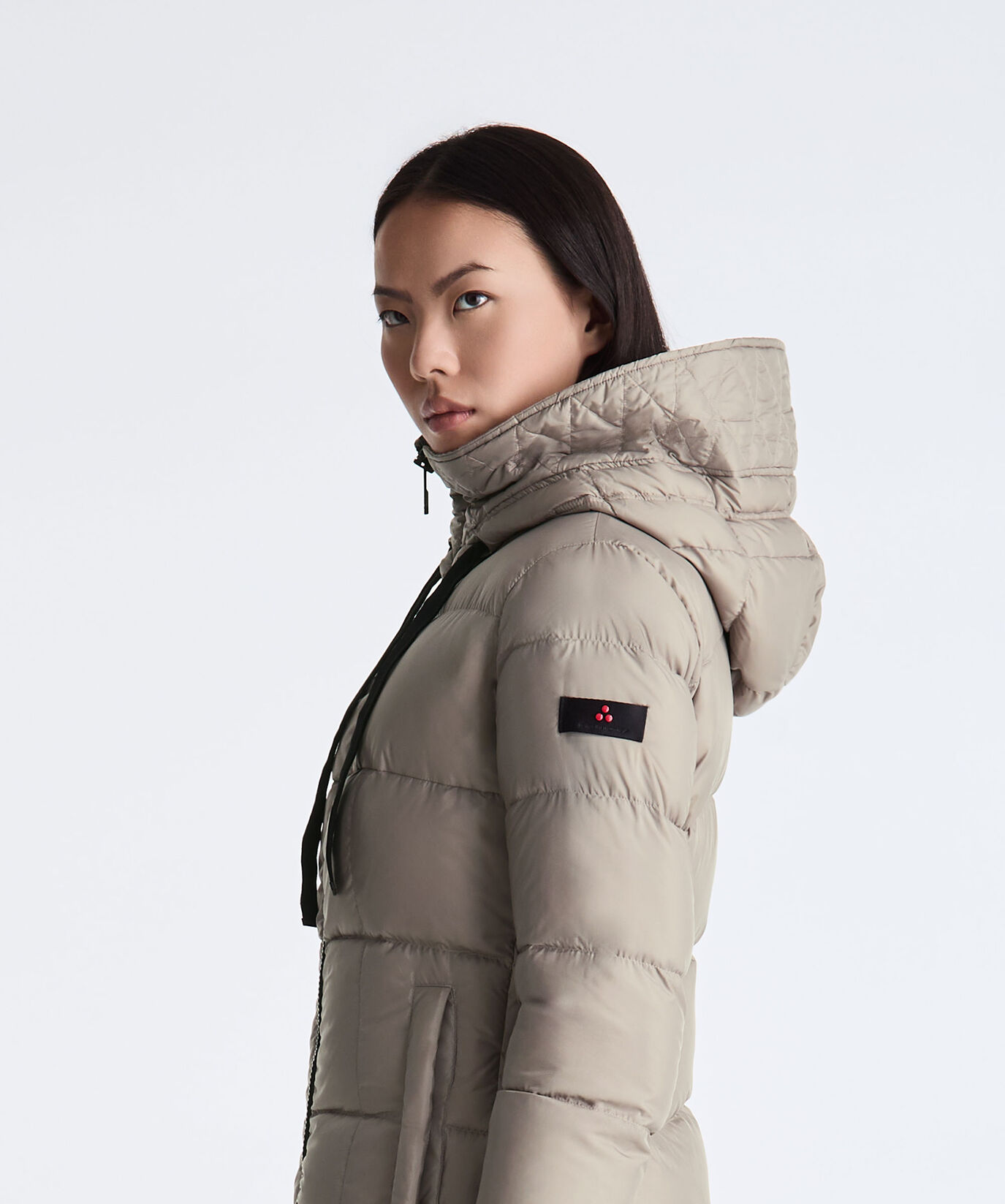
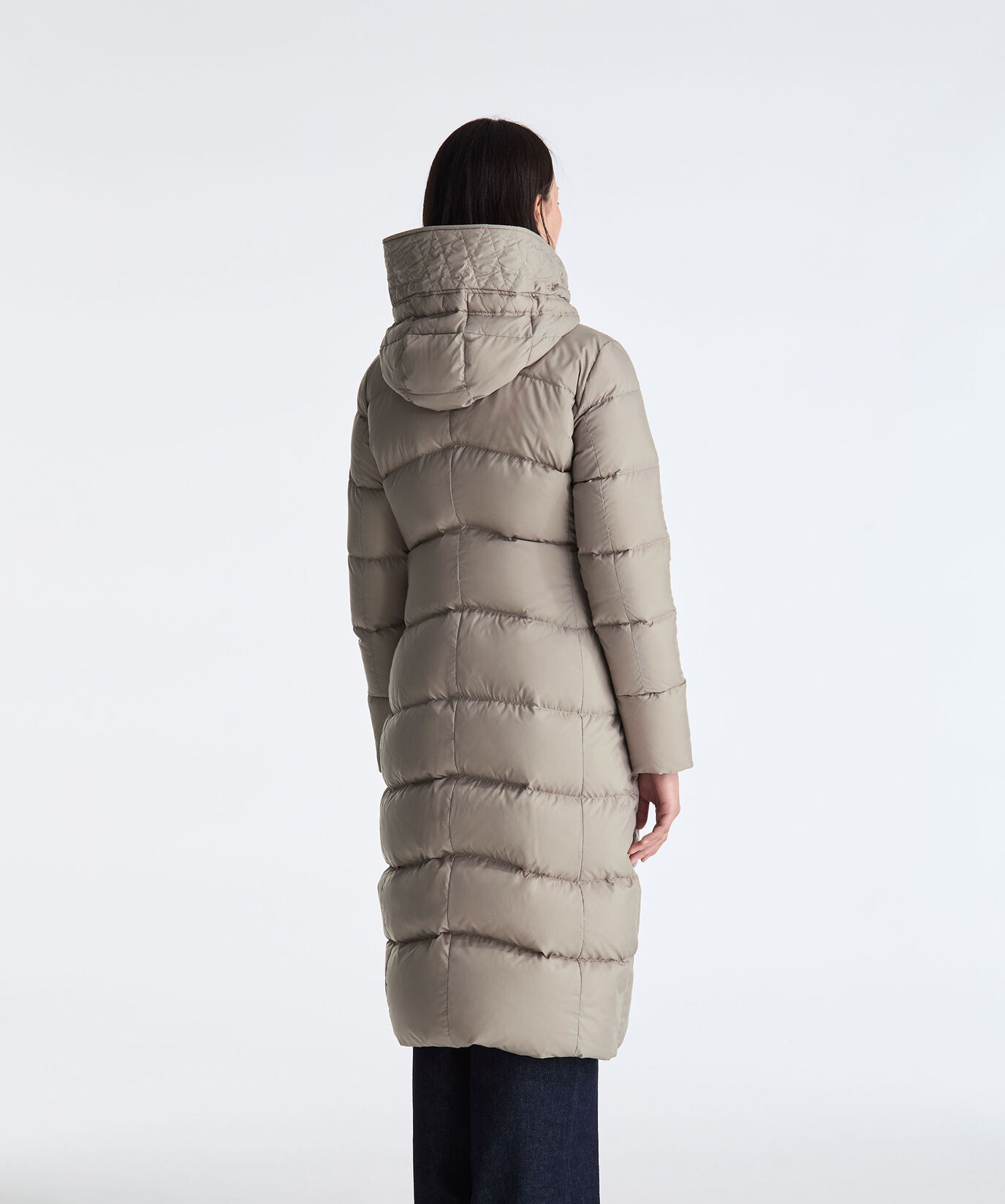
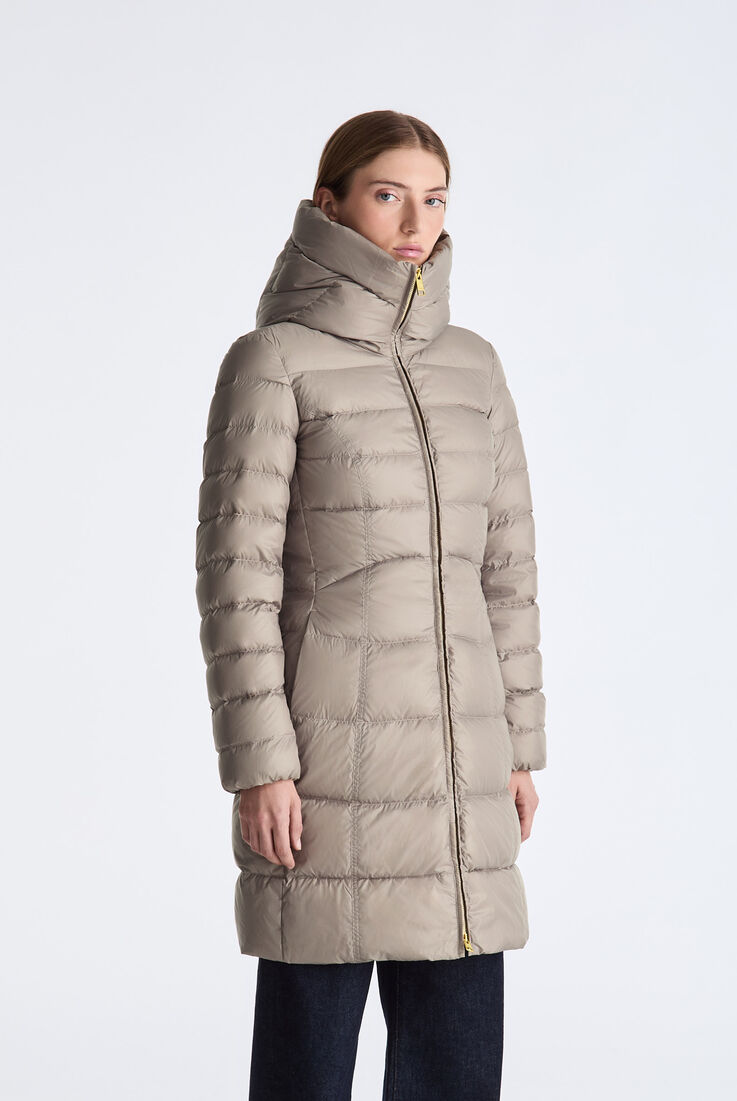
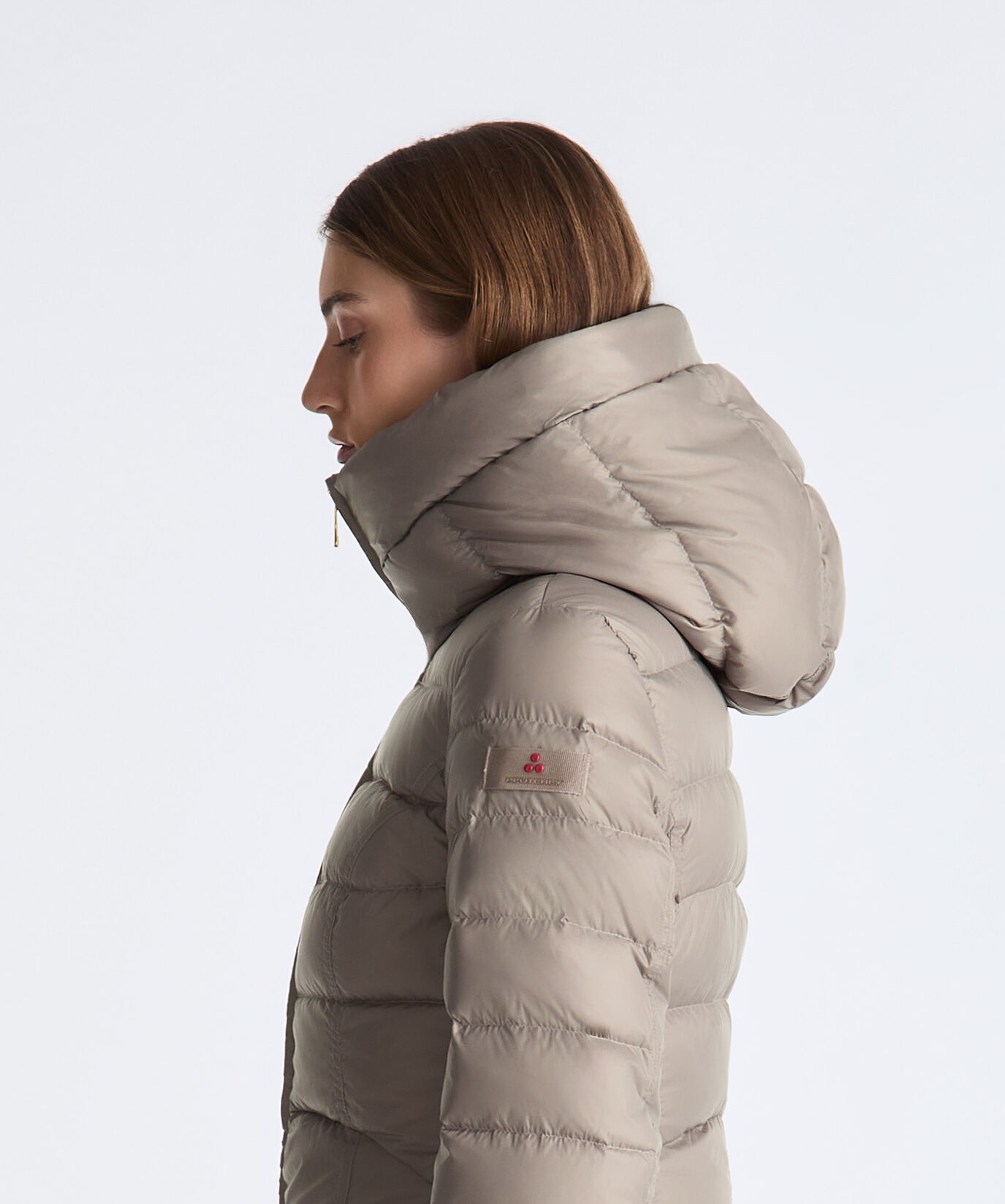
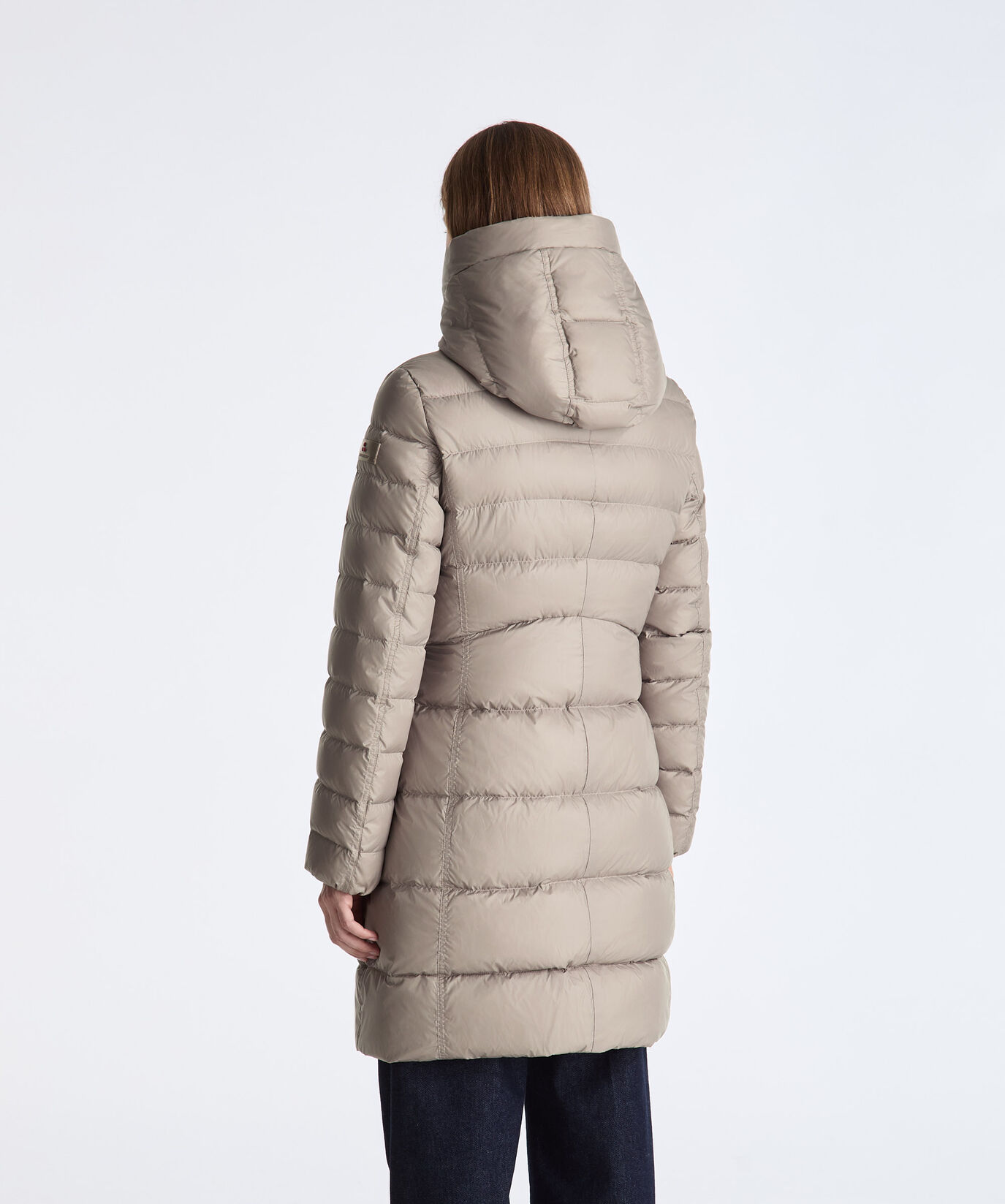
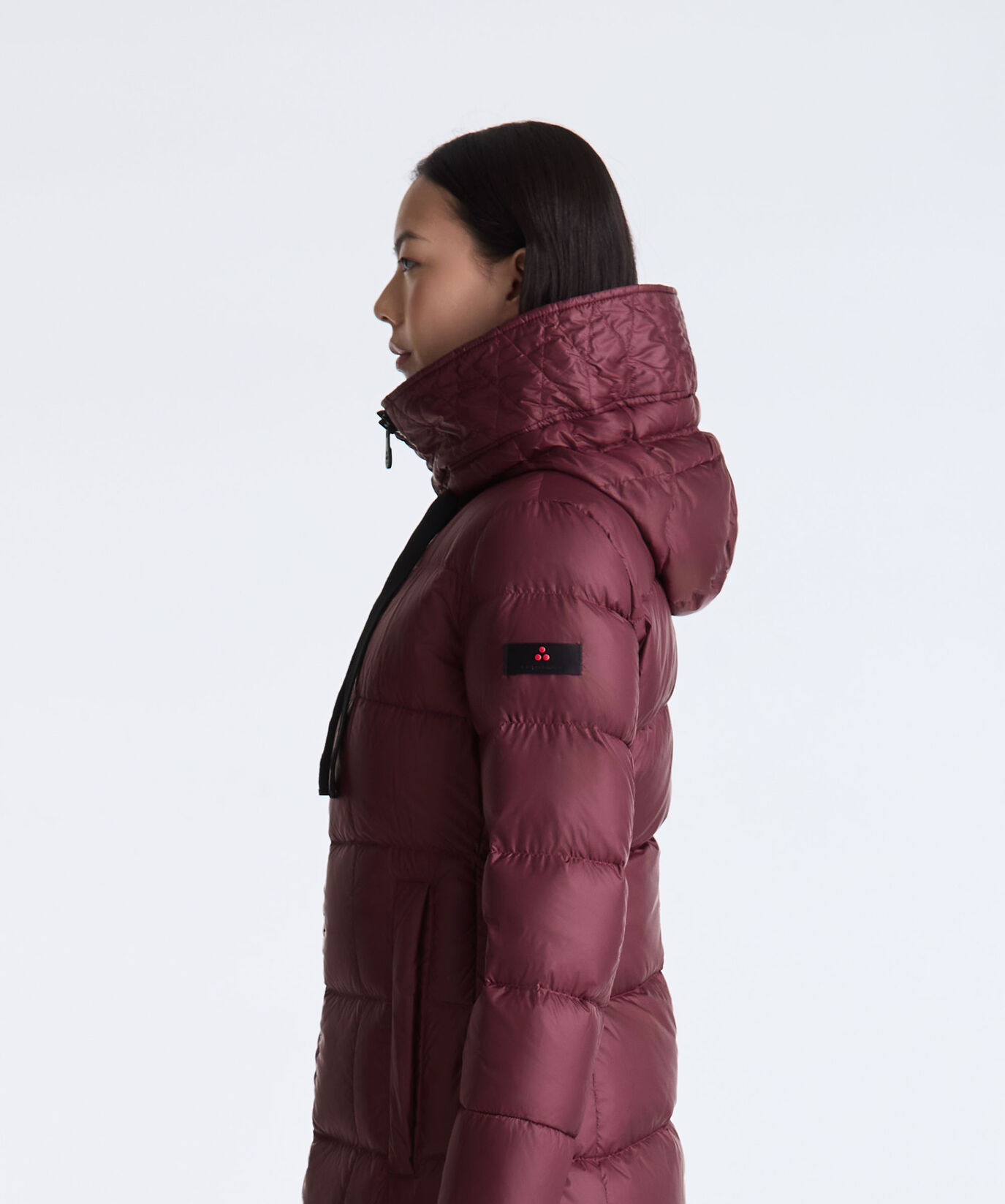
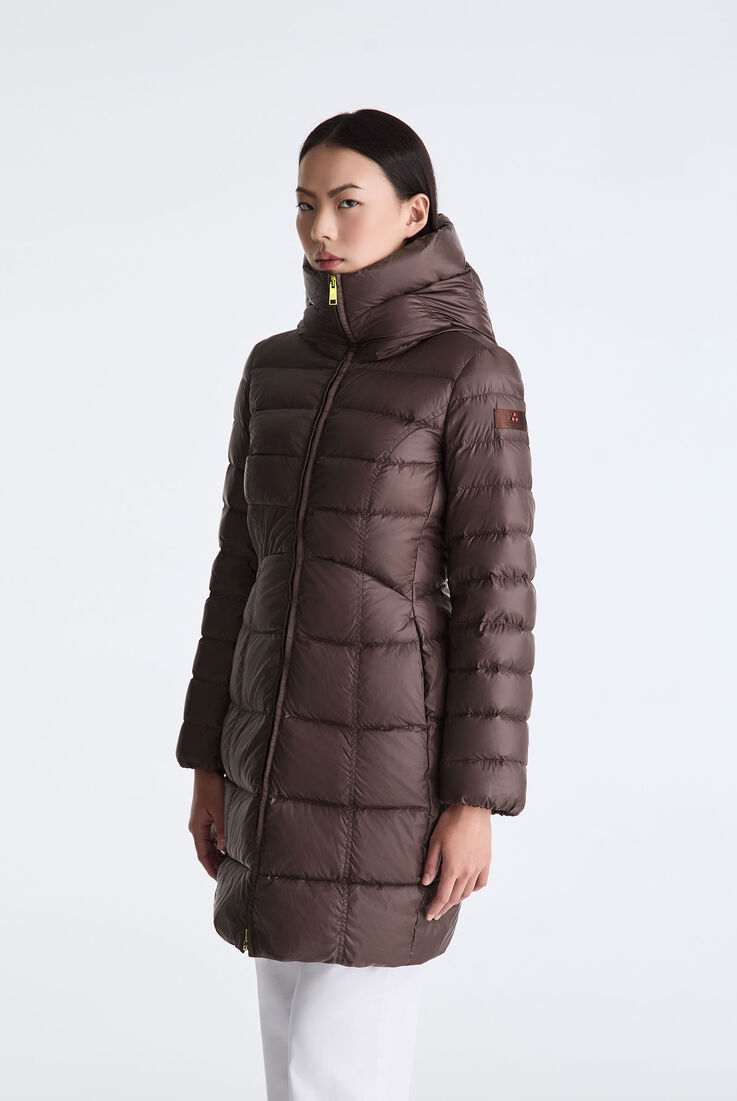
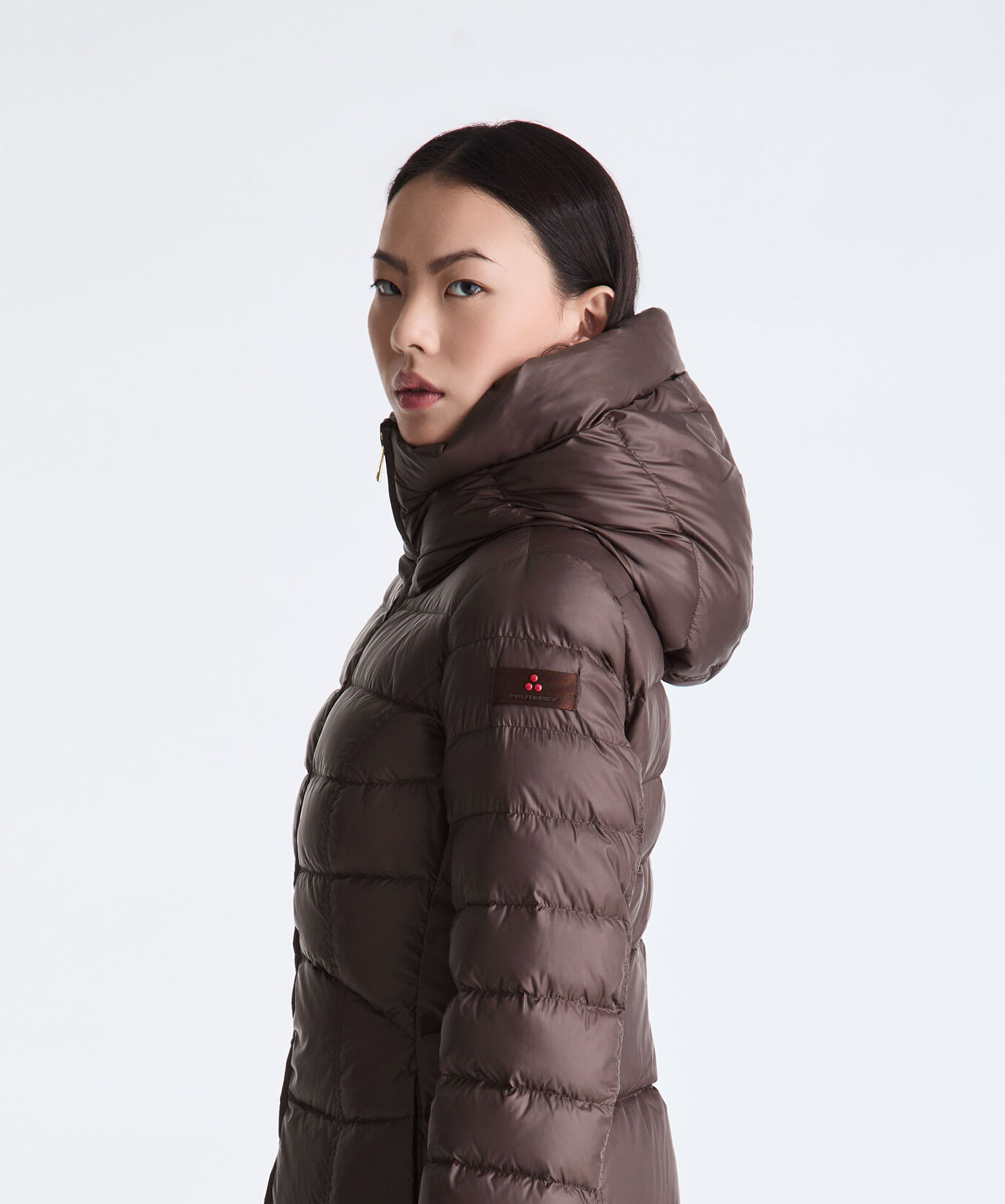
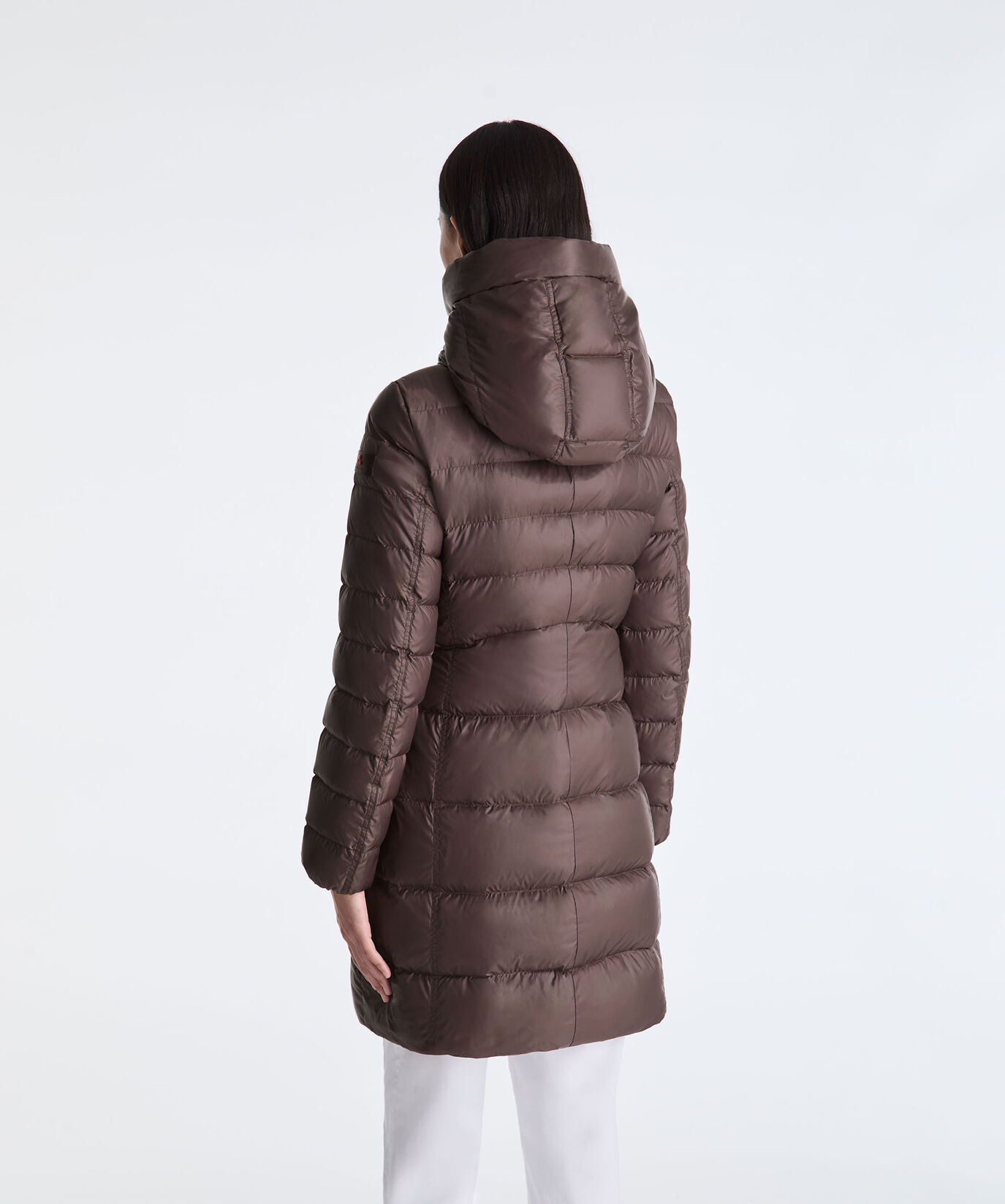
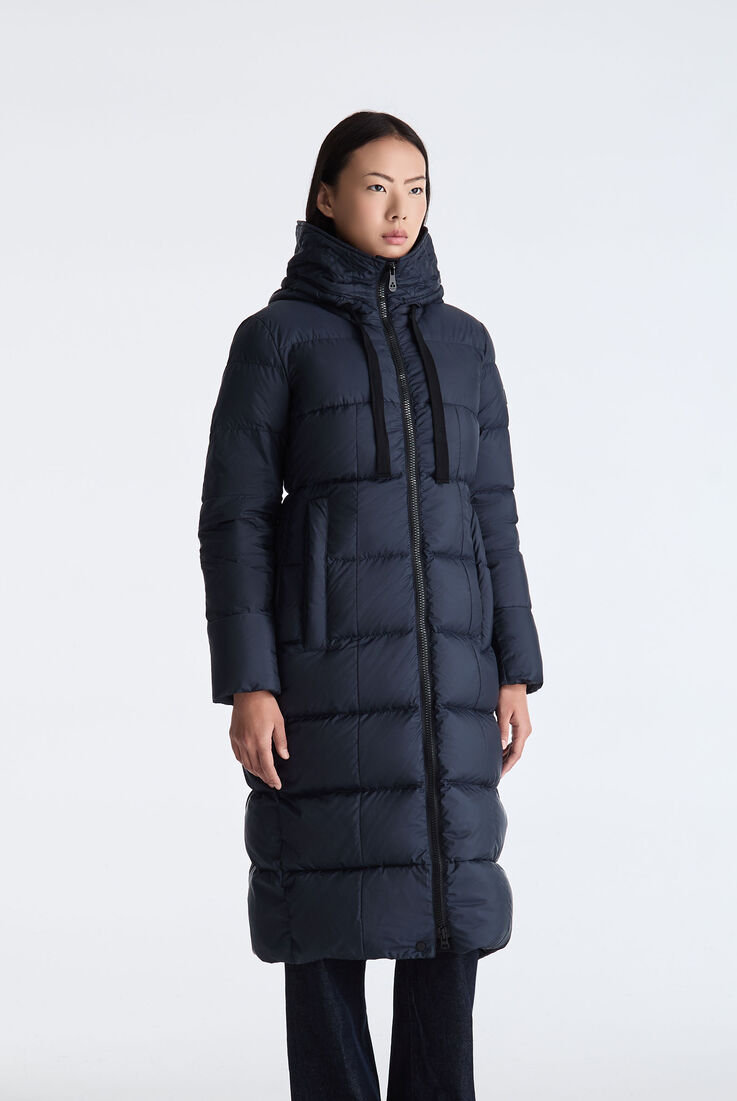
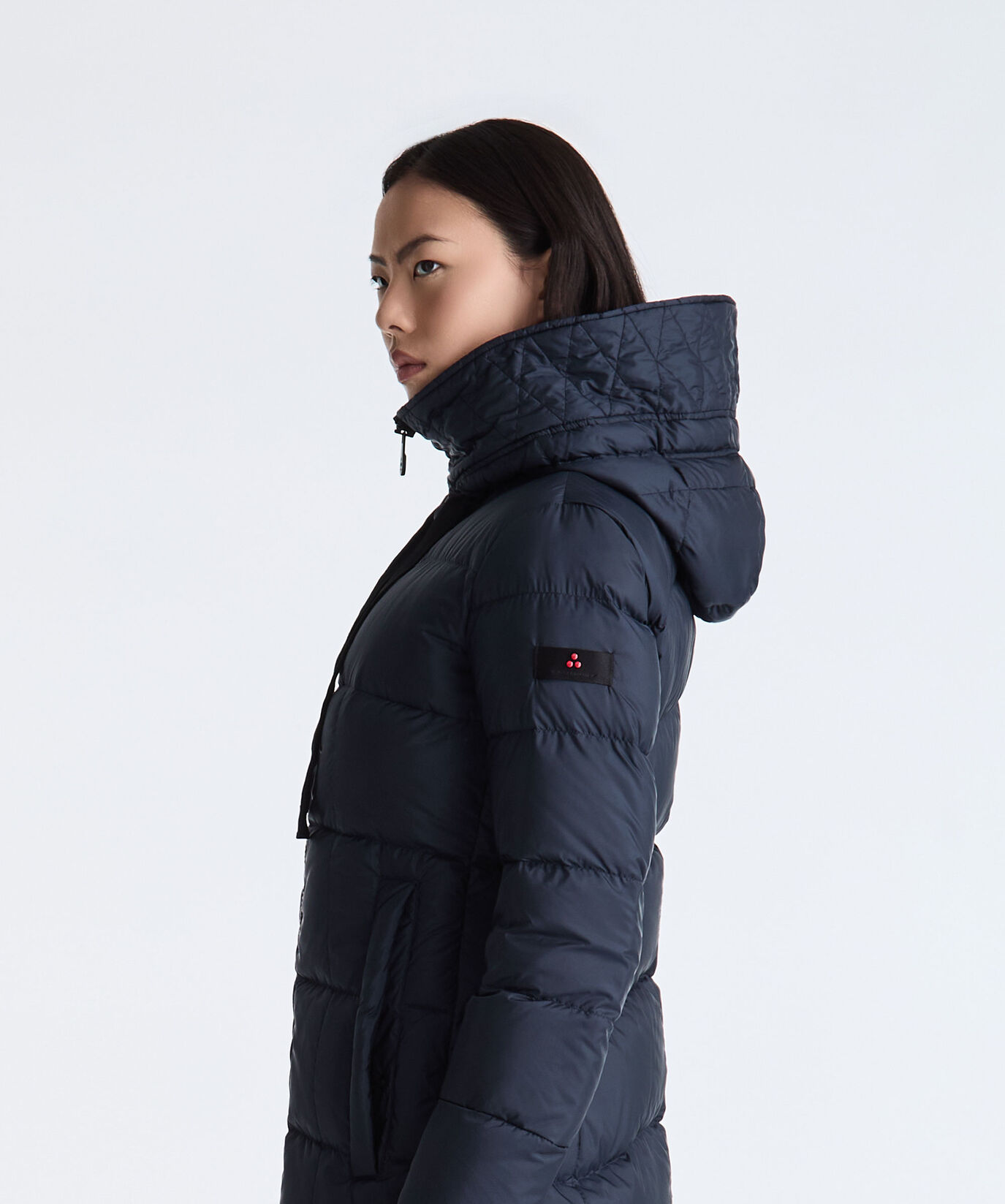
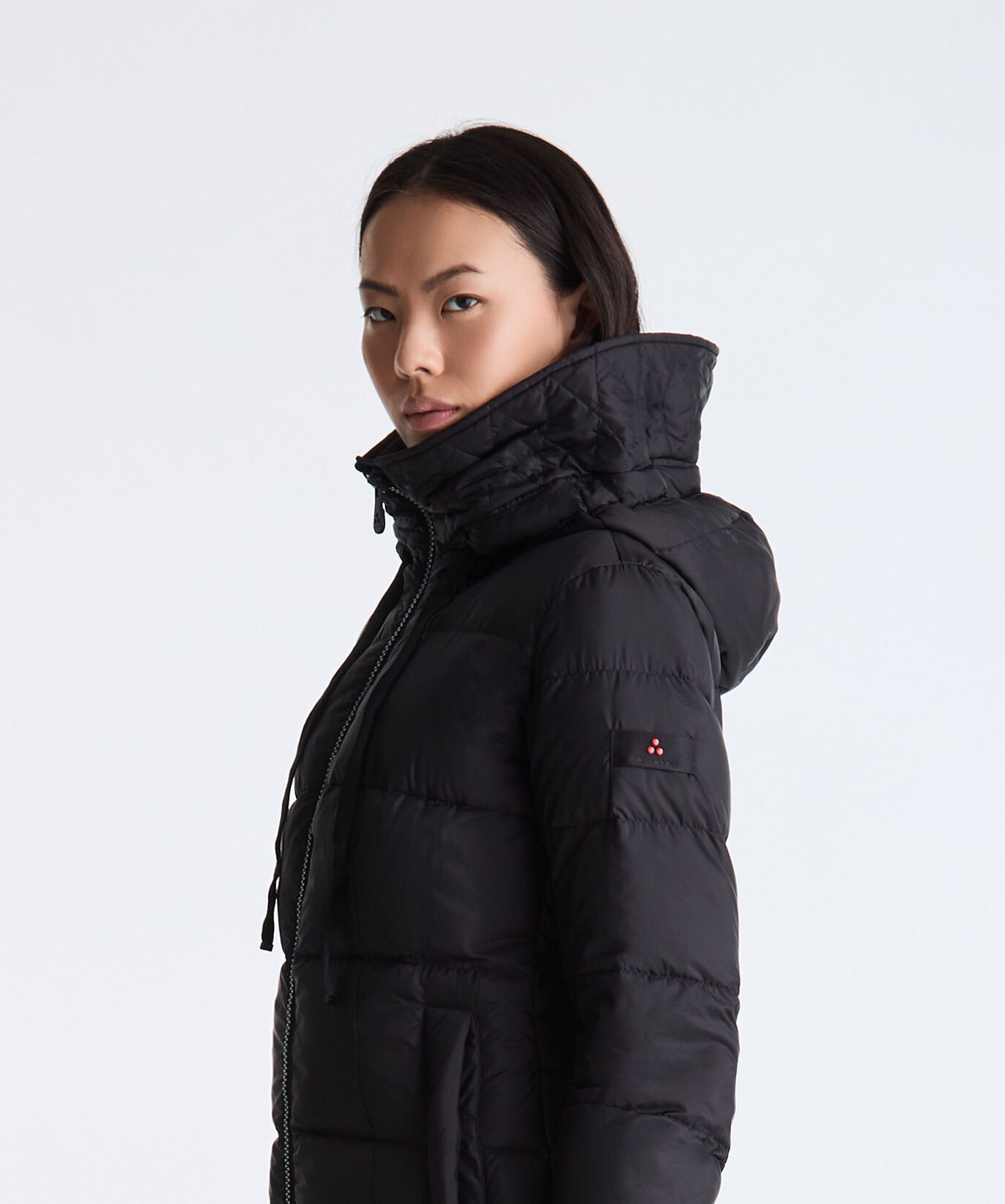
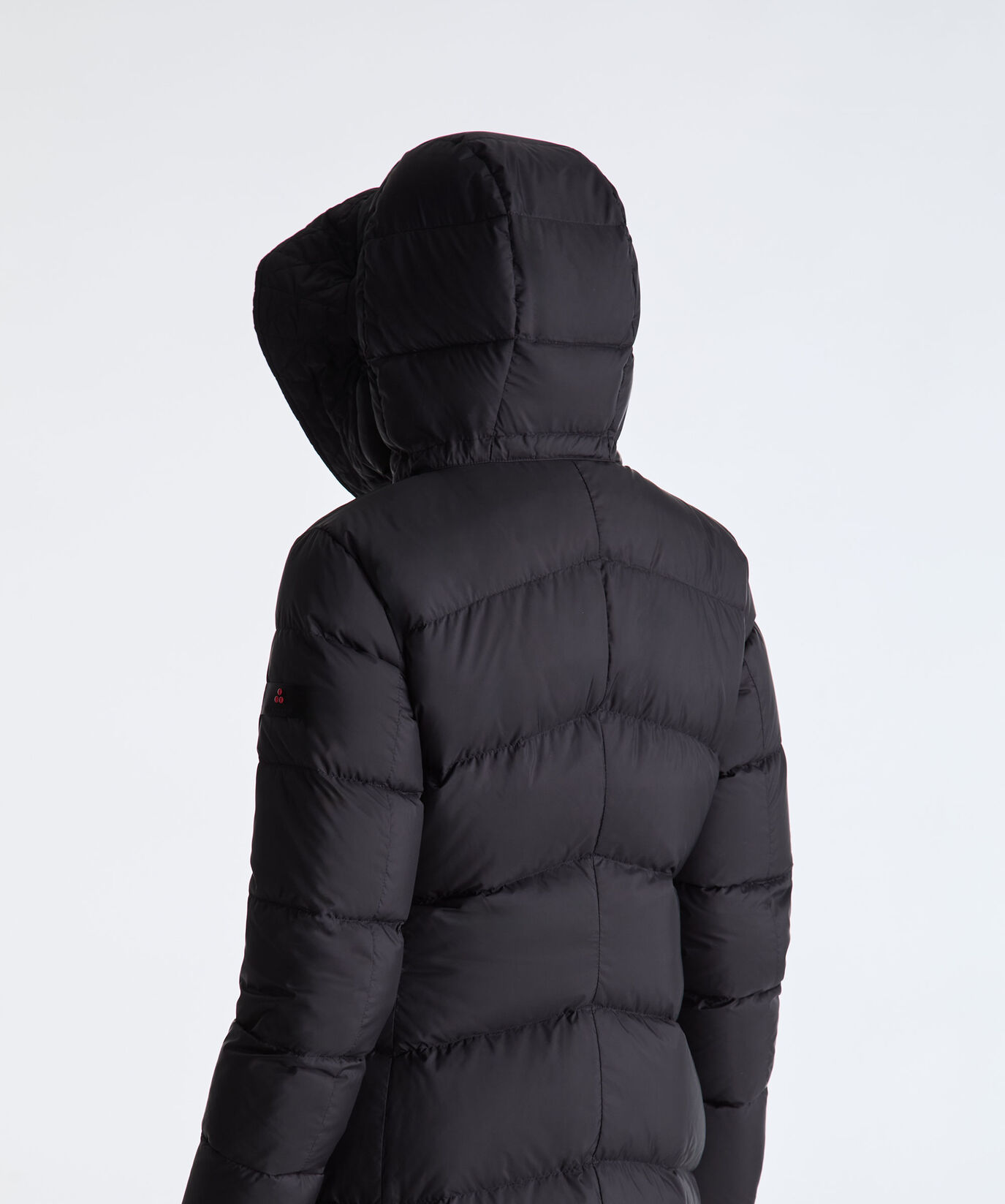
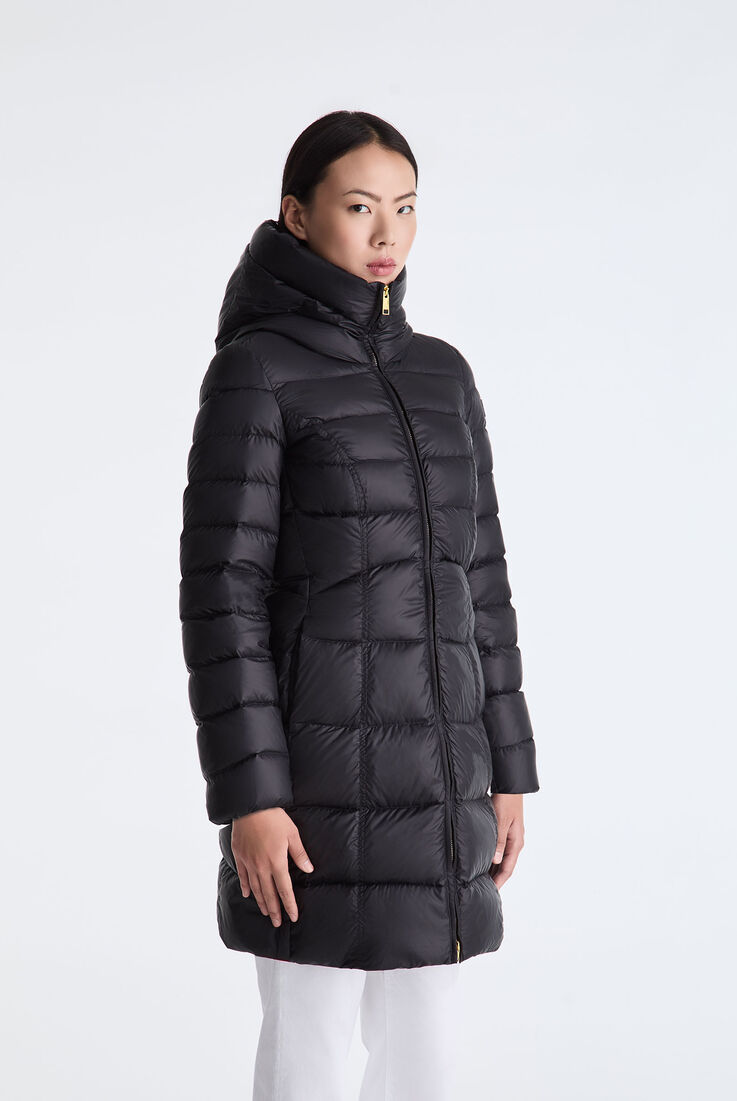
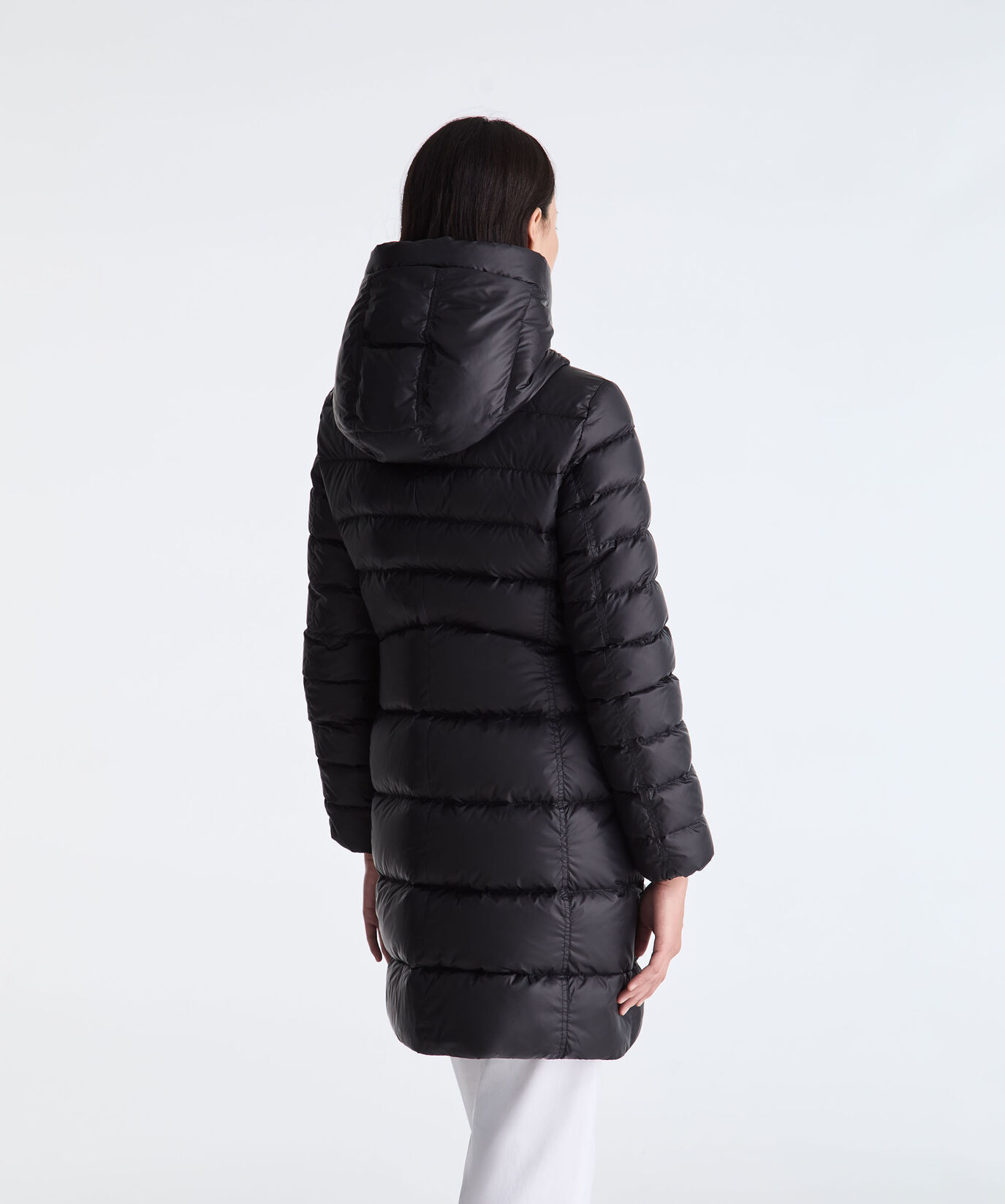
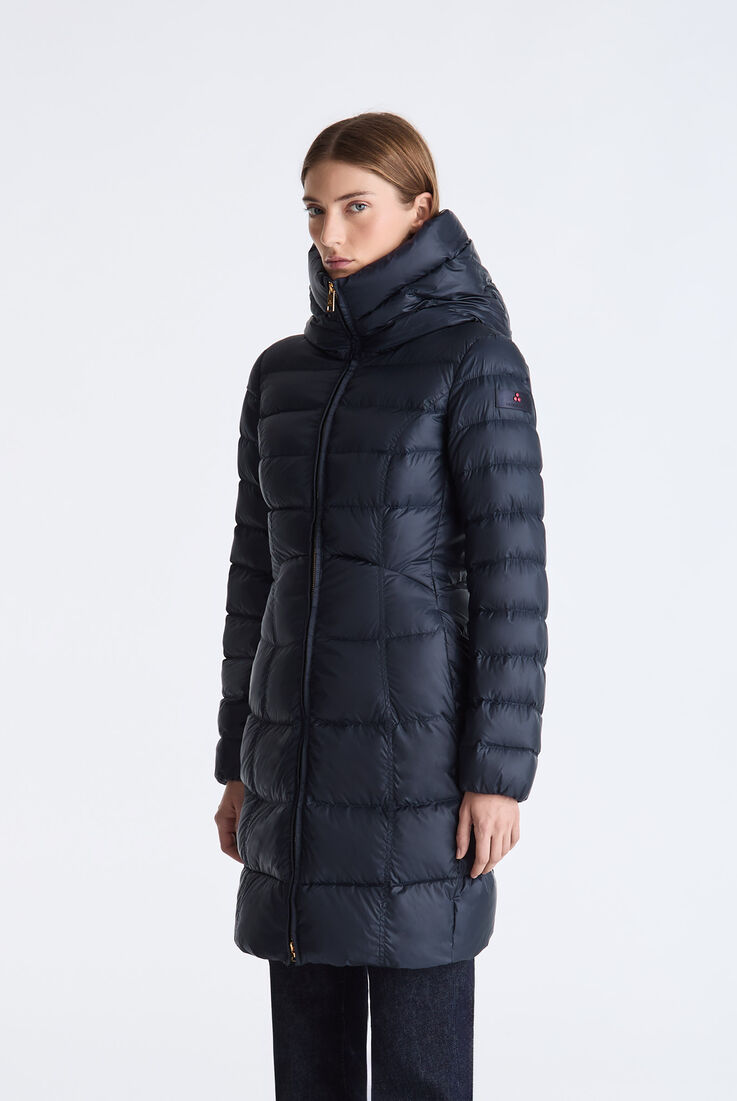
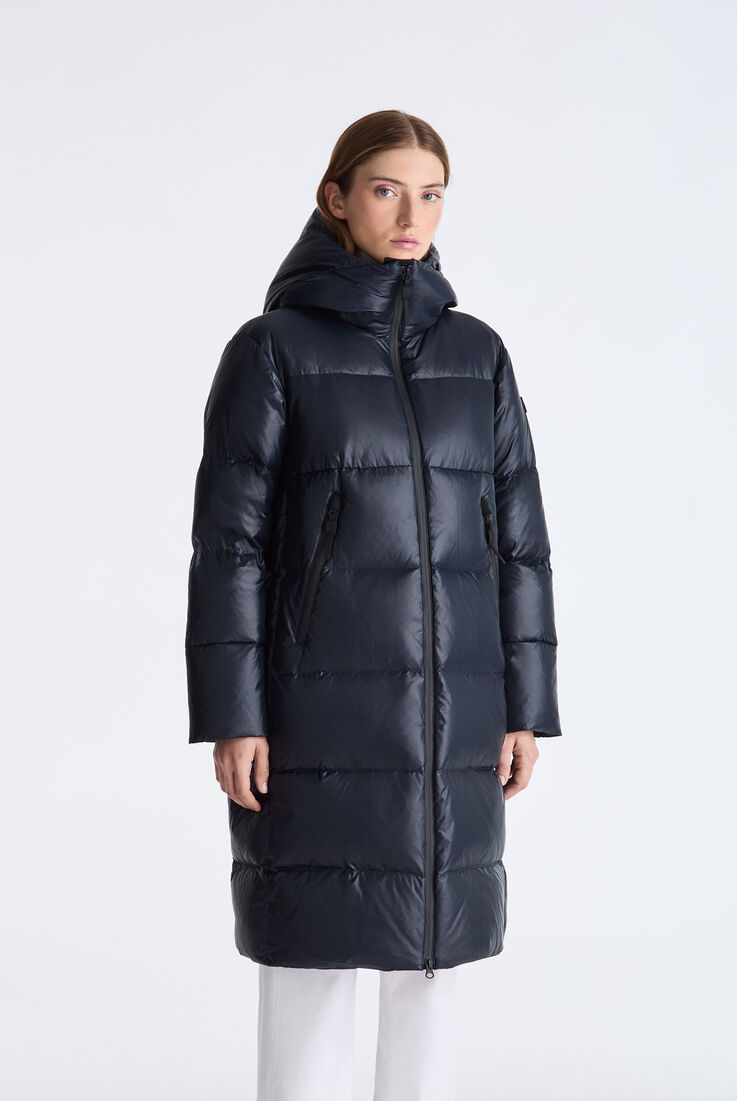
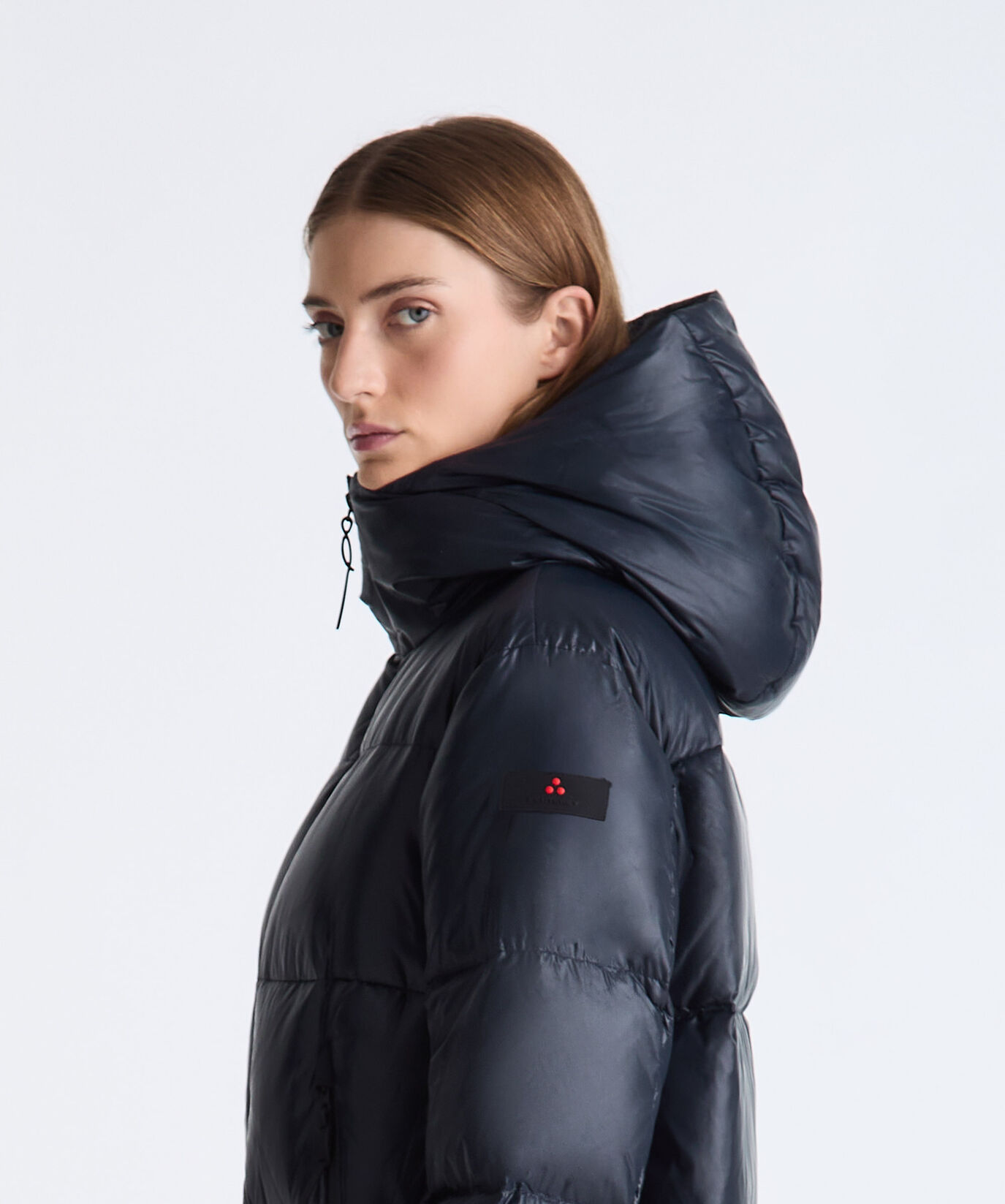
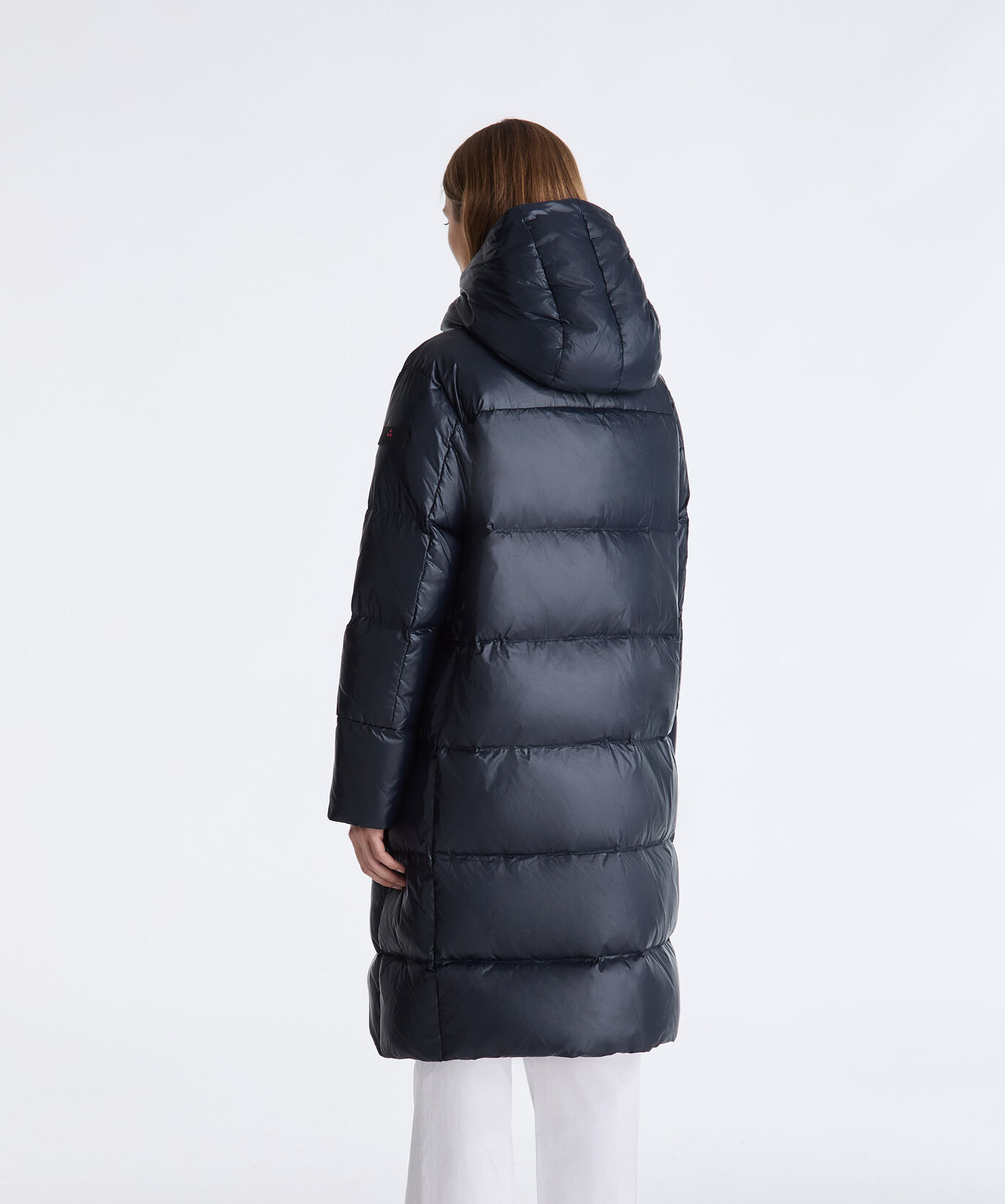
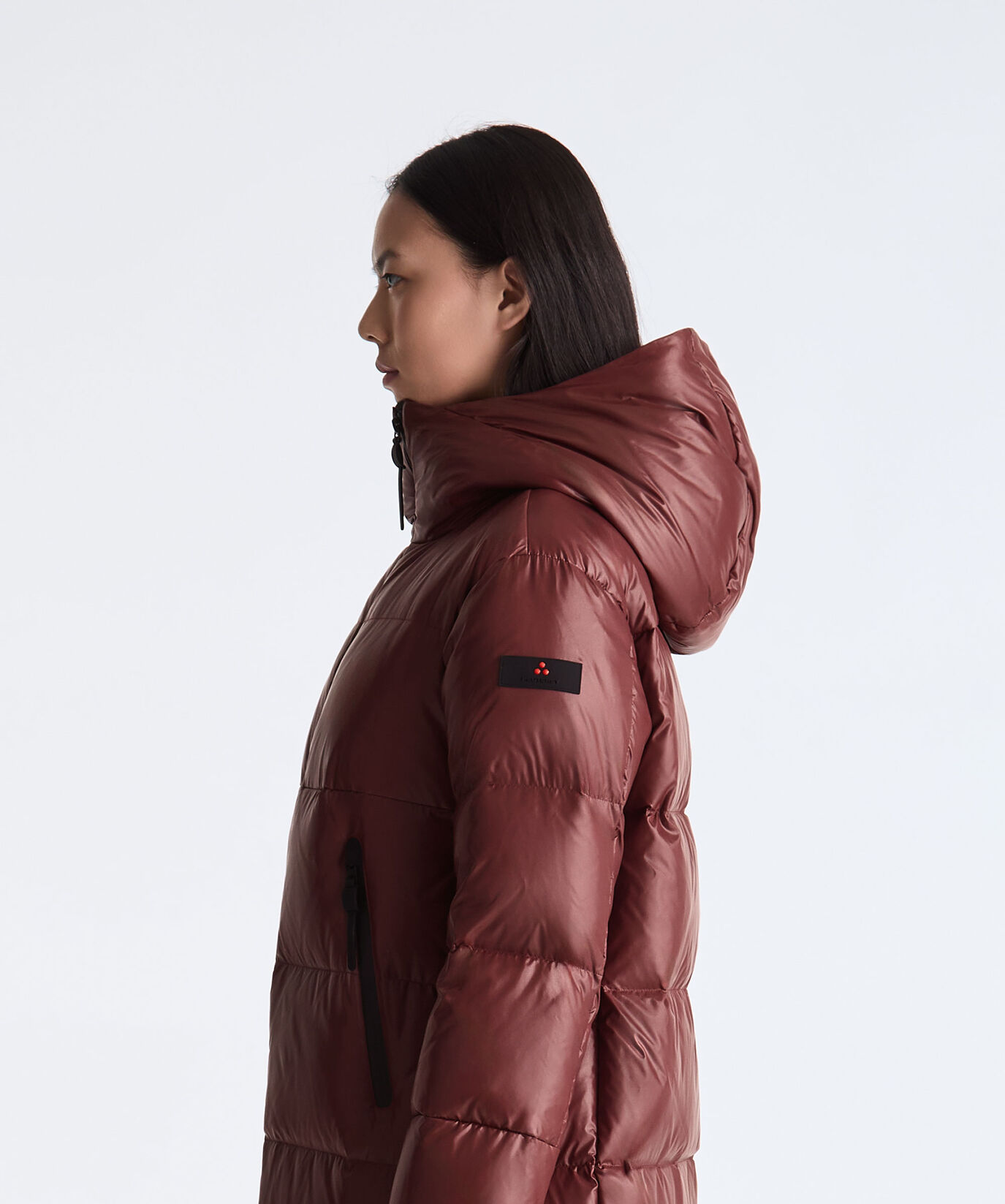
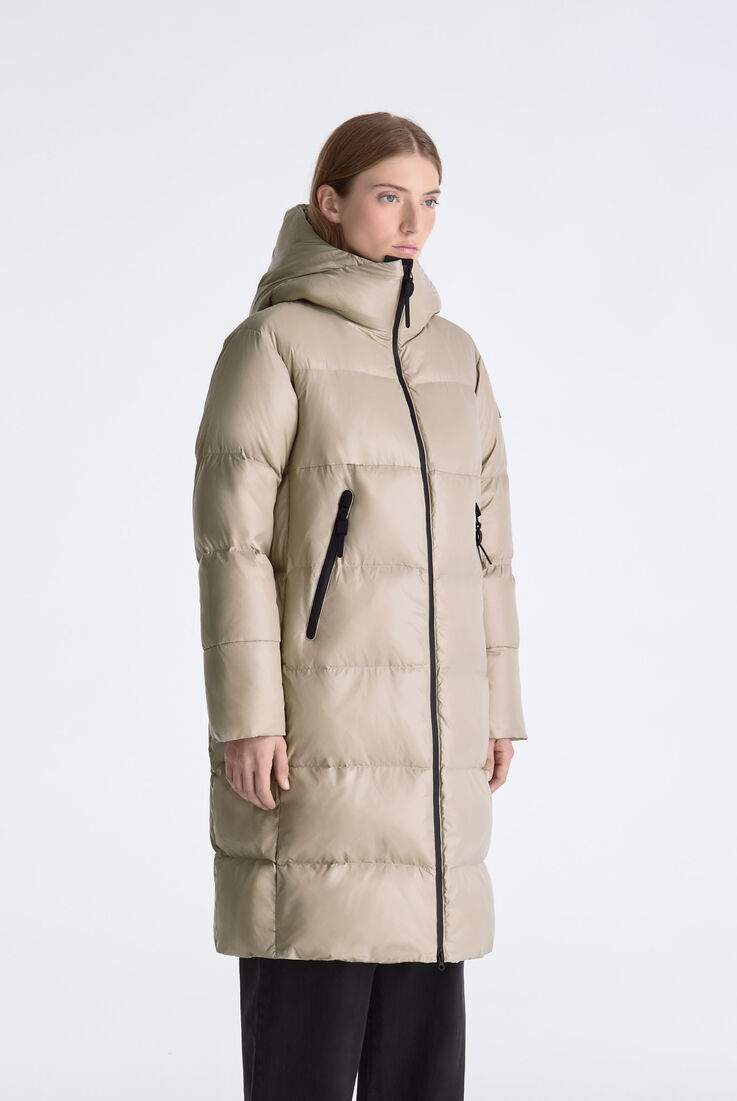
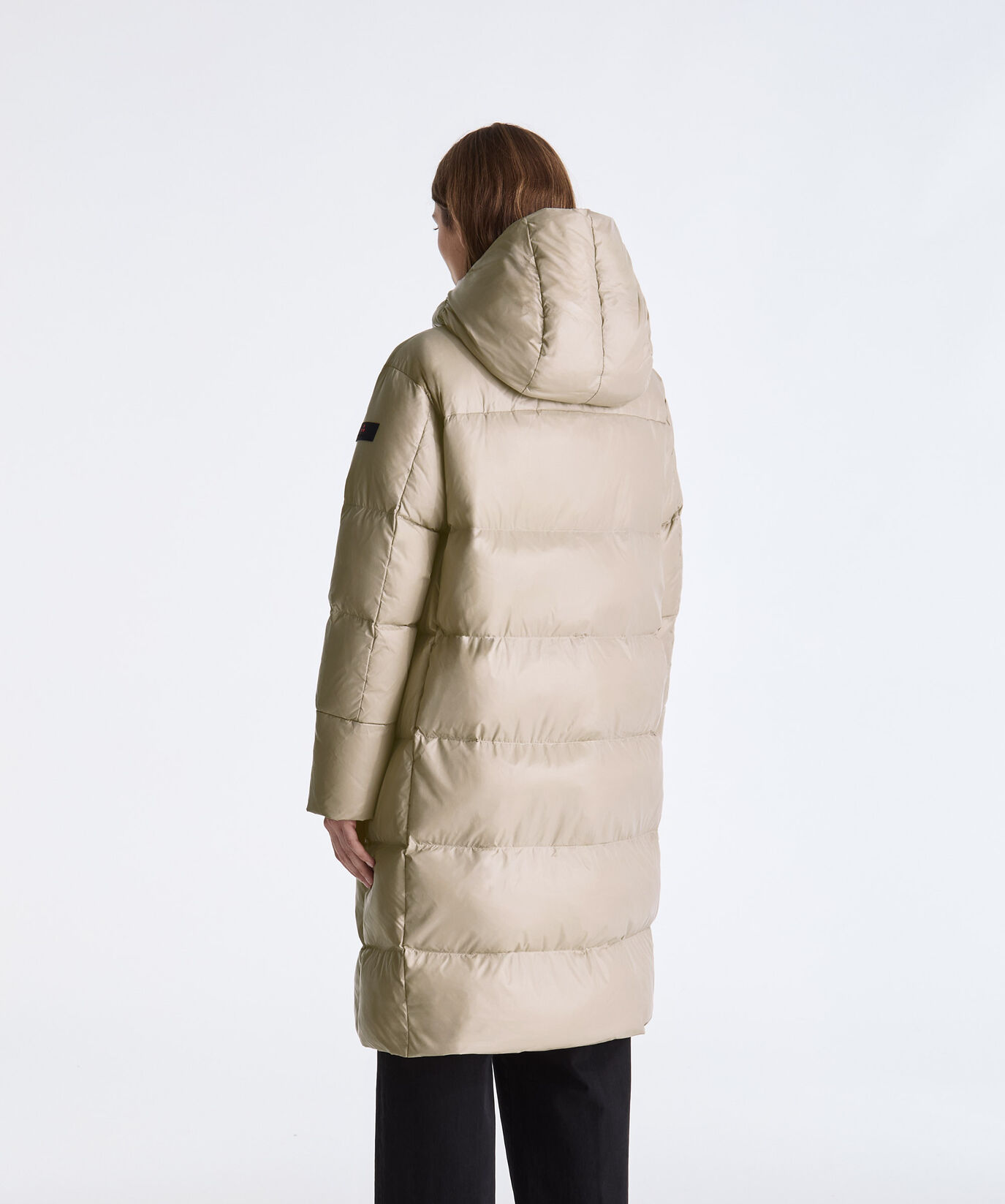
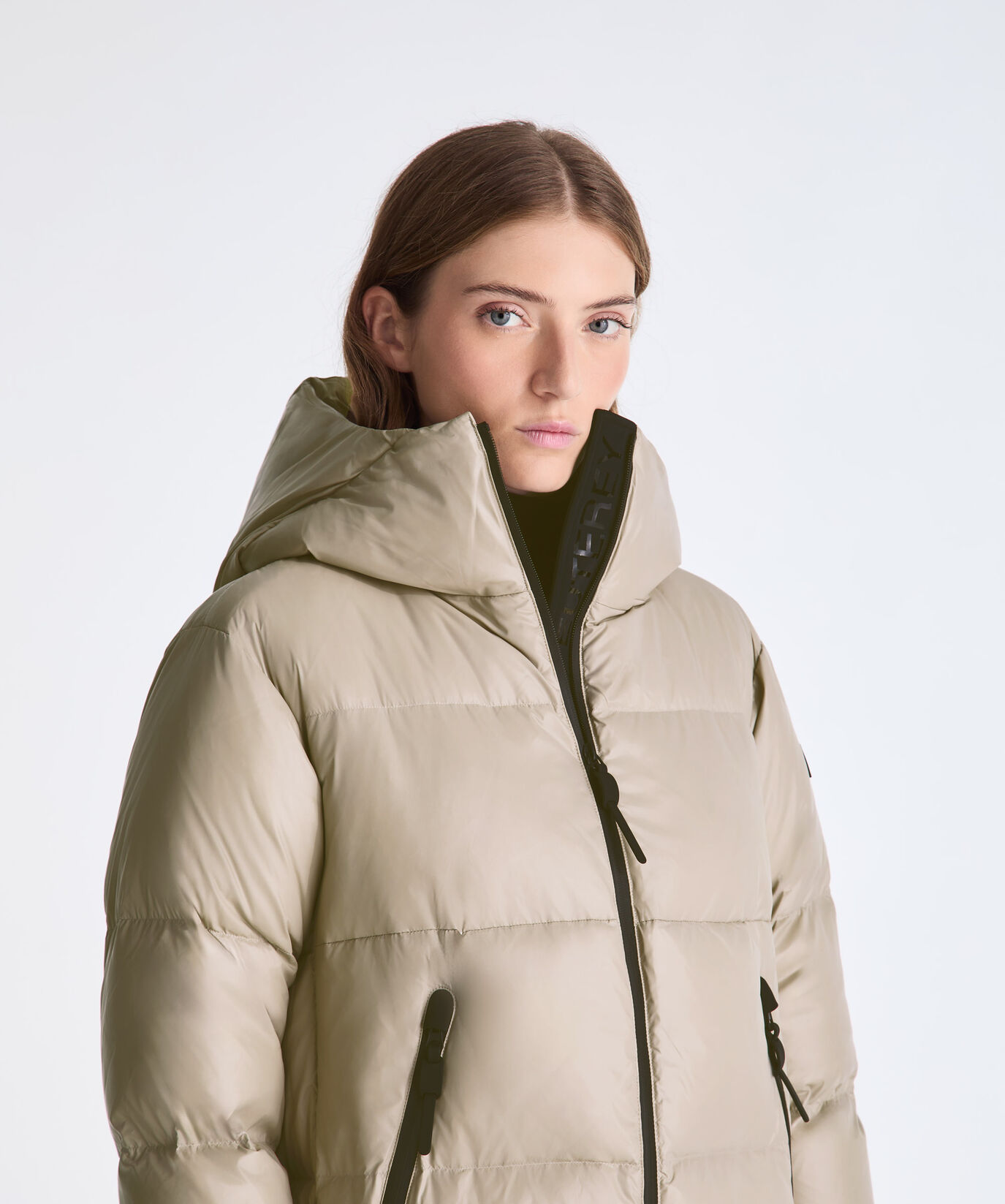
In women's padded parkas, warmth depends on the combination of outer fabric, lining, padding and how well the garment protects the most exposed areas. Winter versions may use down or synthetic padding and have a more enveloping construction; lighter styles prioritise mobility and transitional wear. A women's padded winter parka is particularly useful when you want good coverage over the hips and upper legs without resorting to very formal outerwear. A hood, high collar and protective cuffs, where featured, help limit heat loss.
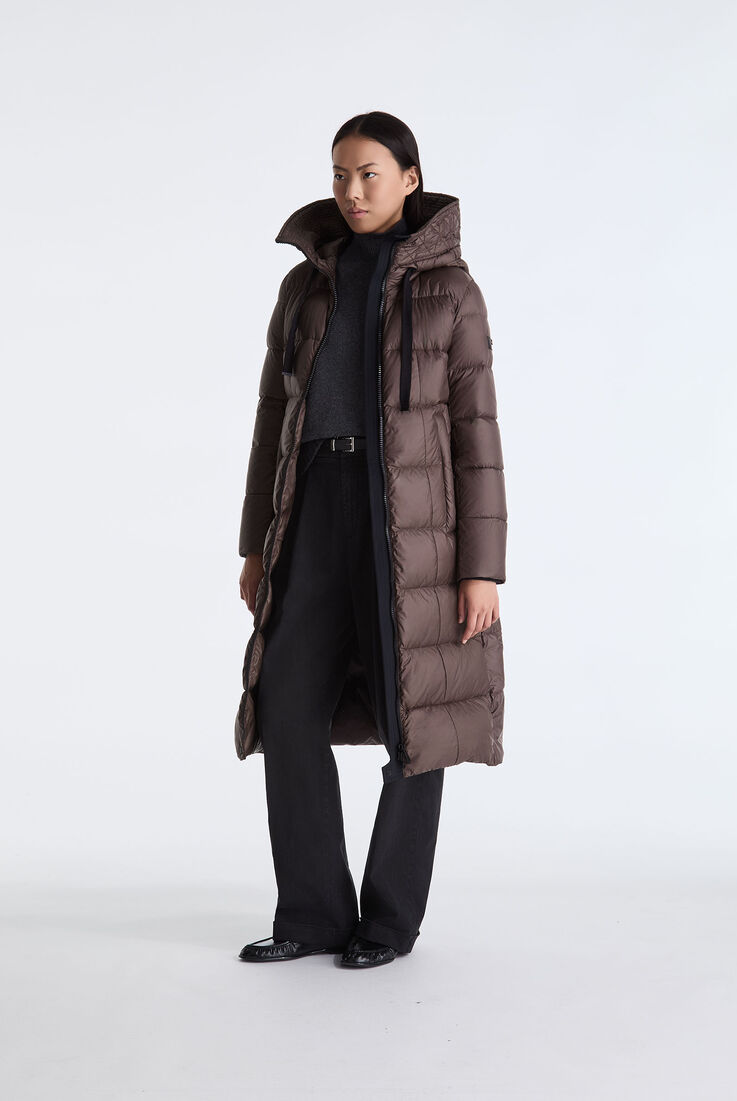
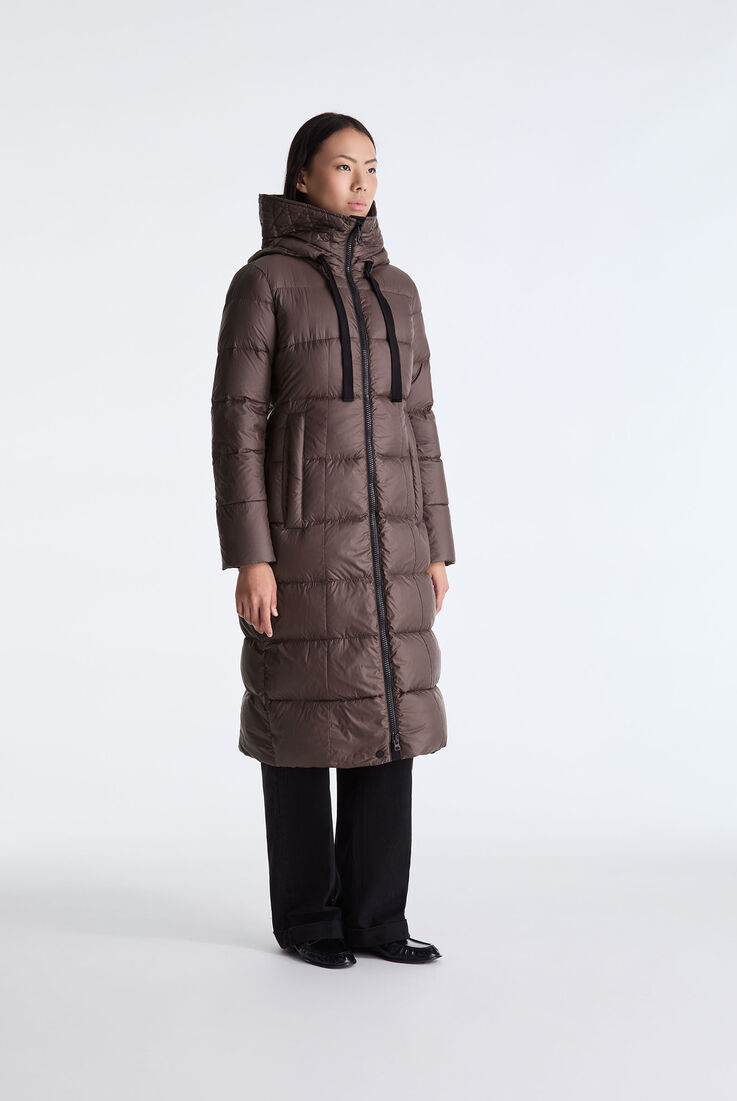
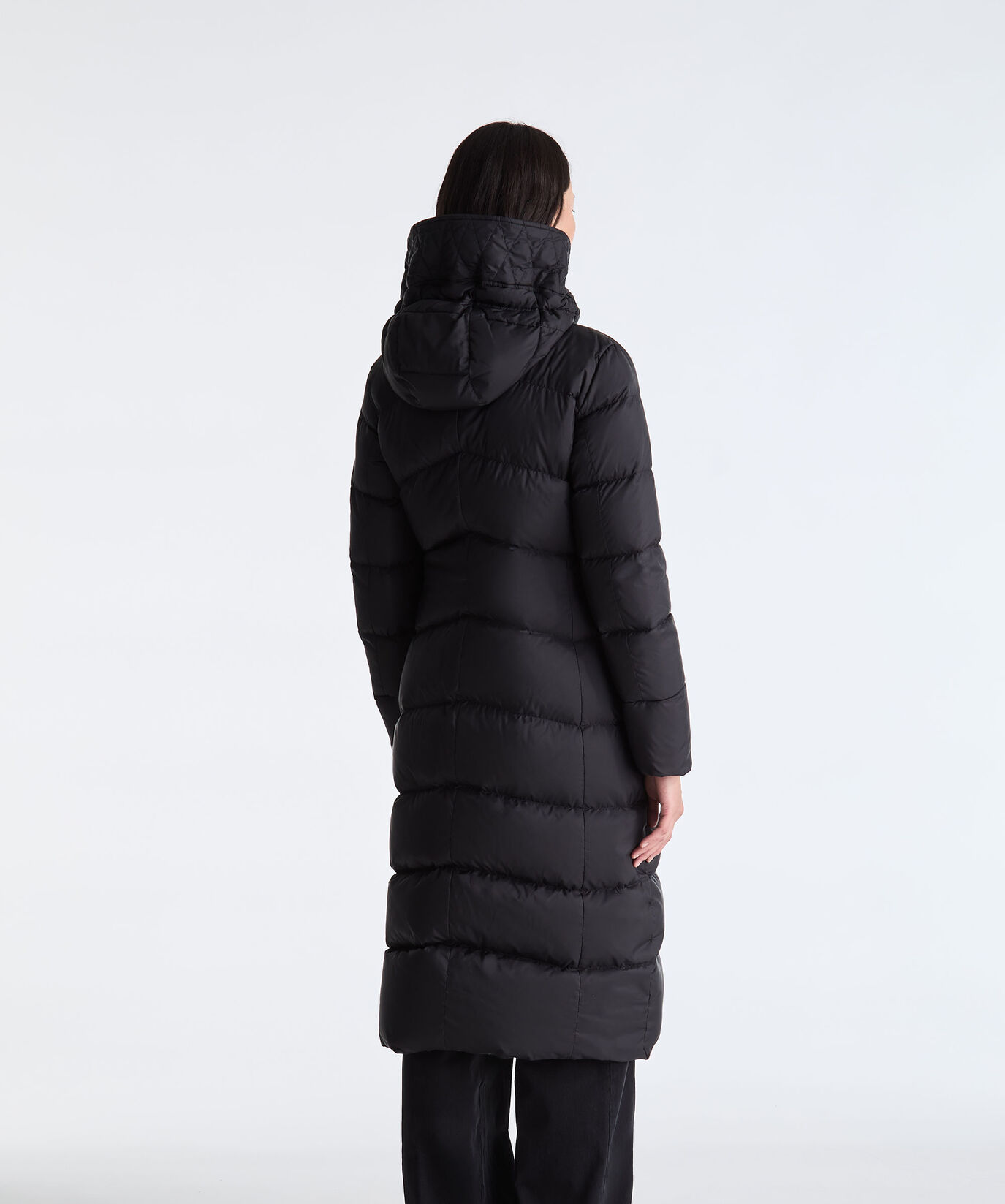
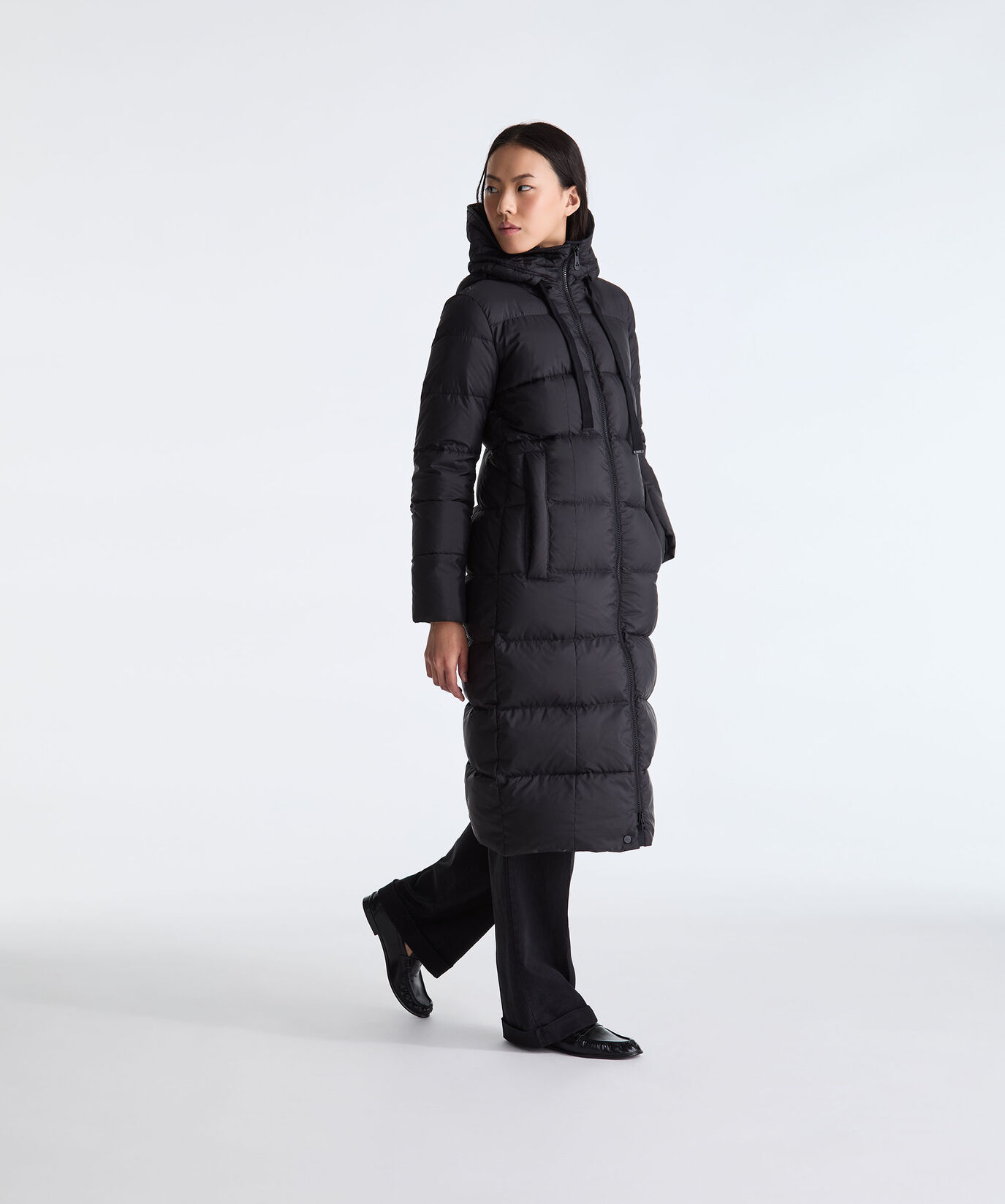
Fit also affects how warm you feel. A closer fit reduces the space inside and keeps a defined line, while a regular construction makes it easier to layer knitwear and other pieces. Mid lengths are agile for everyday life; longer ones increase coverage and may be preferable when you're outside for longer. So before choosing a women's parka, think not only about the outside temperature but also about how you'll wear it throughout the day.
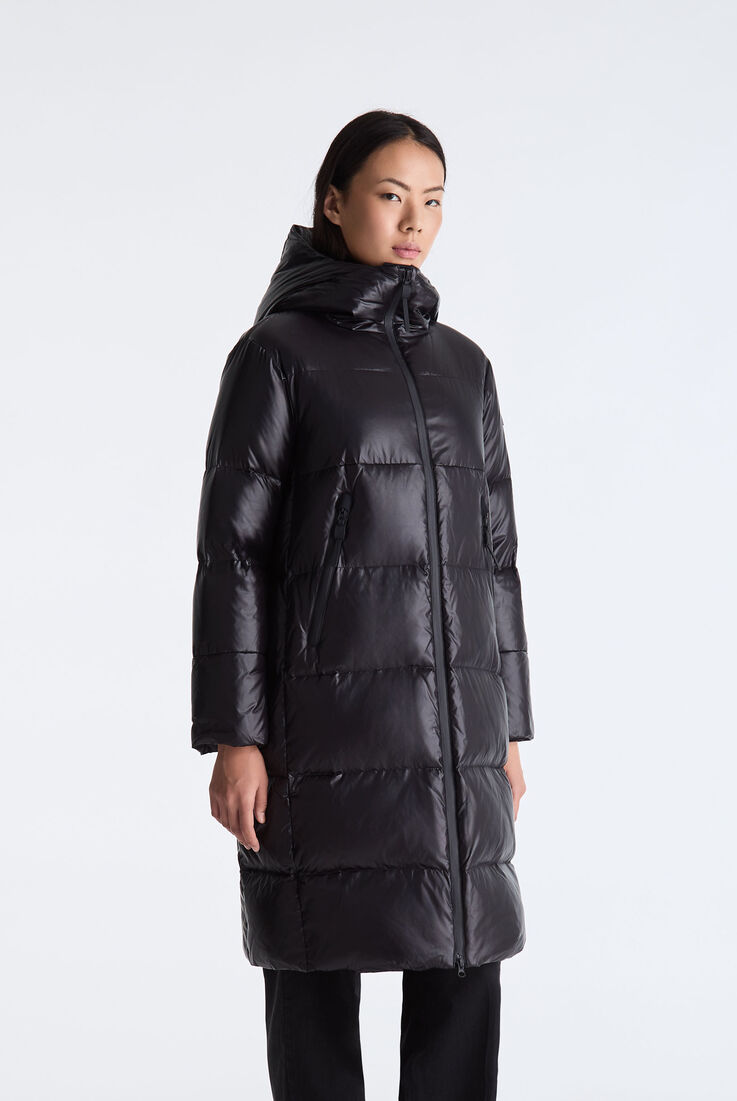
Parkas and puffer jackets may share padding, but they aren't the same thing. A parka is defined mainly by its construction: it tends to be mid to long, with a functional design and details such as a hood, external pockets and storm-flap fastenings. A puffer jacket, by contrast, is identified mainly by its padding and the quilting that distributes it. If you're after a more technical, structured silhouette, you may prefer a parka; if warmth-to-weight is your priority, take a look at women's winter puffer jackets.
When it comes to a women's waterproof or rainproof parka, it's important to distinguish between different levels of protection. A water-repellent treatment helps the fabric shed light rain and splashes, while true waterproofing depends on construction, membrane, seams and specific finishes. Wind resistance is a separate feature and can make all the difference on cold, dry days. For everyday use, always read the product page and consider the weather you face most often, rather than assuming all technical fabrics perform the same. In a padded waterproof parka, where the style's construction allows for it, outer protection and insulation should be assessed together.
A well-chosen technical fabric should also stay comfortable as you move. Stretch, handle and weight affect freedom of movement as much as protection does. Bonded or multi-layer versions can offer more structure, while lighter fabrics prioritise flexibility and versatility. A rain parka for the city should therefore combine protection and wearability, without necessarily looking like specialist outdoor gear.
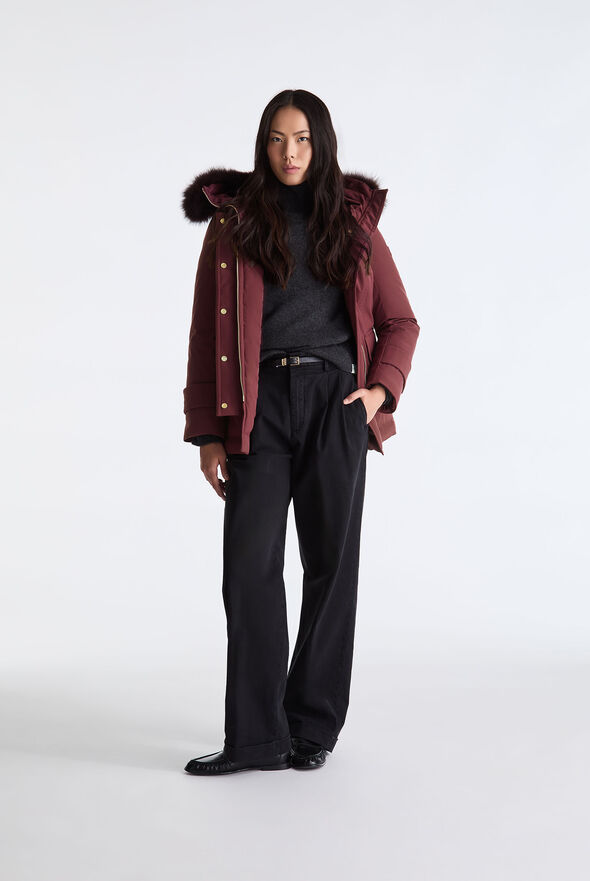
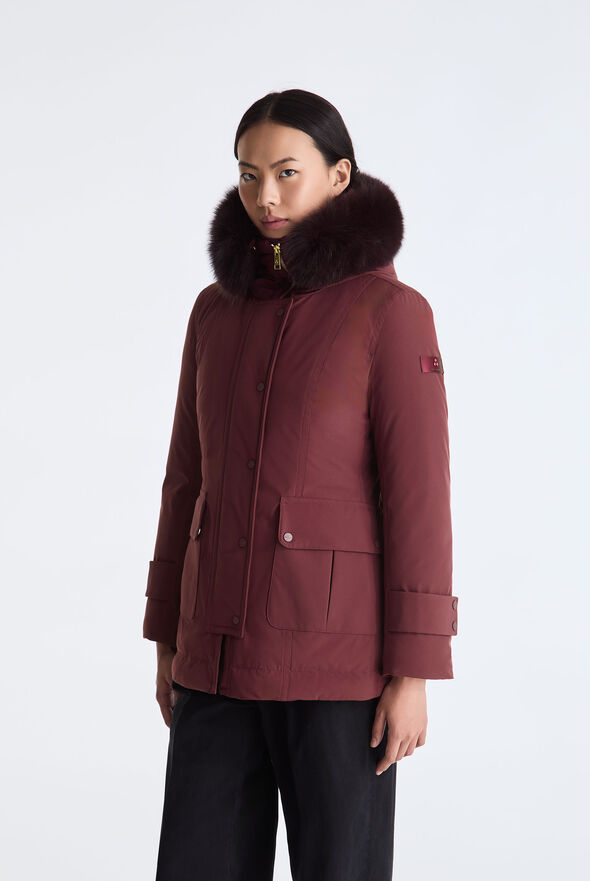
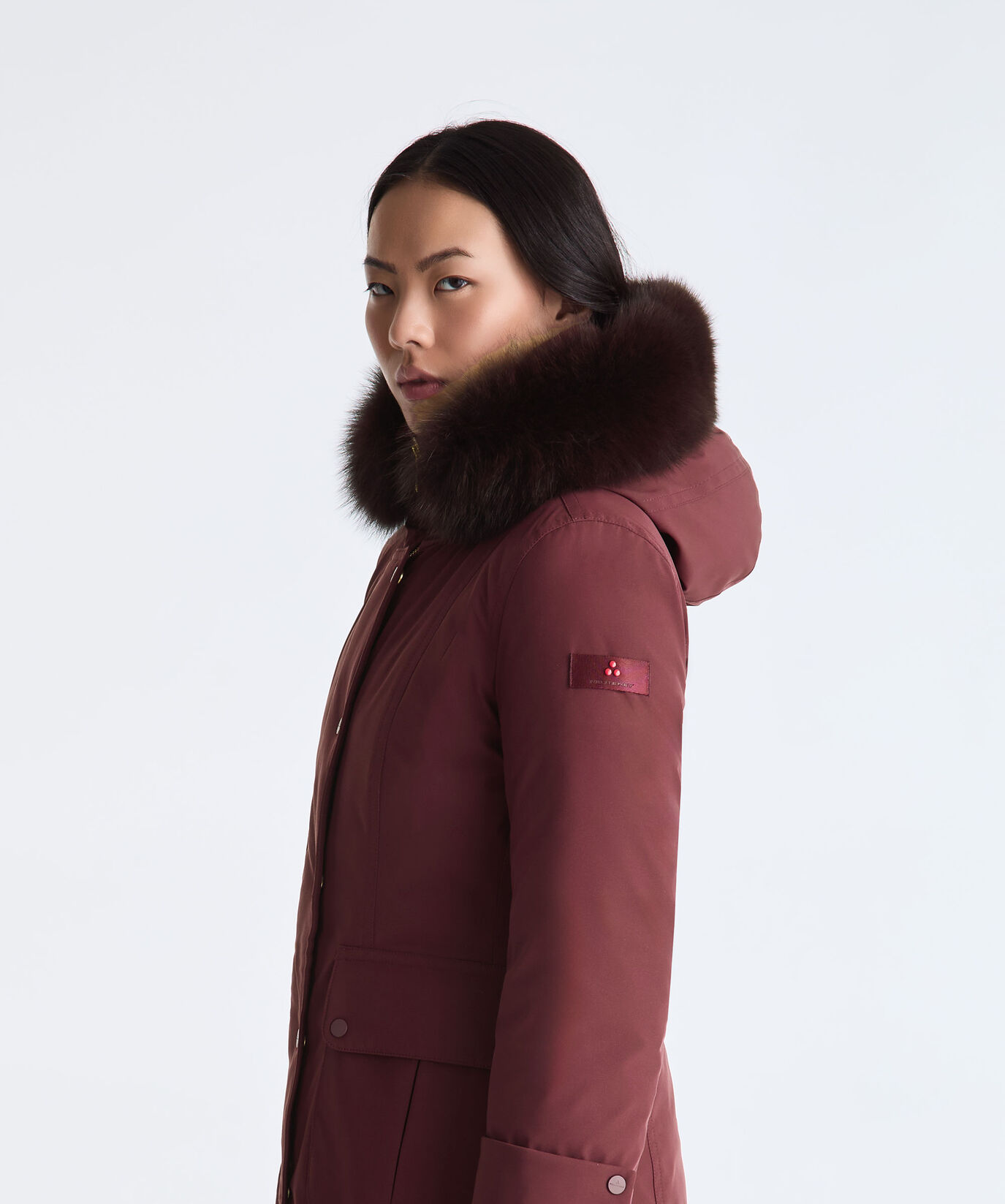
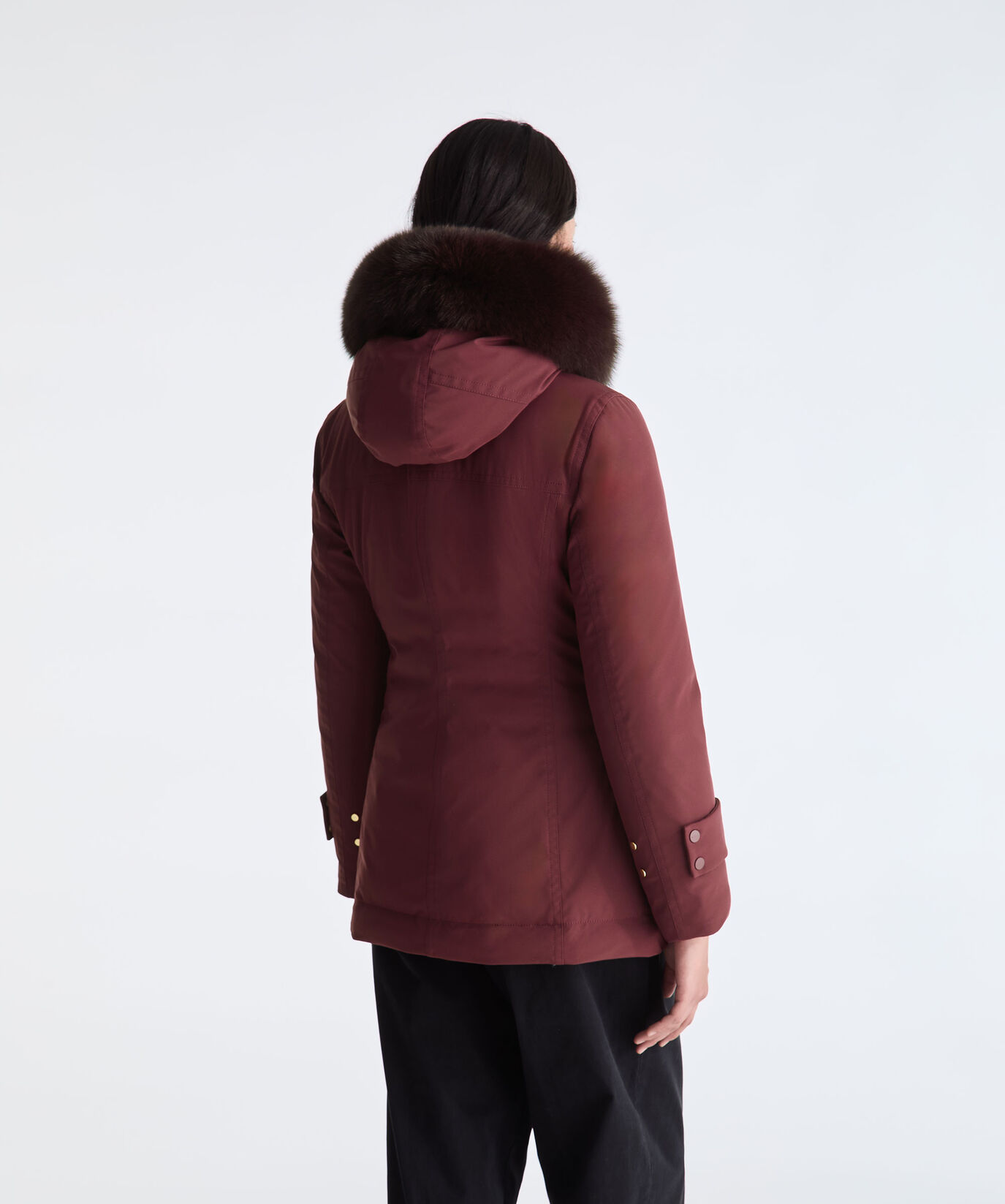
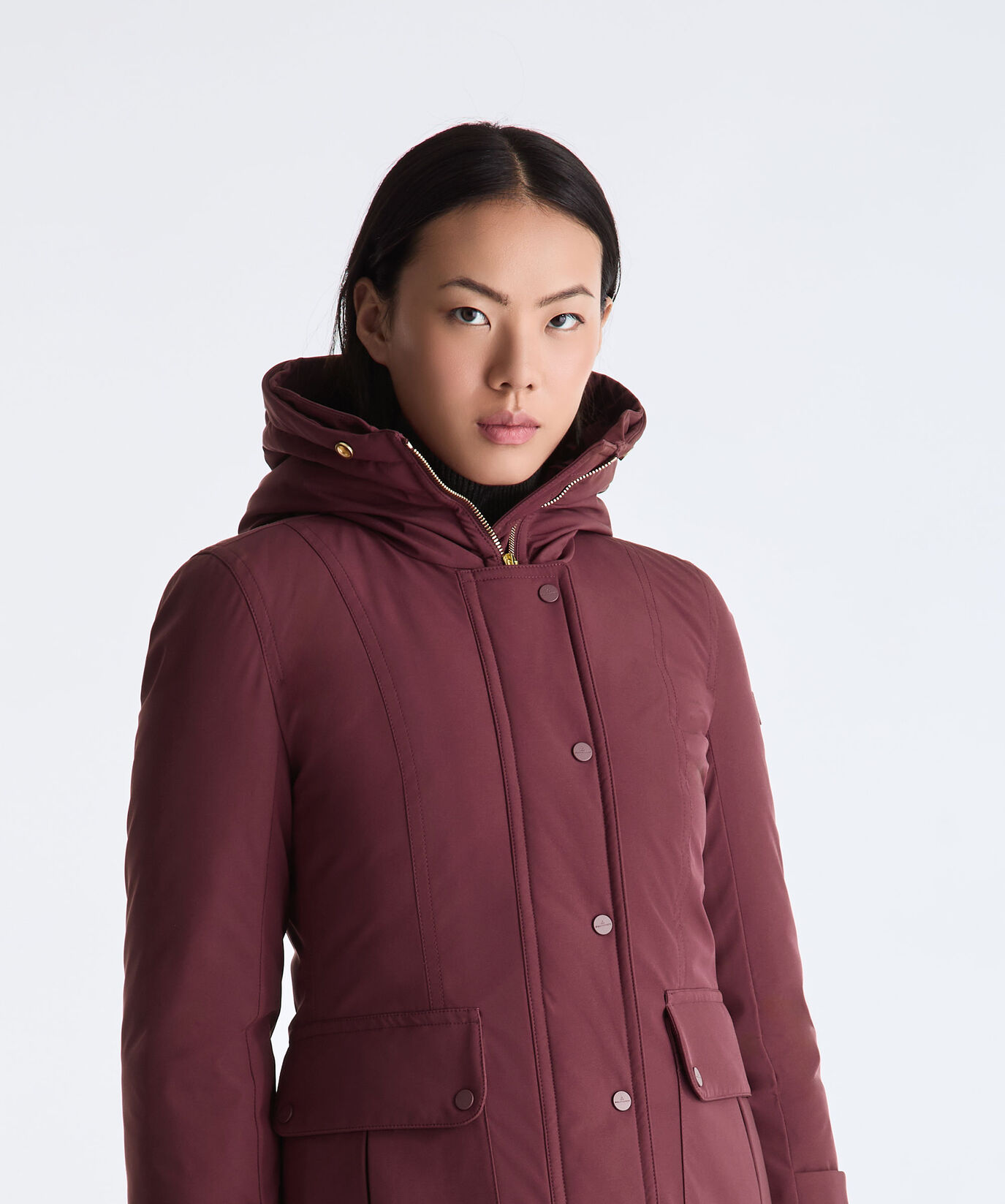
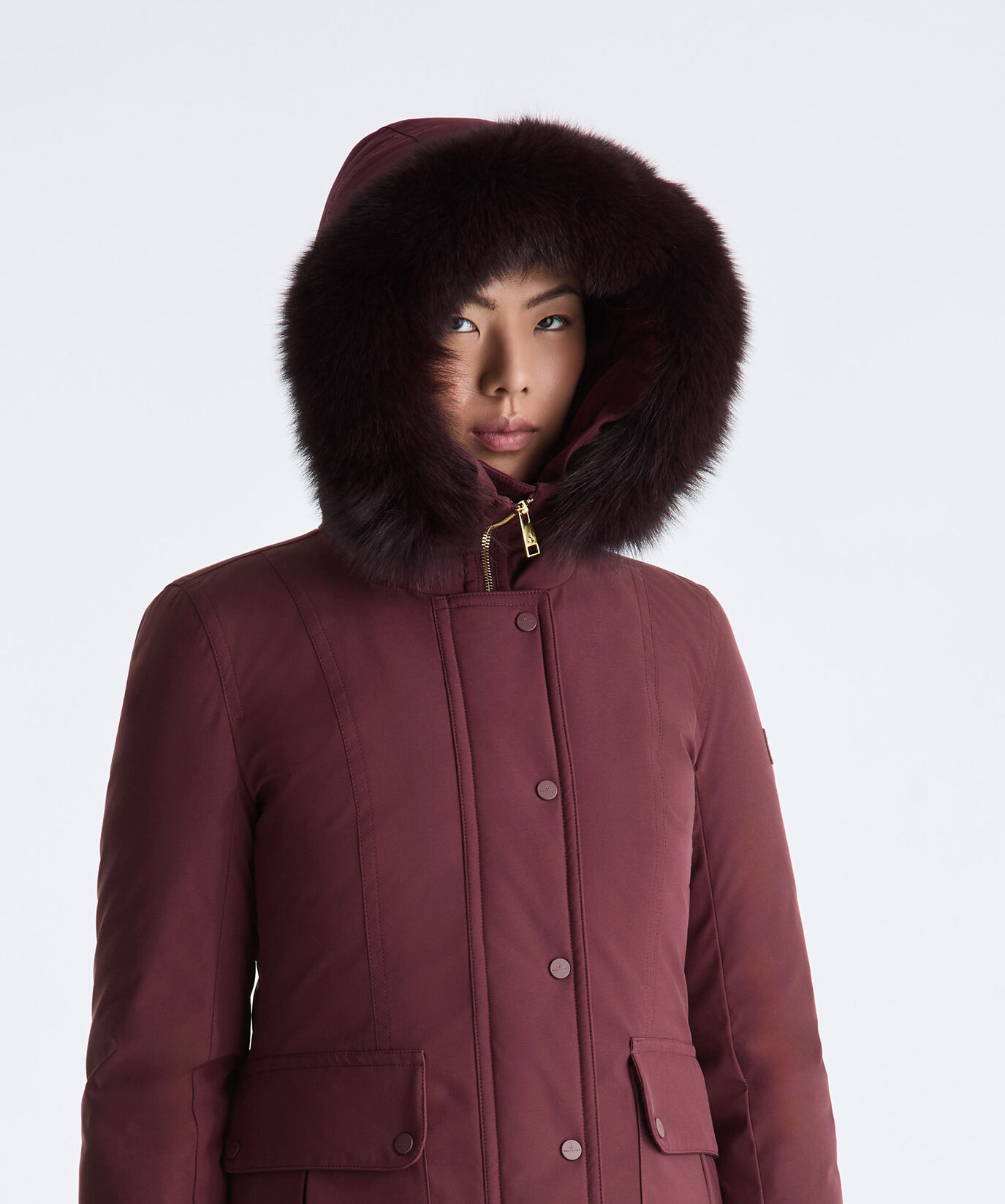
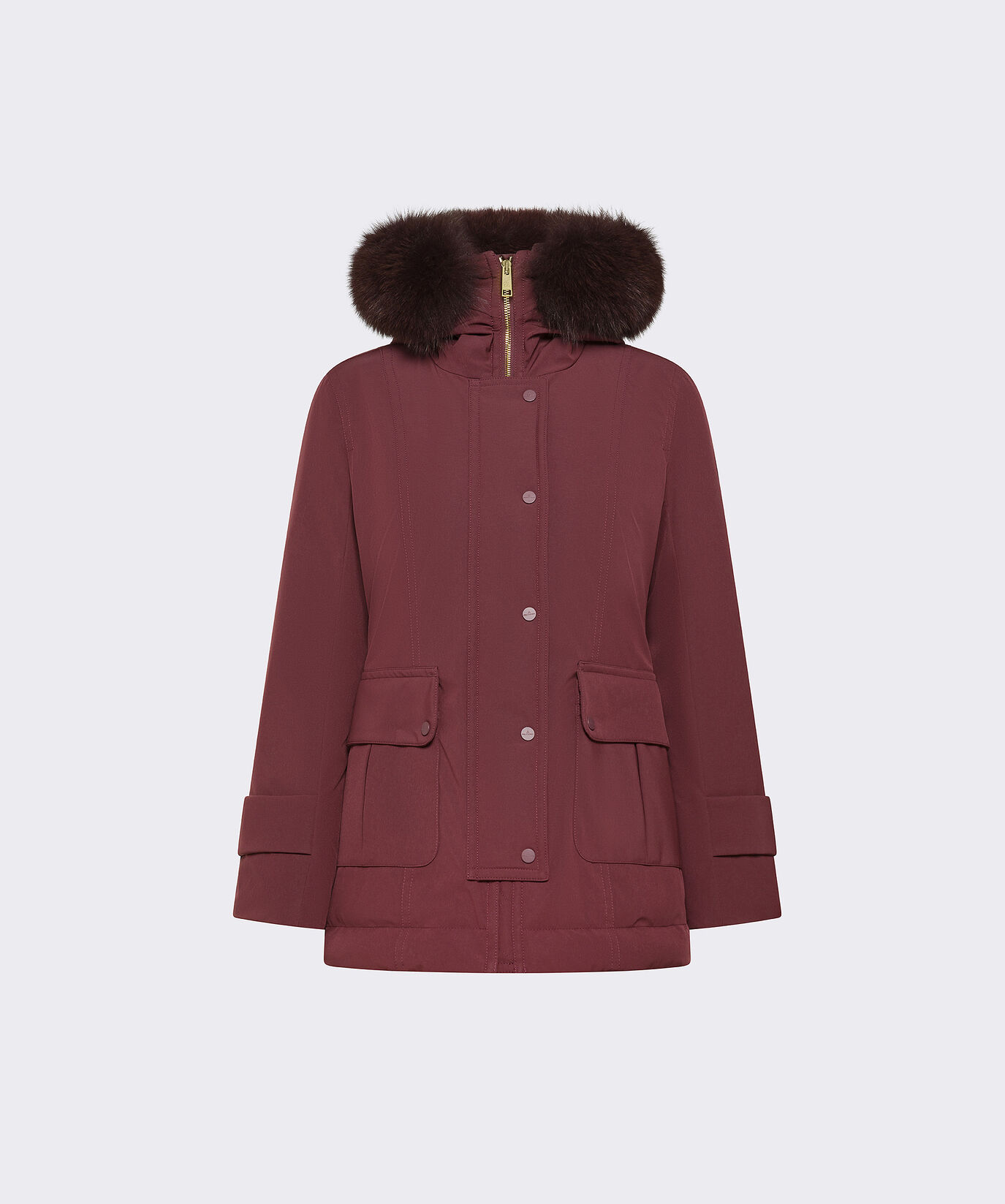
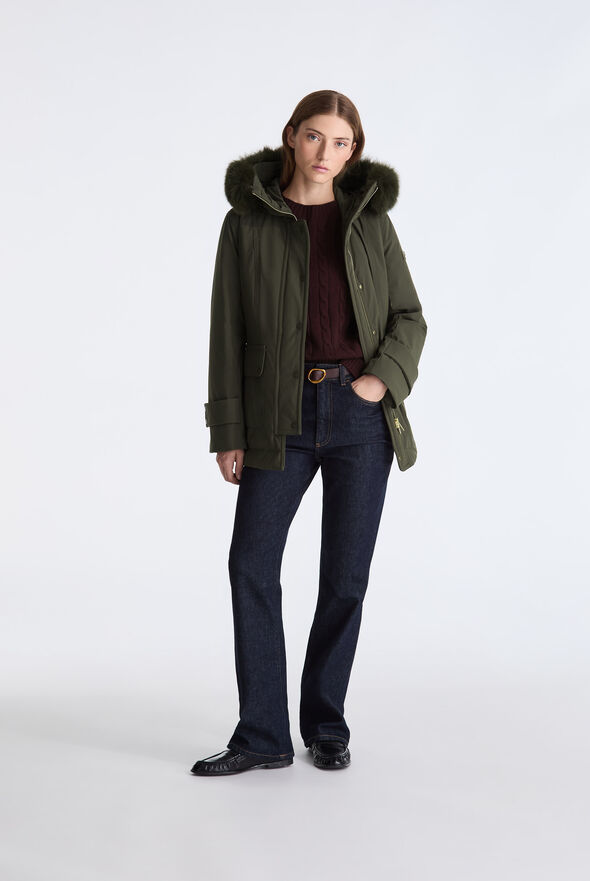
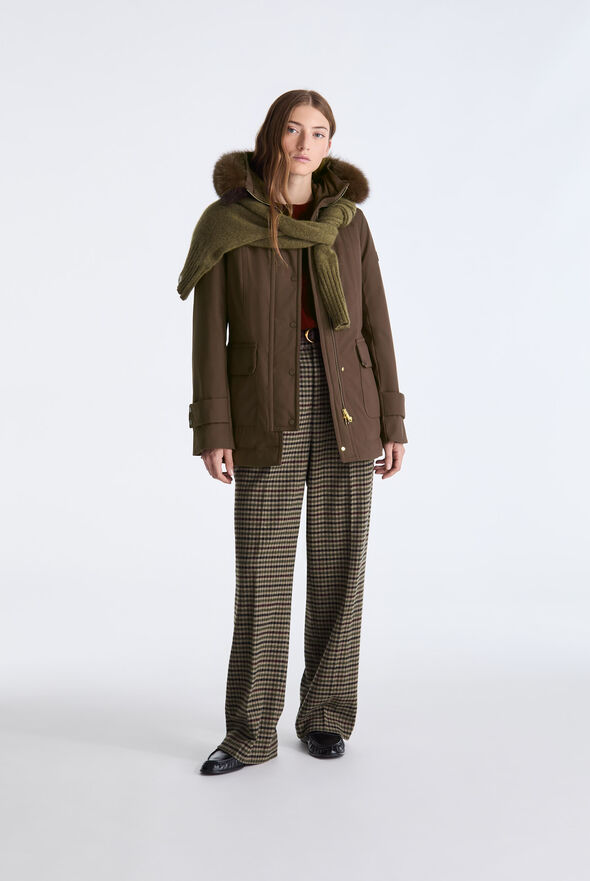
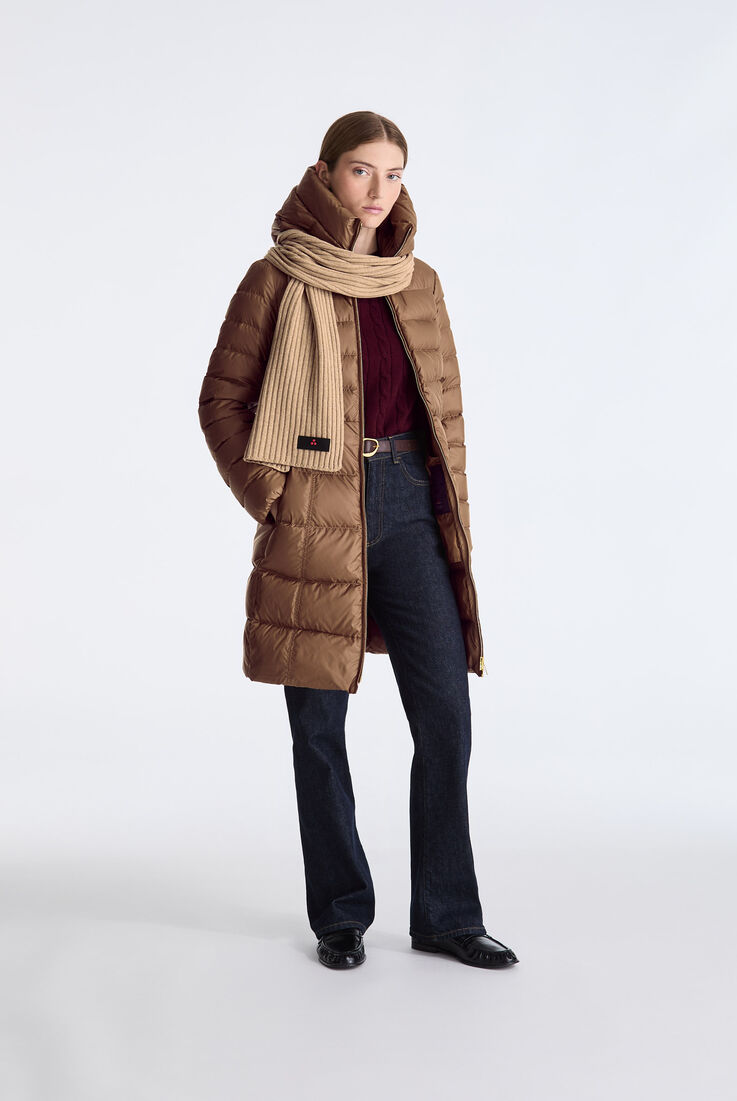
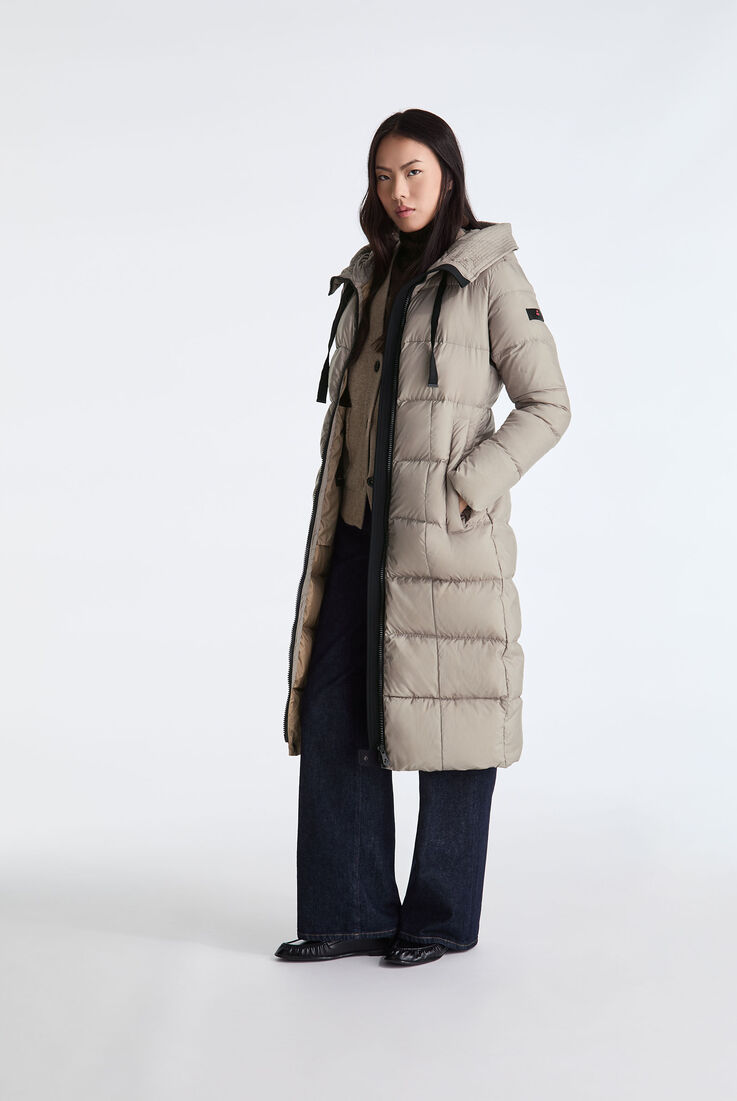
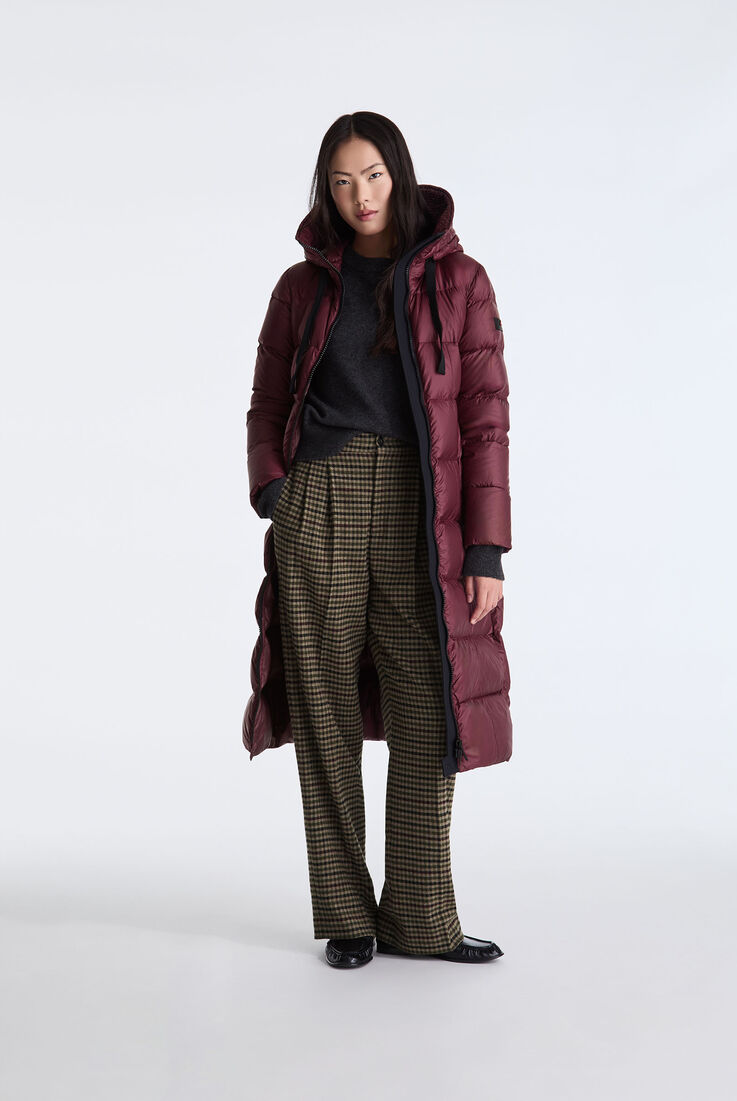
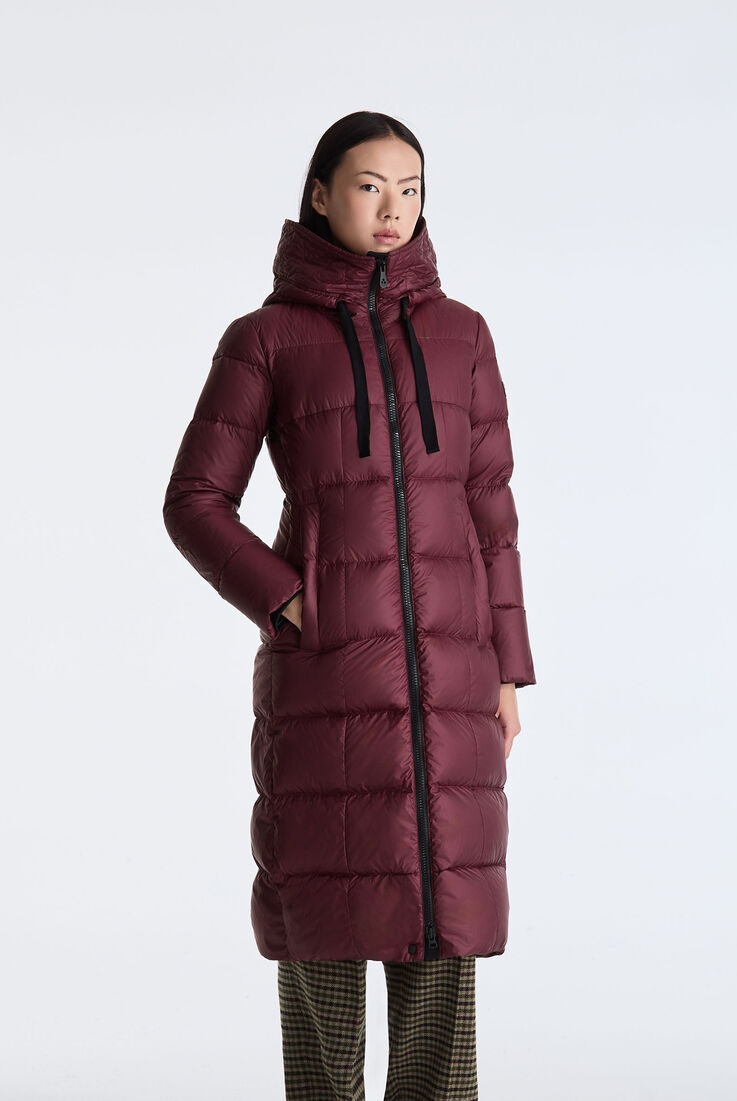
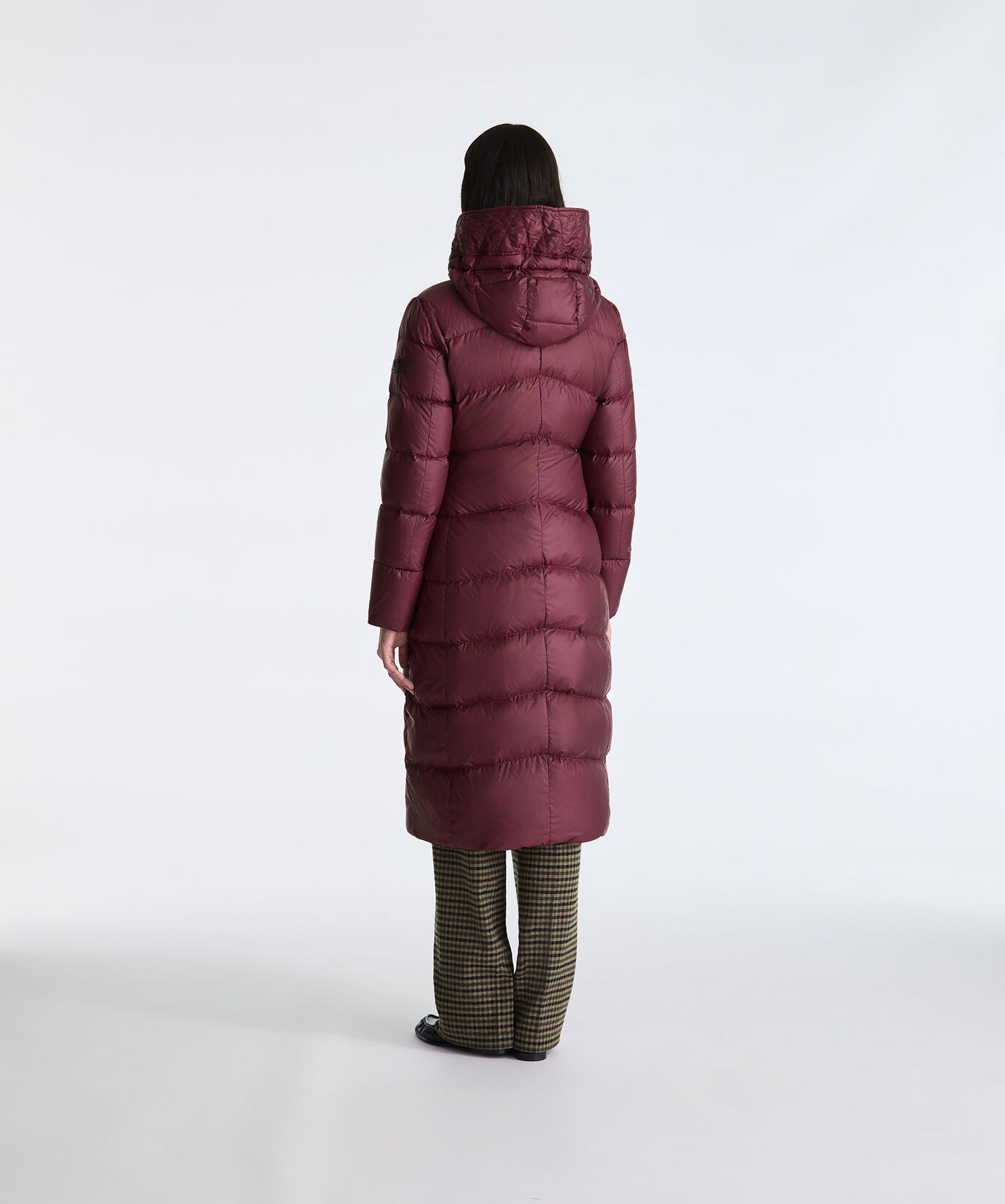
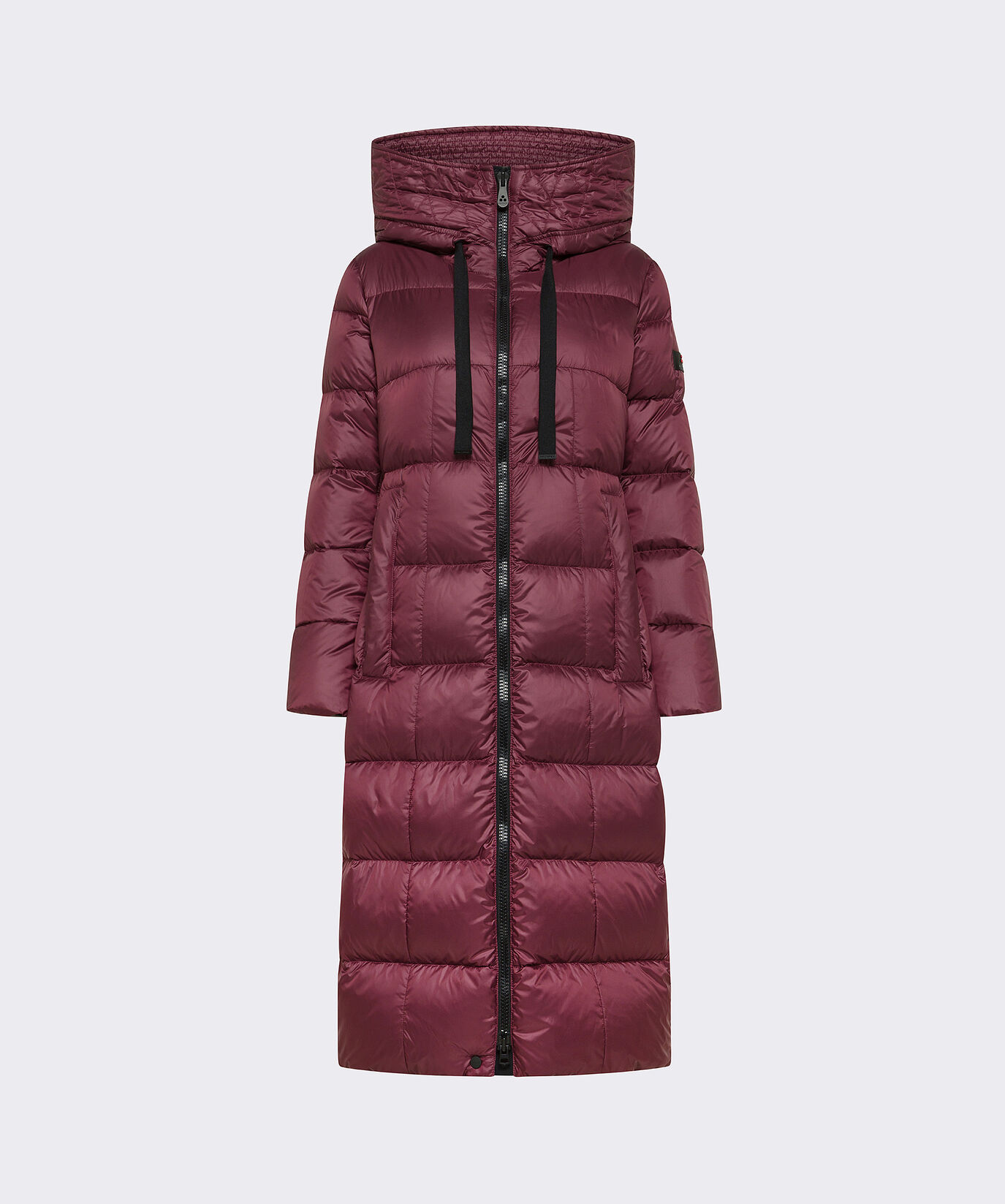
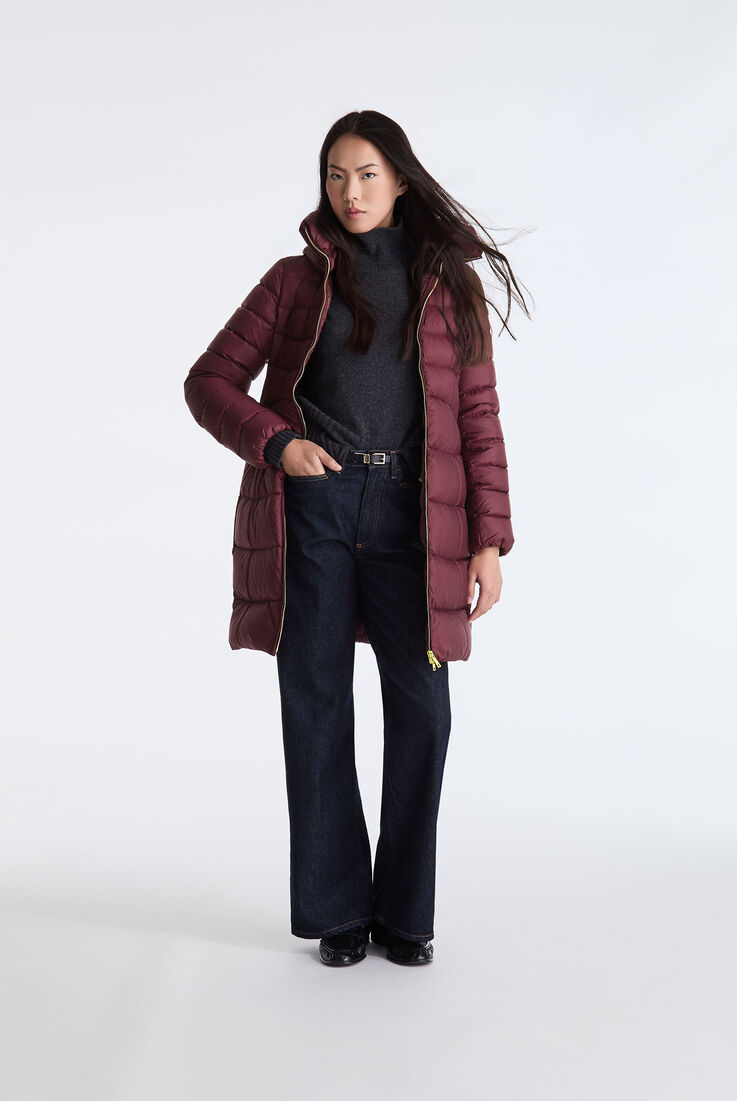
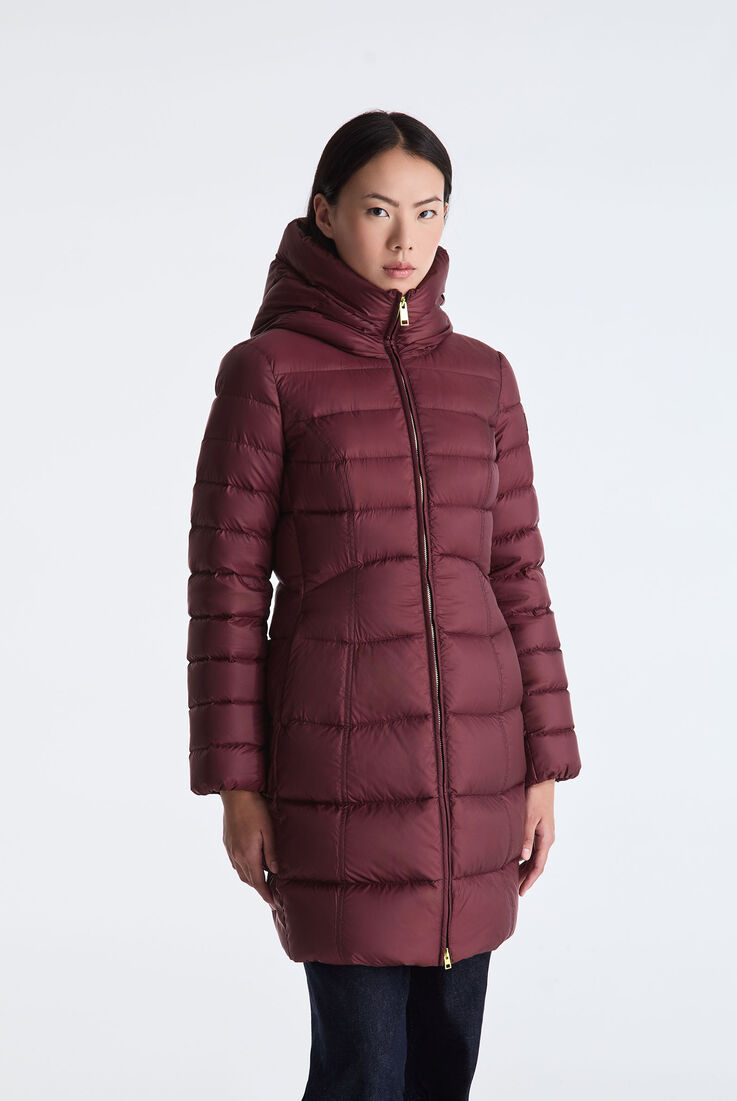
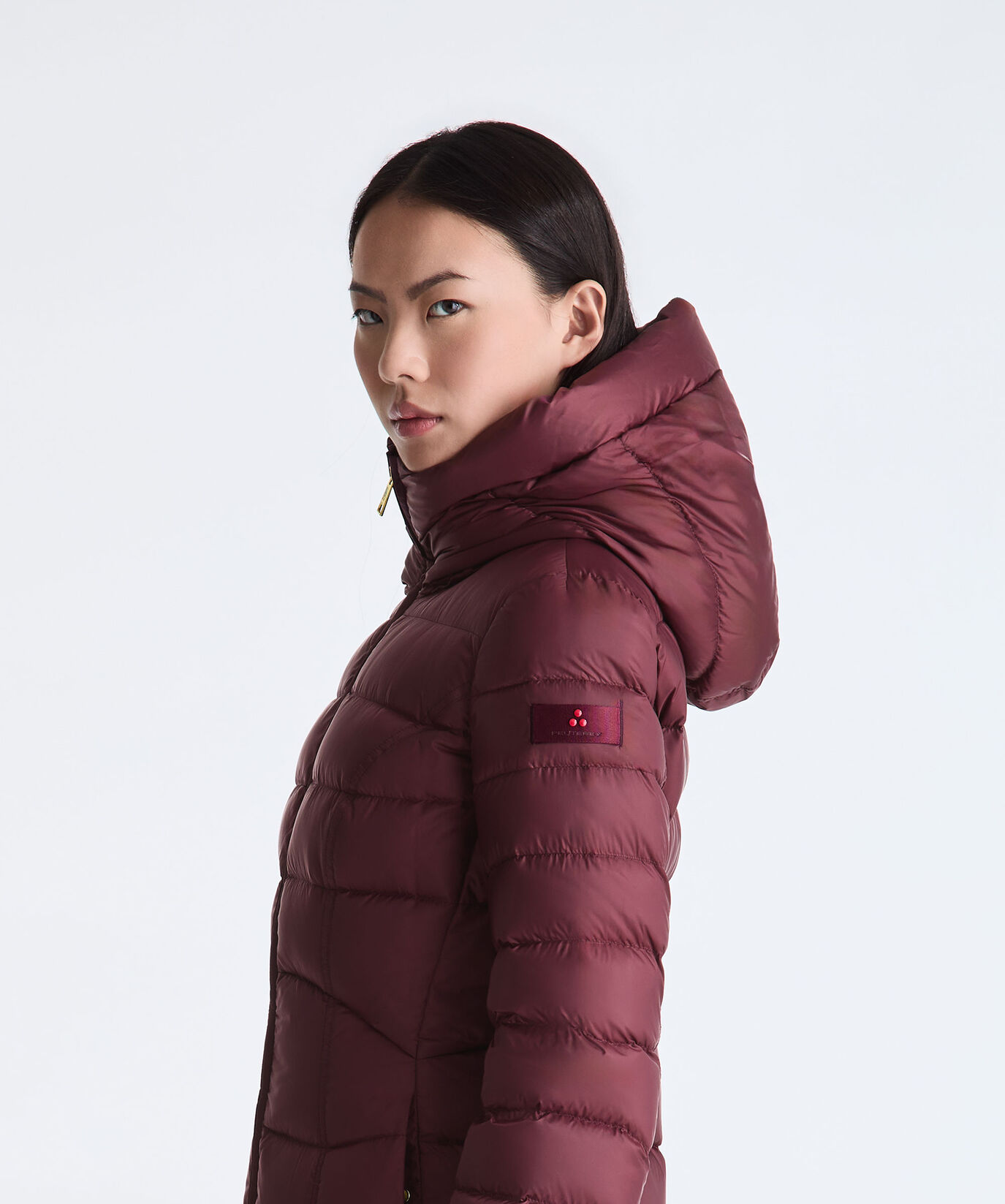
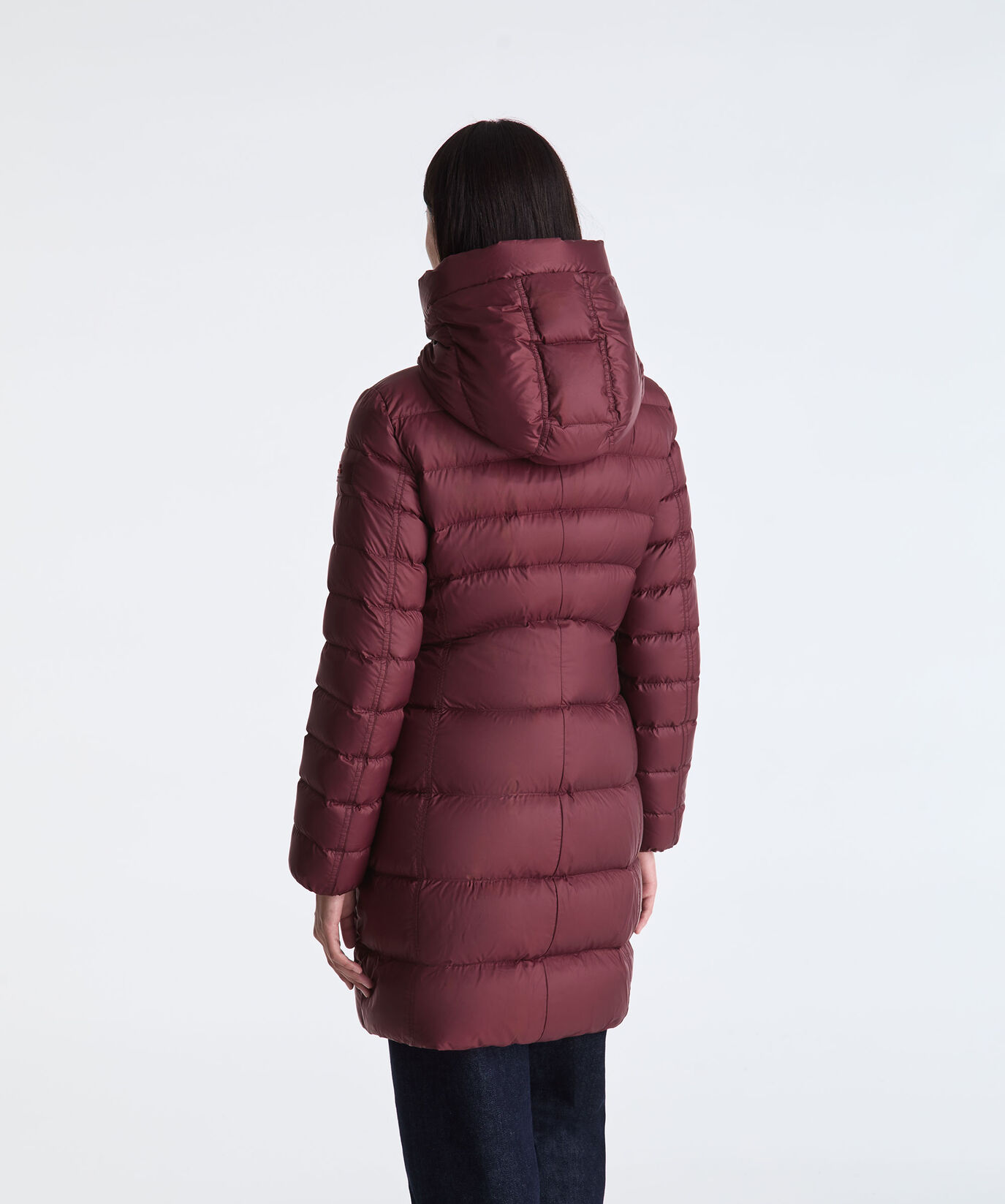
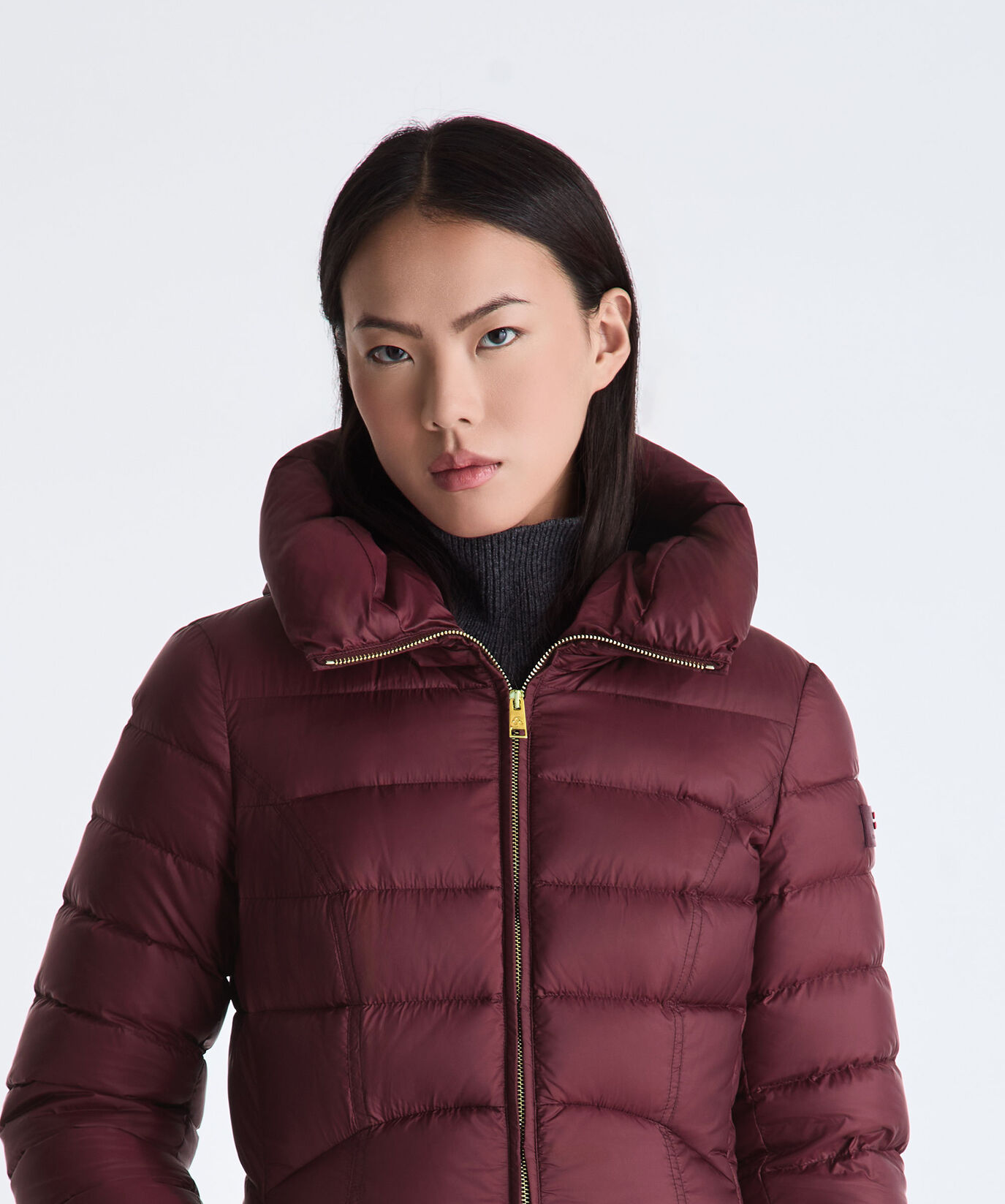
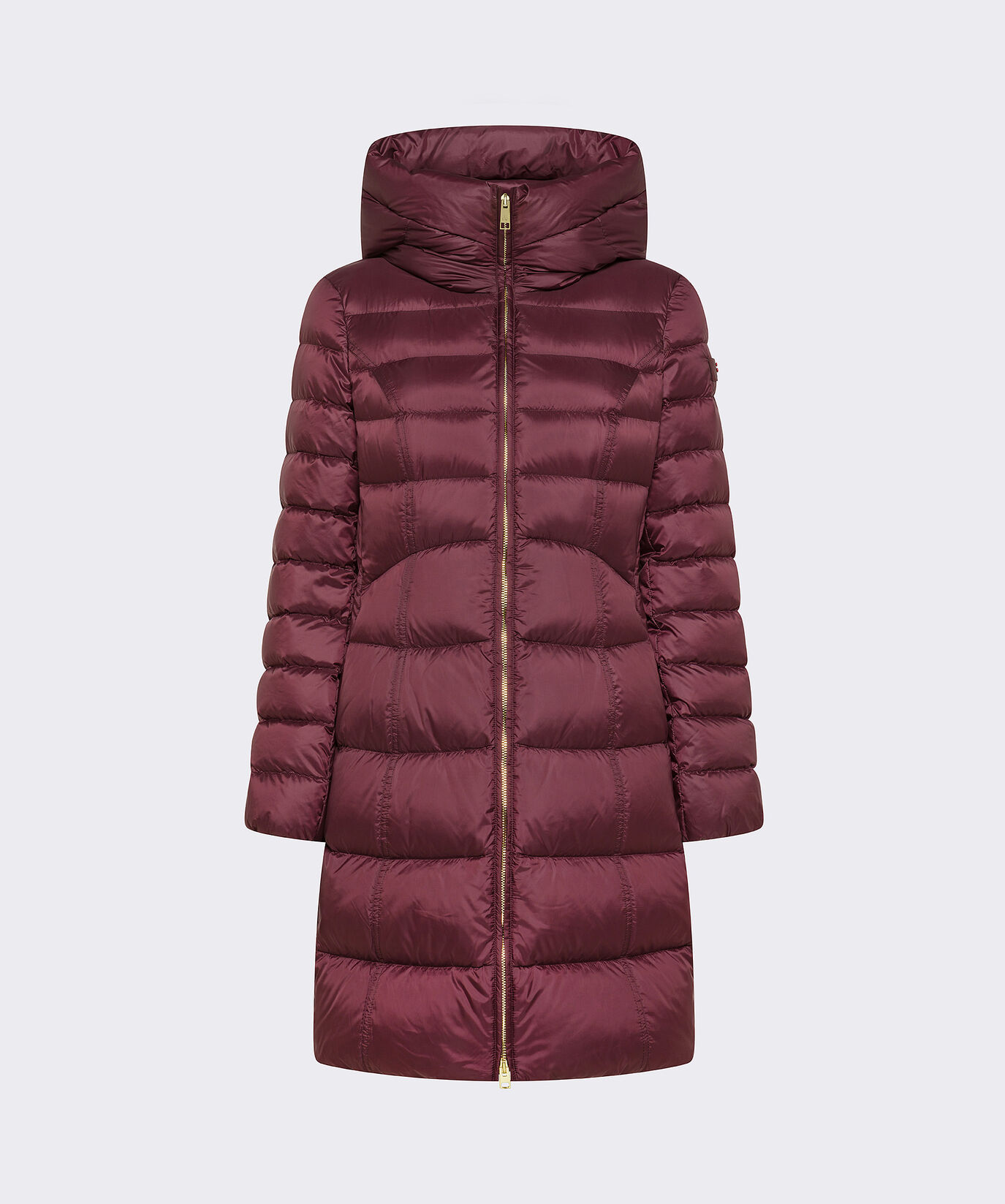
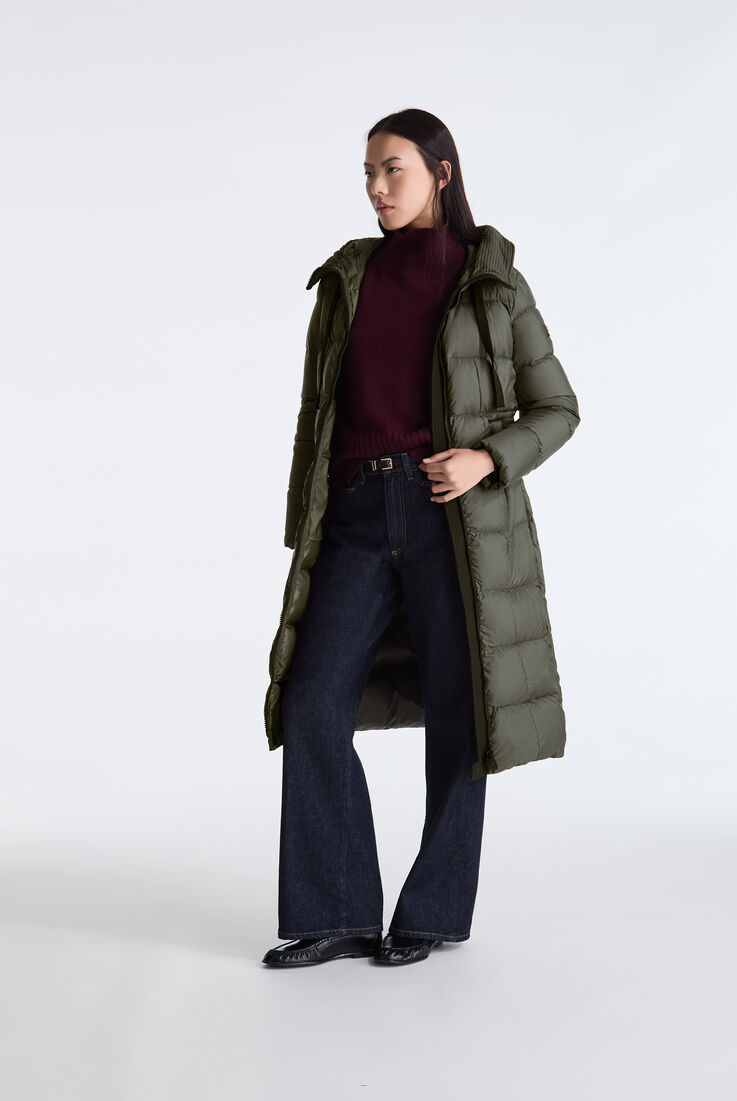
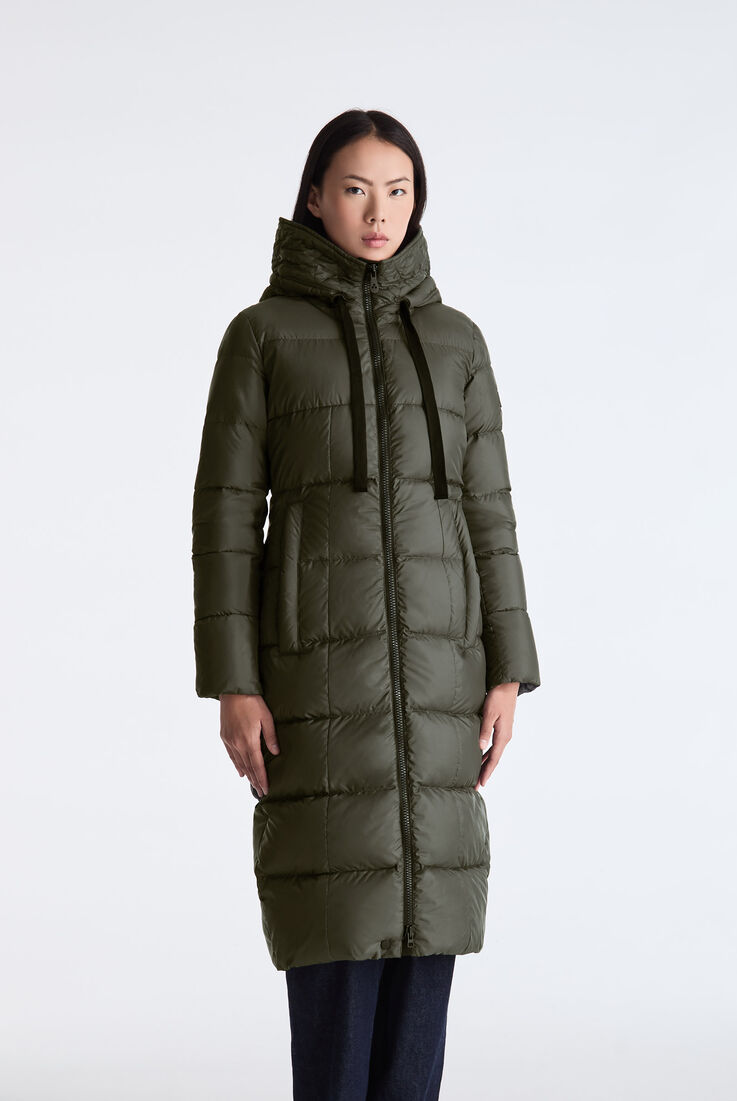
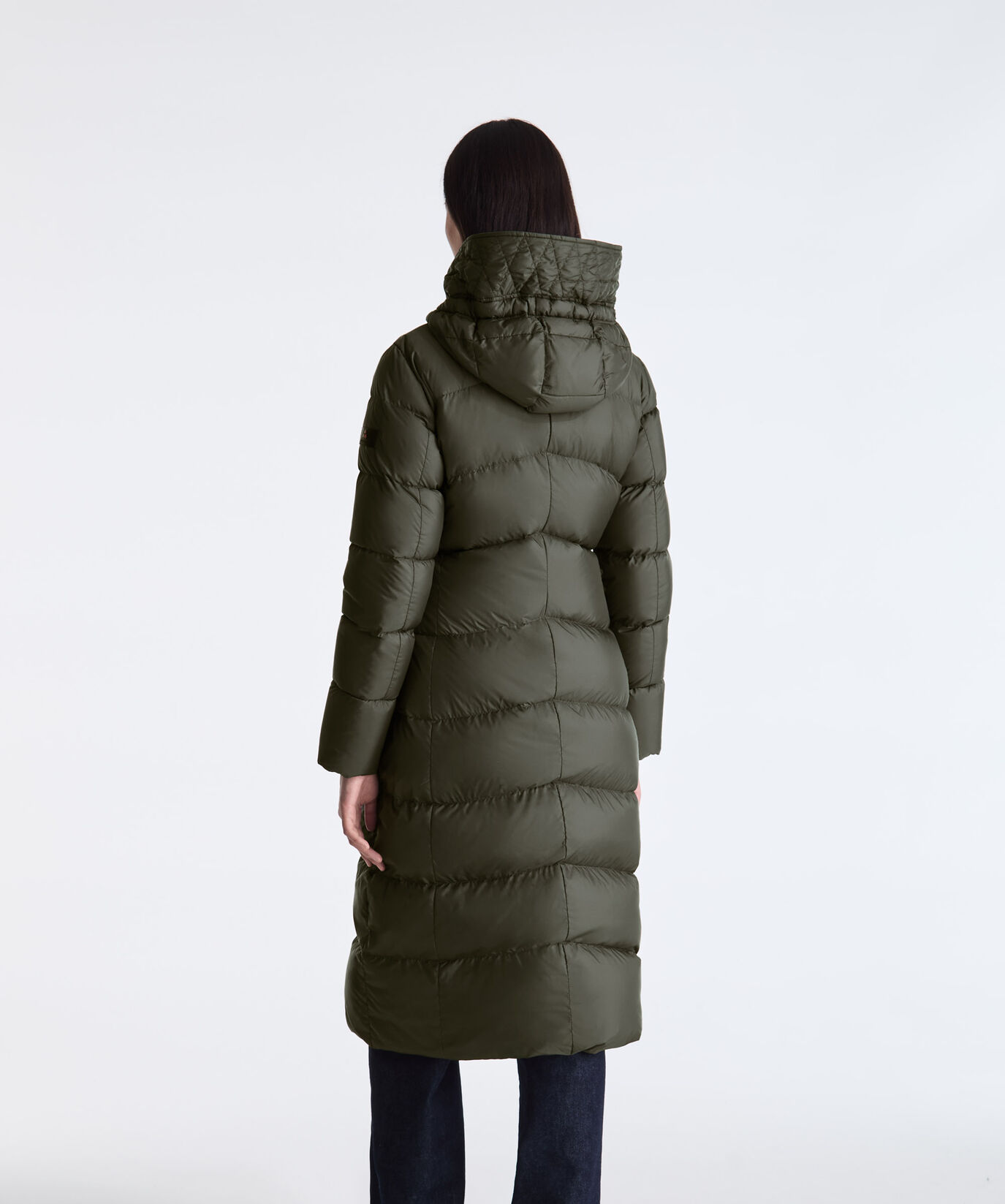
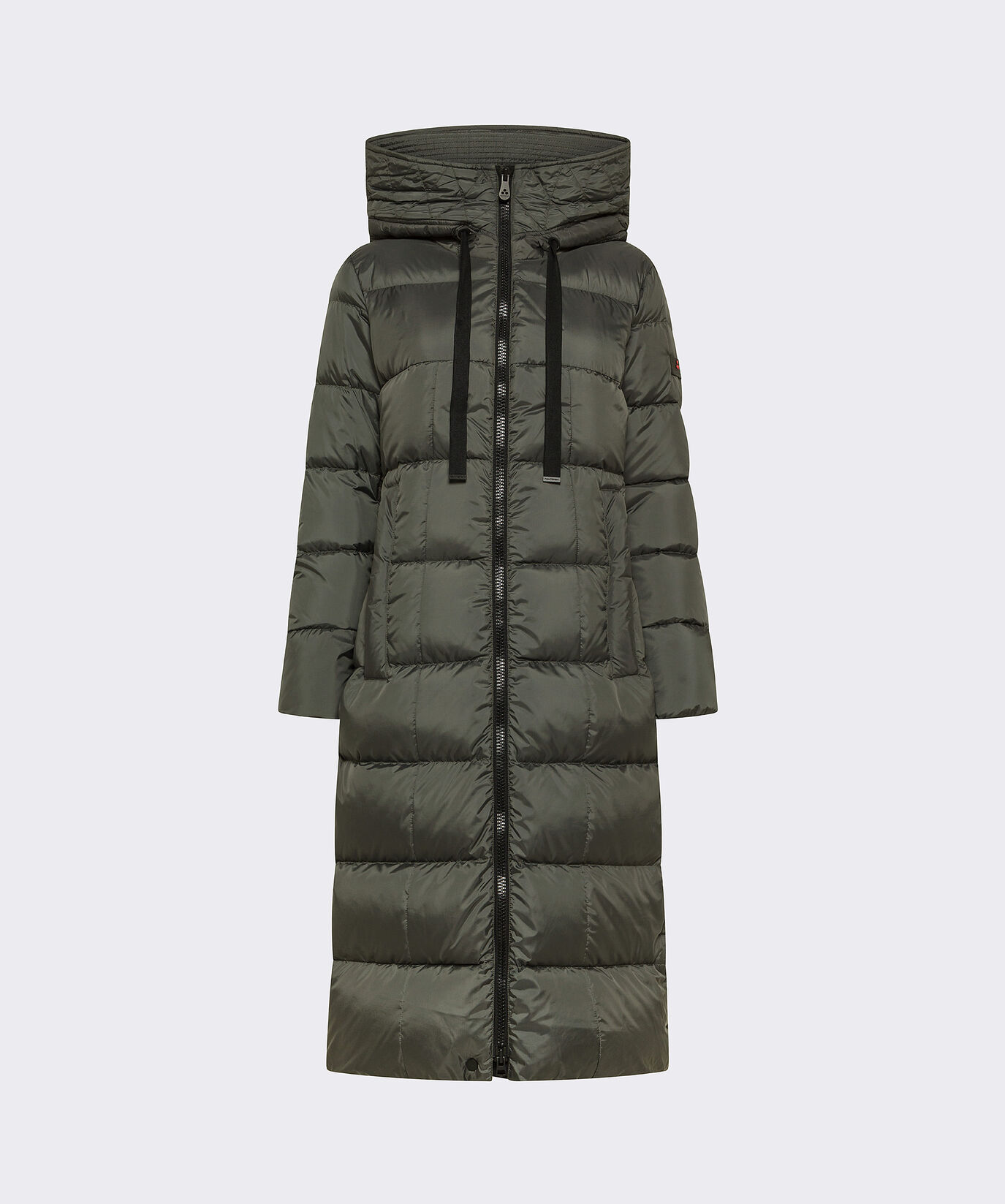
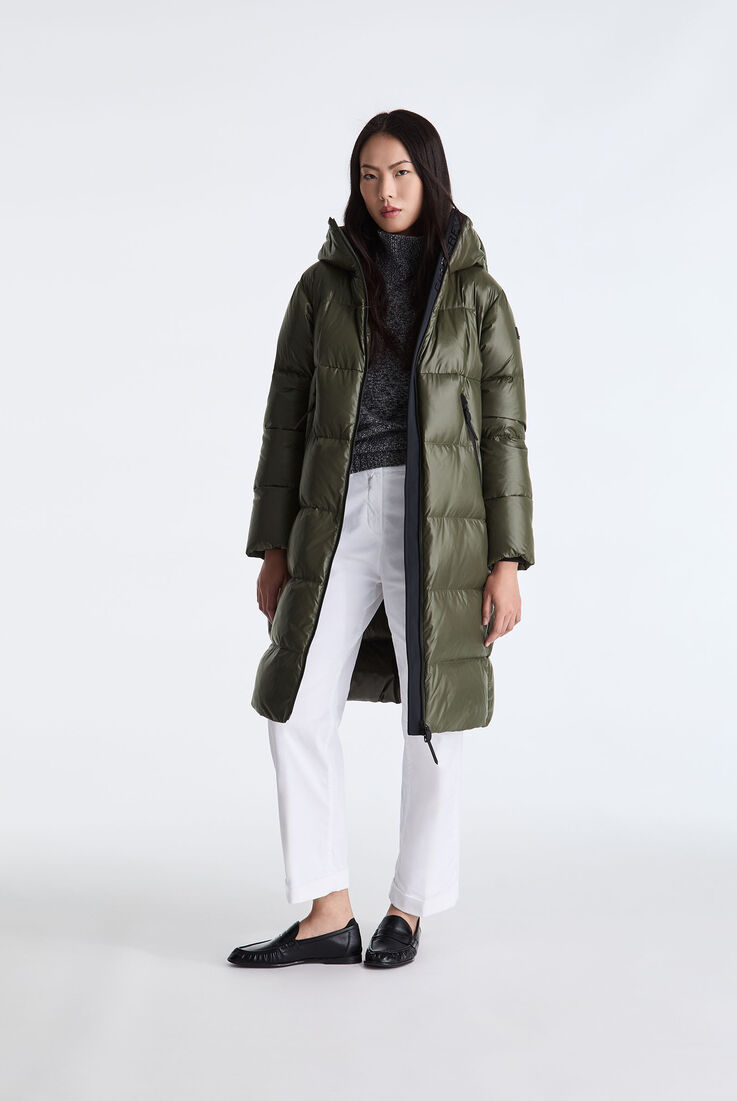
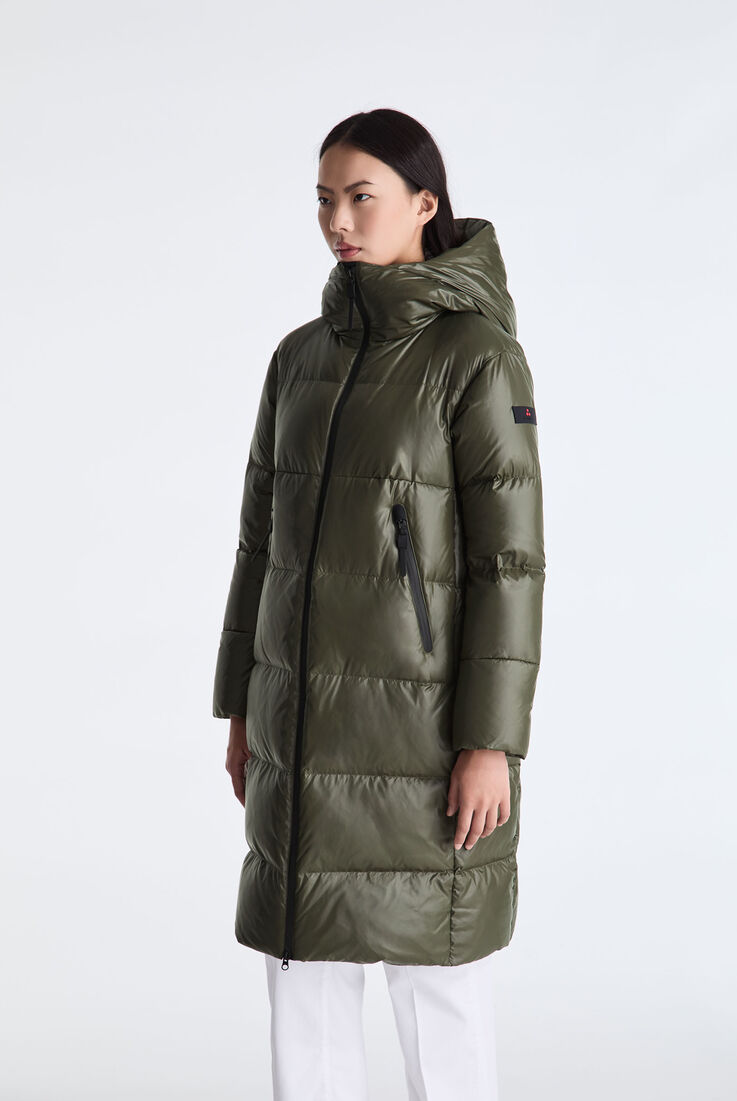
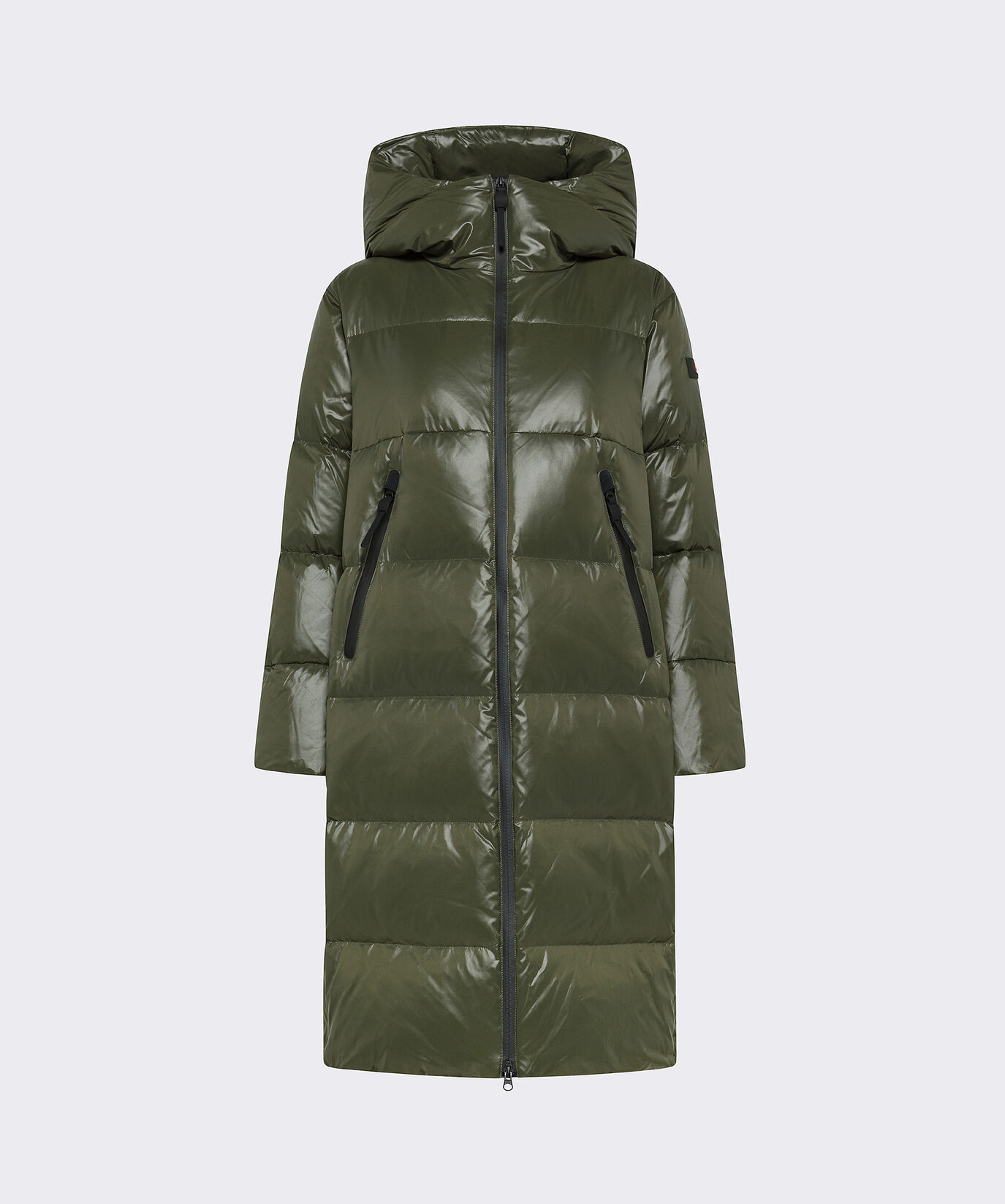
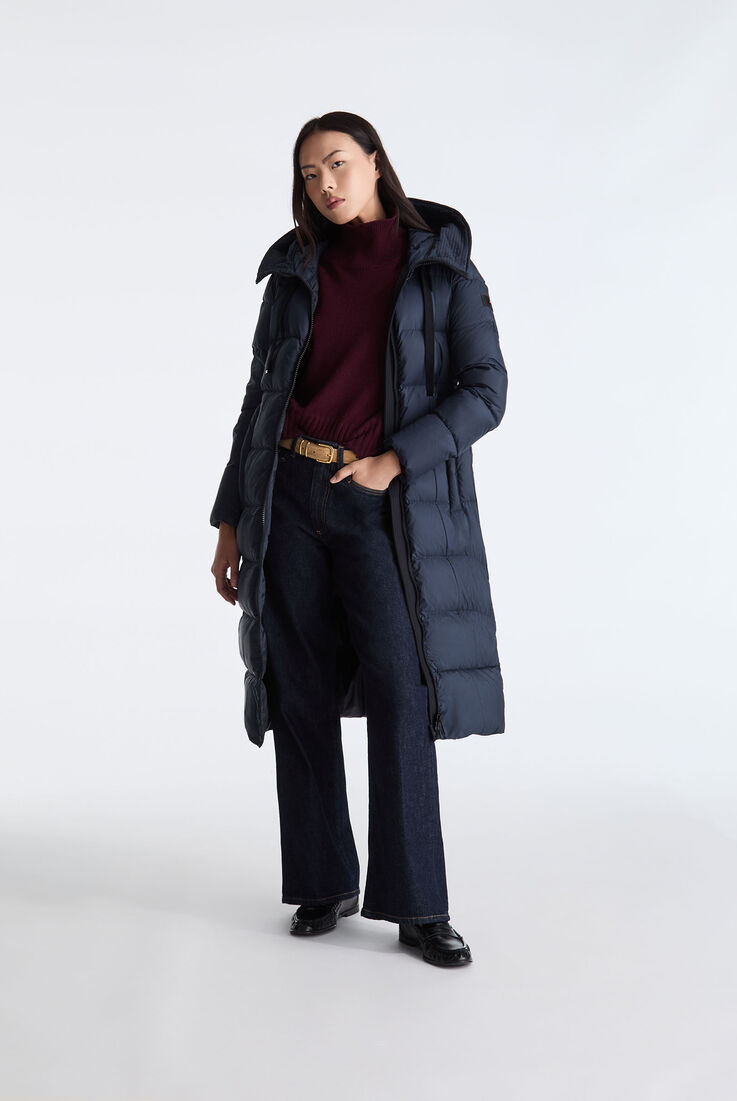
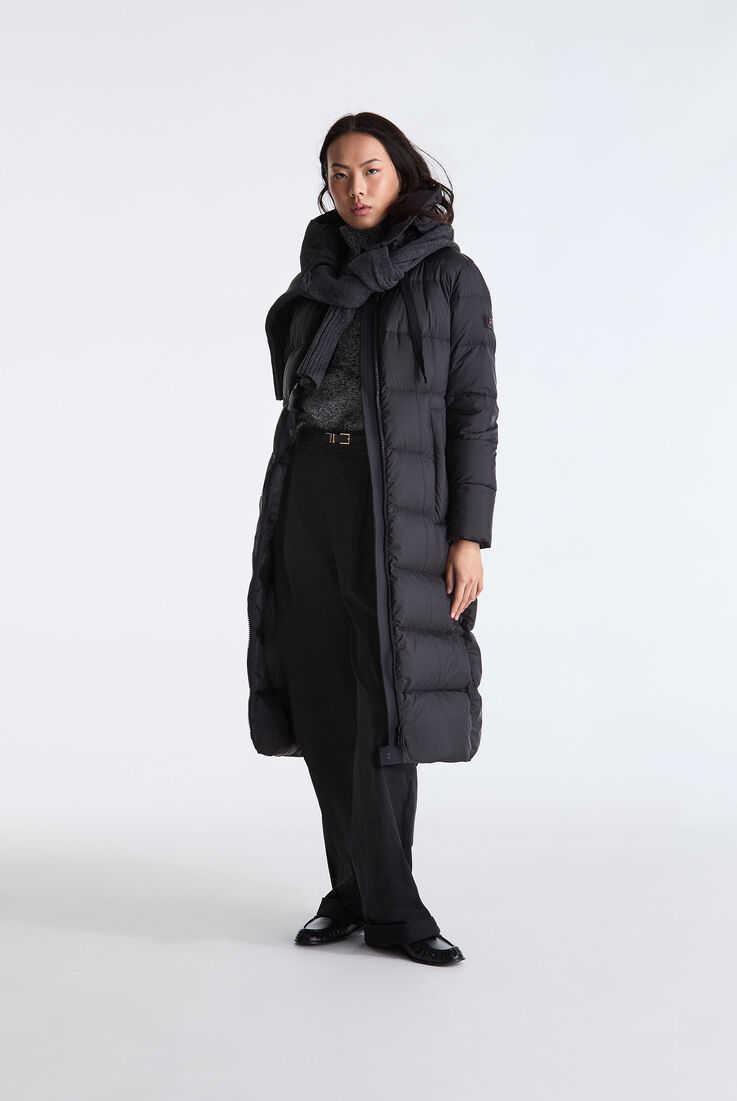
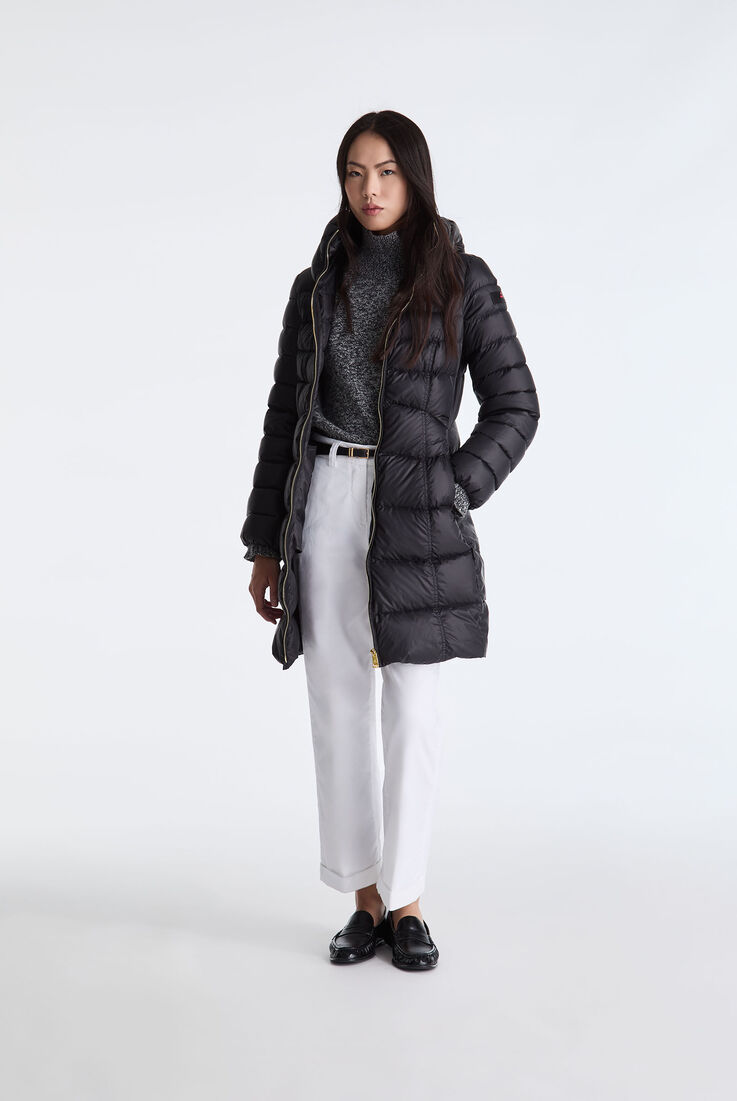
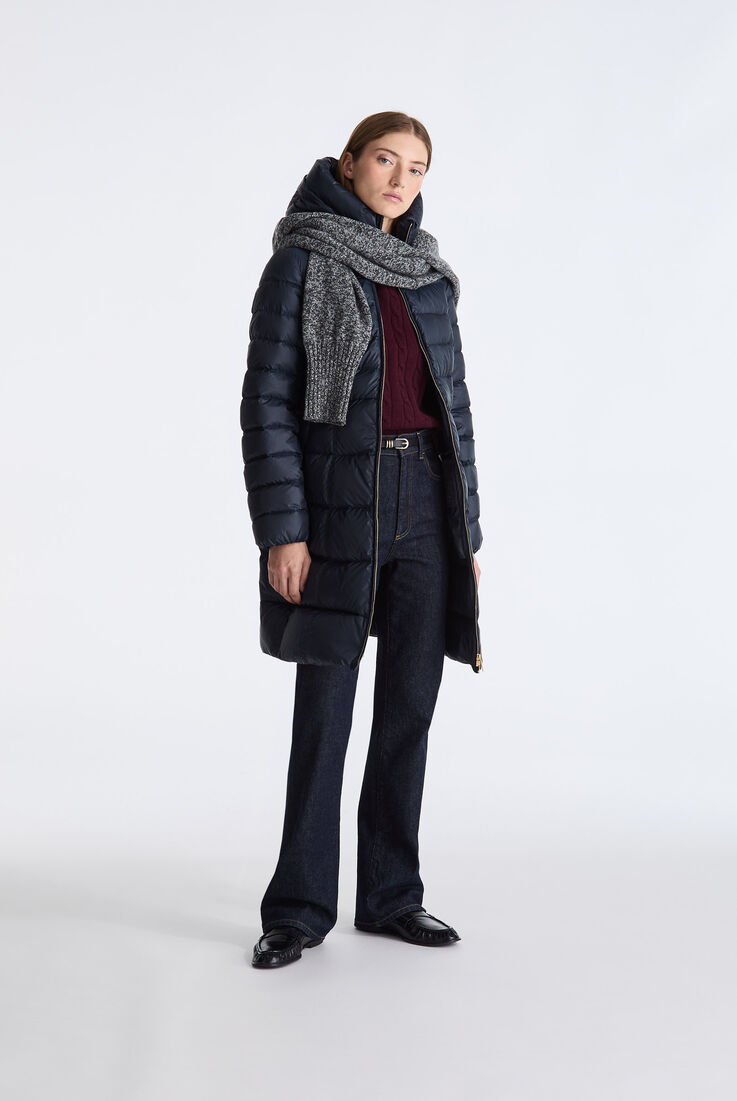
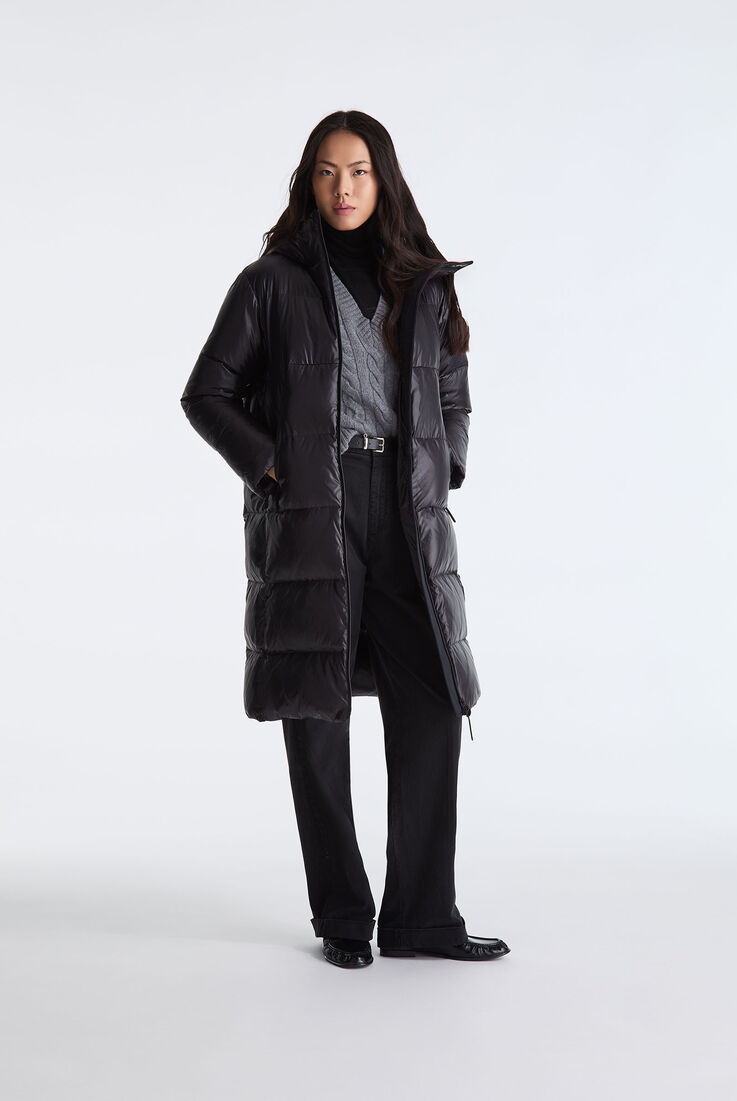
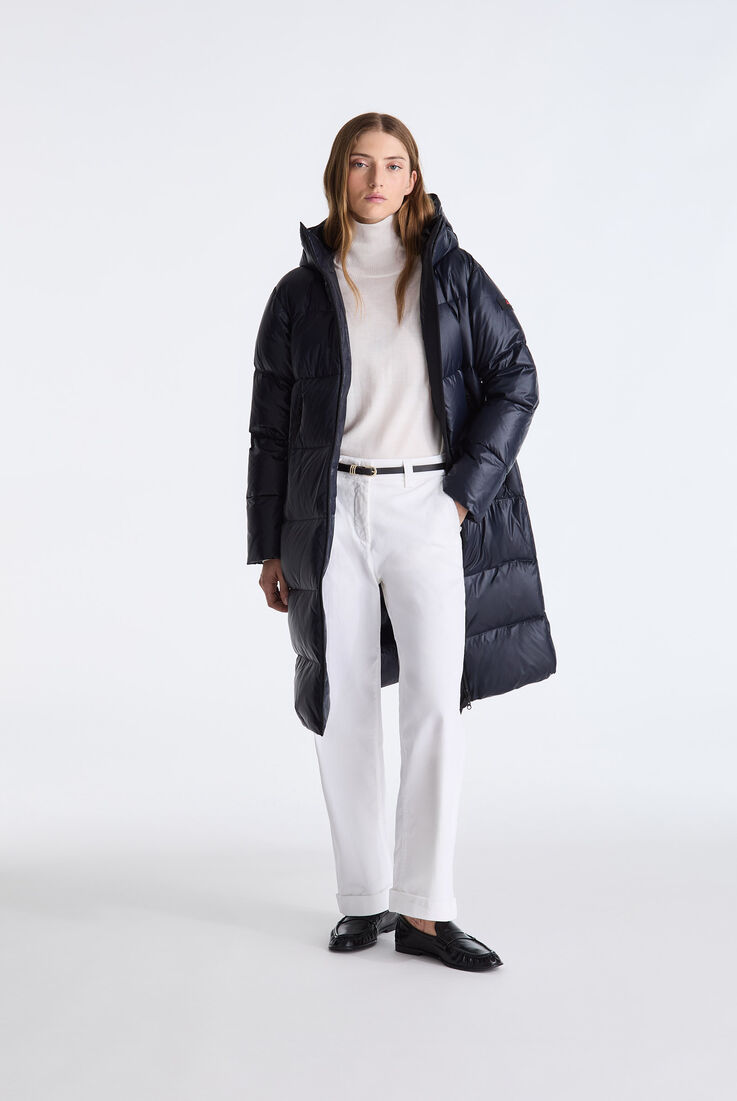
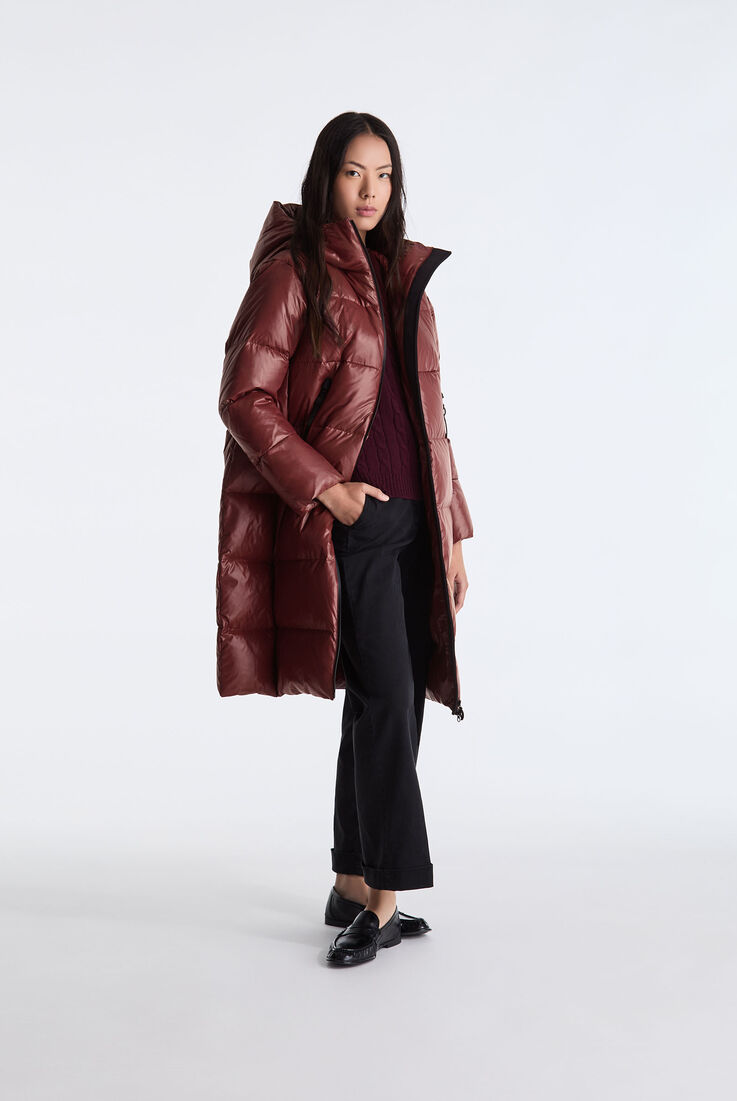
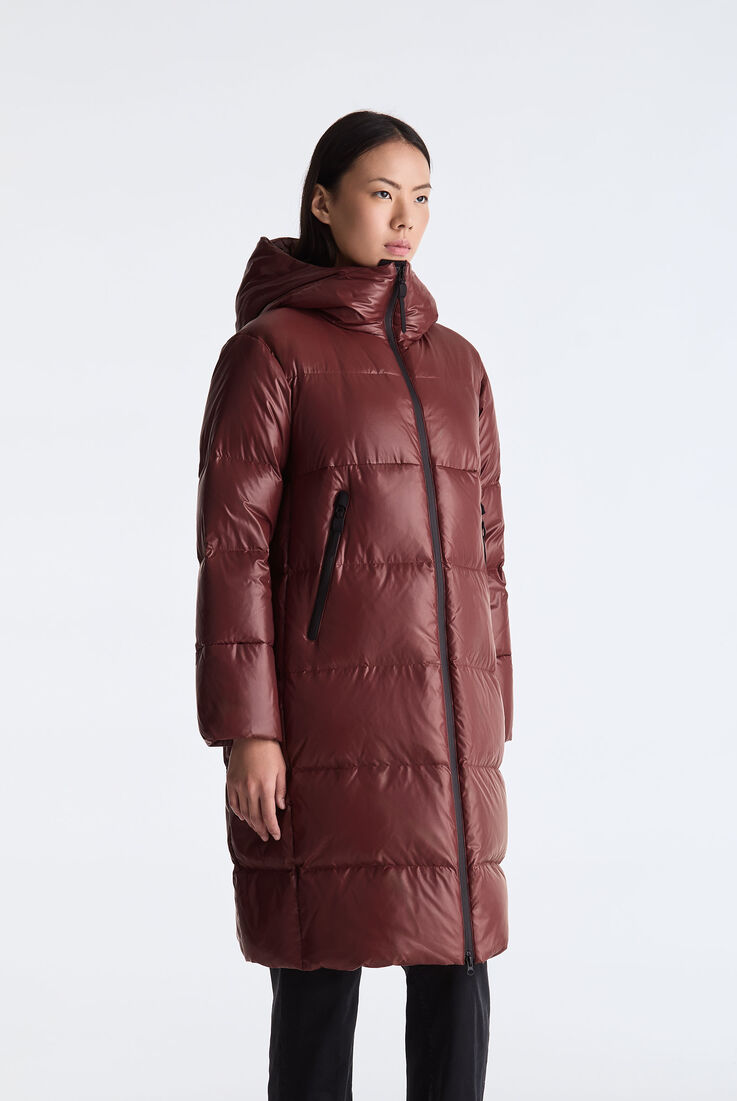
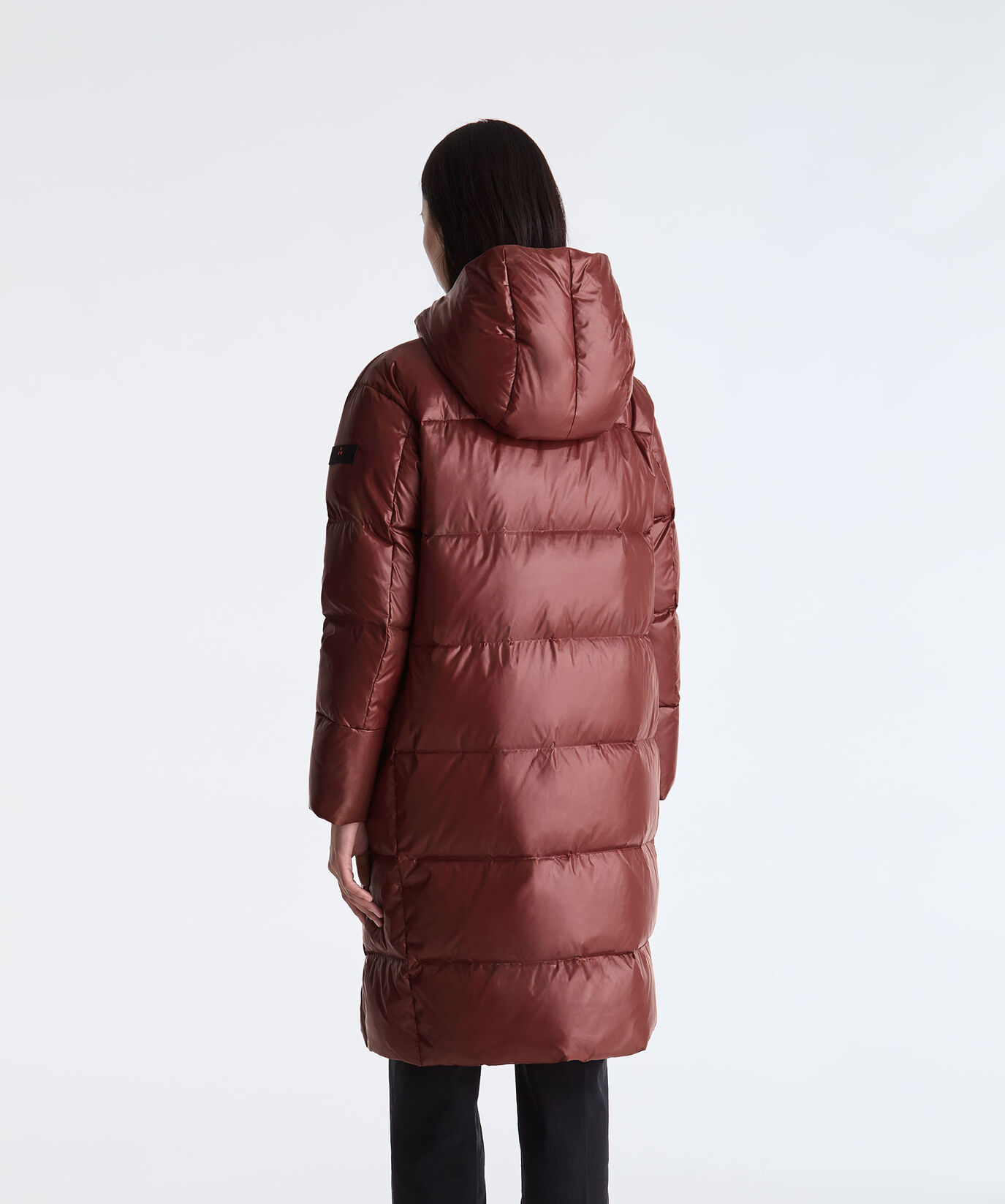
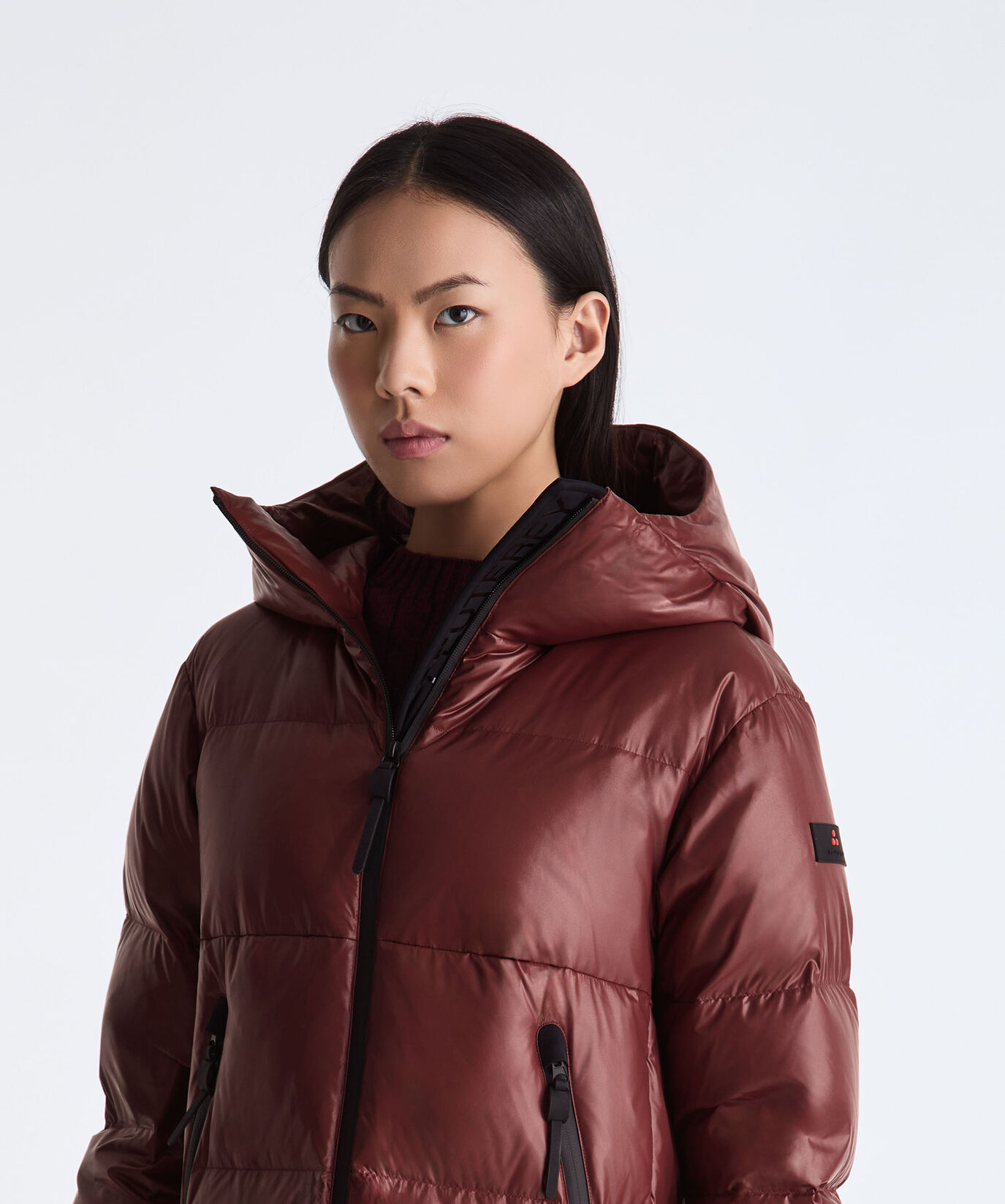
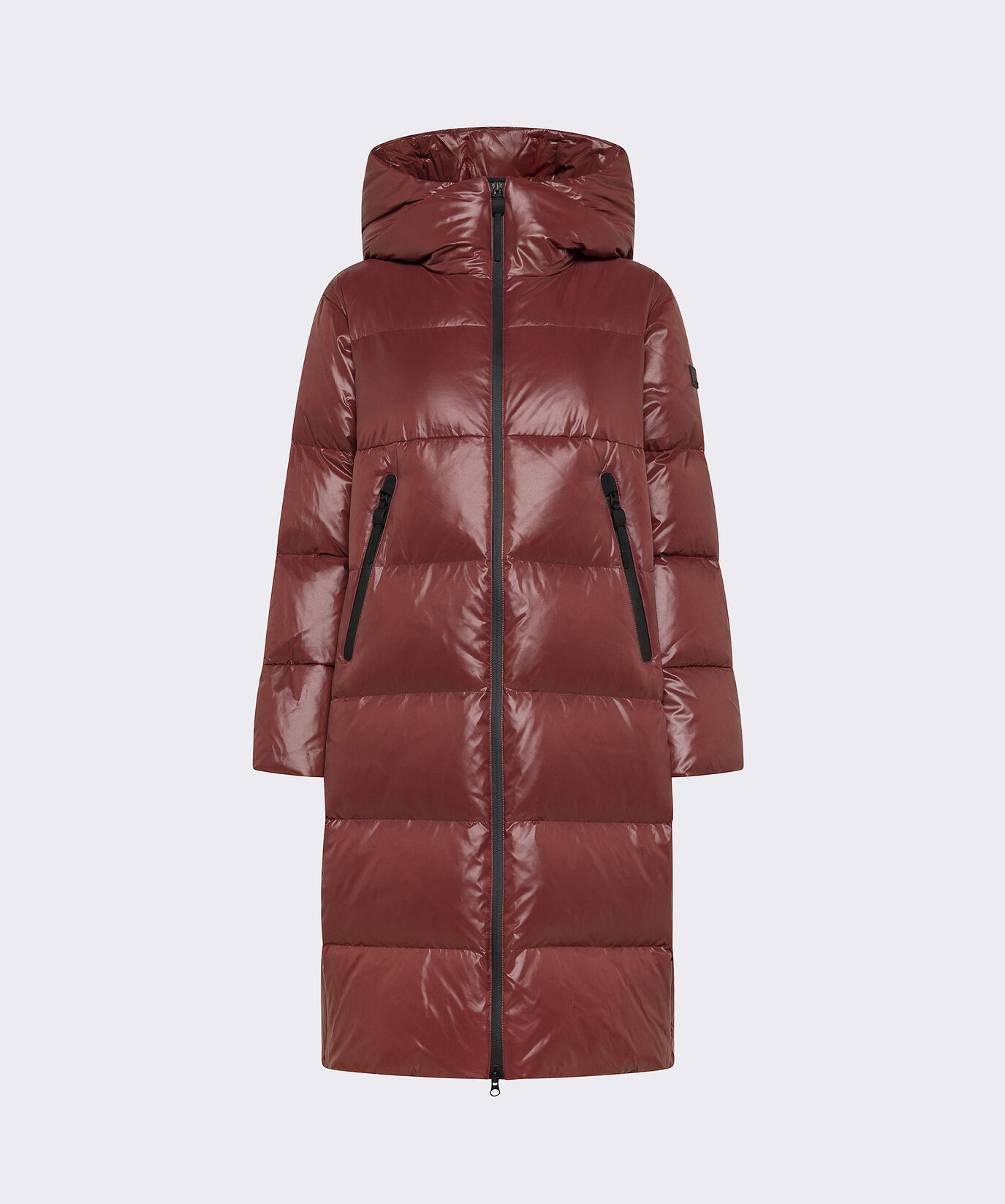
Green remains the signature colour of the parka because it points directly to its military roots, but in today's women's wardrobe it can take on very different moods. A green winter parka works with denim or with pieces in beige, cream and black. Navy has a more understated character and pairs well with grey trousers or light-coloured knitwear. Black offers different possibilities: with a light jumper it creates a strong contrast, while with dark pieces it gives the silhouette continuity. Beige and brown introduce warmer tones and go well with denim, wool and tan leather accessories. Finally, a burgundy parka can add colour to a minimal outfit without resorting to particularly bright shades. Colour doesn't change the garment's function, but it makes it easy to shift its tone from technical to more refined. The women's khaki military parka remains the most direct nod to these origins, while a navy or black women's parka moves the piece towards a more urban, versatile register.
On dress-down workdays as on weekend outings, the parka completes the outfit and gives it a different character depending on what it's worn with. Over a jumper or cardigan and straight-leg trousers it keeps a clean profile, while with denim and trainers it takes on a more casual feel. Pairing it with a midi skirt or more fluid trousers creates an interesting contrast between function and femininity. On colder days, a matching scarf and hat can complete the look without overloading the outerwear.
Caring for a parka depends on the fabric composition, the type of padding and any membranes, finishes or inserts. That's why it's essential to follow the instructions on the garment's care label. In general, avoid harsh treatments, direct heat and makeshift drying methods that could damage the padding or surface treatment. After wearing it in the rain, let the parka dry naturally in a well-ventilated room. Before storing it at the end of the season, make sure it's completely dry and that the hood, drawcords and fastenings are in good order.