Men
Men's Parka
22 articles
Secure Payments | Fast Returns
Are you sure you want to remove the following product from the cart?
Are you sure you want to remove the following product from the wishlist?
Your current state
Necessary
Preferences
Statistics
Marketing
Men
Filter
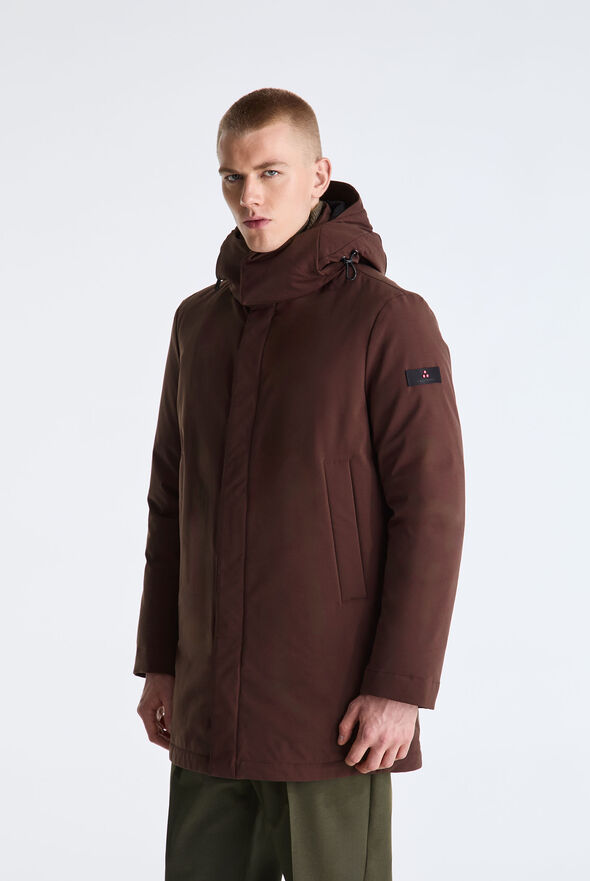
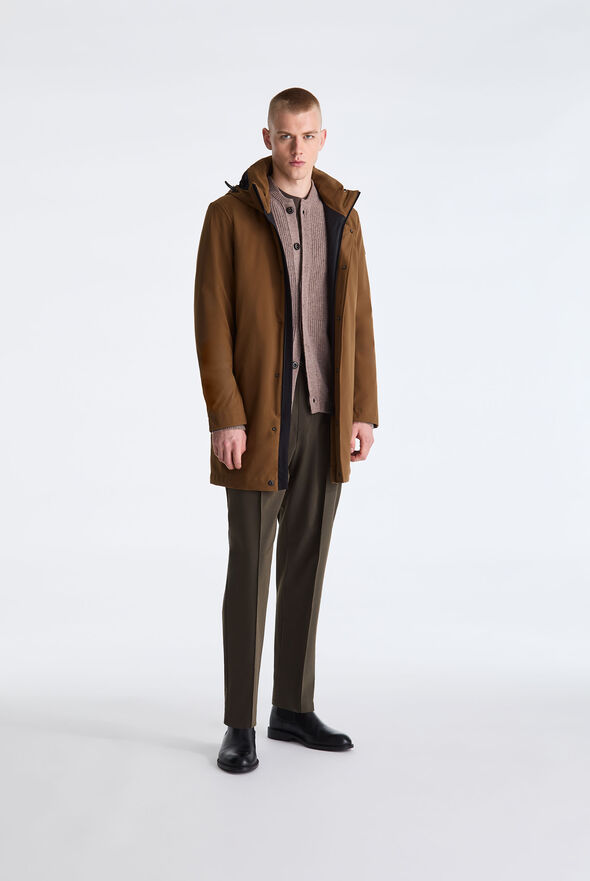
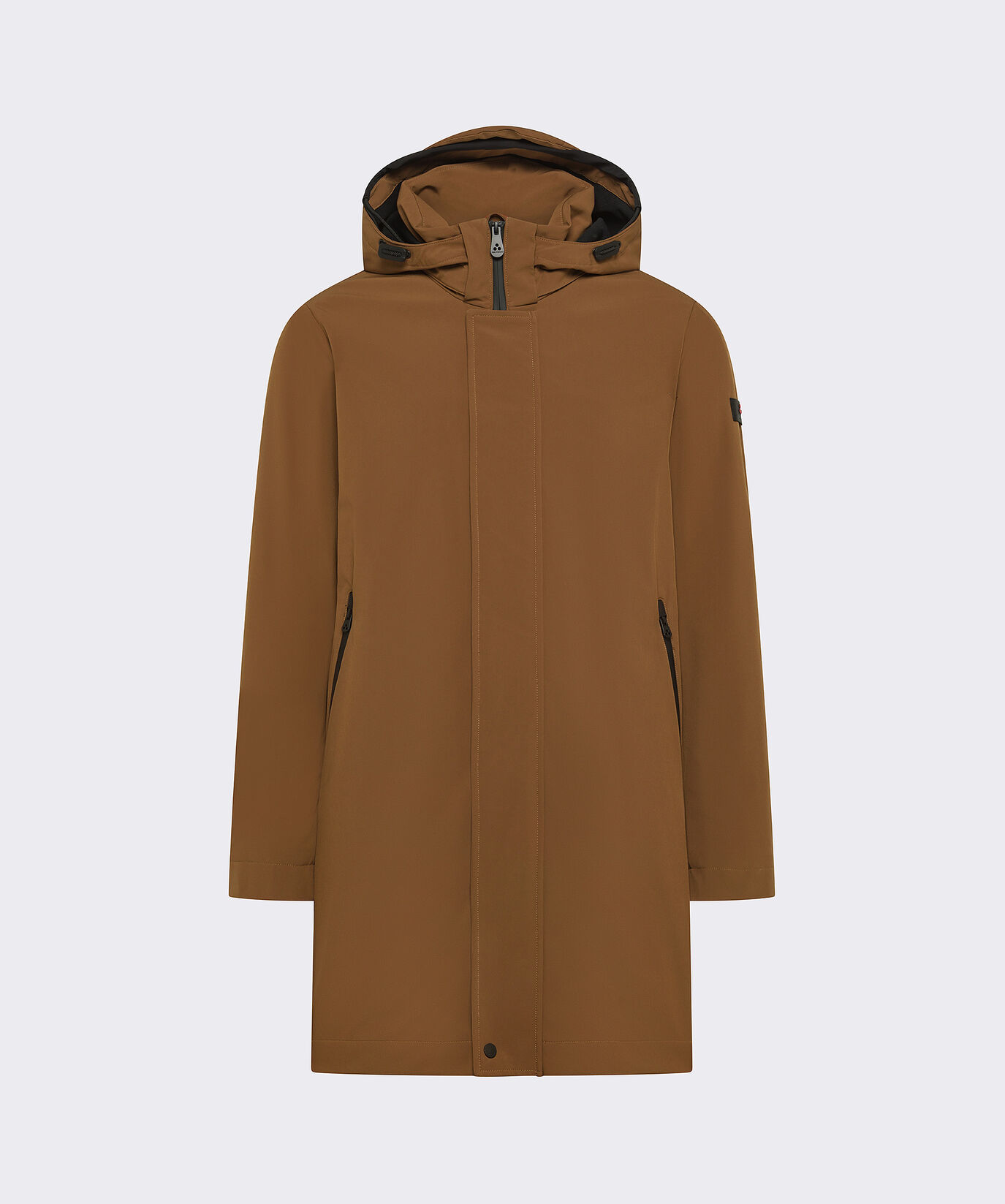
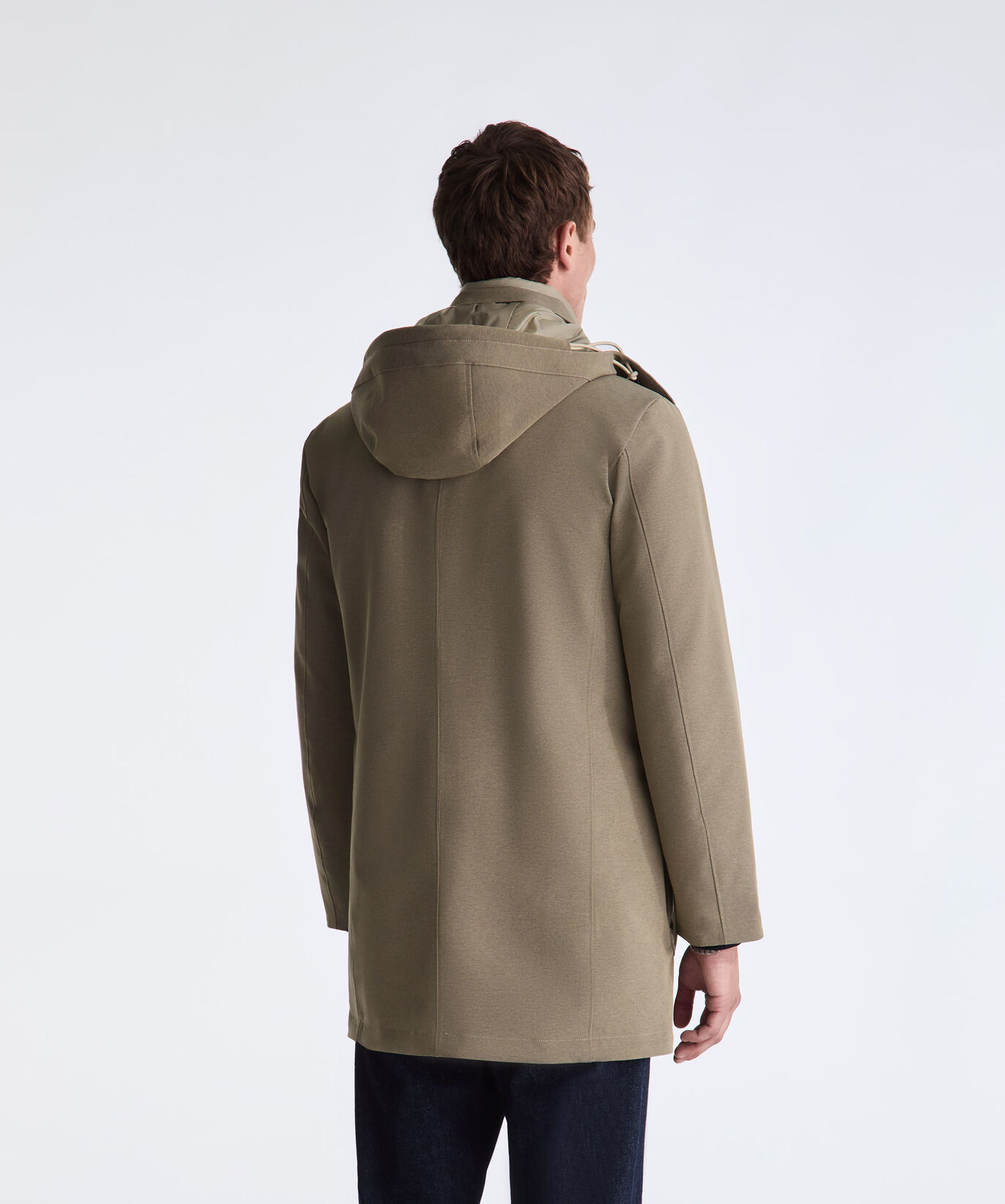
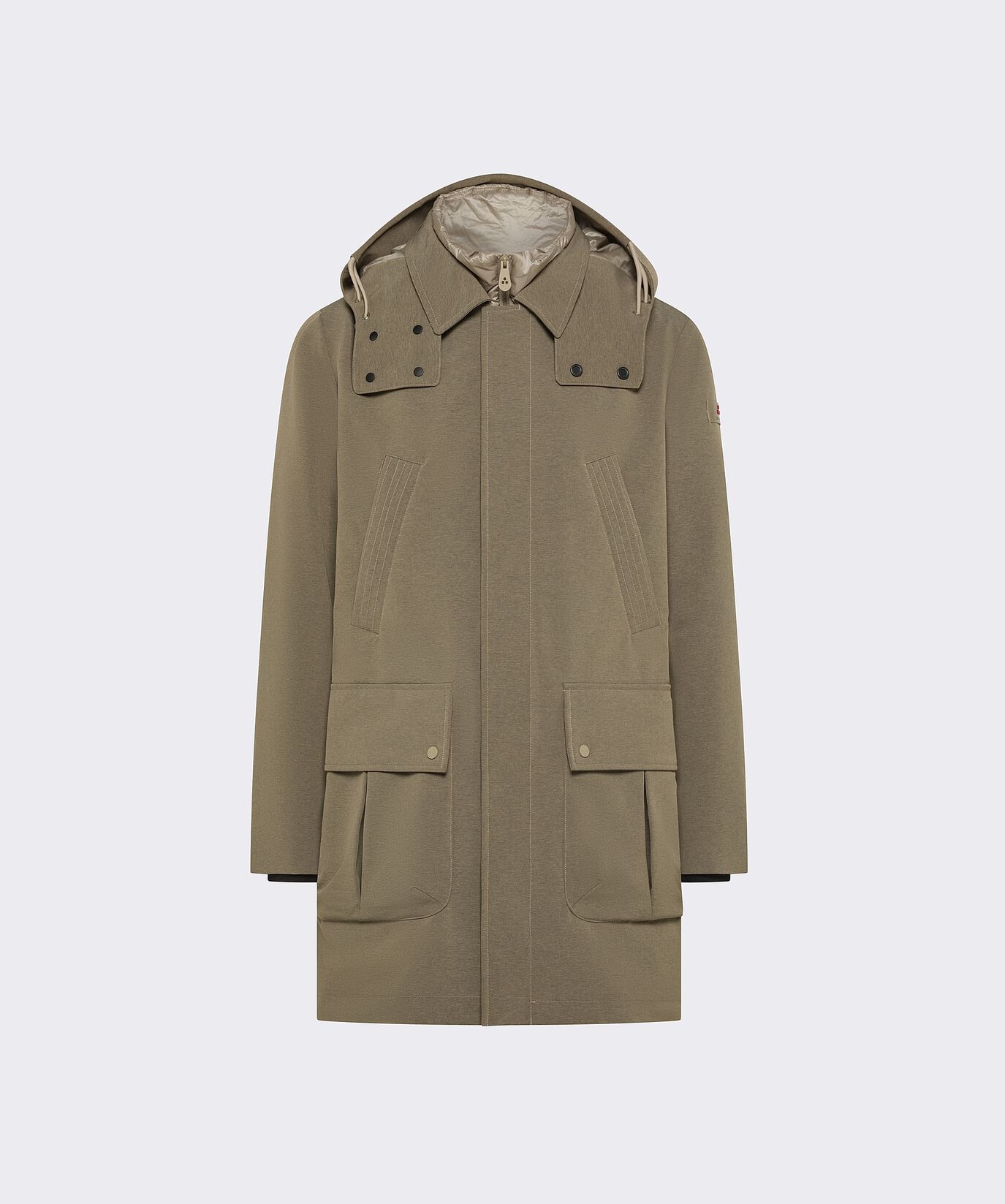
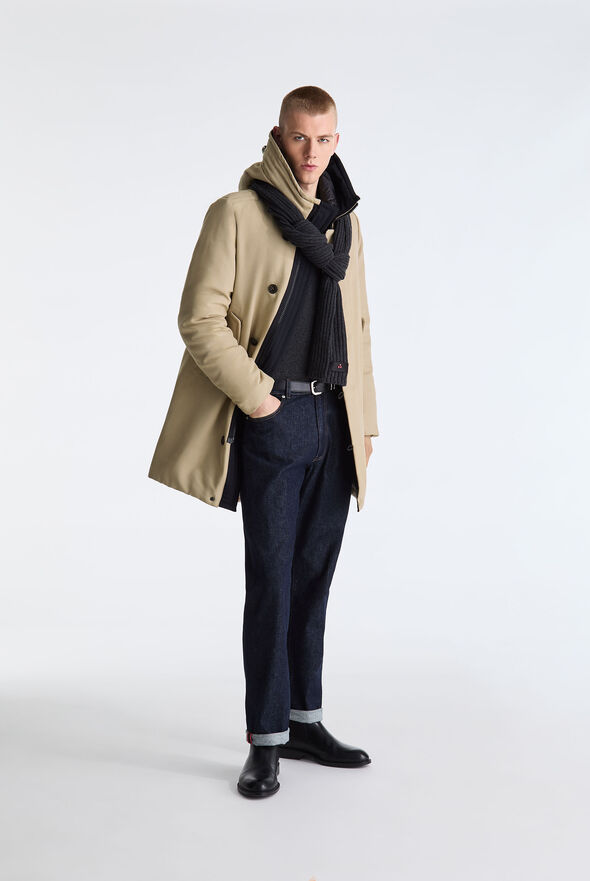
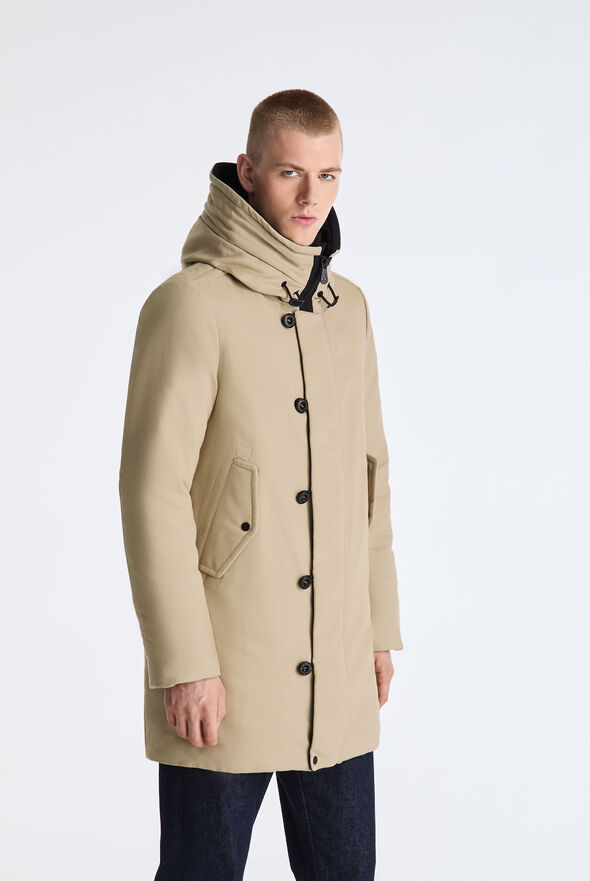
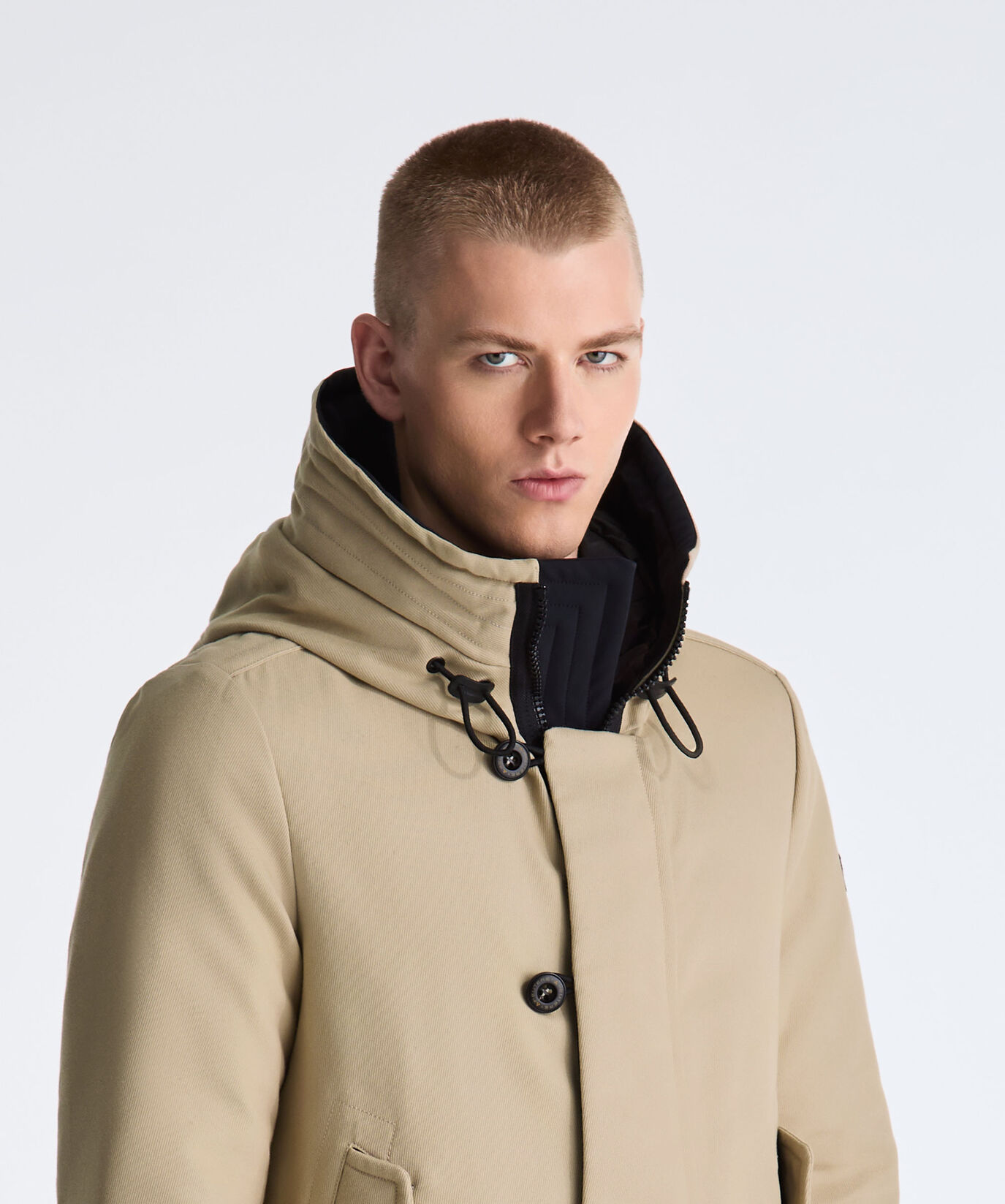
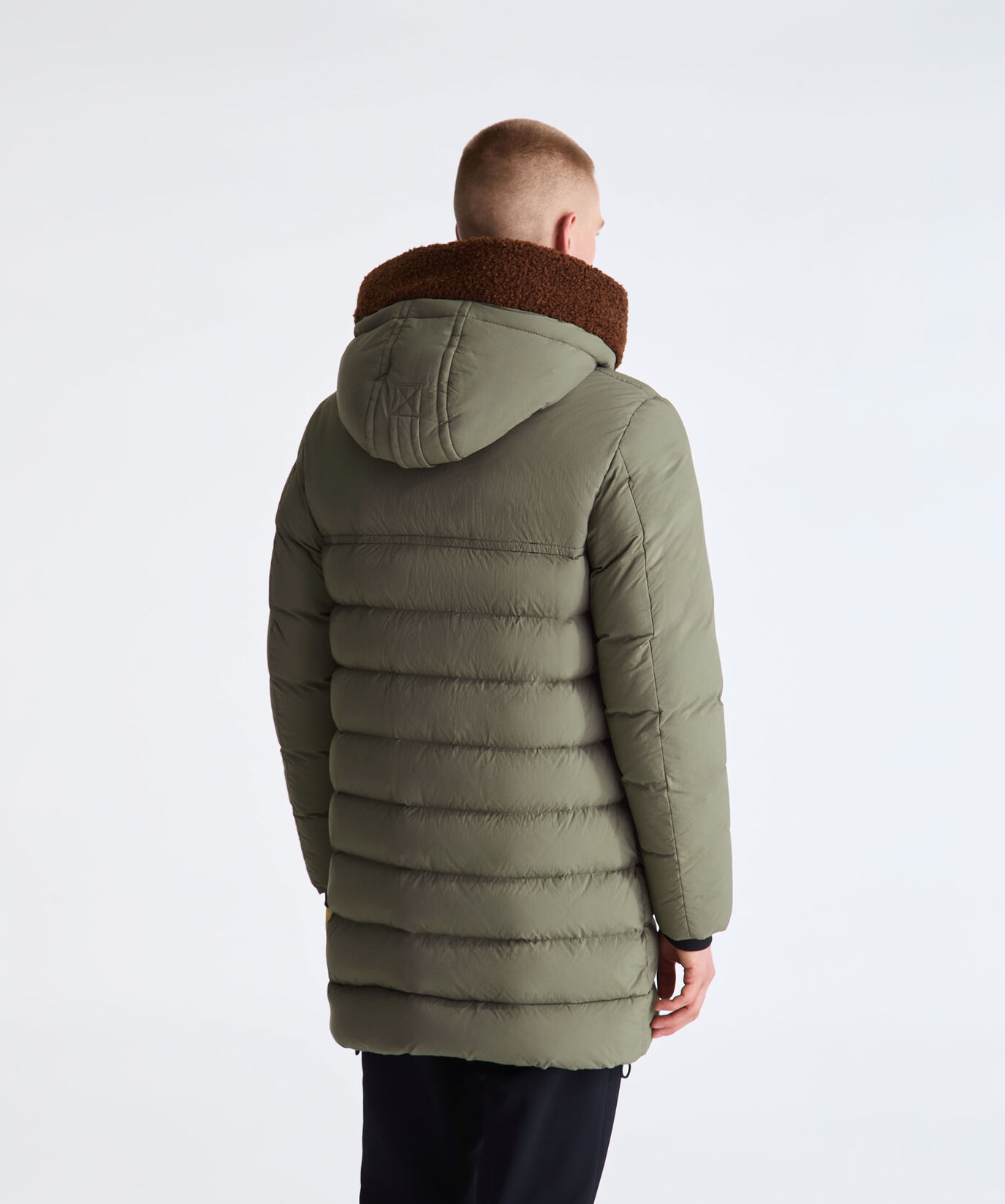
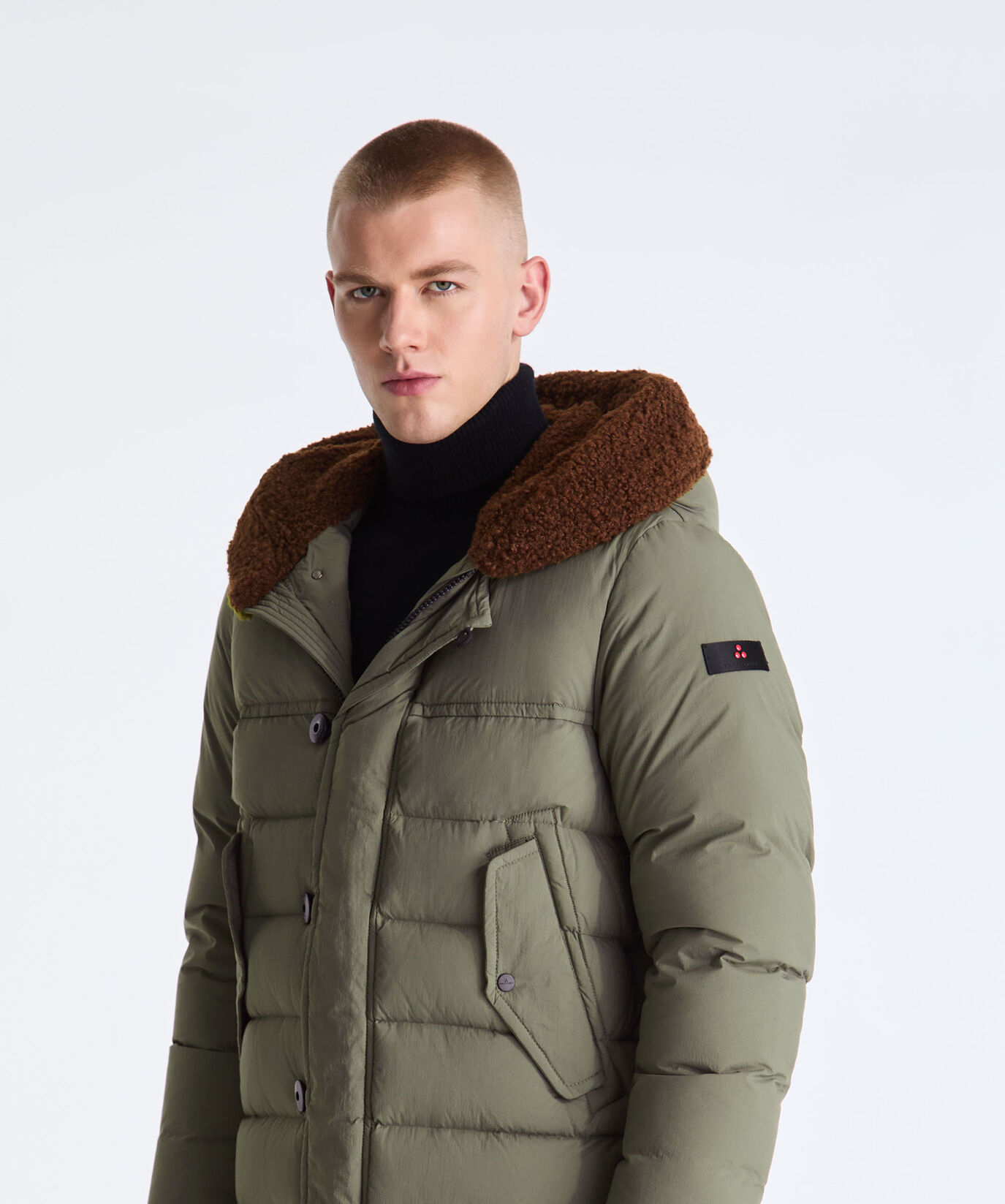
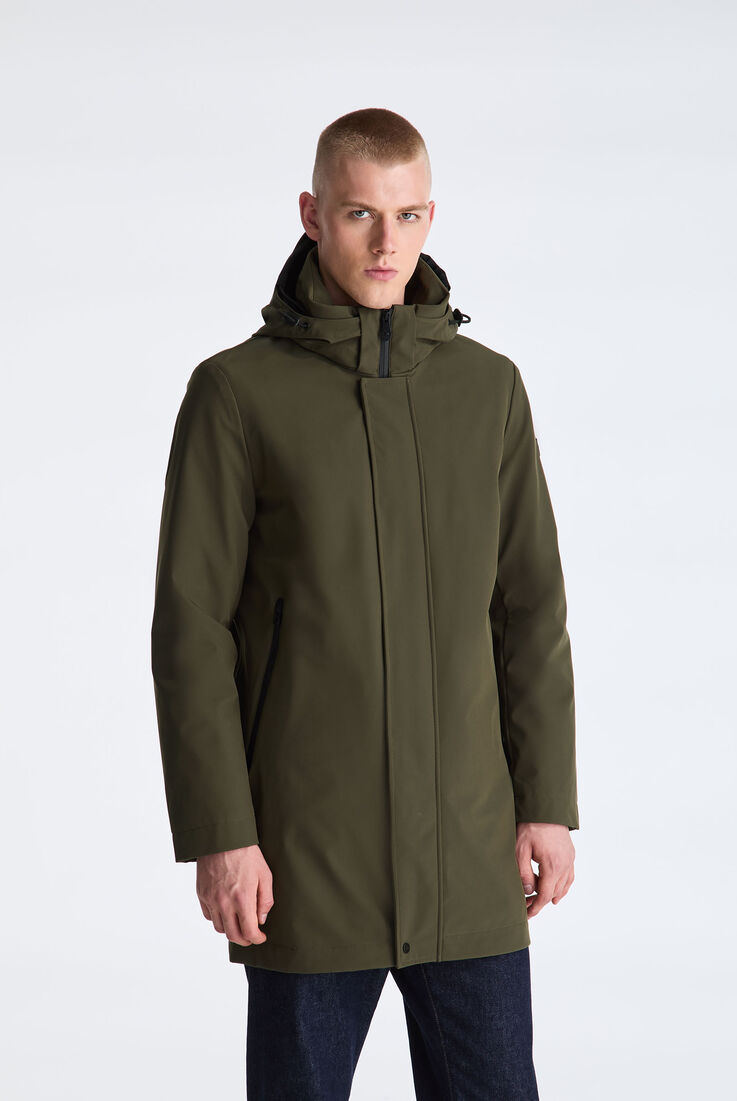
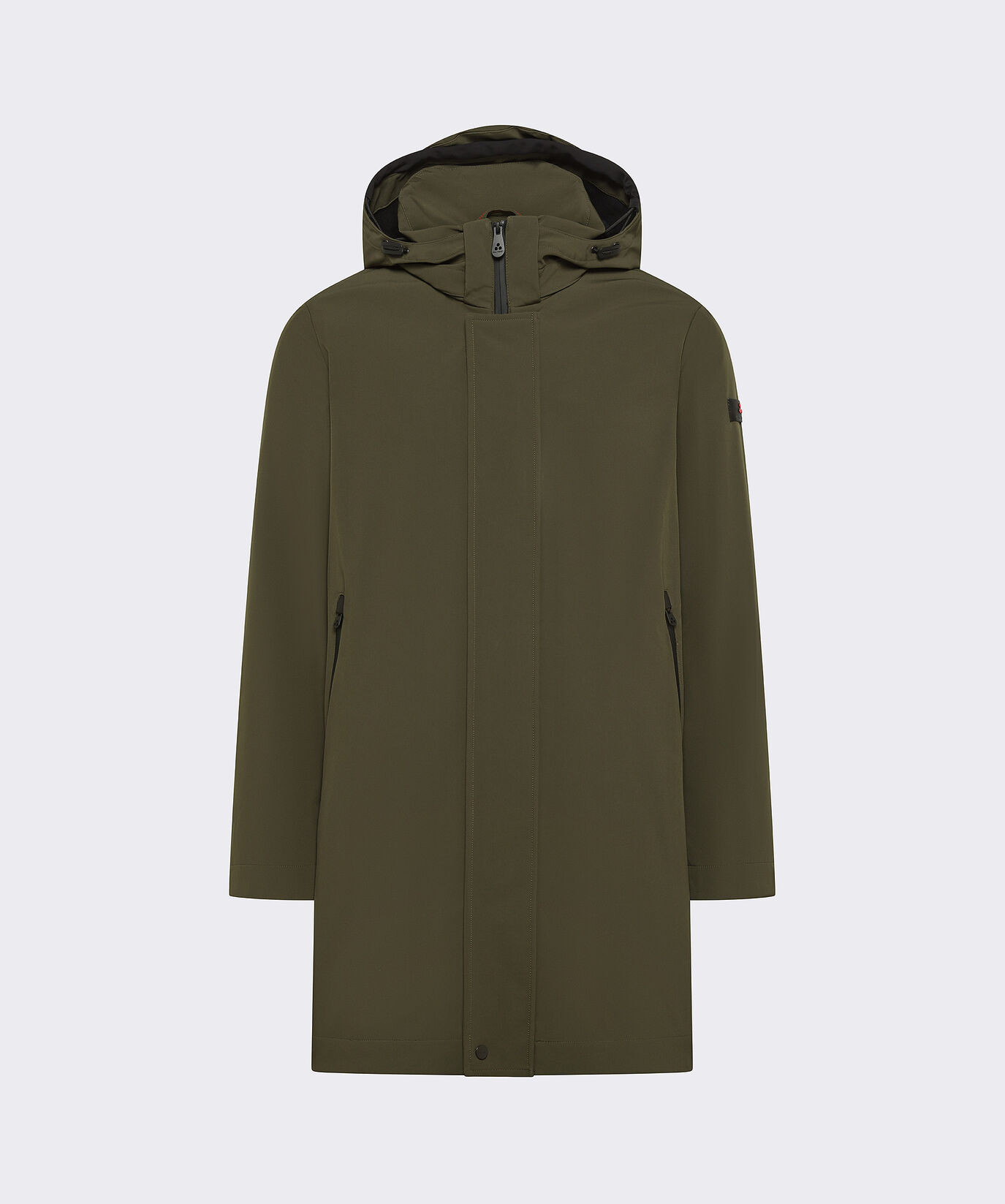
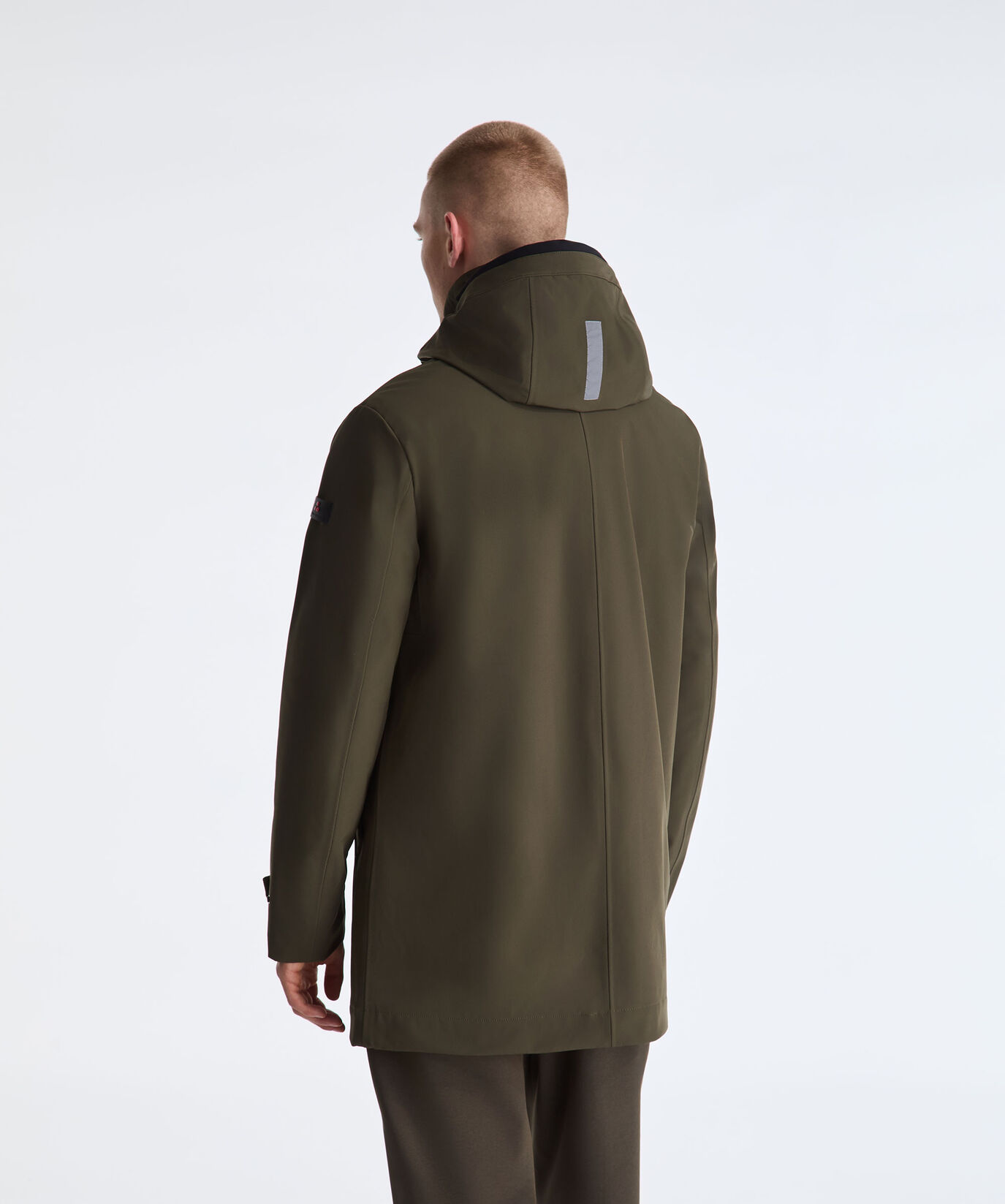
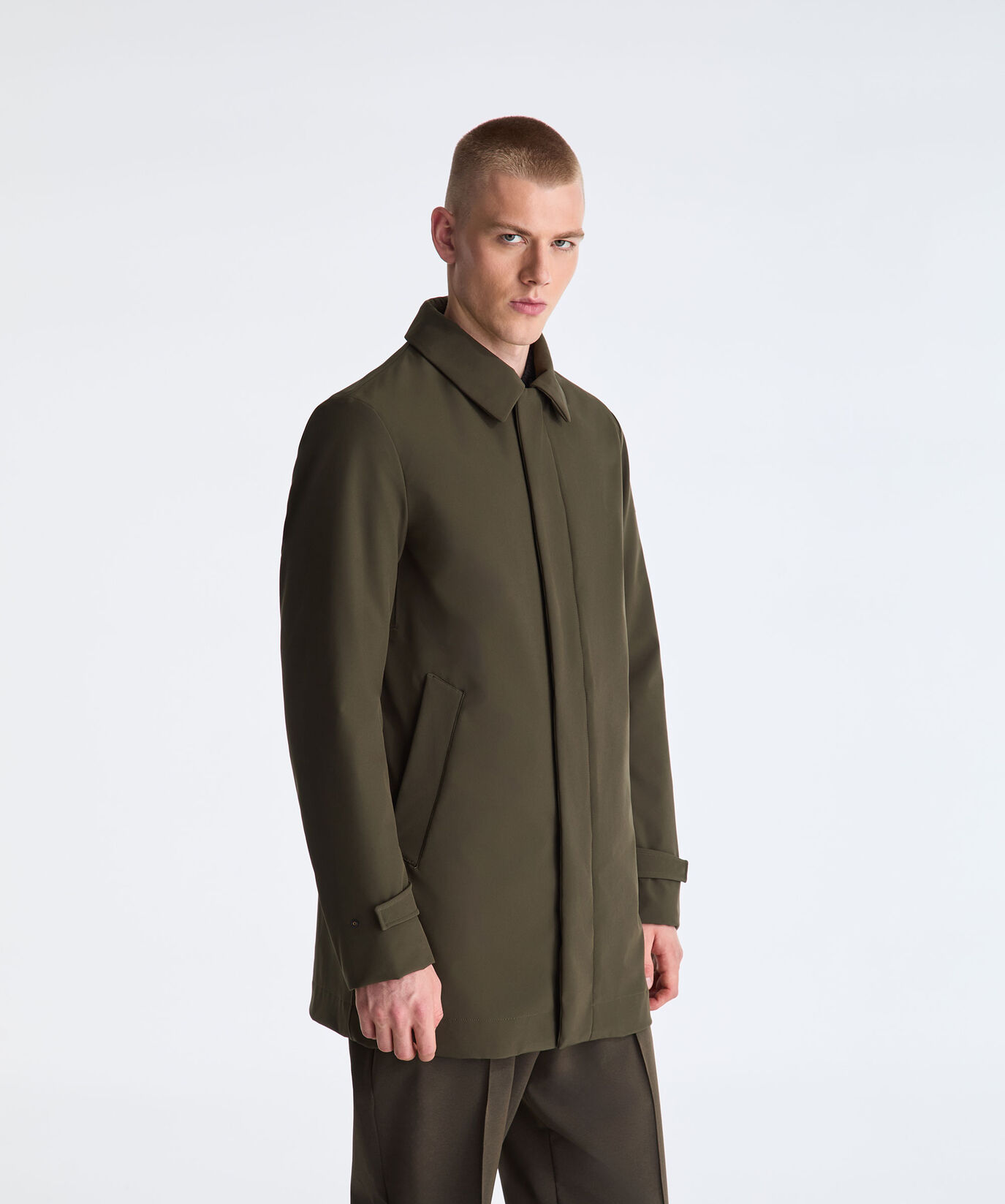
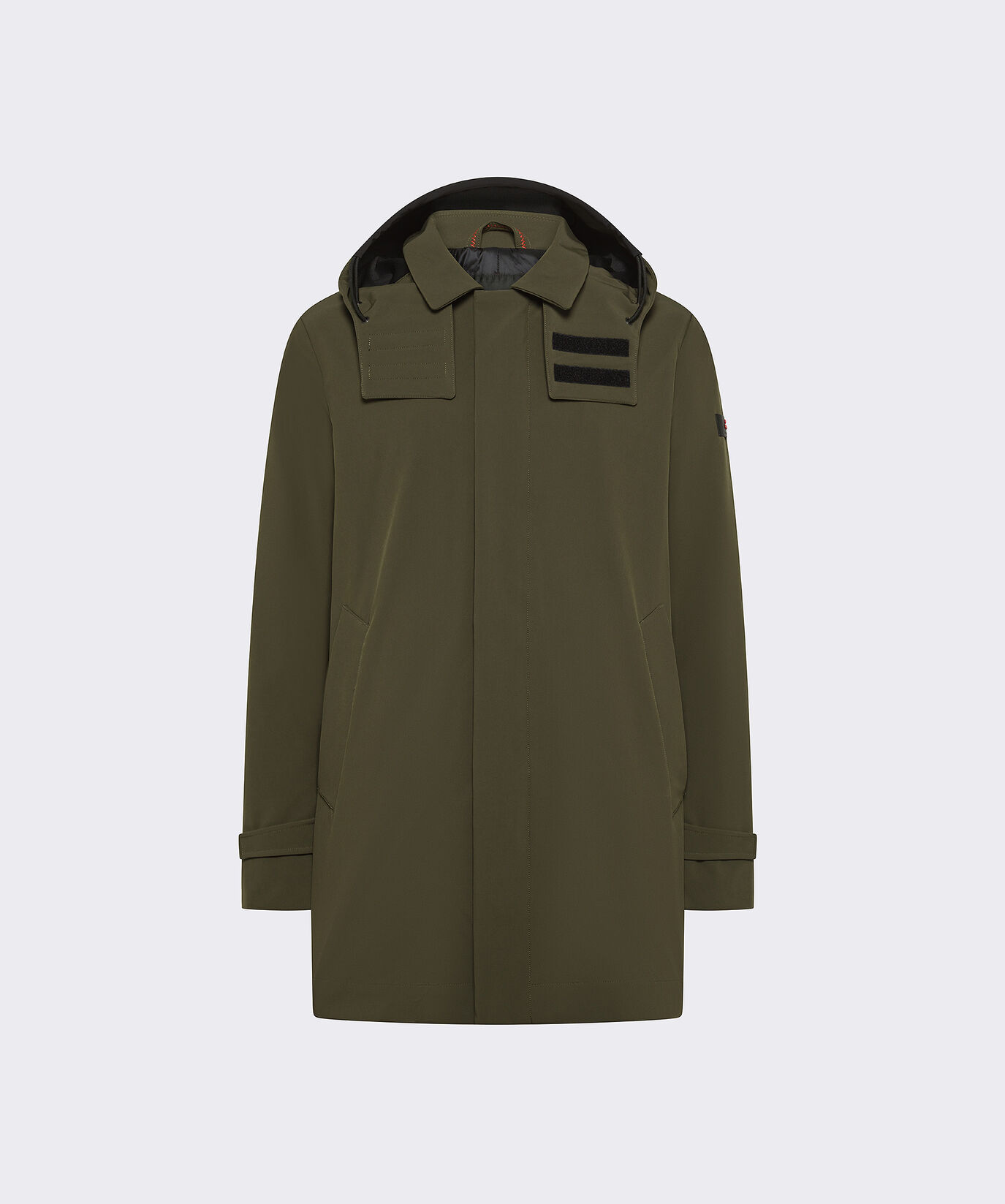
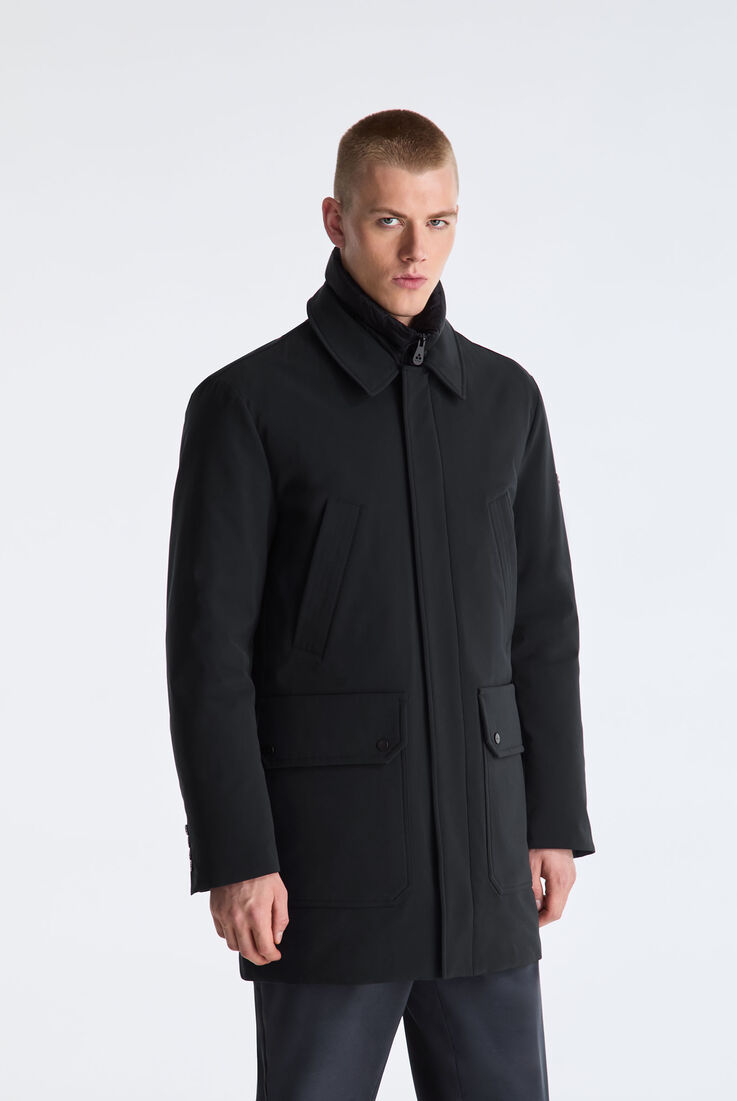
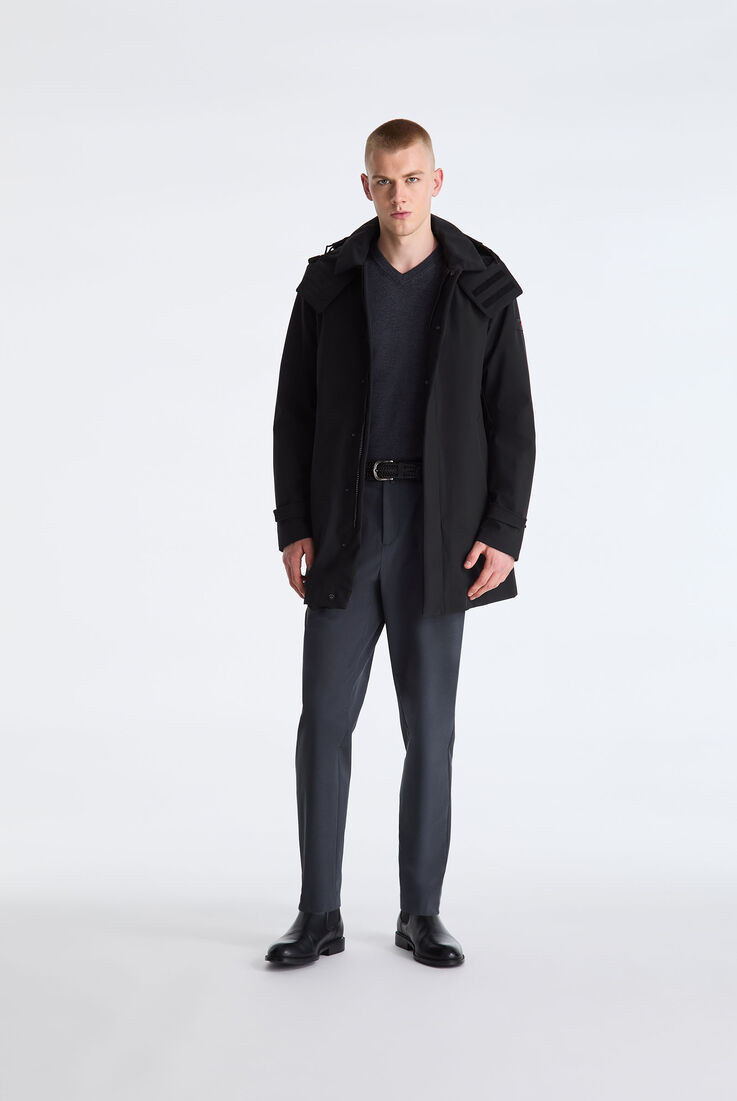
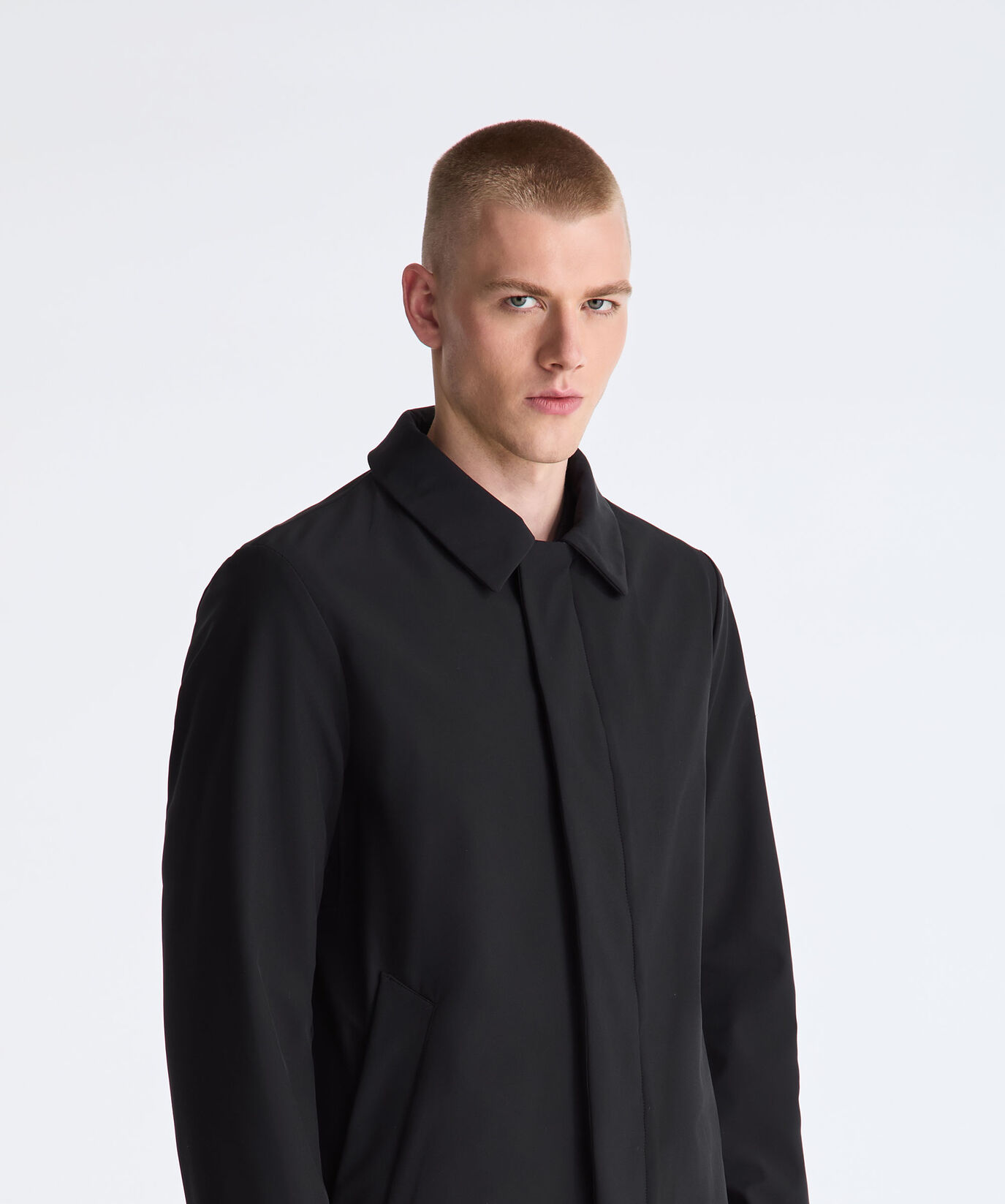
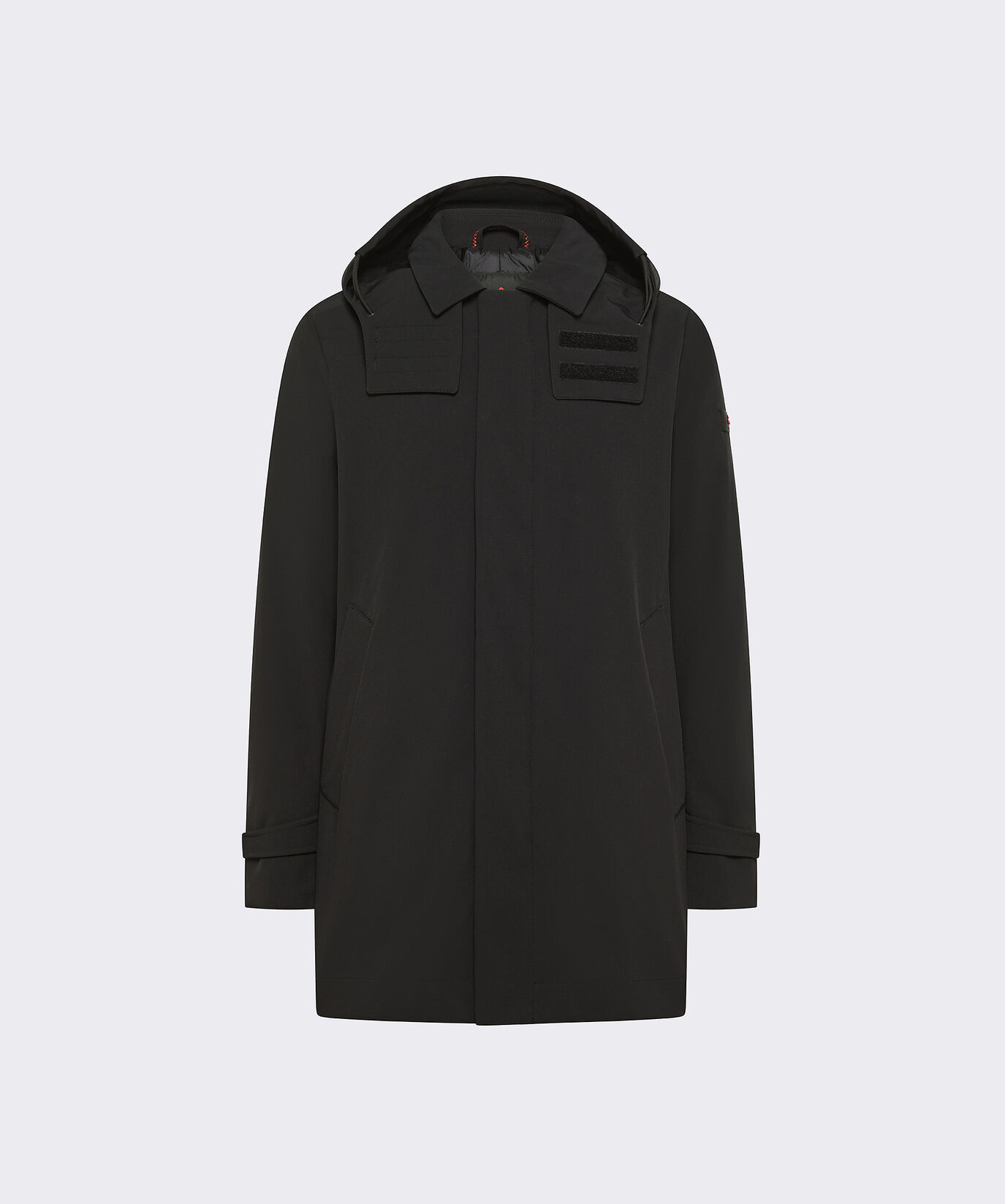
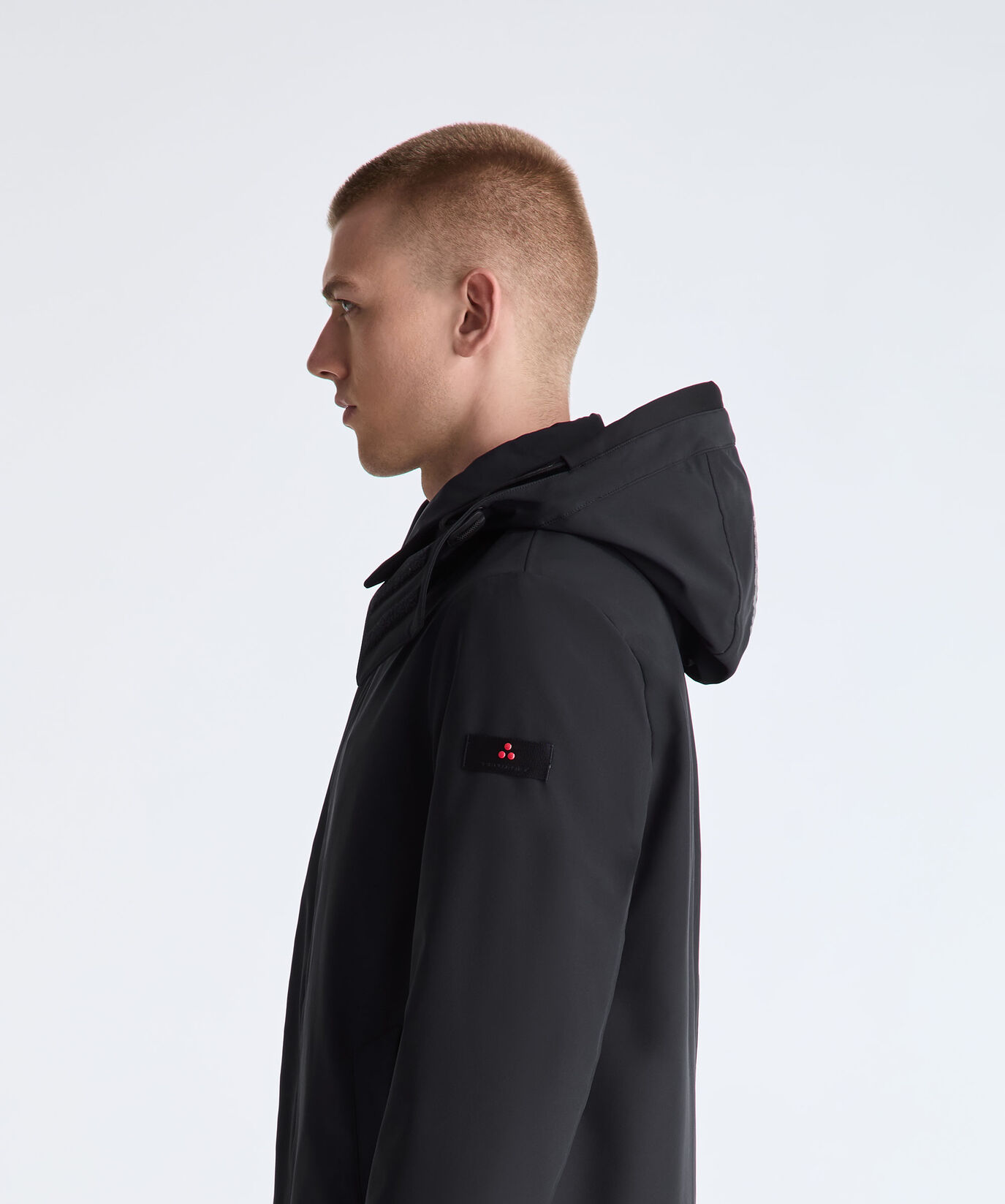
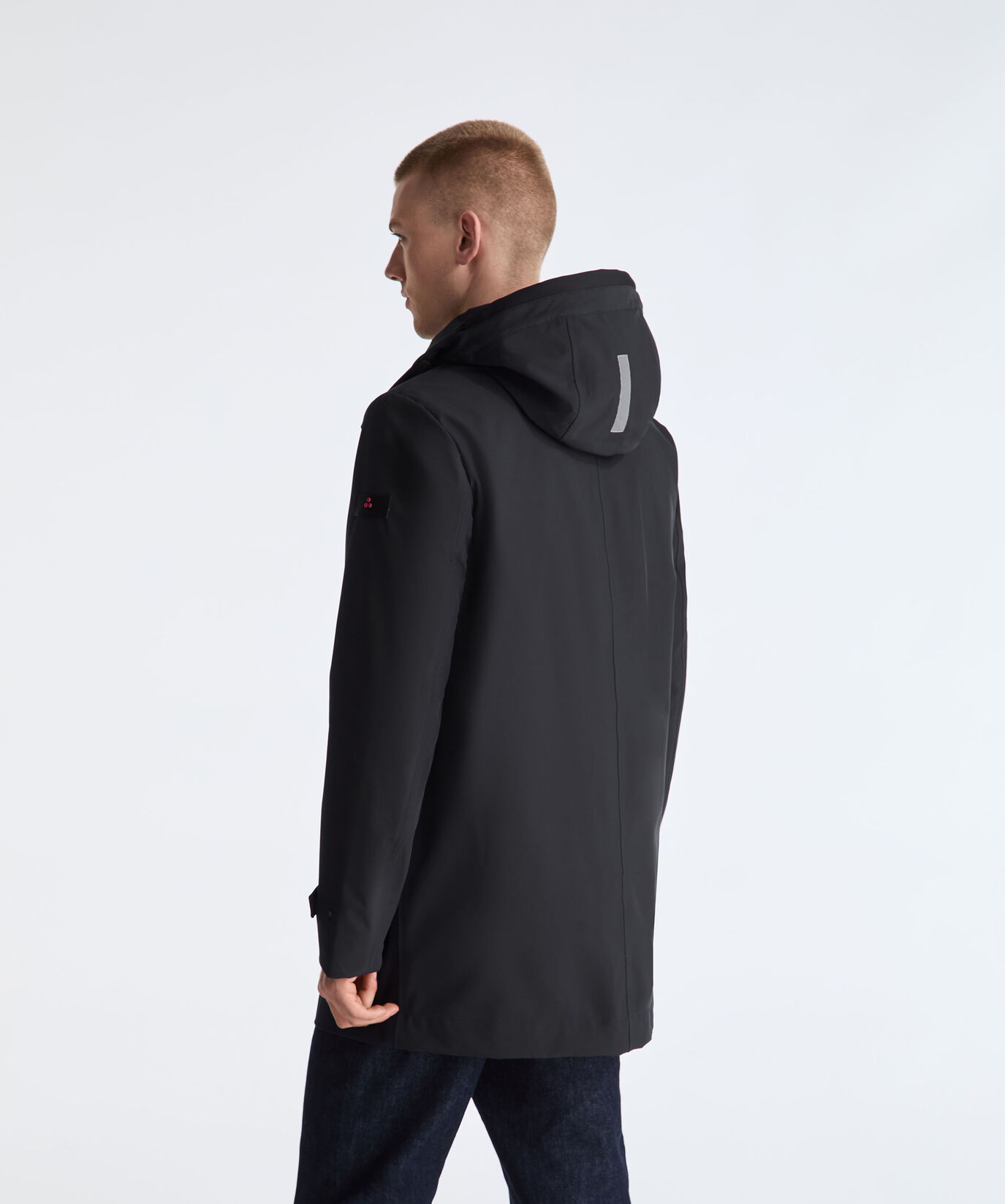
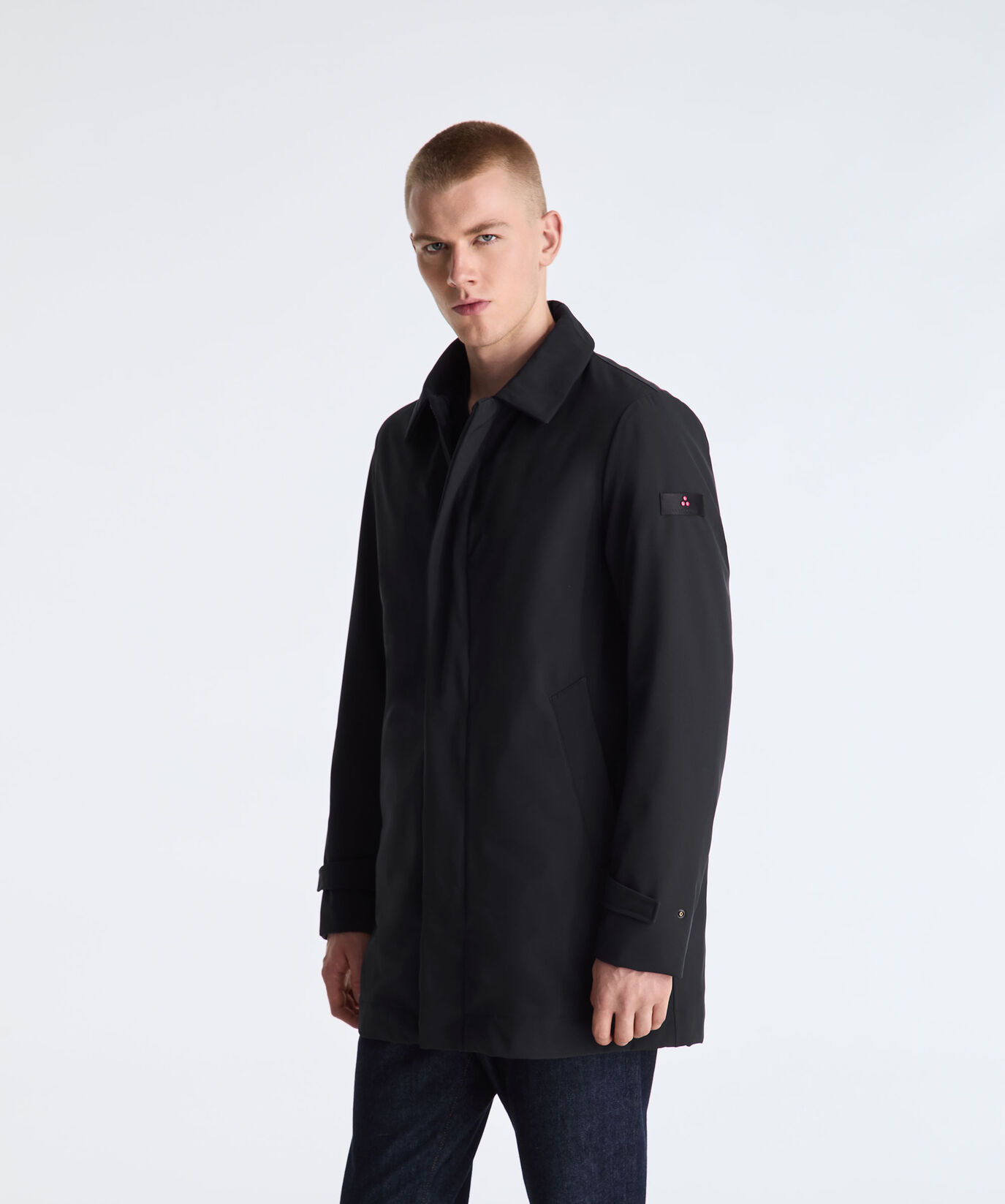
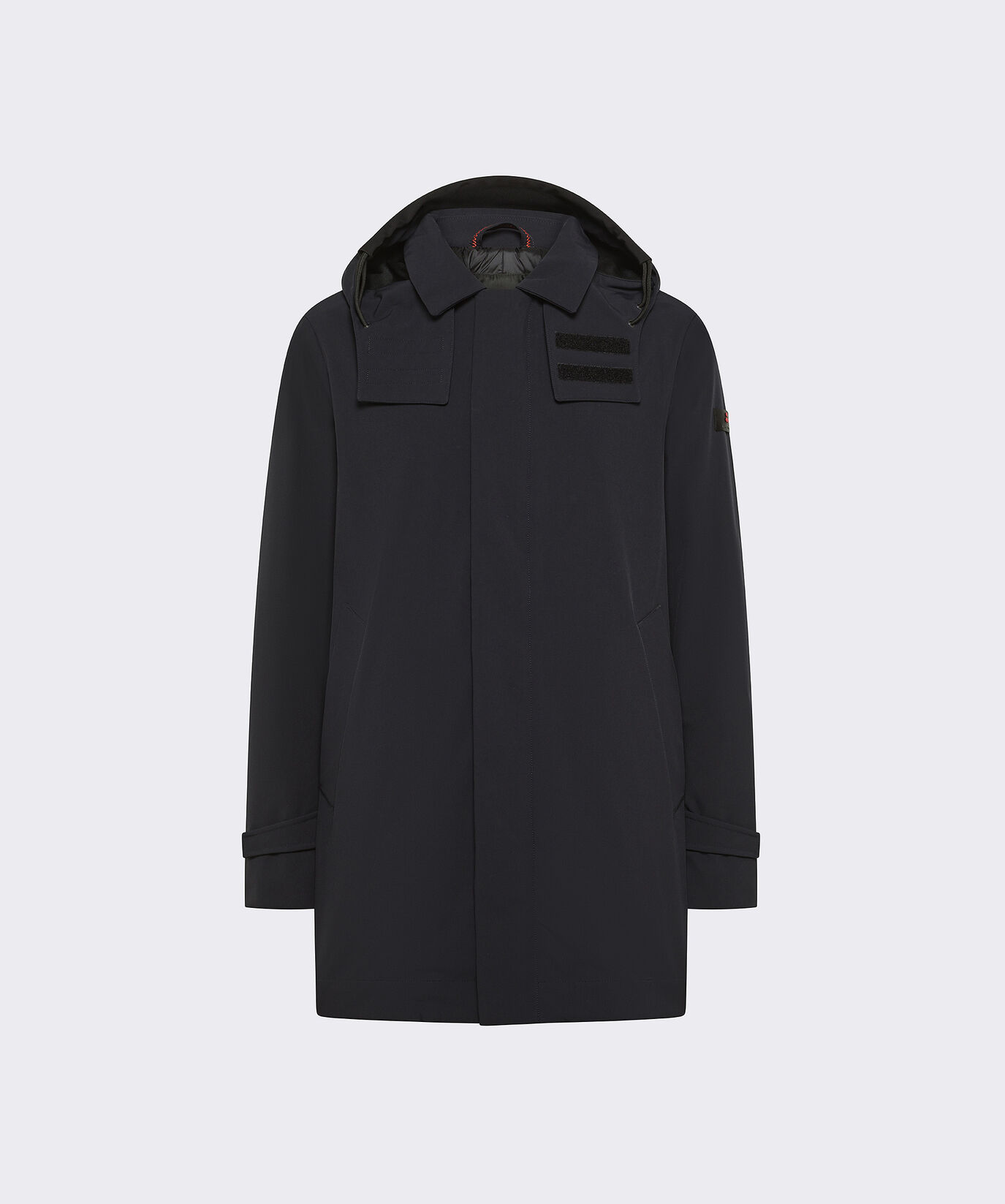
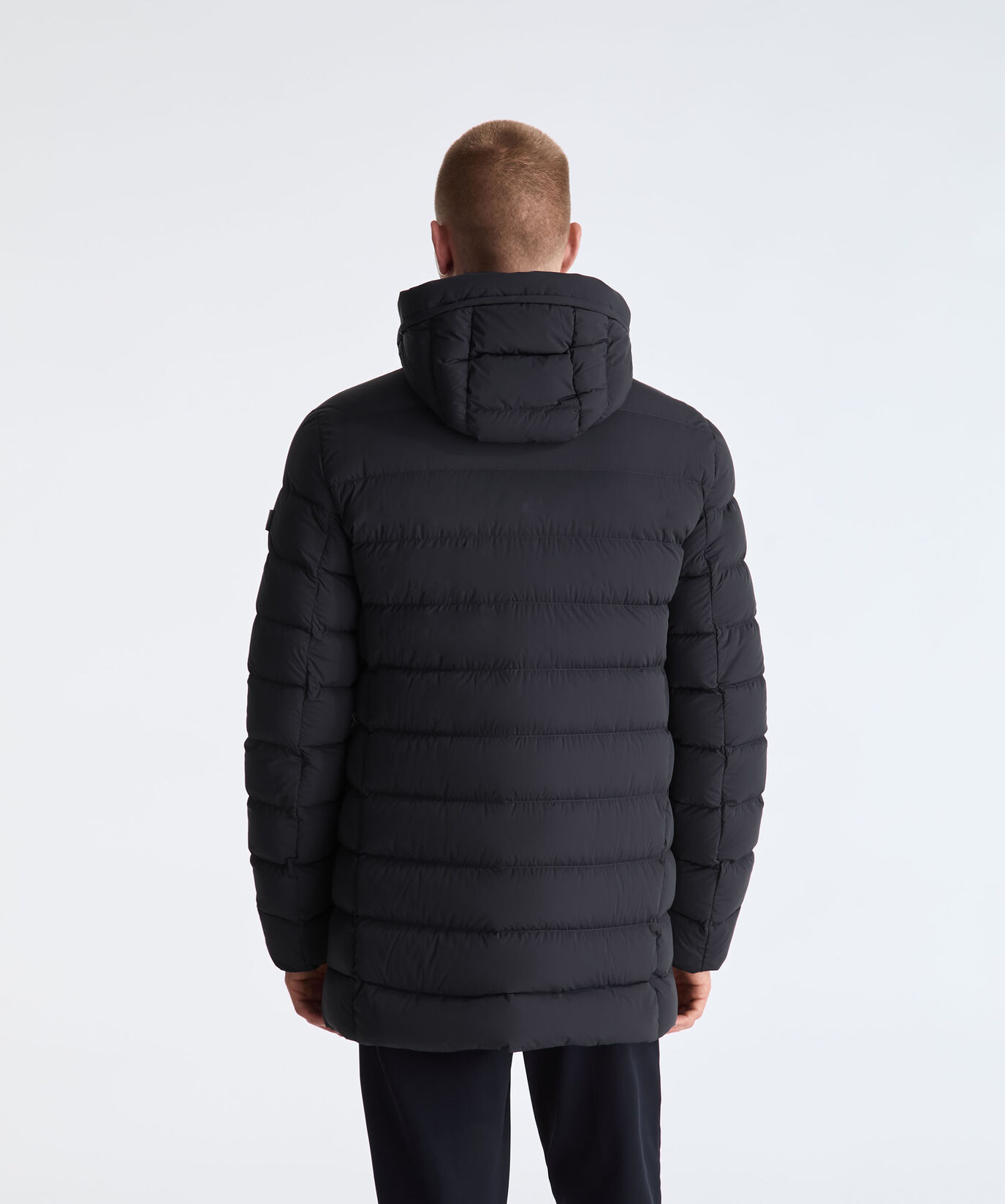
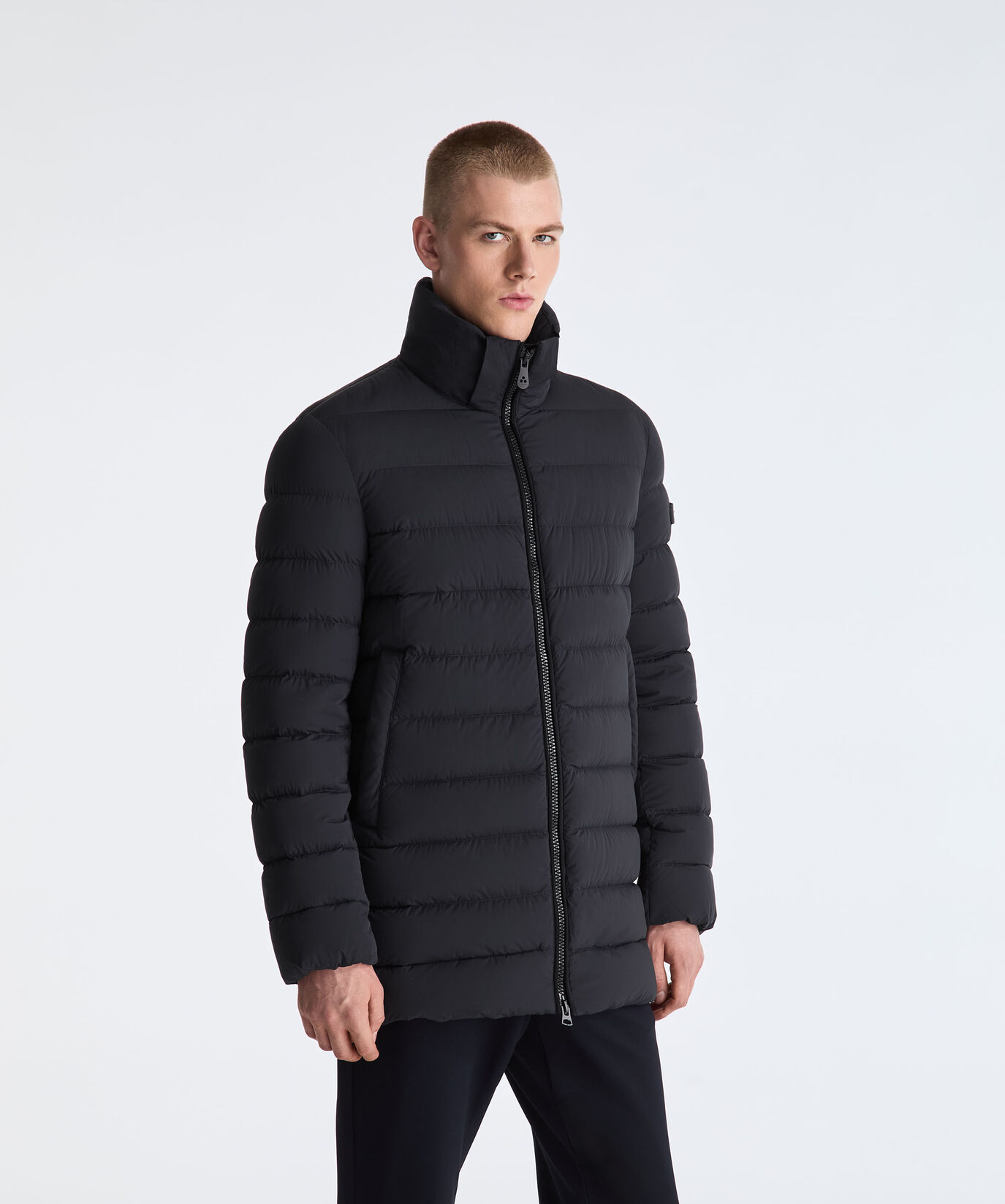
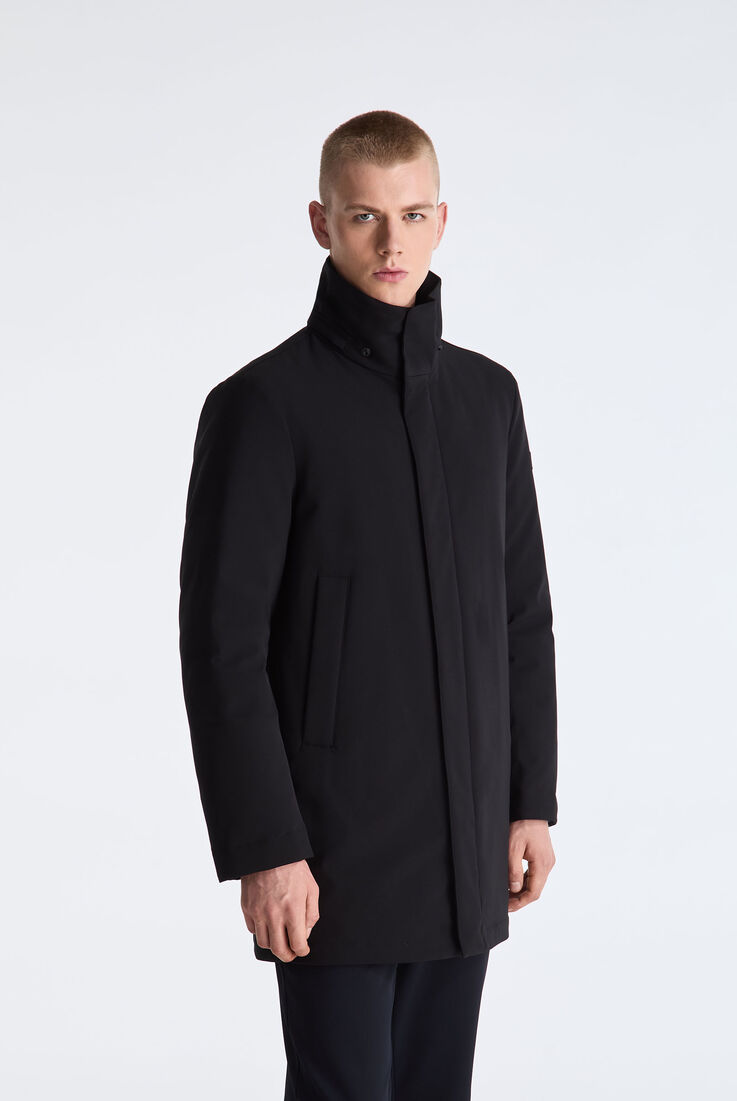
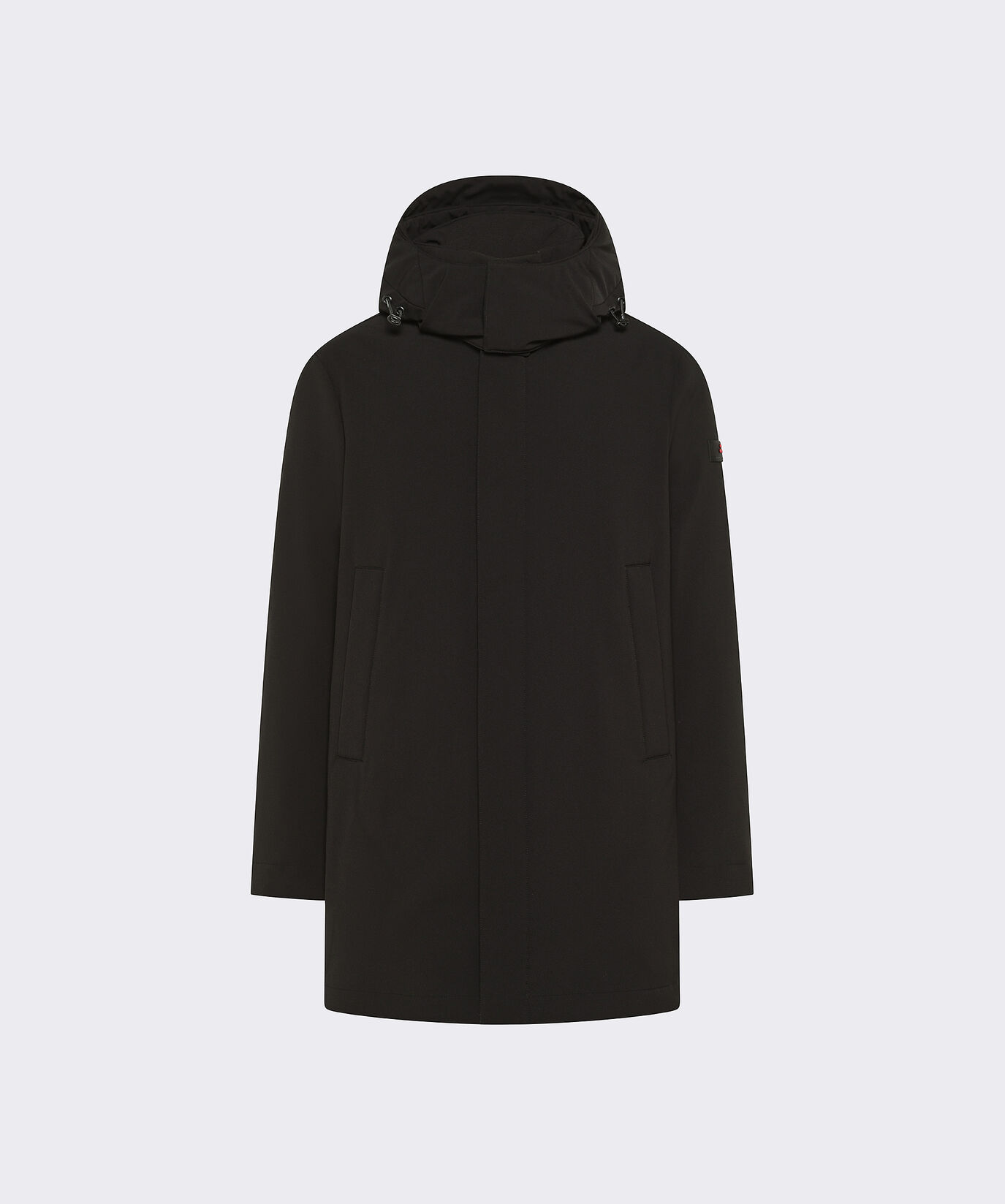
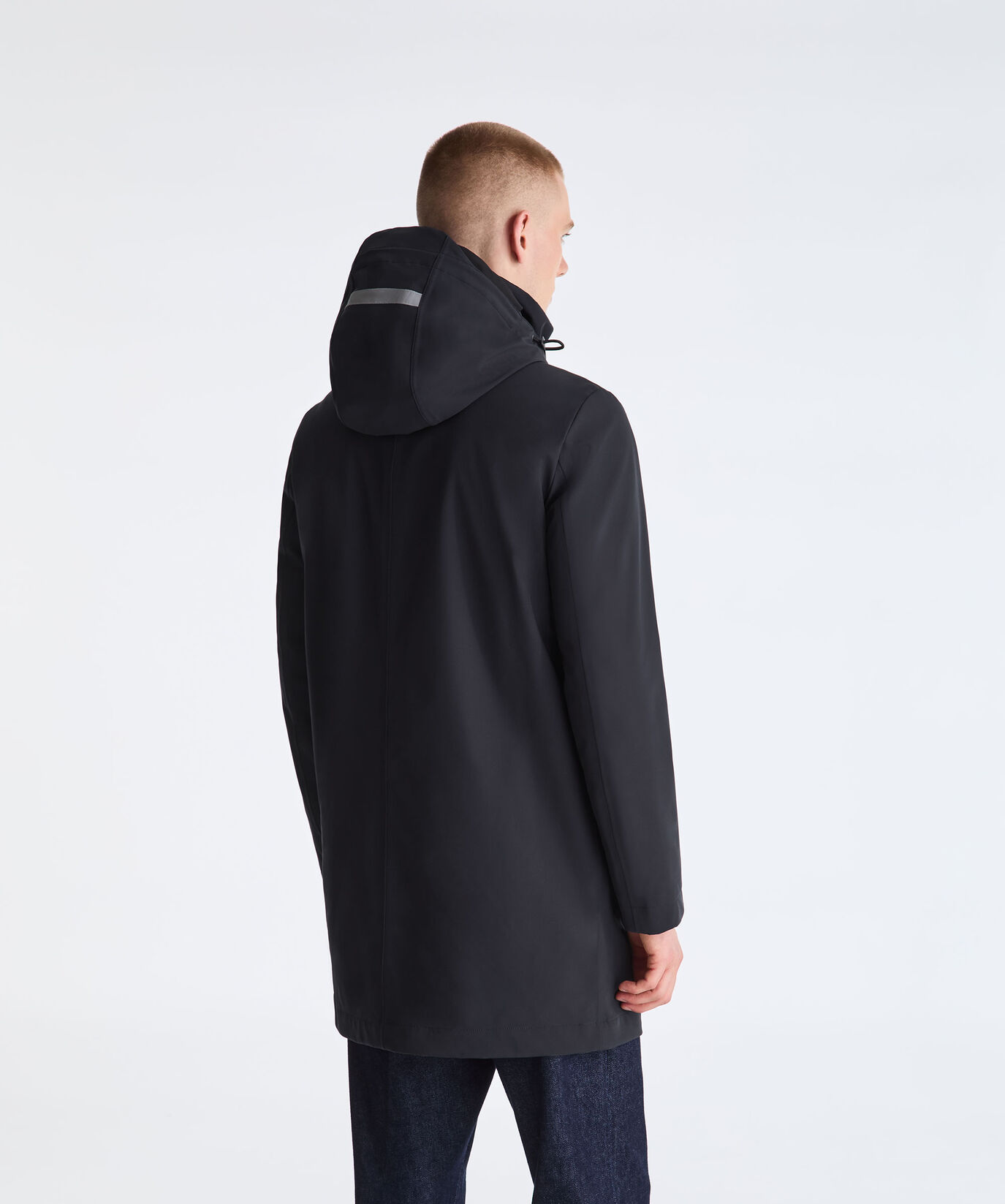
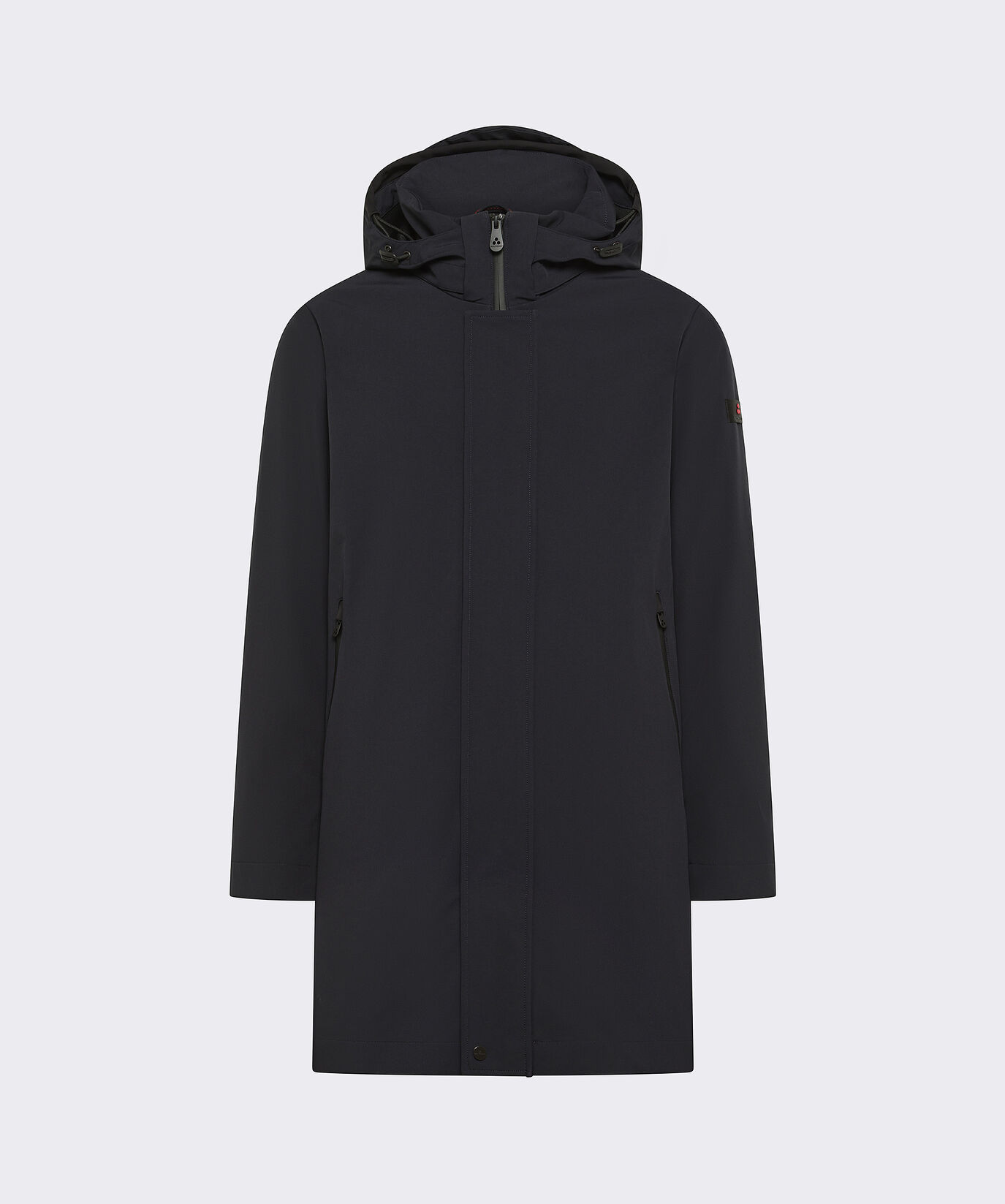
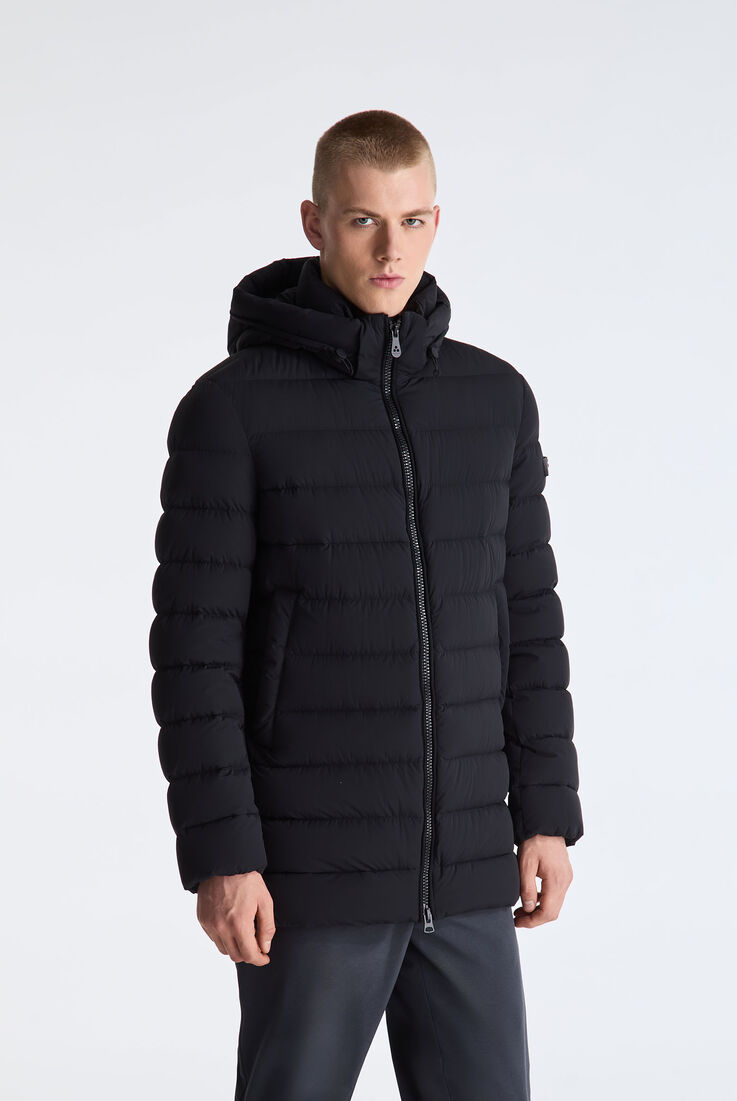
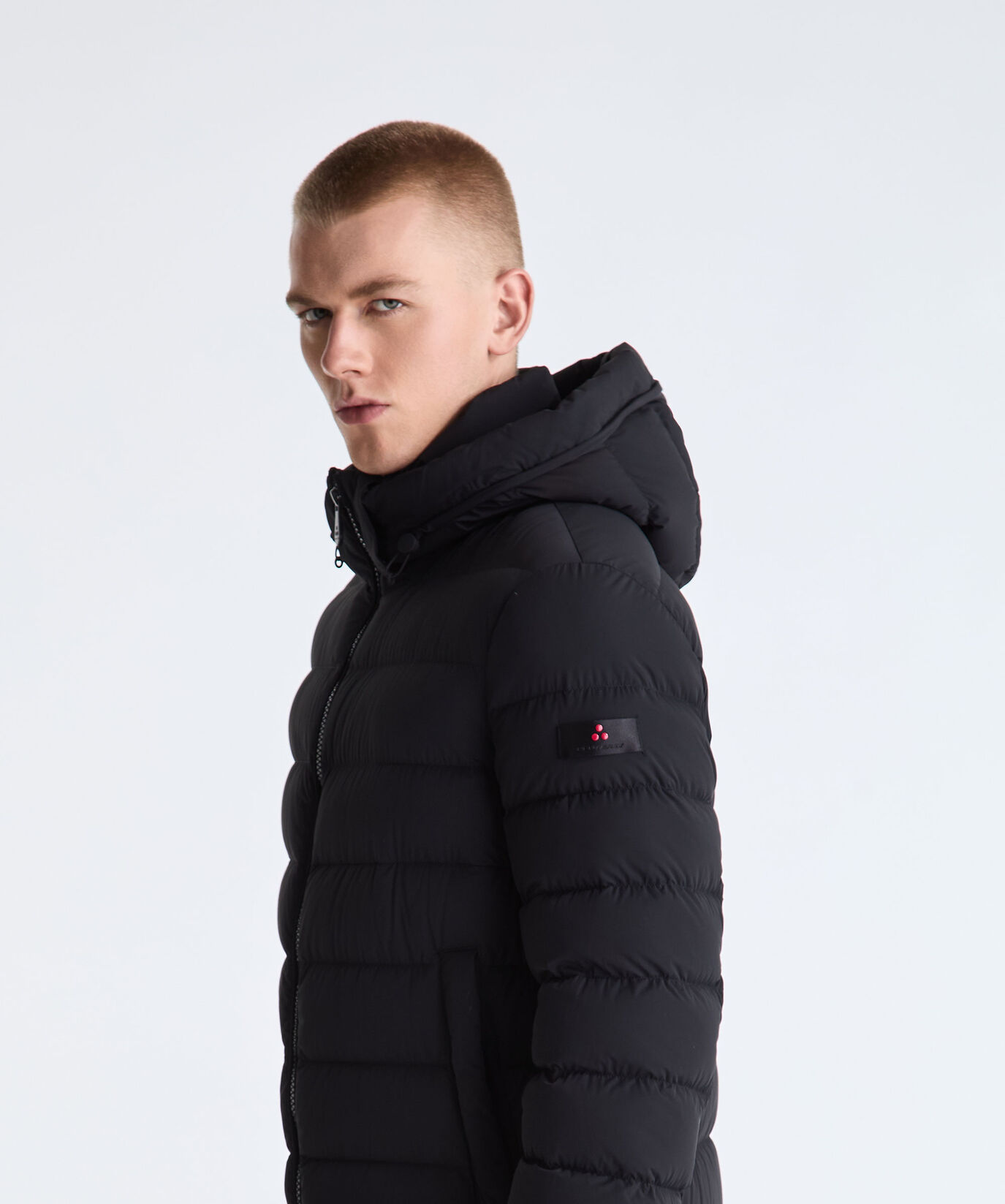
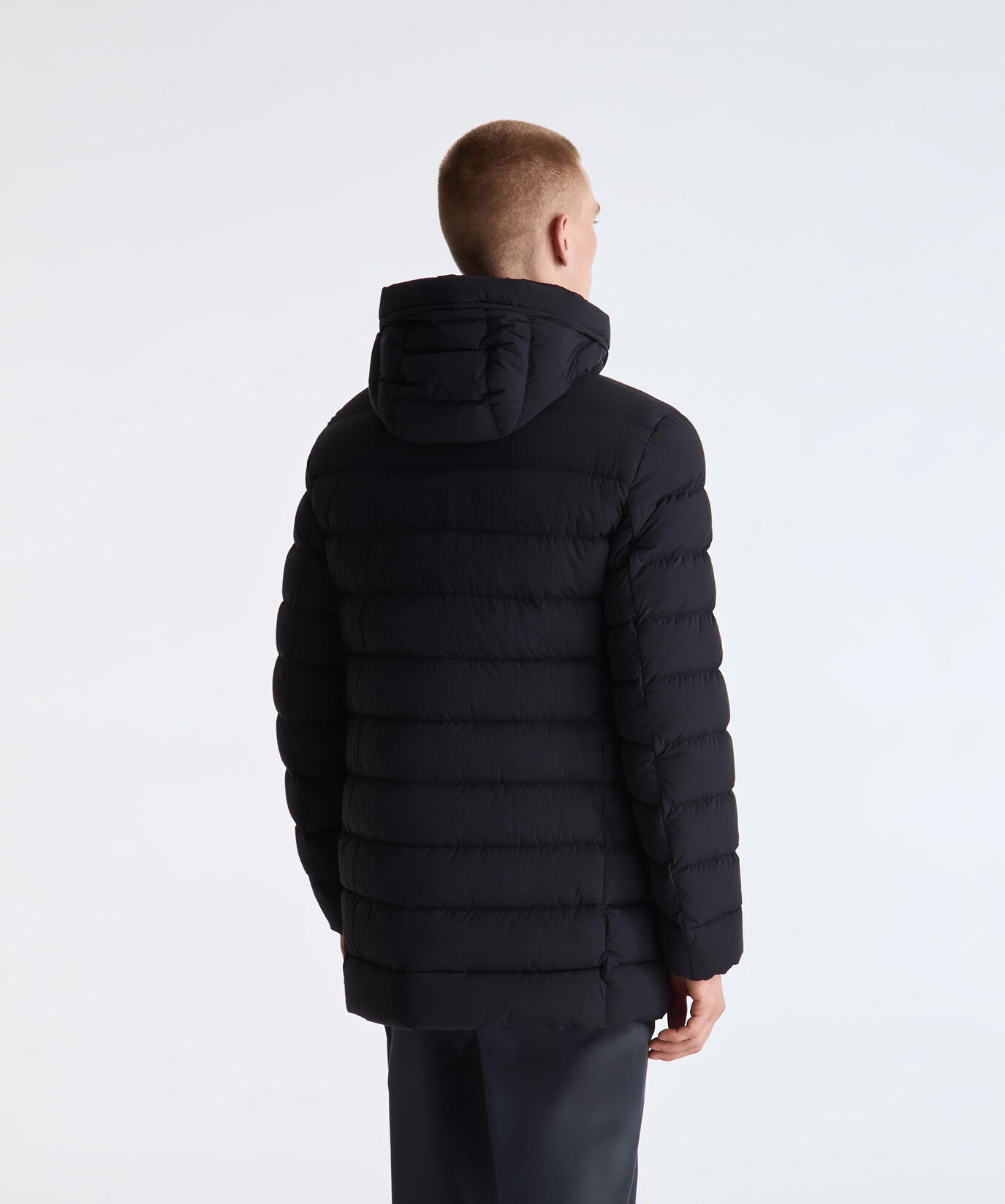
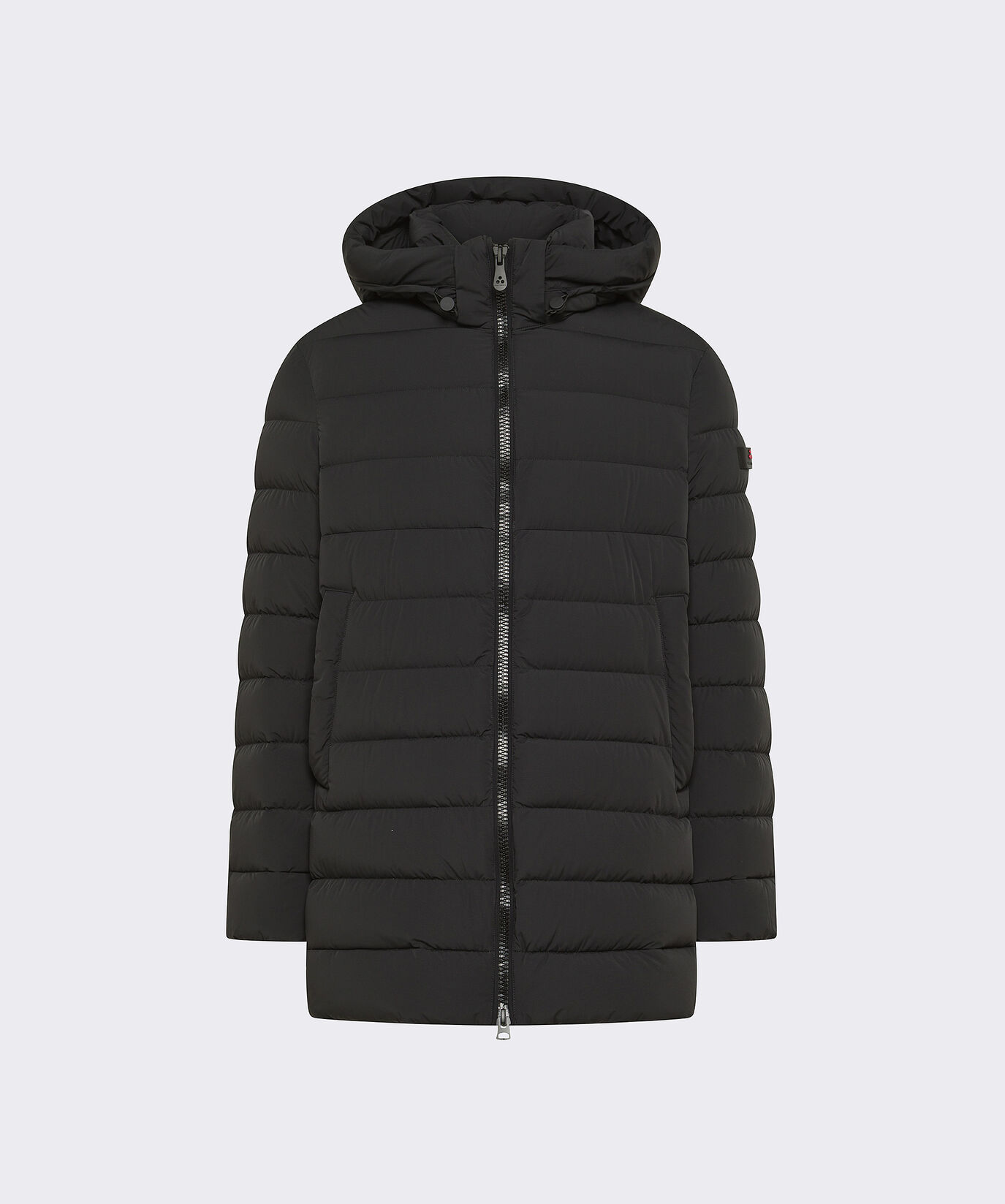
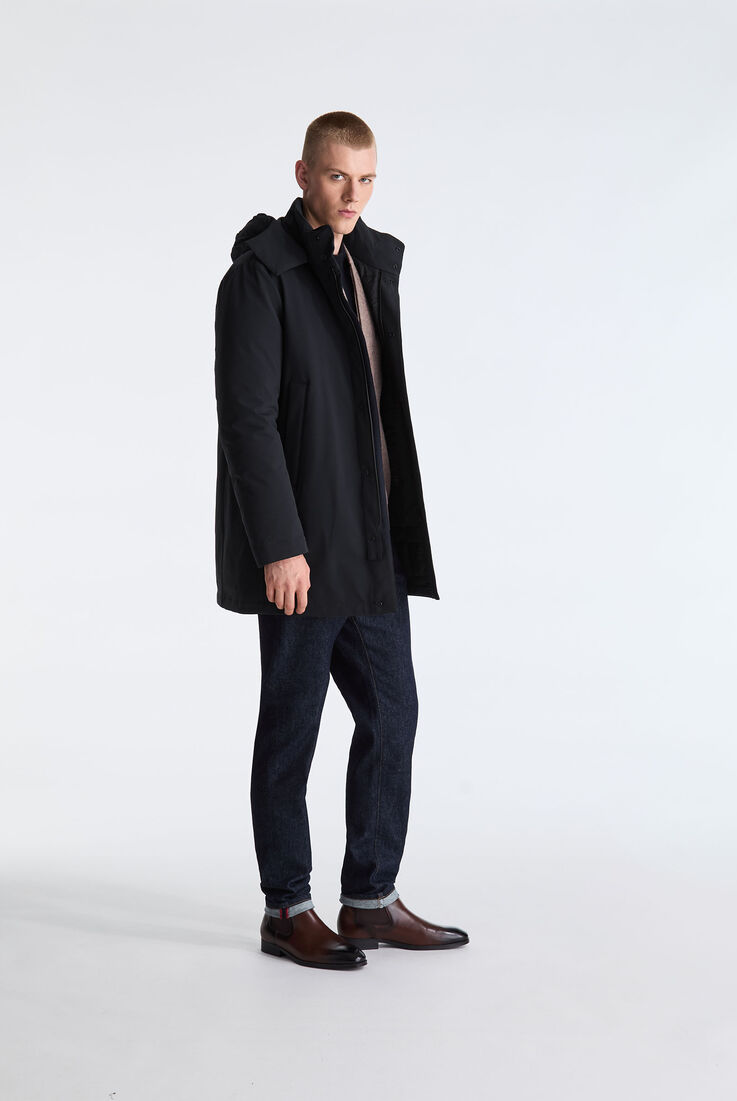
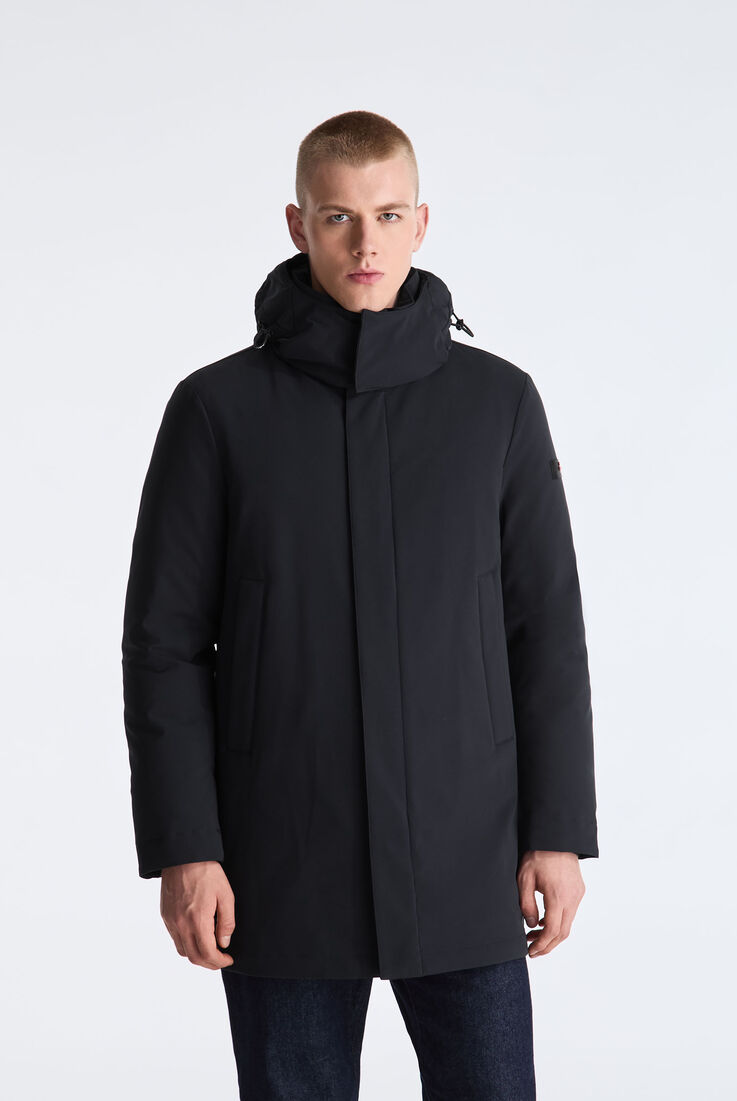
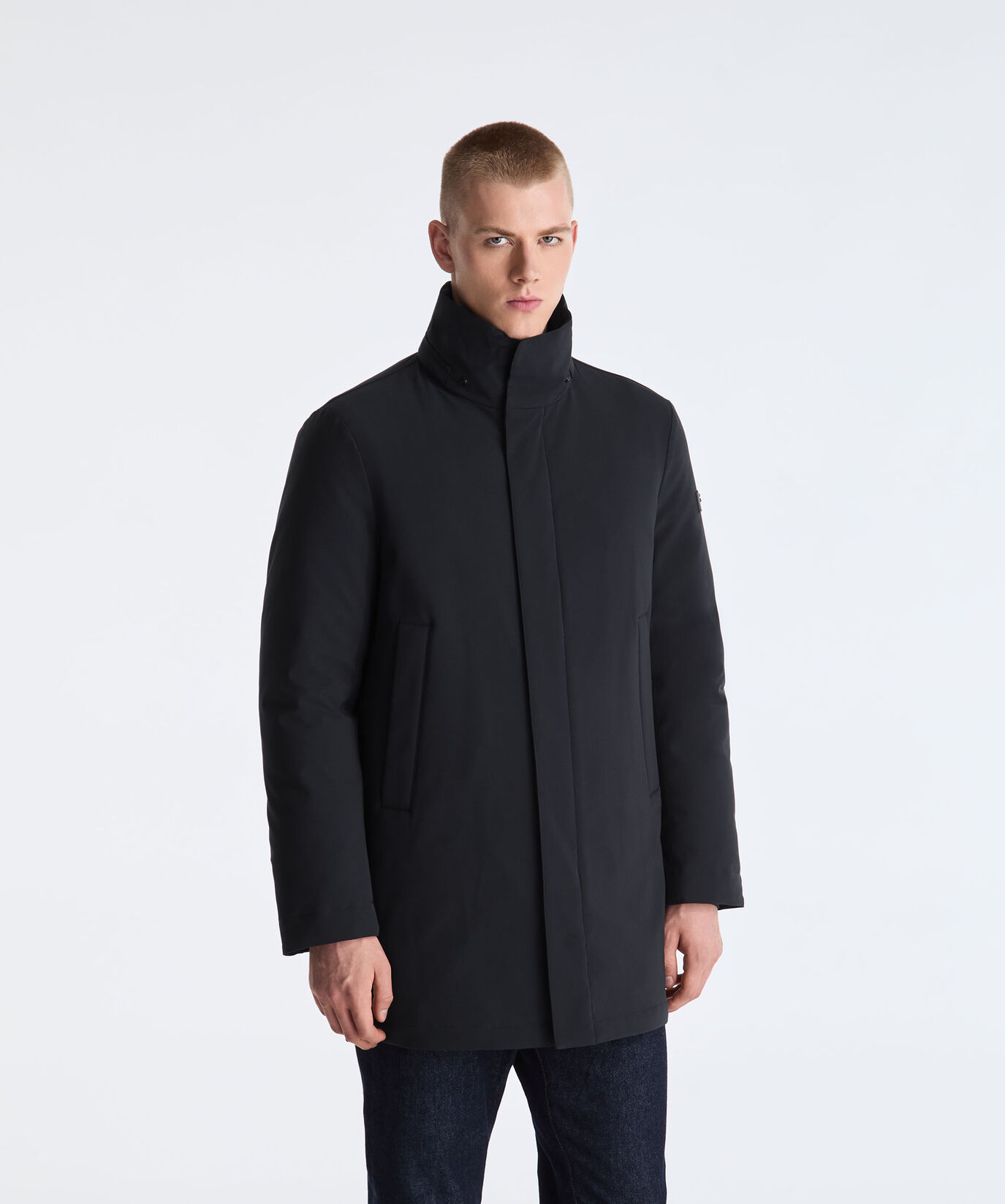
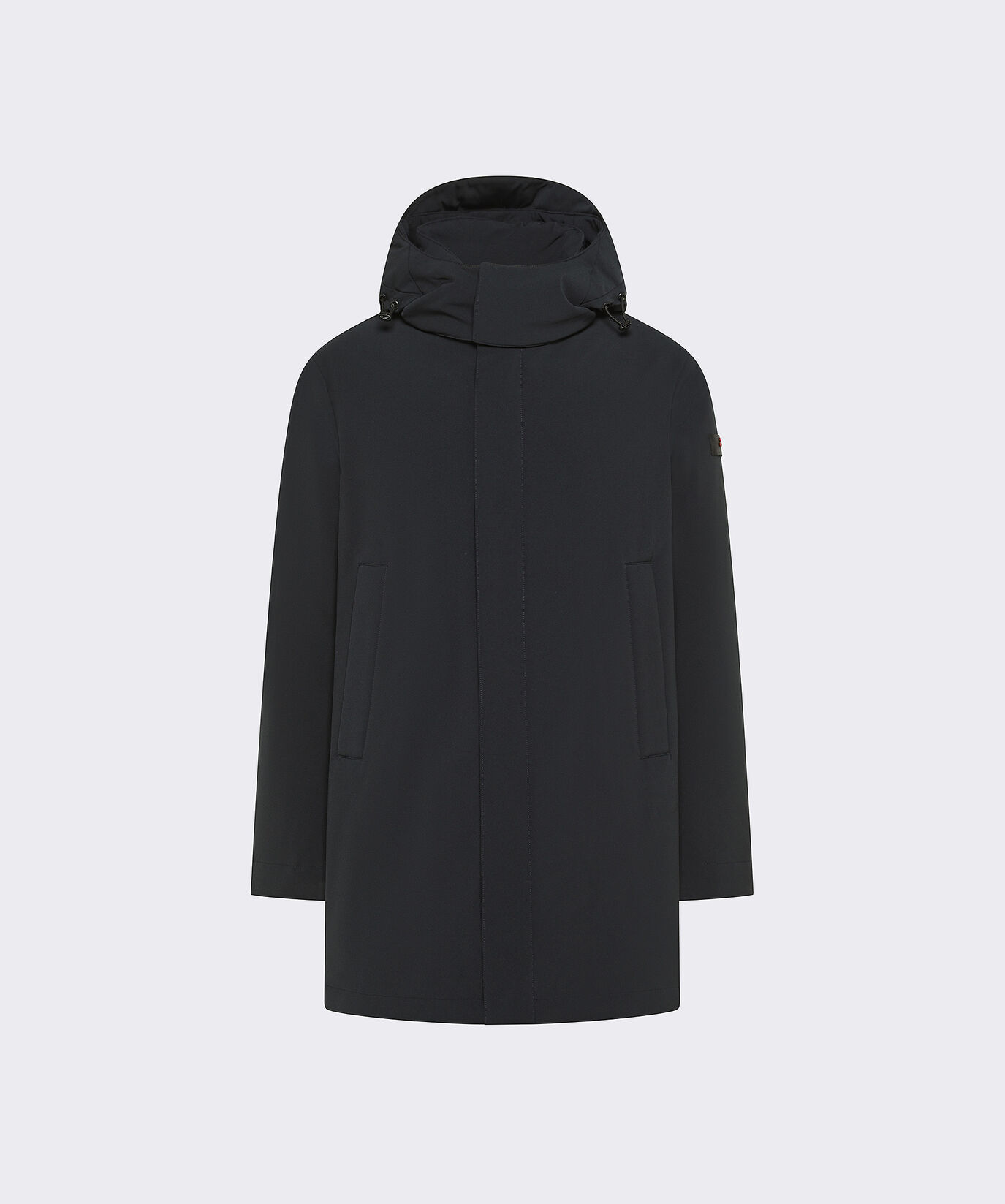
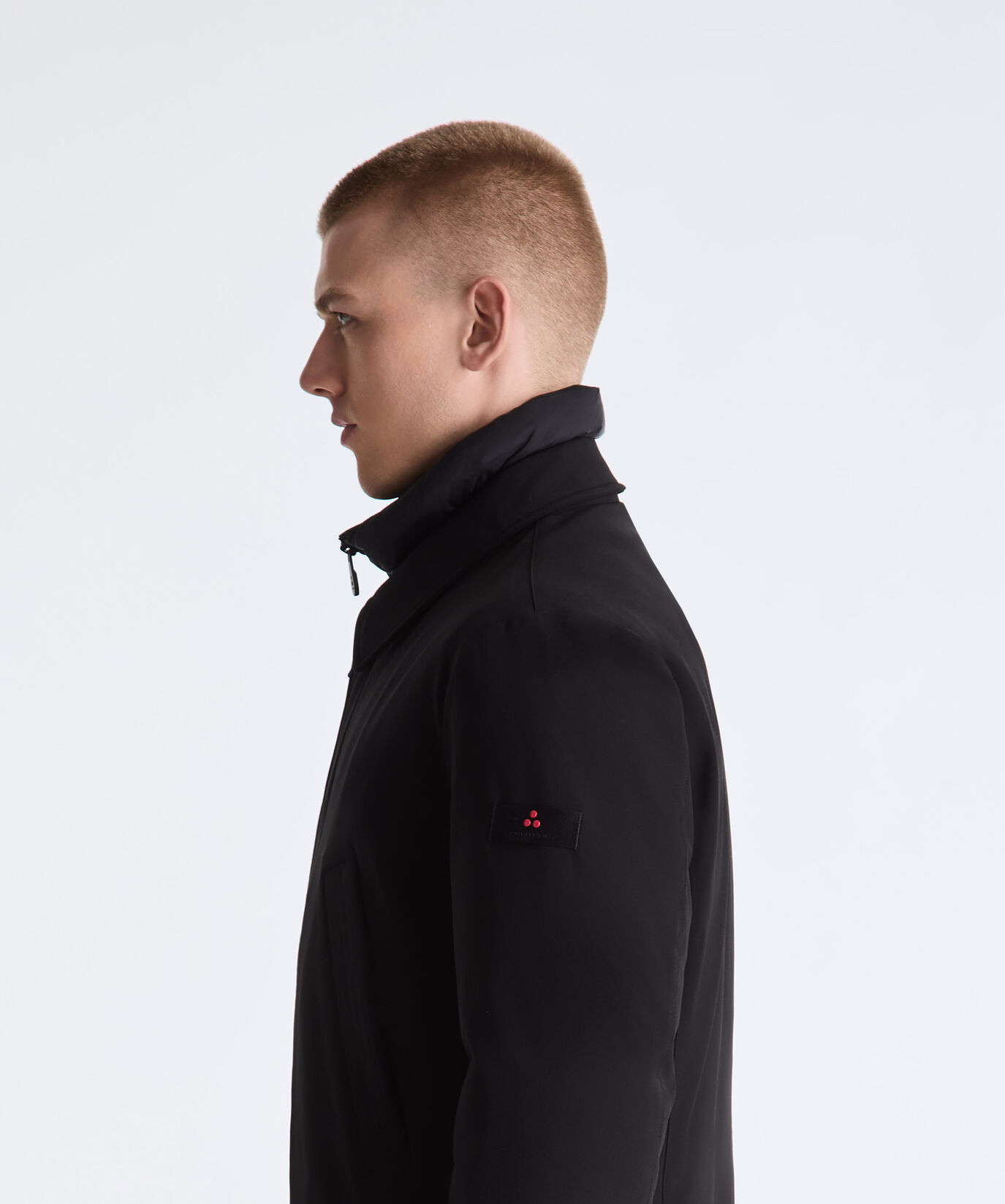
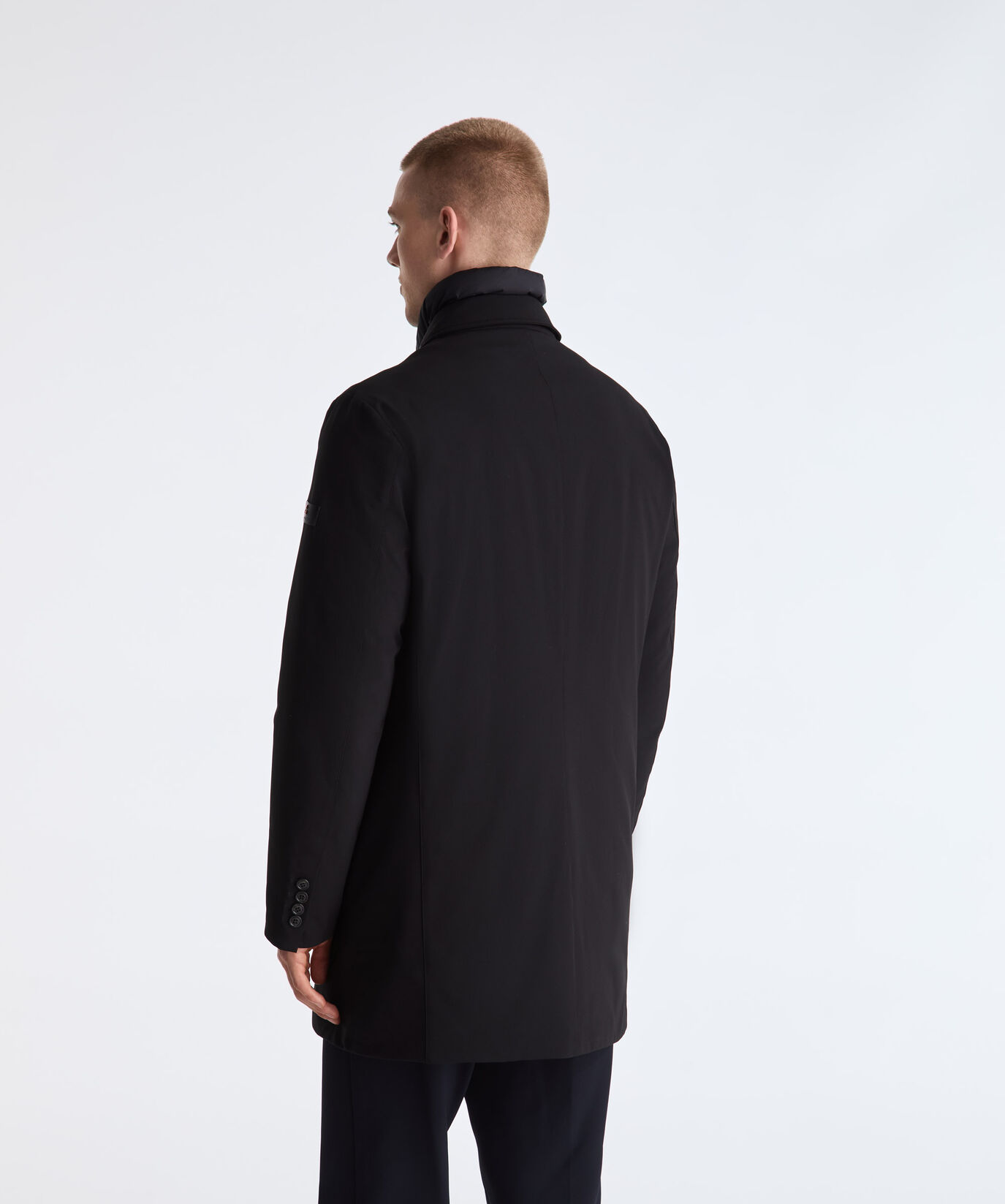
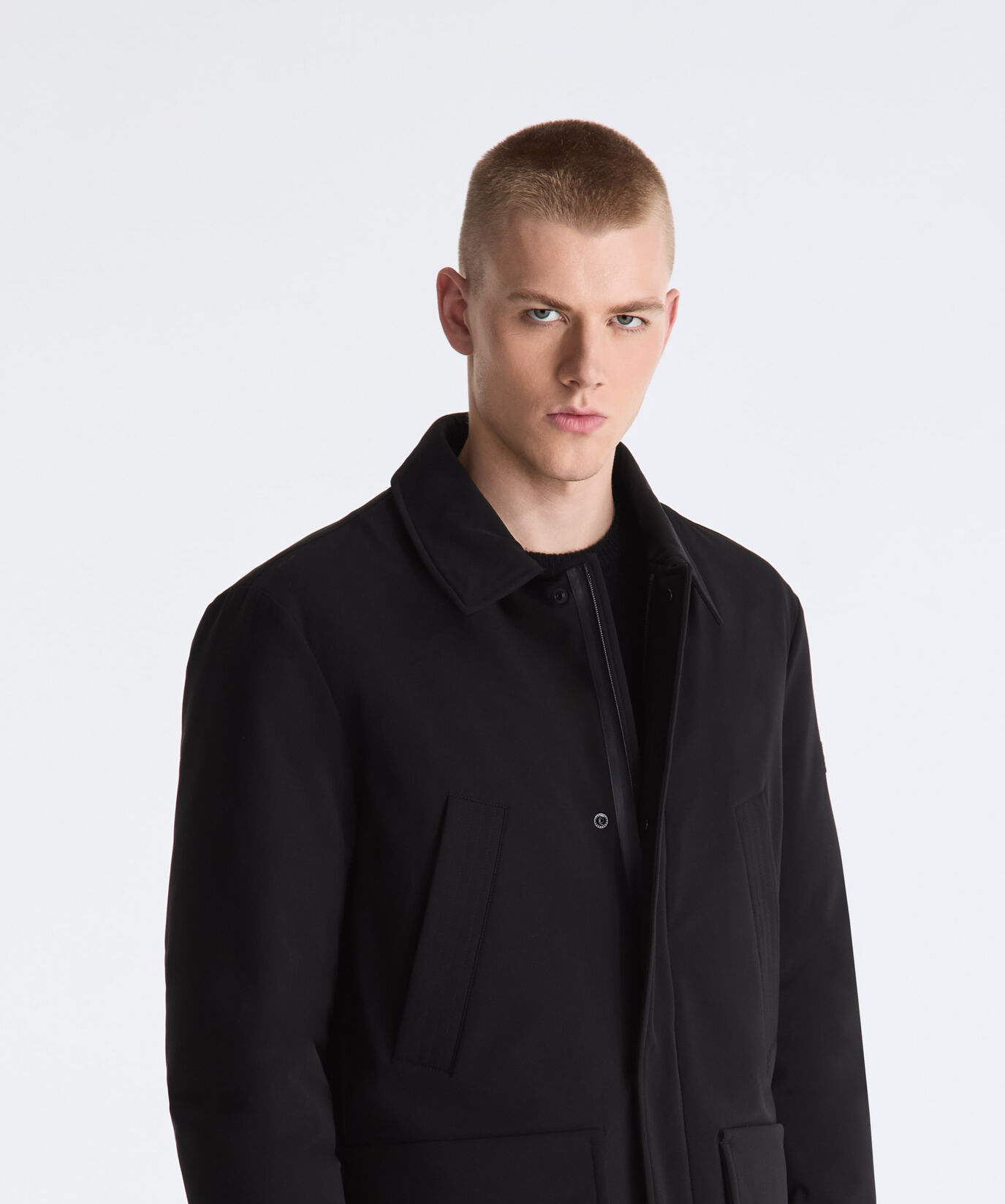
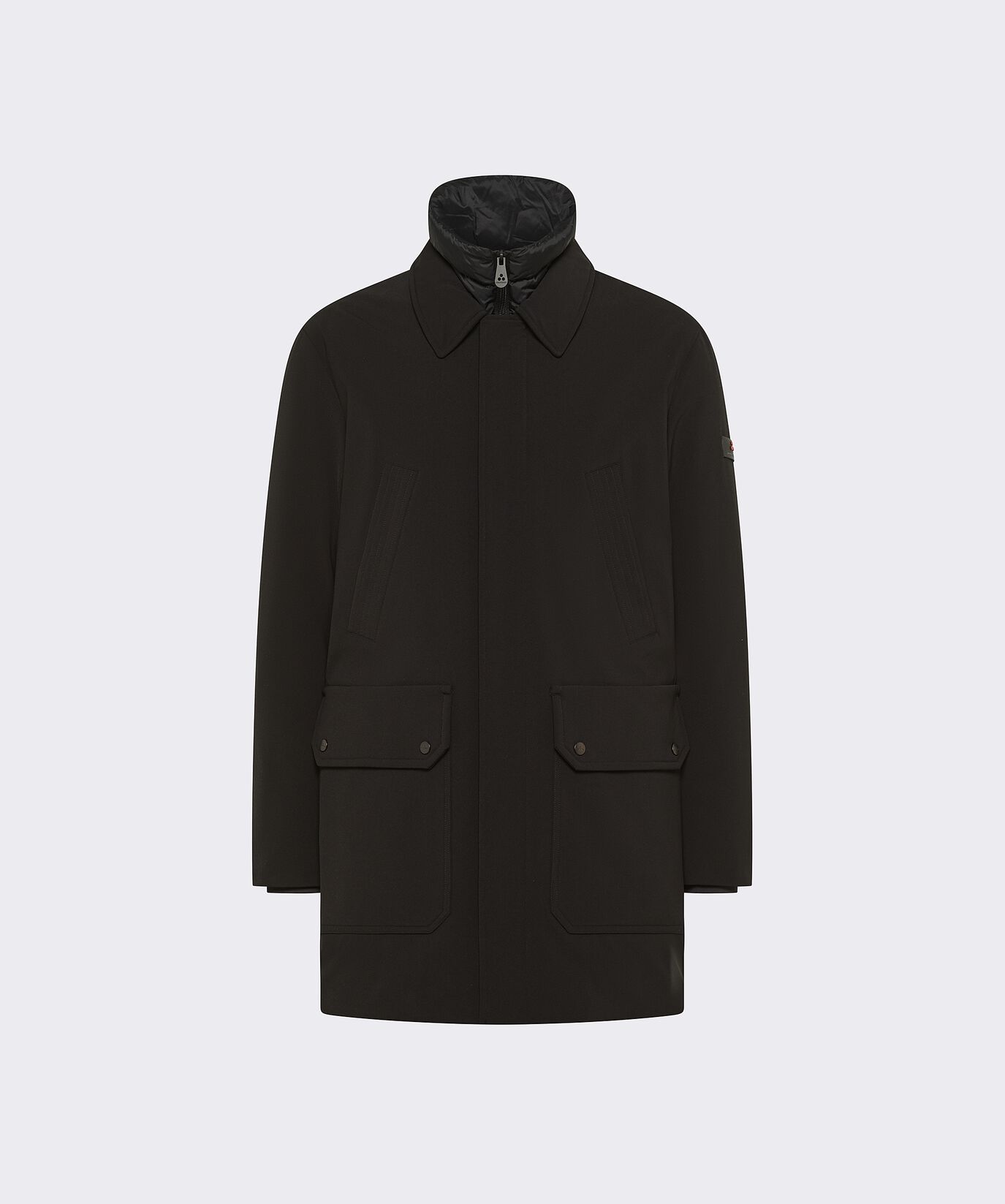
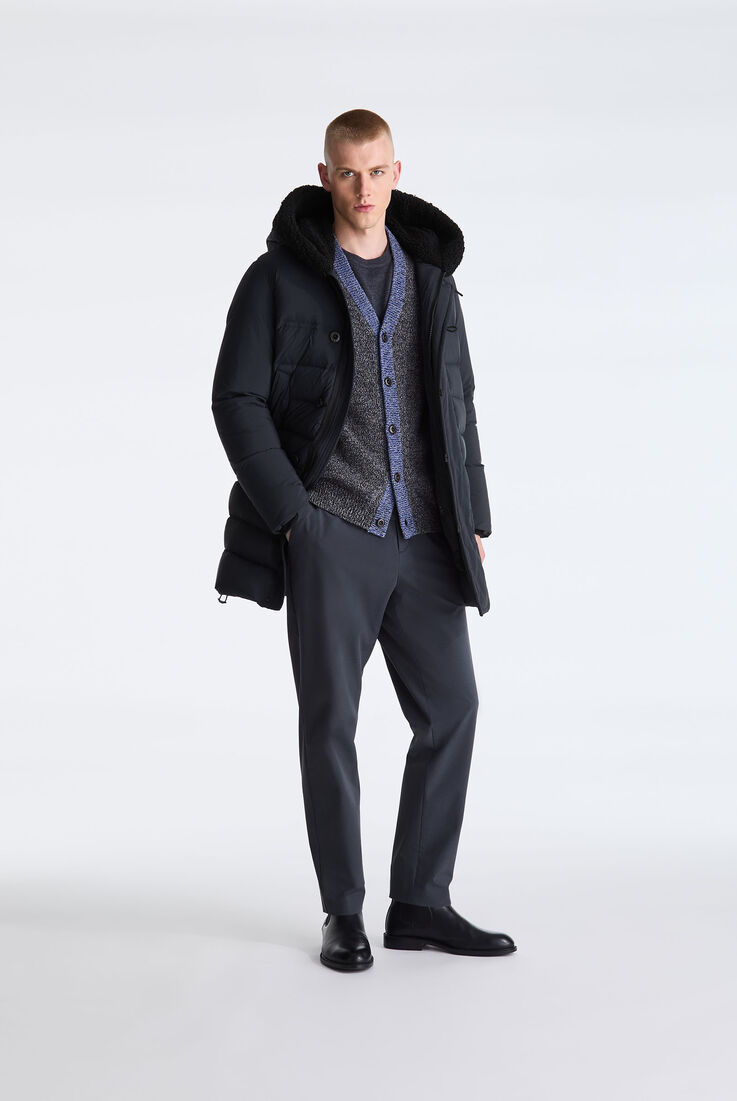
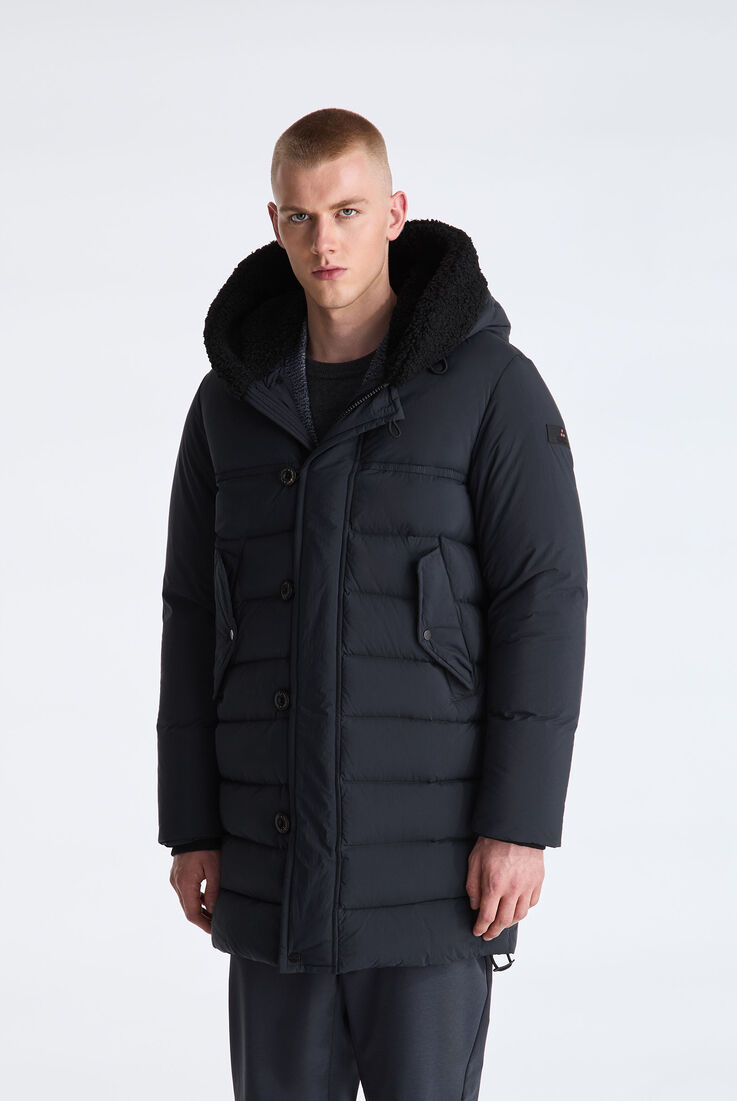
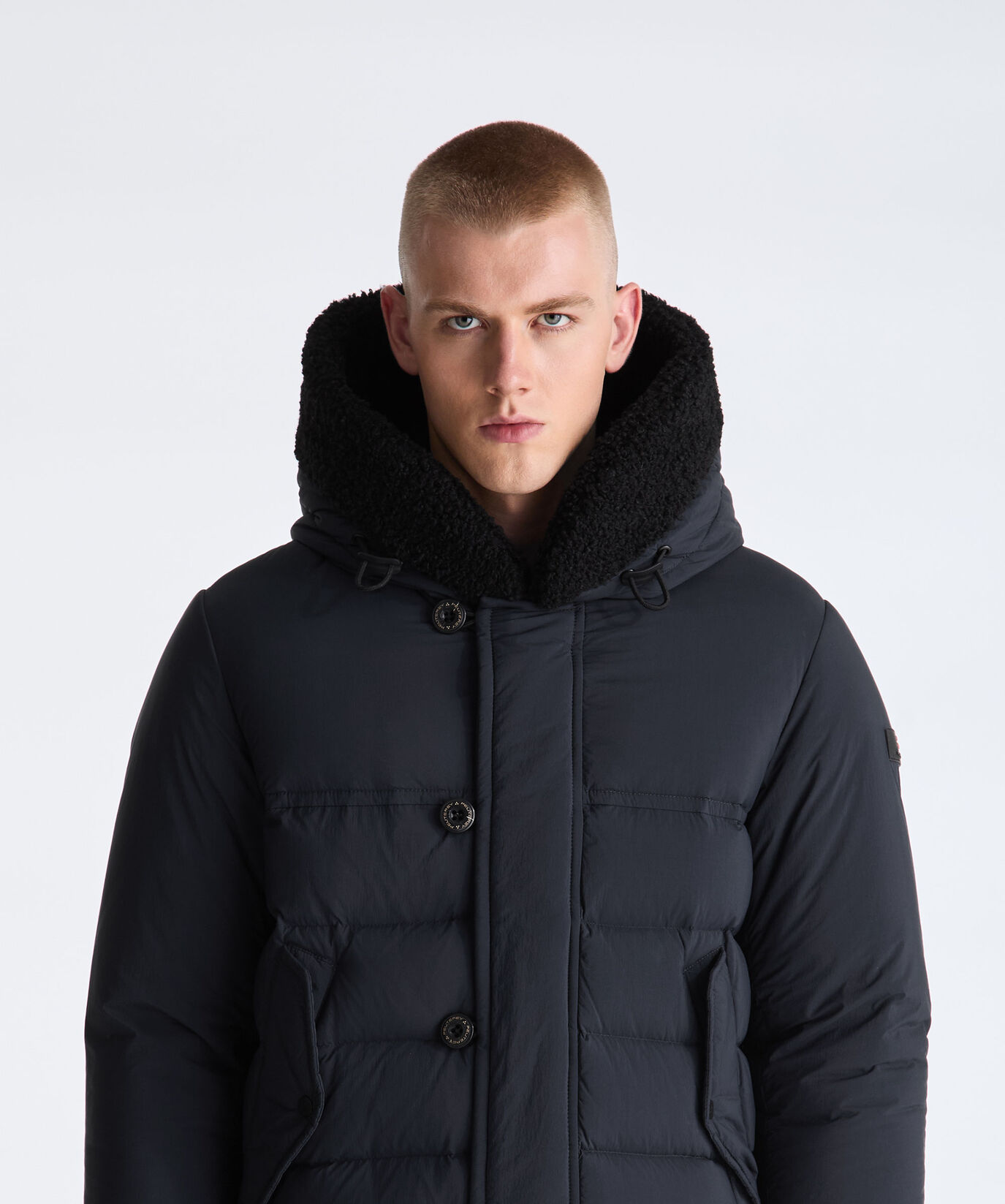
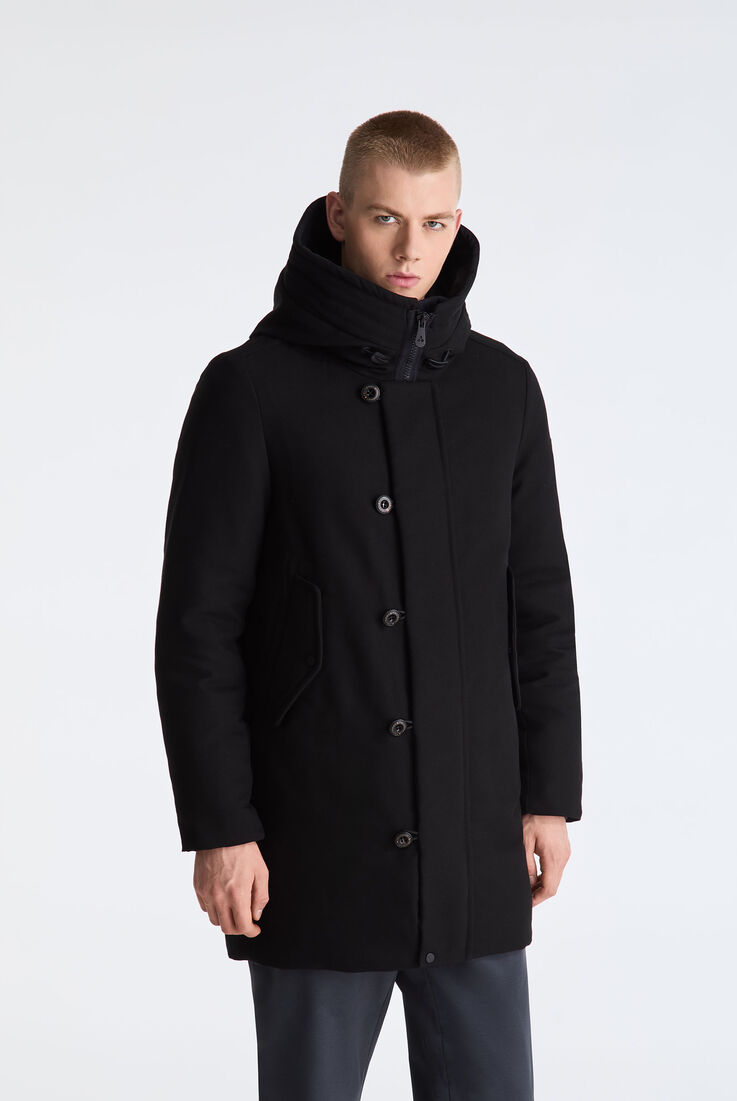
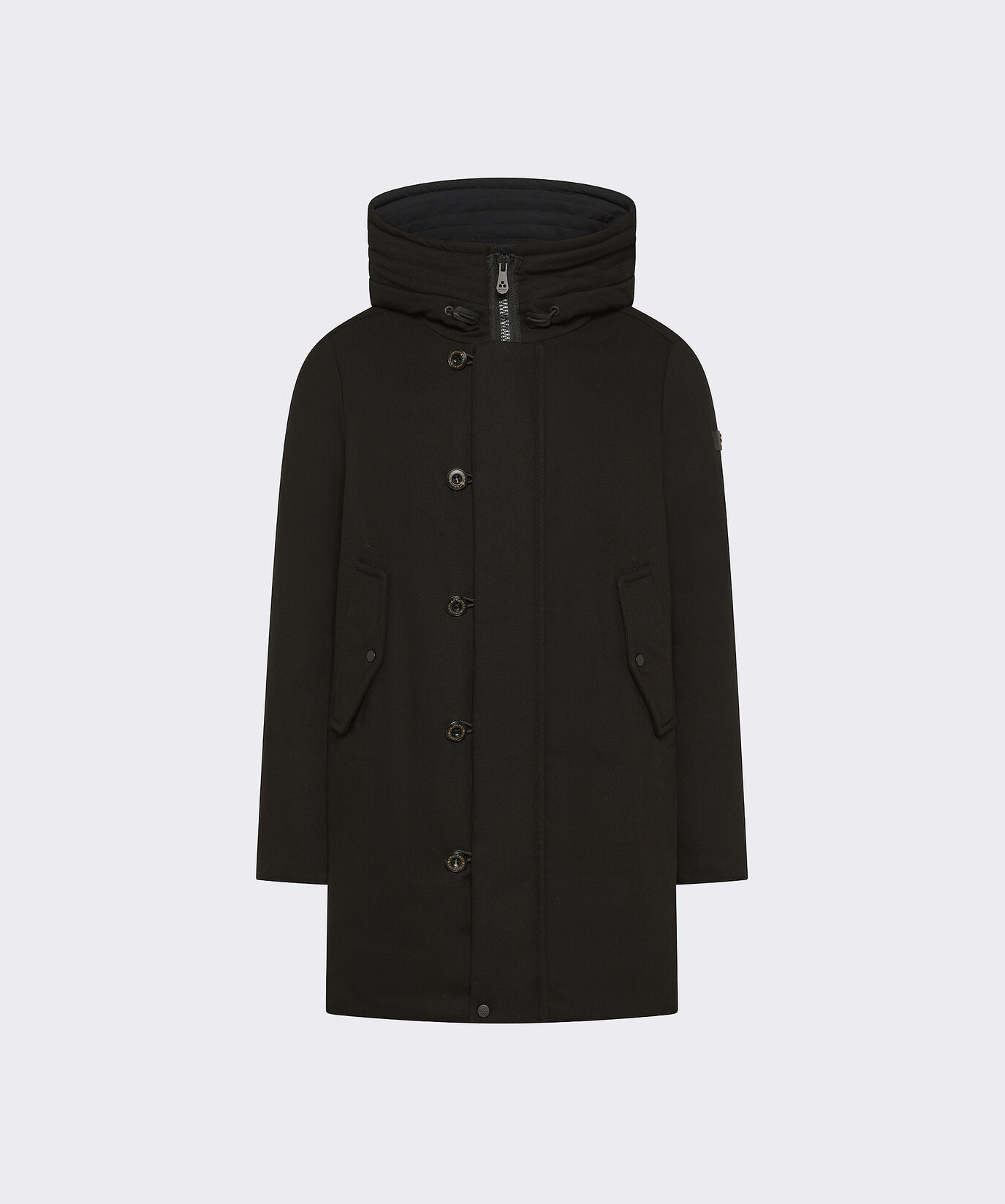
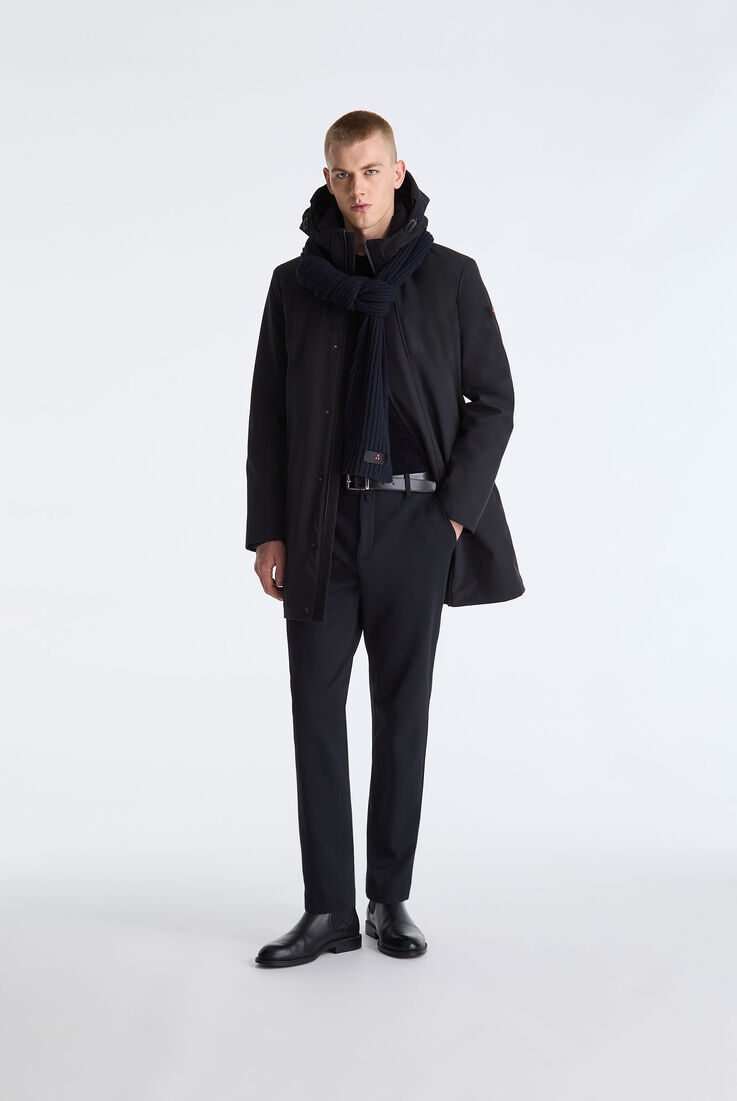
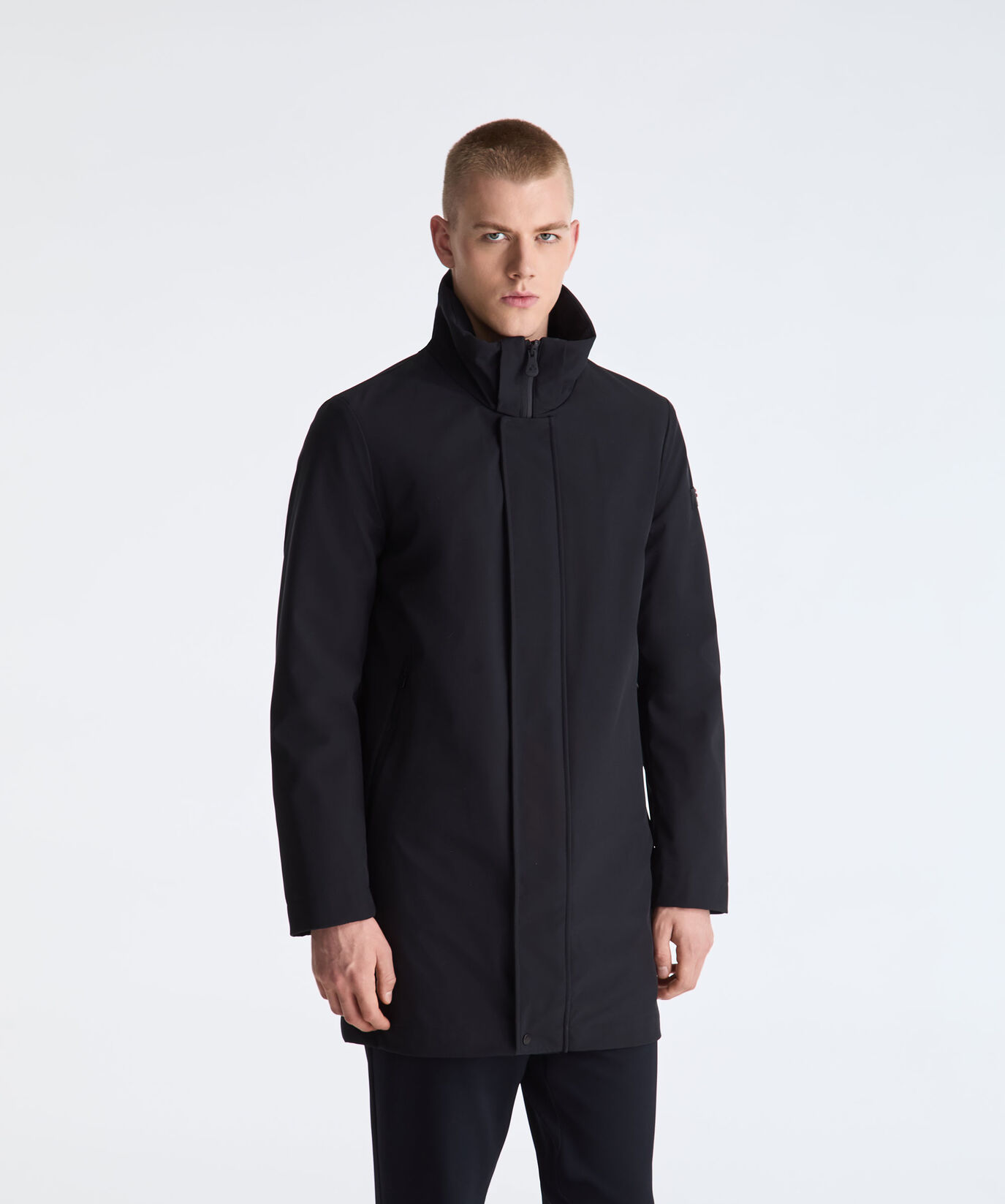
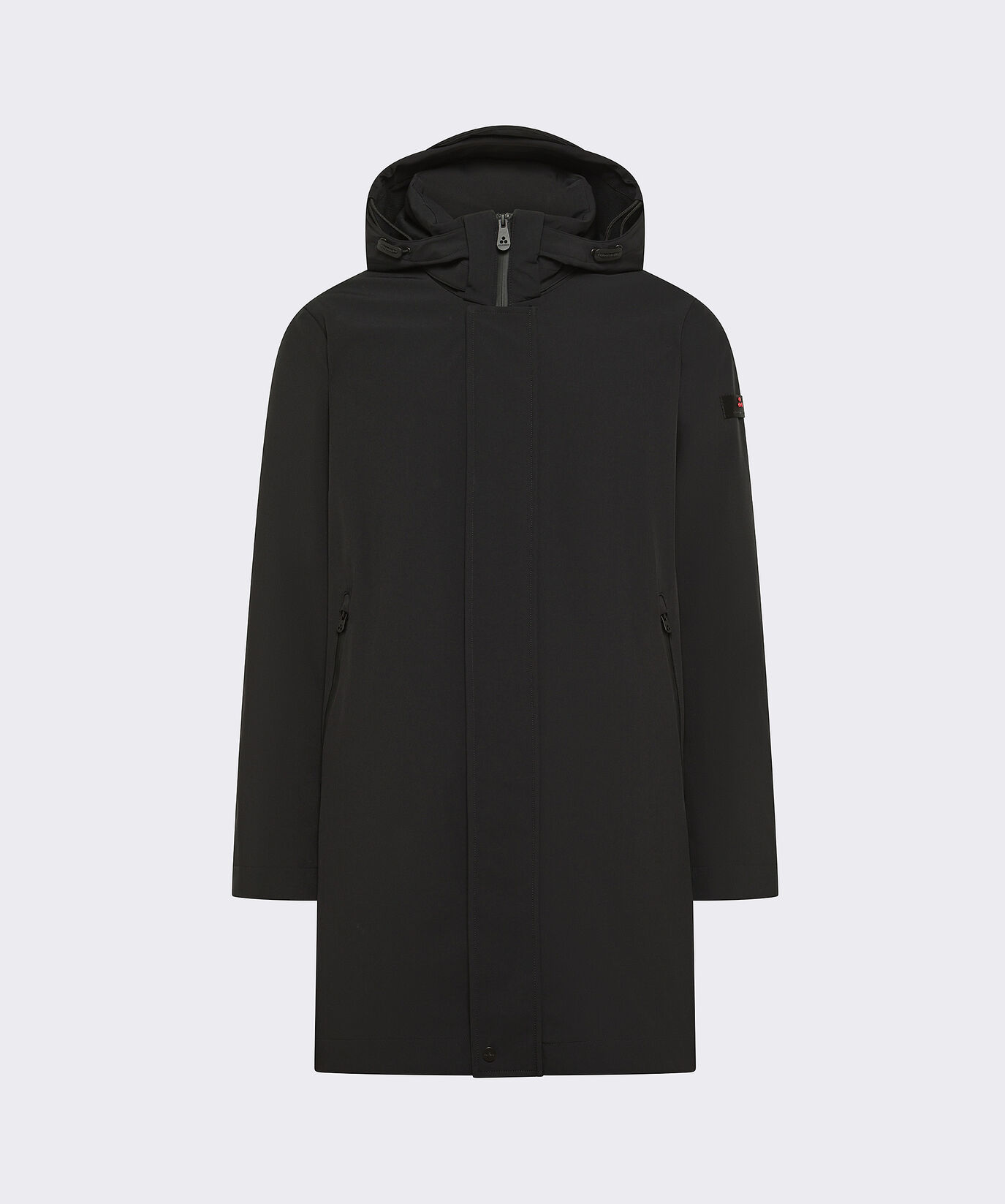
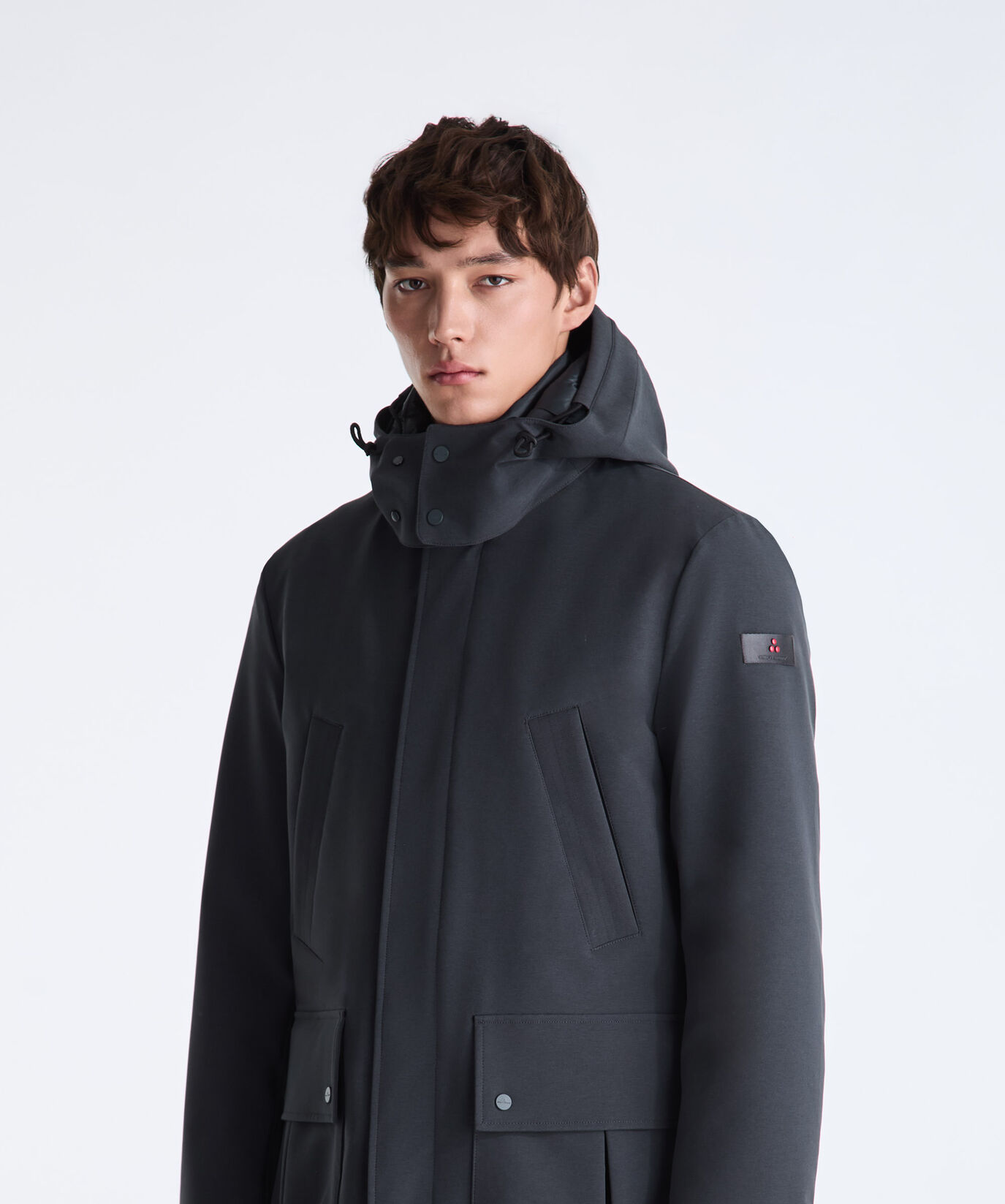
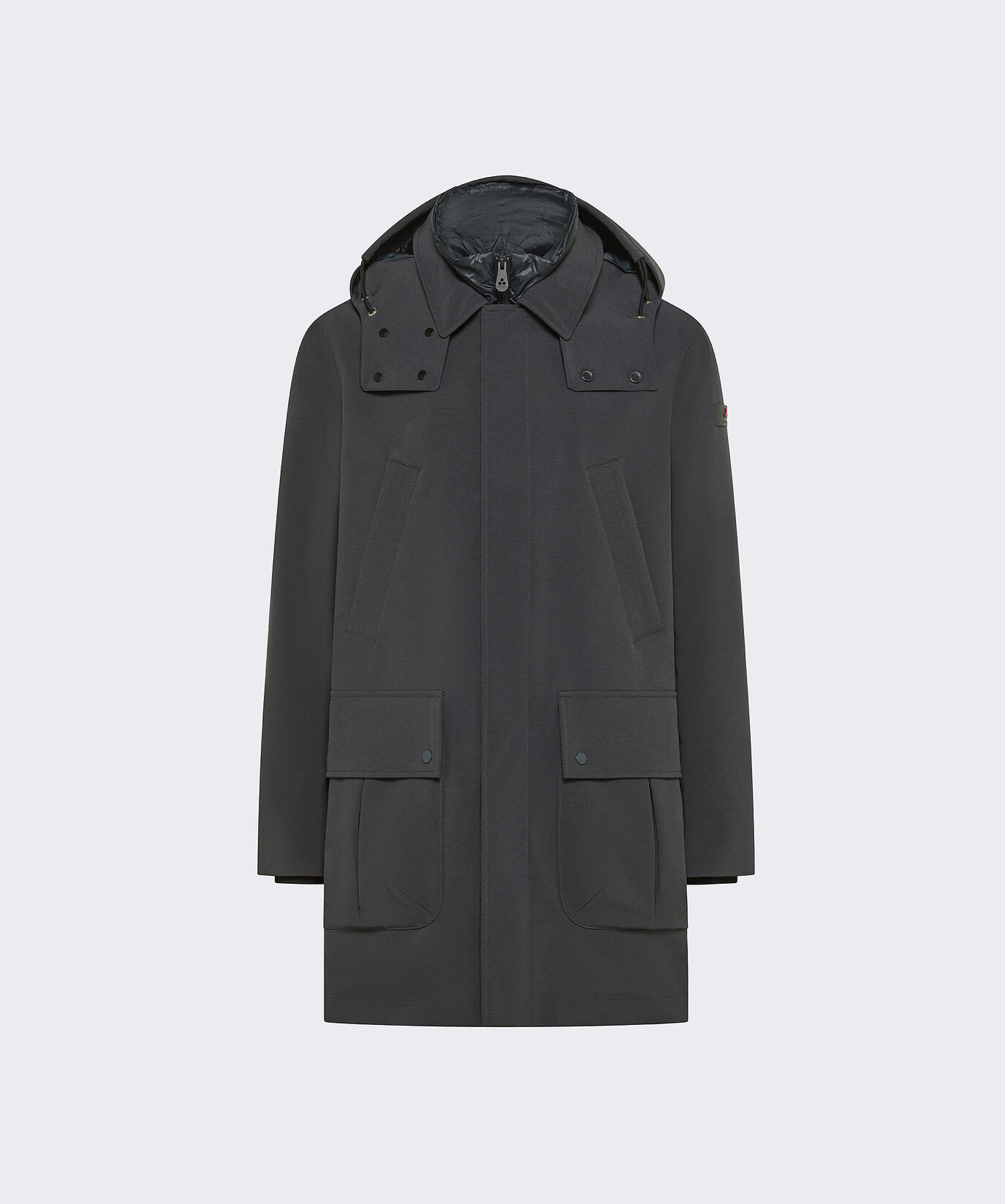
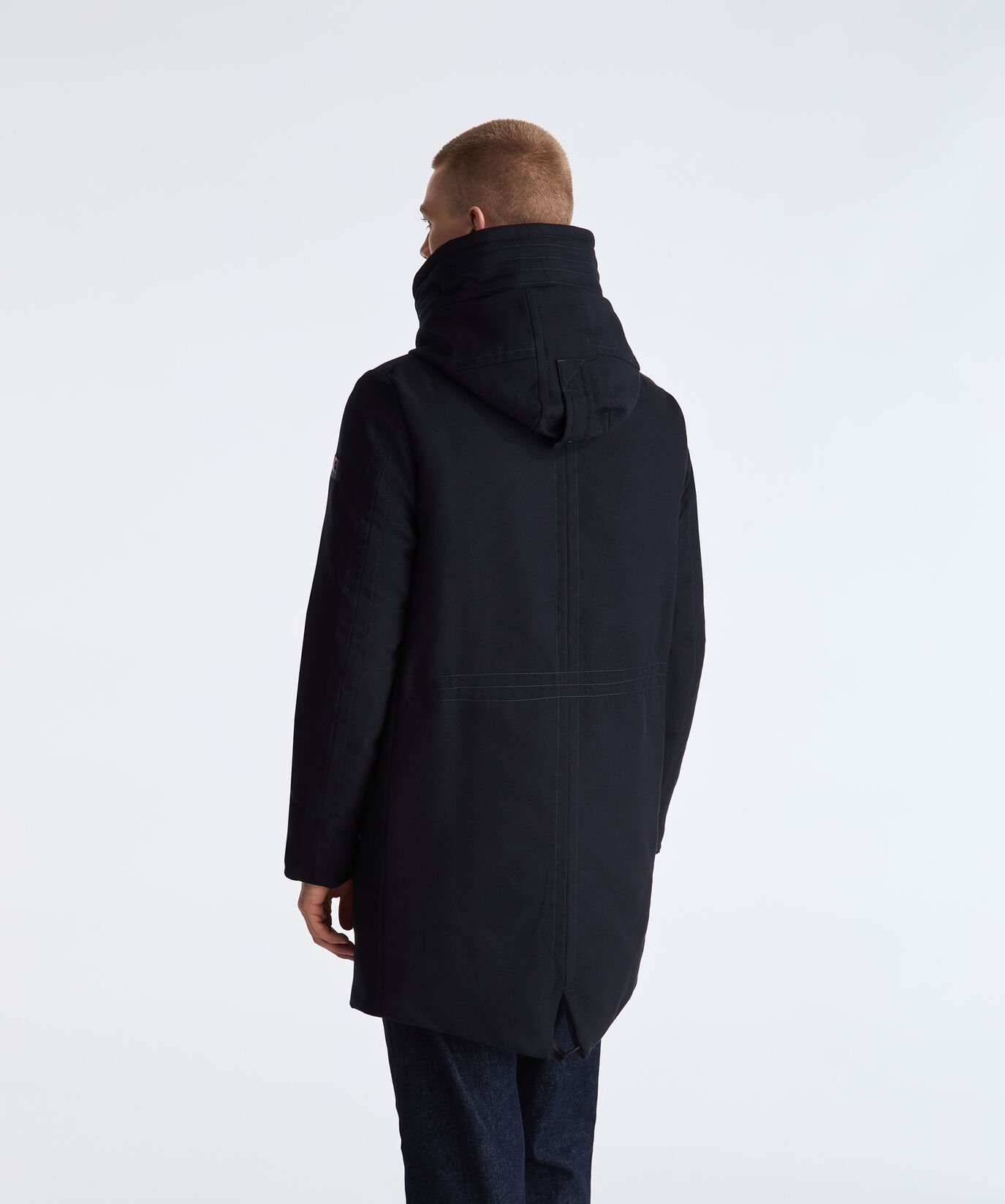
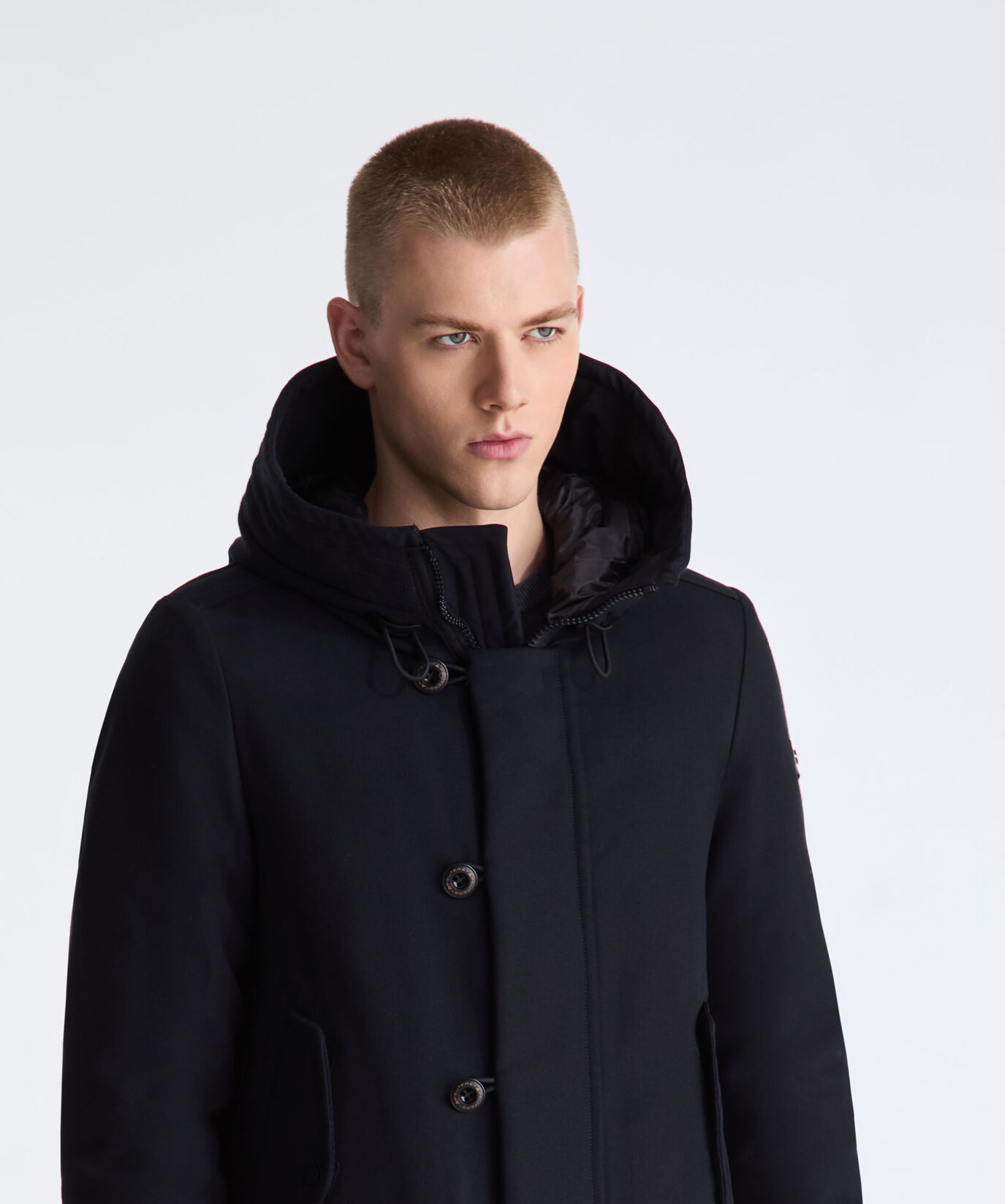
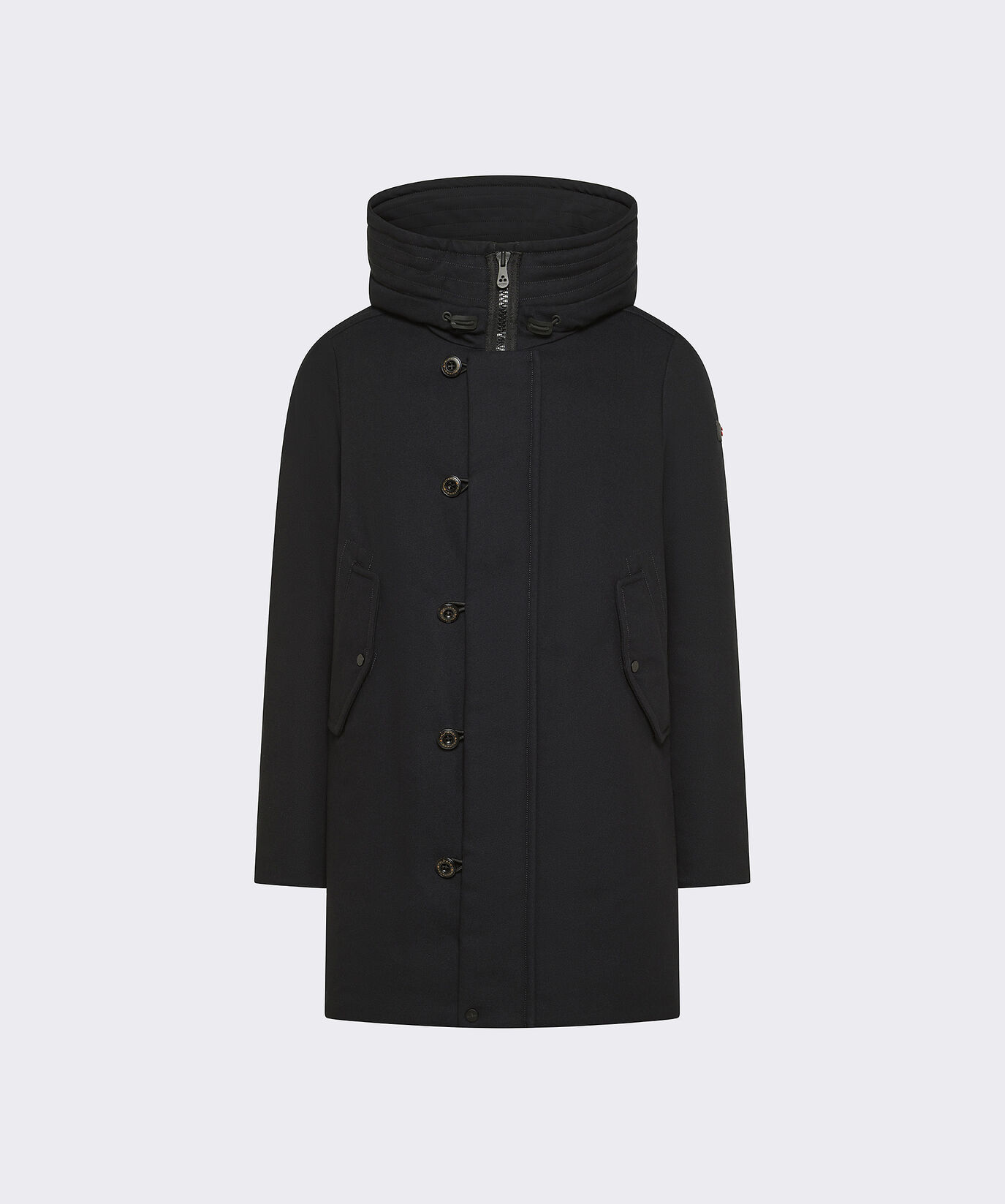
The men's parka is outerwear built around function: coverage, protection and freedom of movement. Its military origins are still visible in the length, the pockets and the frequent presence of a hood, but contemporary interpretations lighten its impact with technical fabrics, clean lines and volumes suited to urban life. A men's parka can therefore take you through the daily commute, weekends or travel without needing a change of style. Among men's outerwear, it's the choice for those who want more structure than a lightweight jacket and a less quilted look than a puffer jacket.
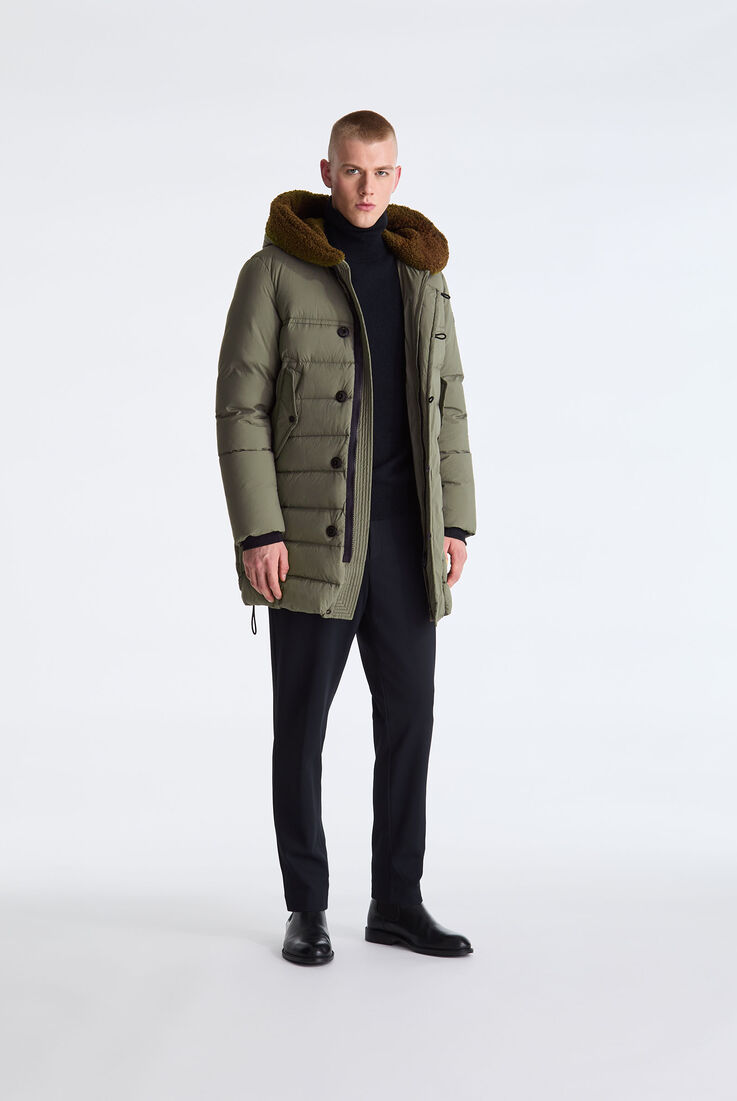
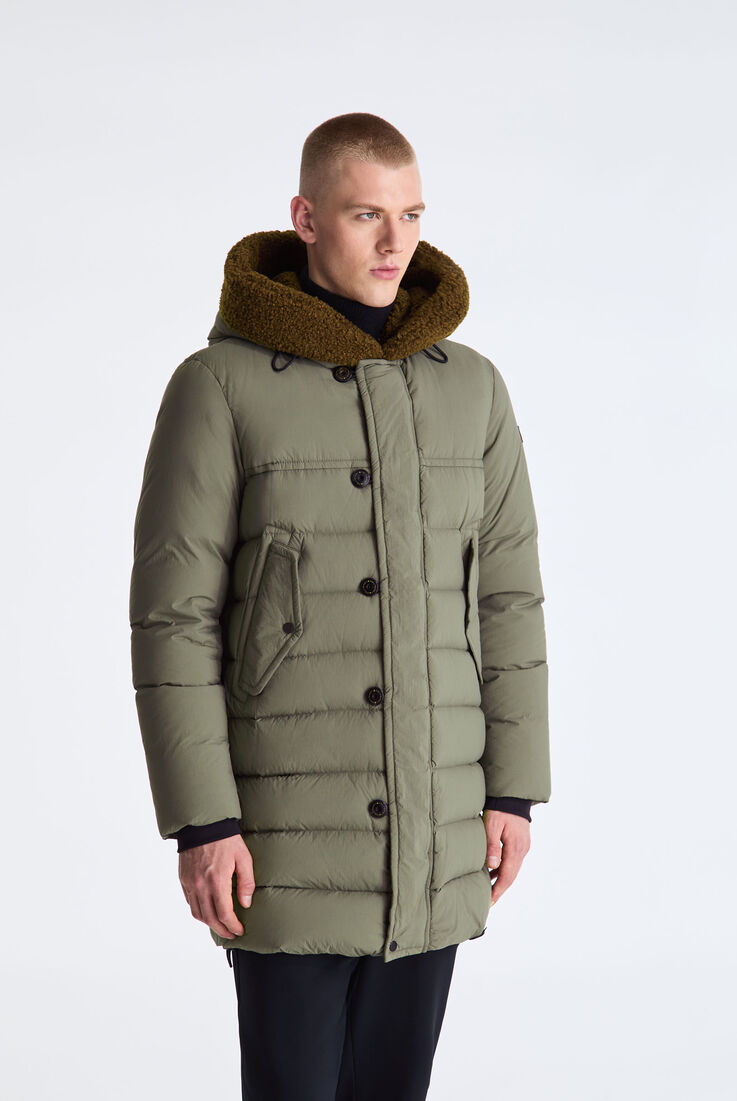
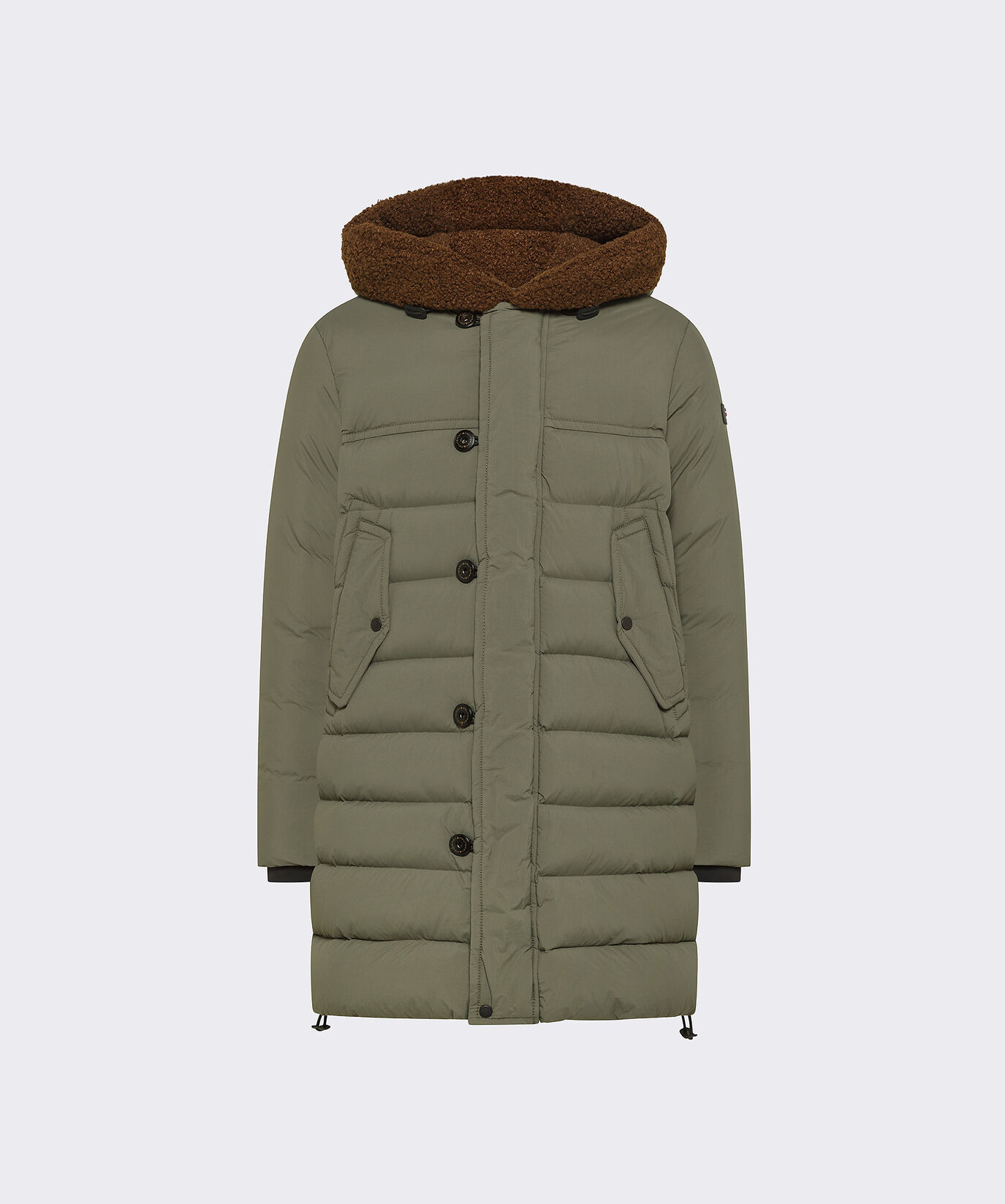
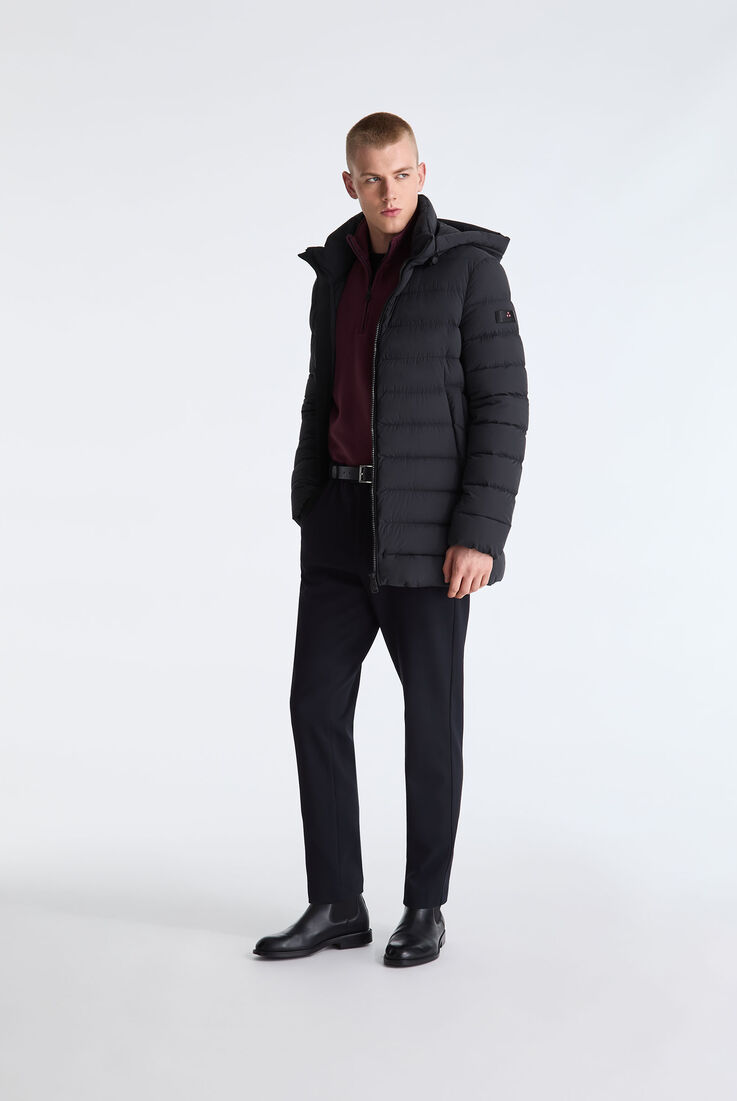
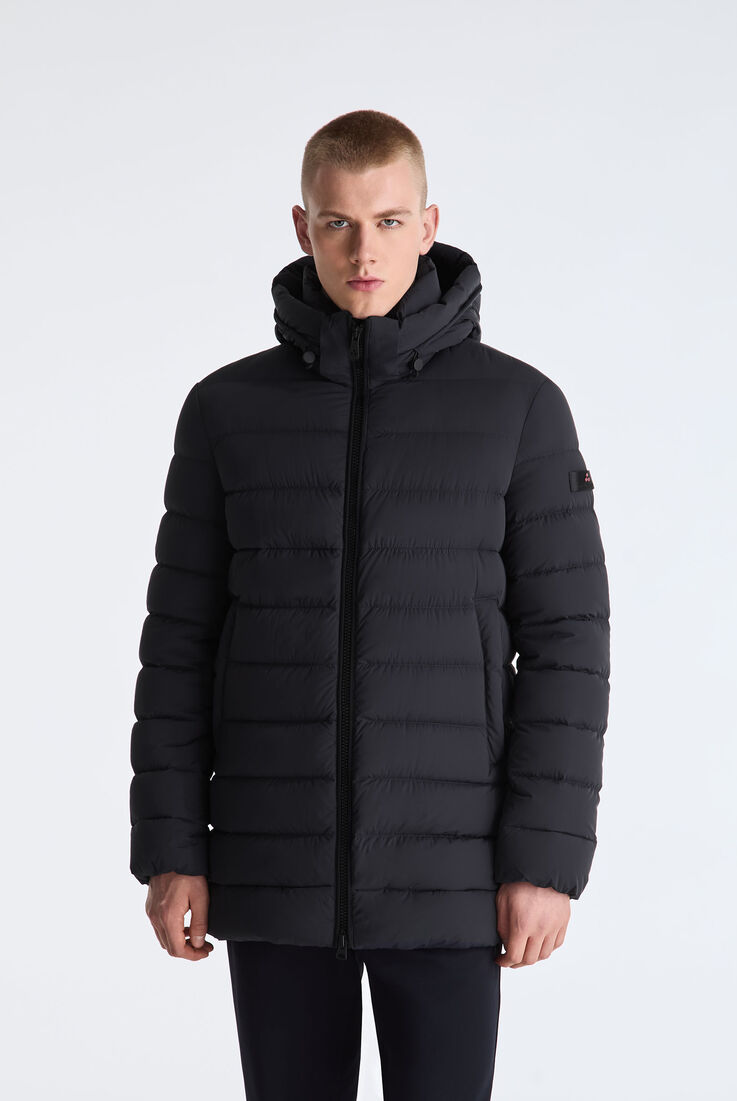
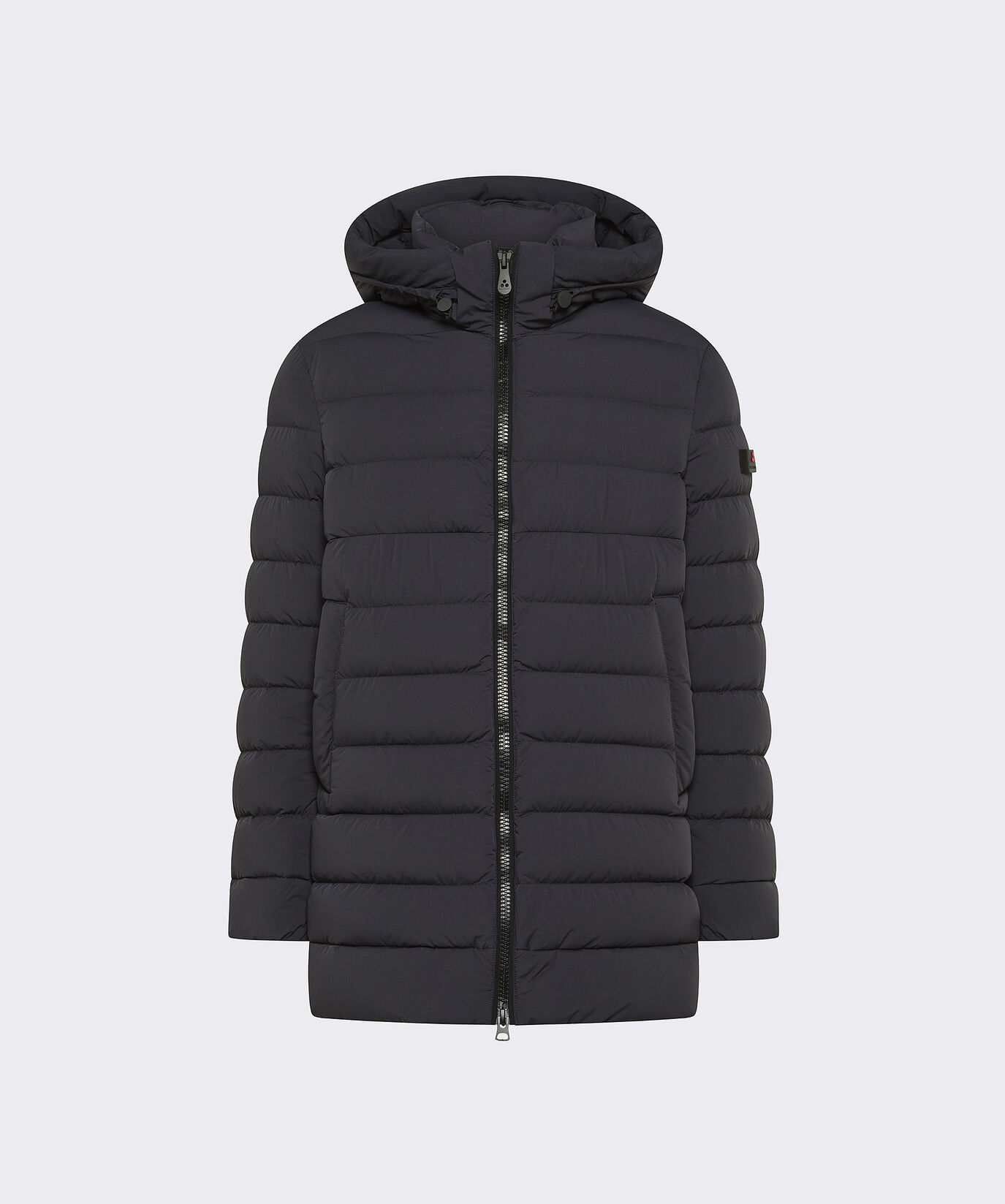
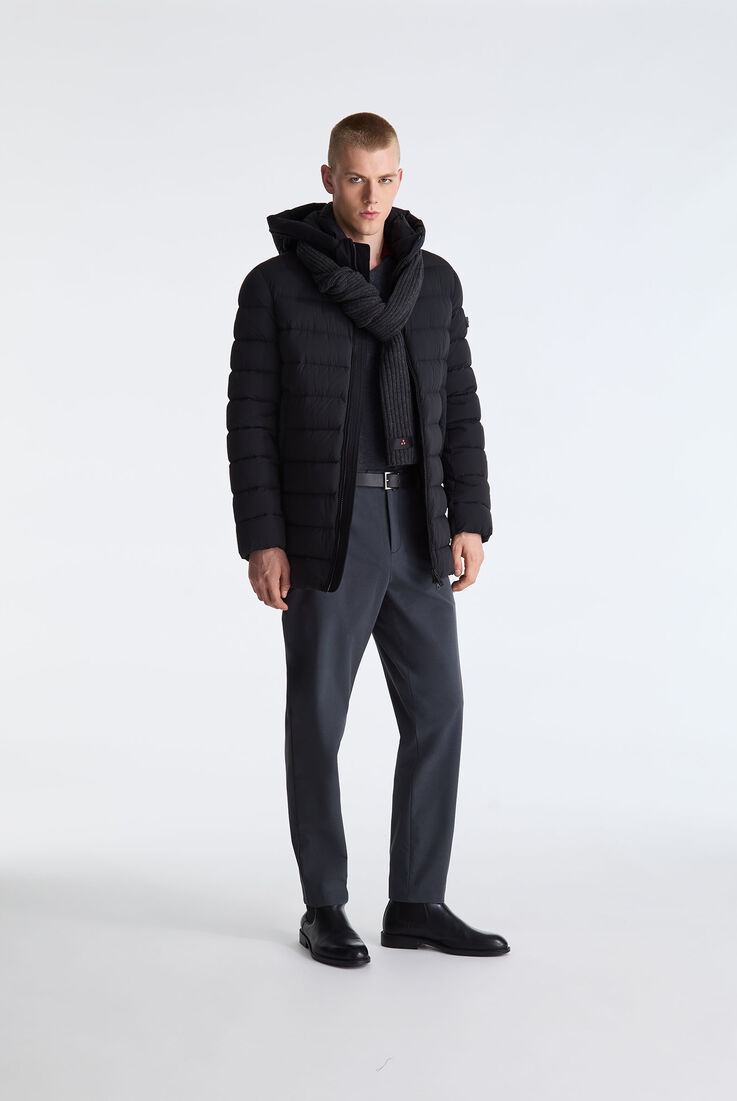
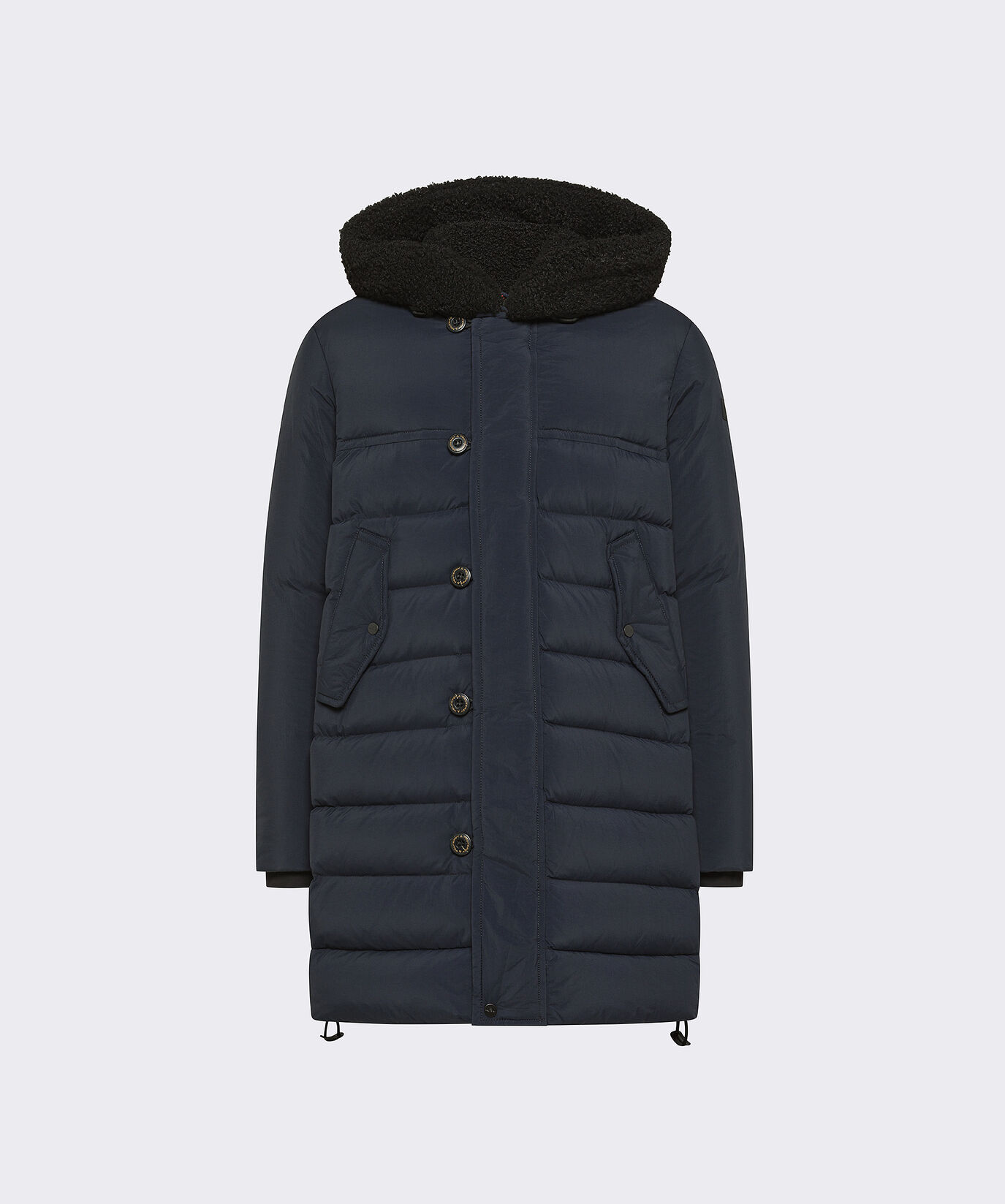
The category includes different constructions. A men's lightweight parka may be unlined or have a minimal lining, useful in spring and autumn and on days of changeable weather. More structured versions add linings and synthetic or down padding, increasing warmth for winter. A men's padded parka doesn't have to be bulky, though: much depends on the weight of the outer fabric, how the padding is distributed and the fit. If you face harsher temperatures, you can compare it with winter puffer jackets, which focus more on thermal insulation.
The level of protection should match the time you actually spend outdoors. If you mainly wear your parka for short journeys, you may prefer a lighter construction that's easier to manage in heated spaces; for long commutes or harsh climates, a men's down-filled parka or a style with more substantial insulation, where available, will serve you better. Its versatility comes precisely from the ability to adjust weight, lining and padding without changing the garment's essential identity.
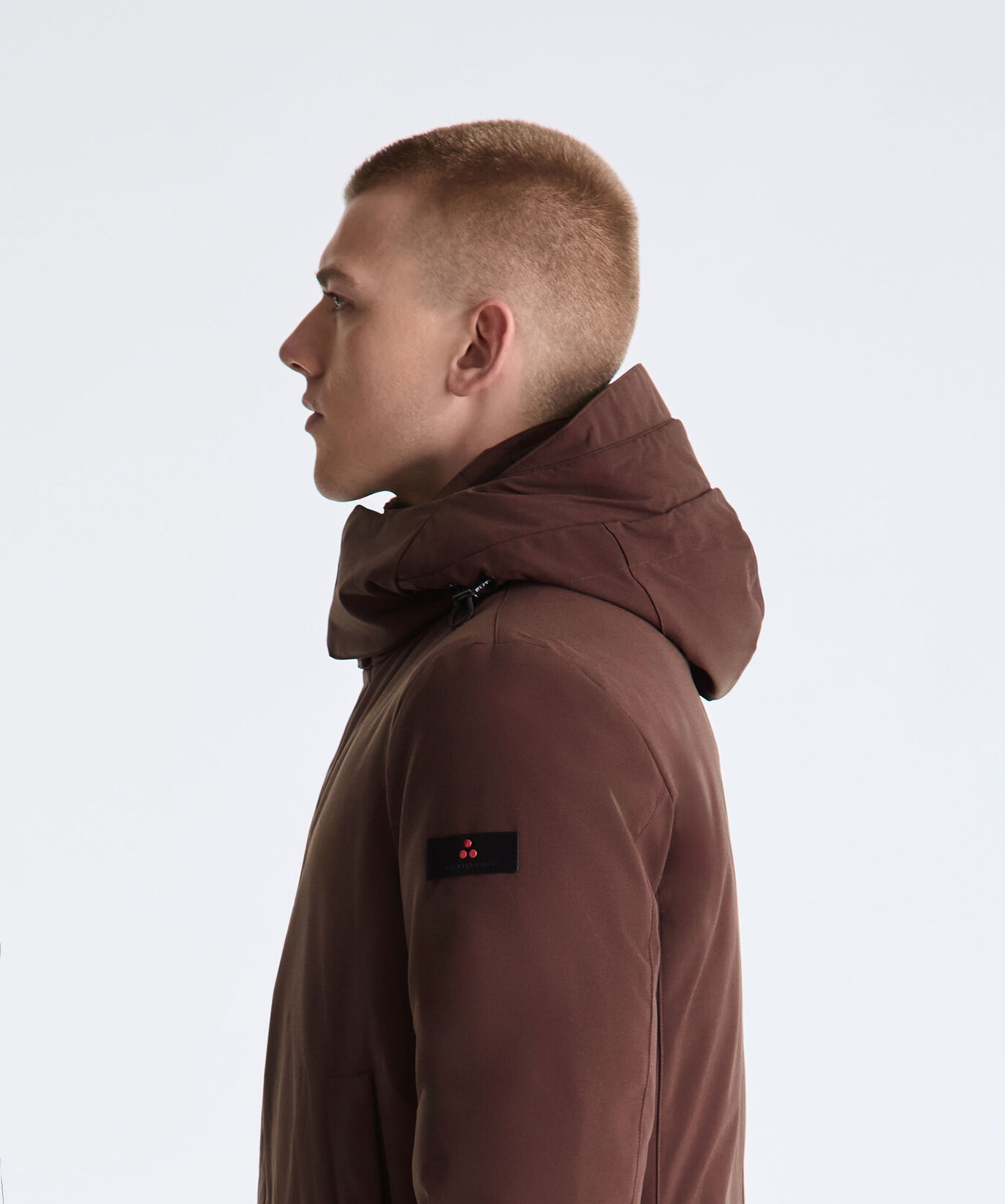
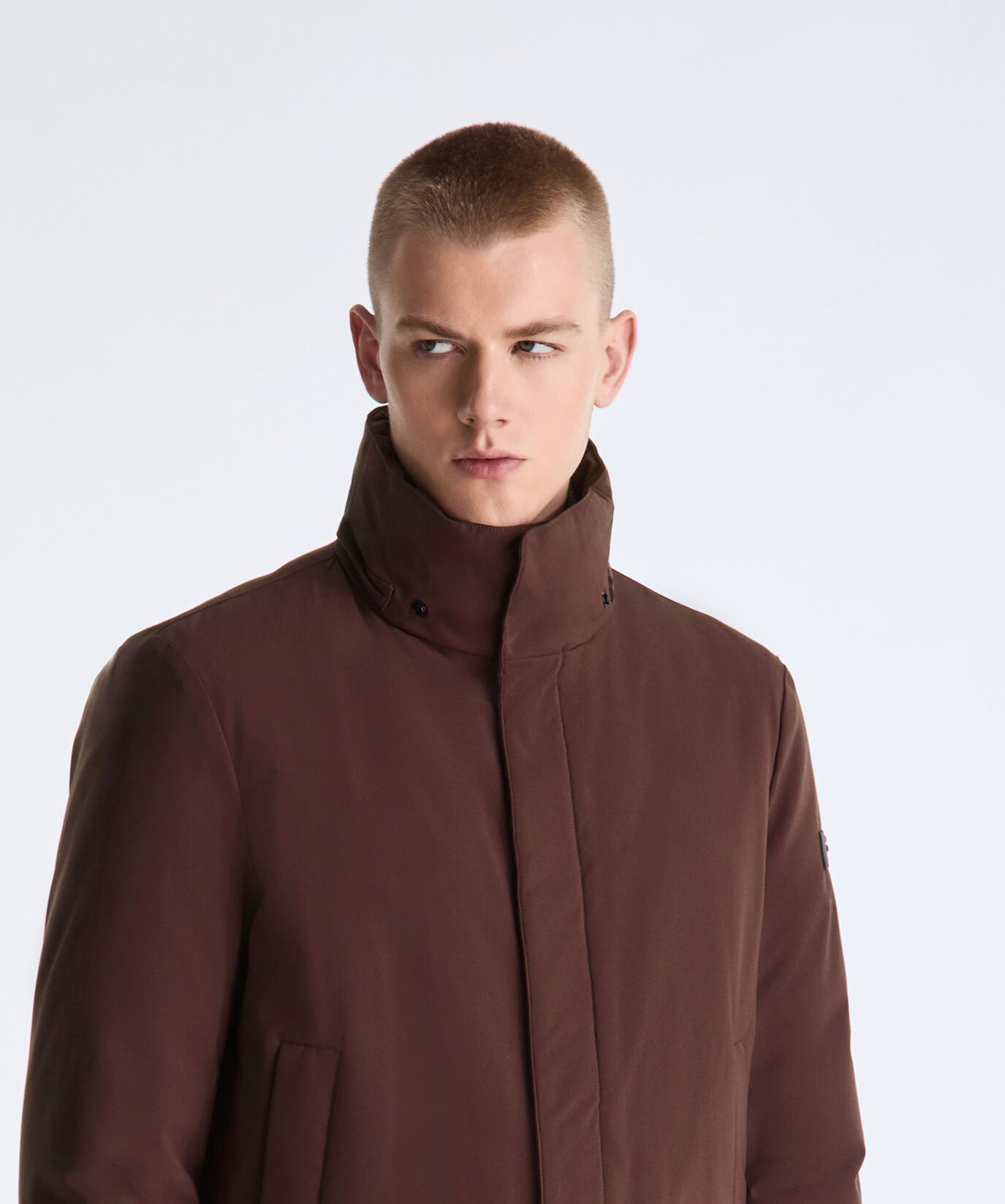
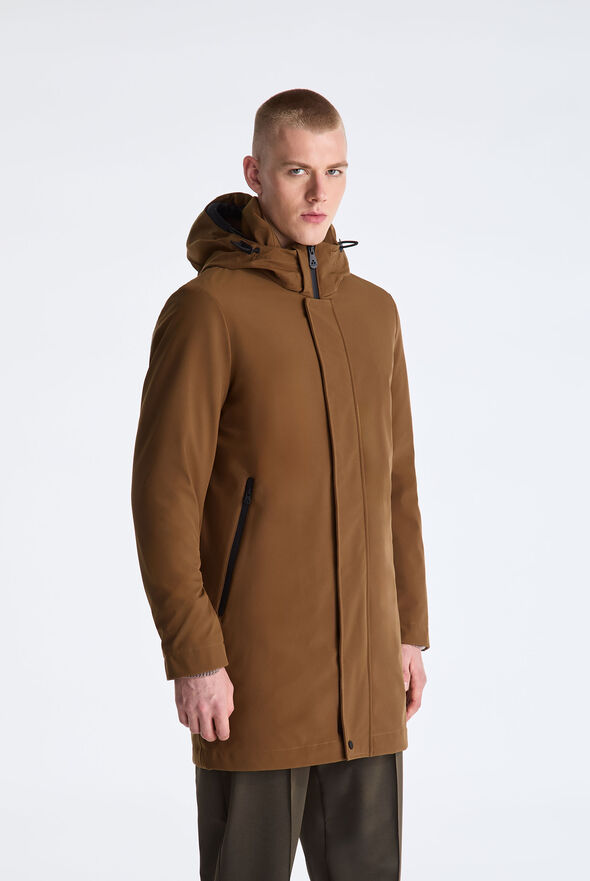
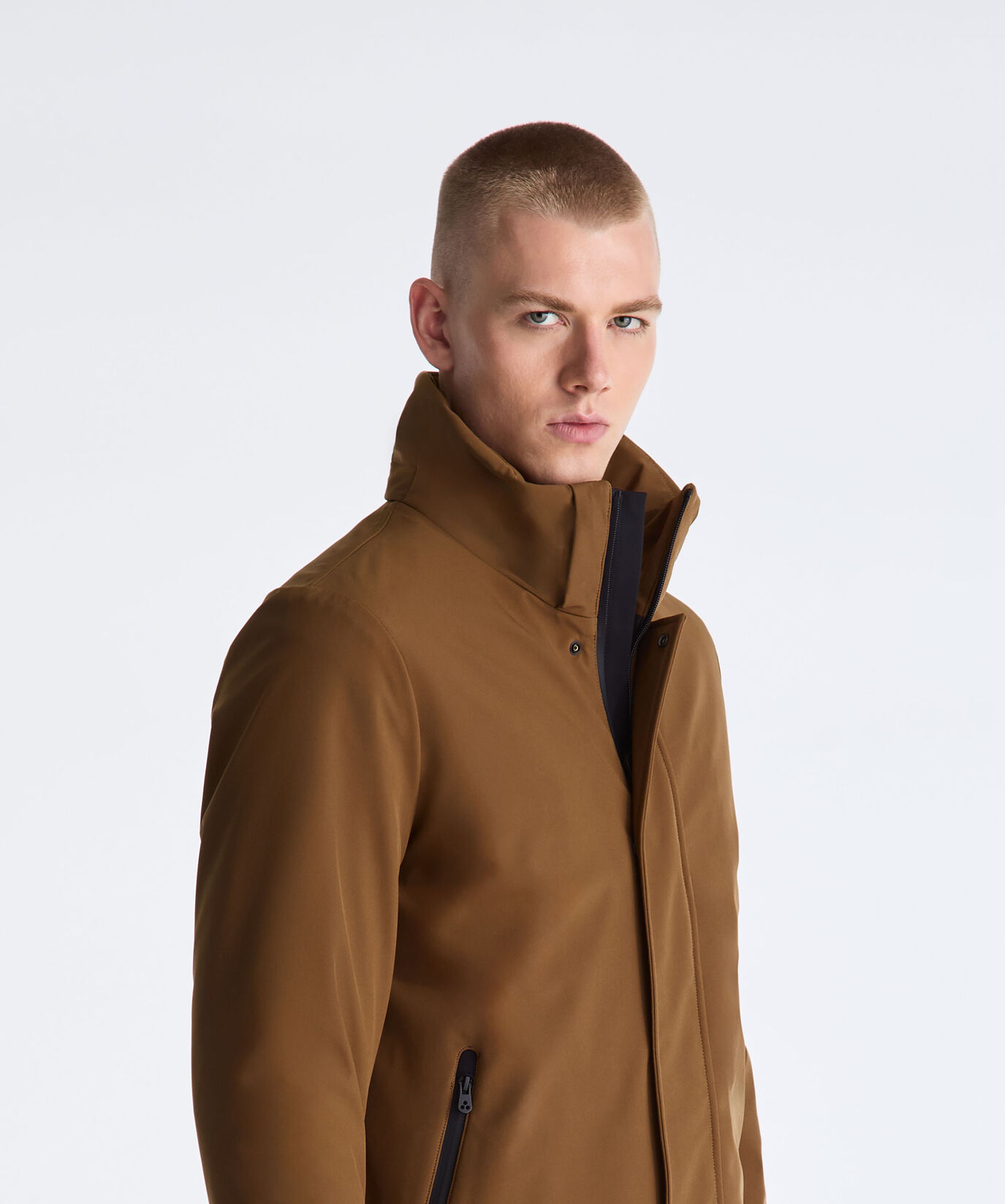
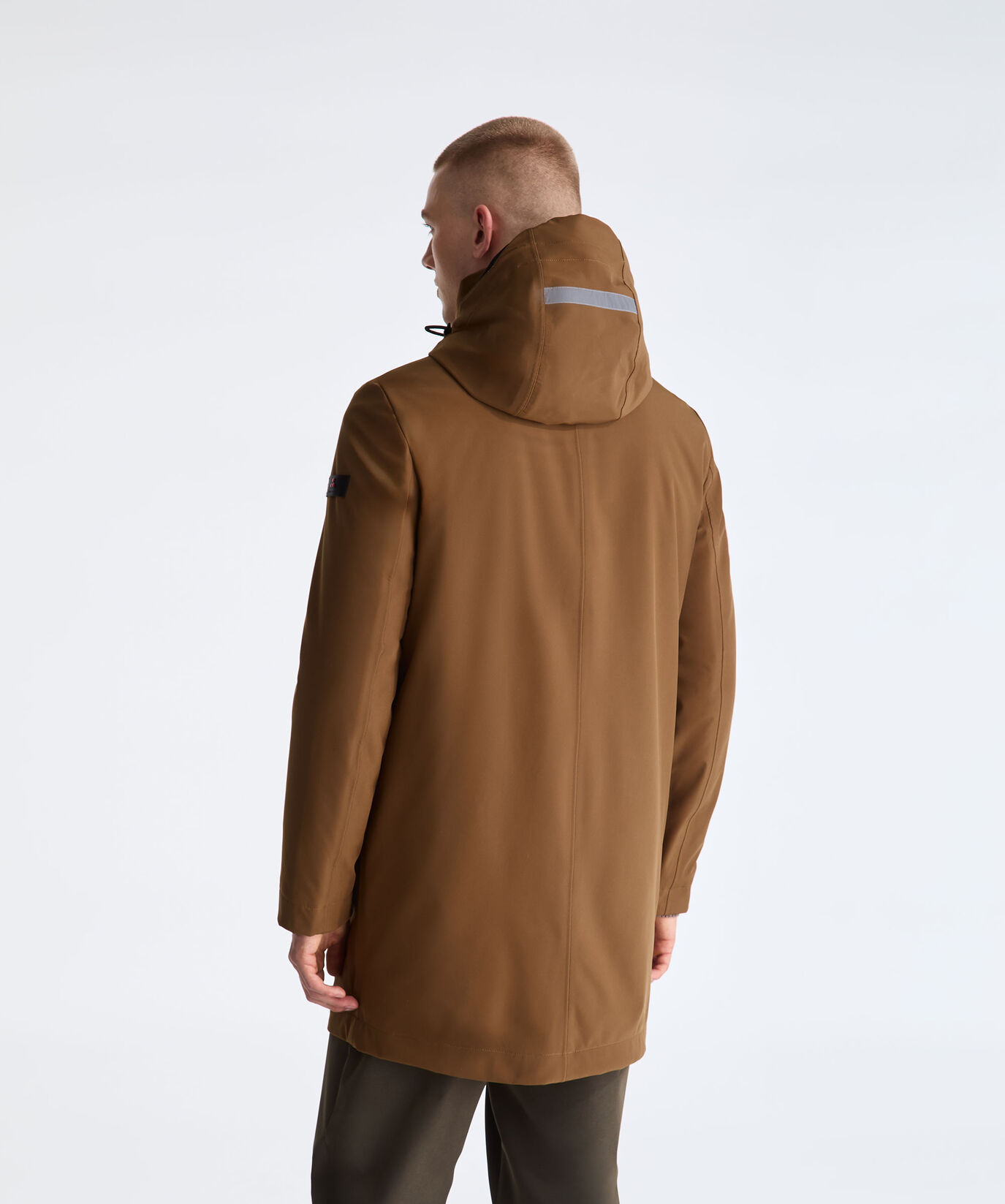
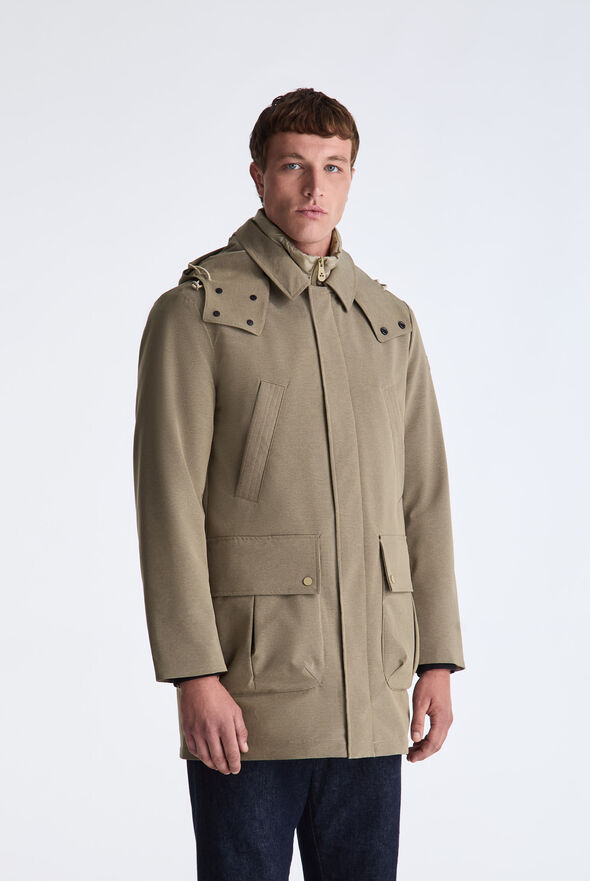
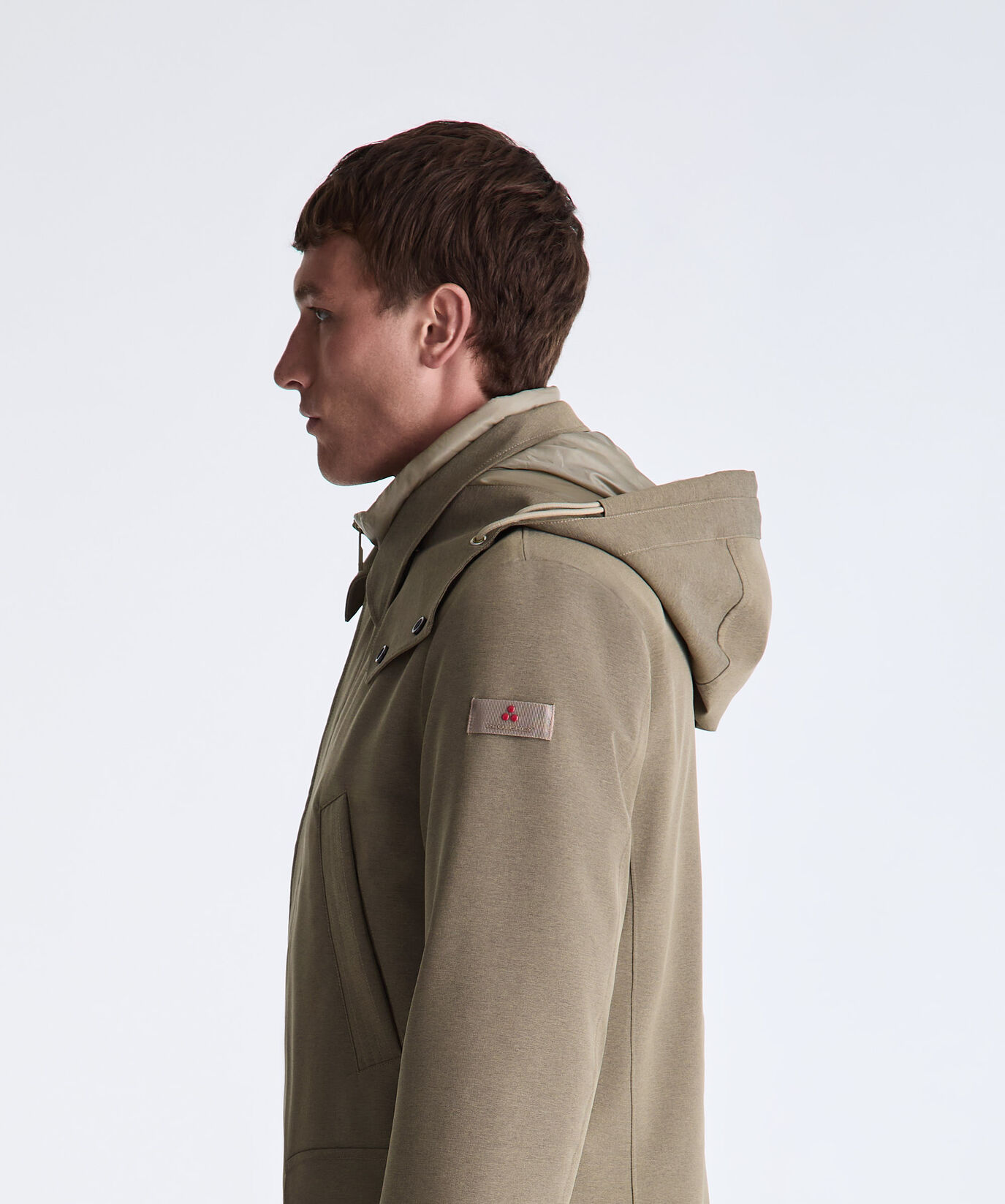
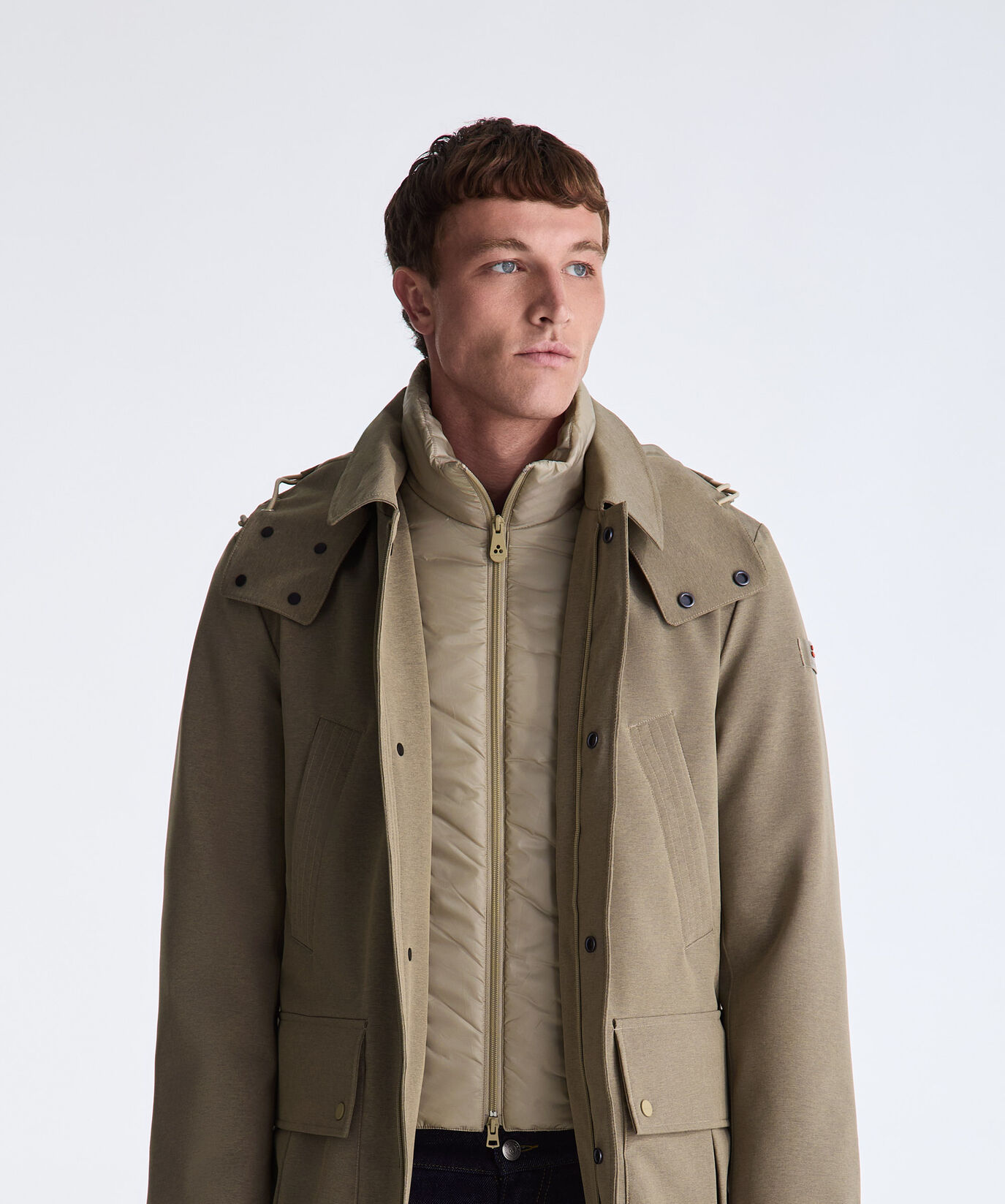
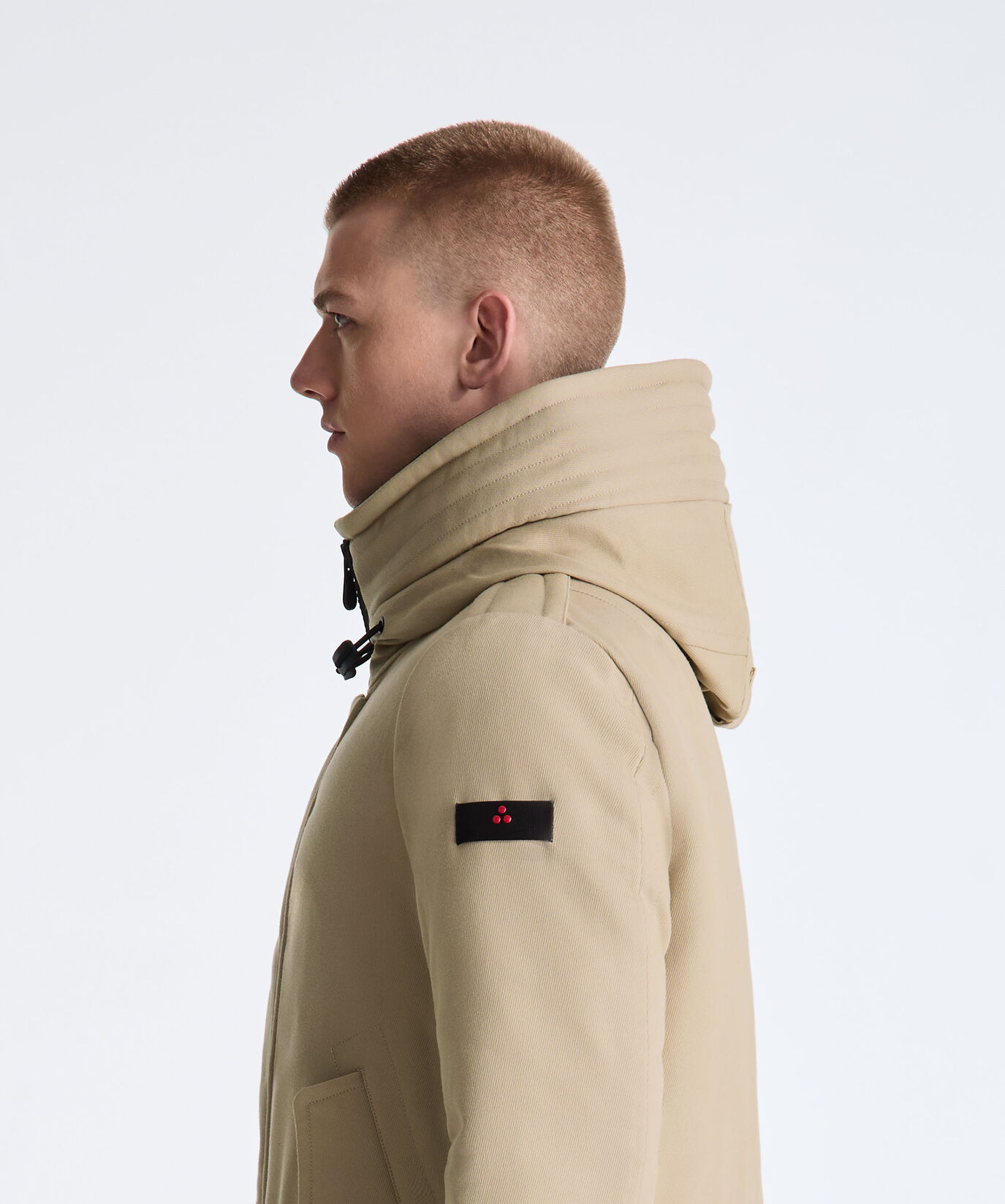
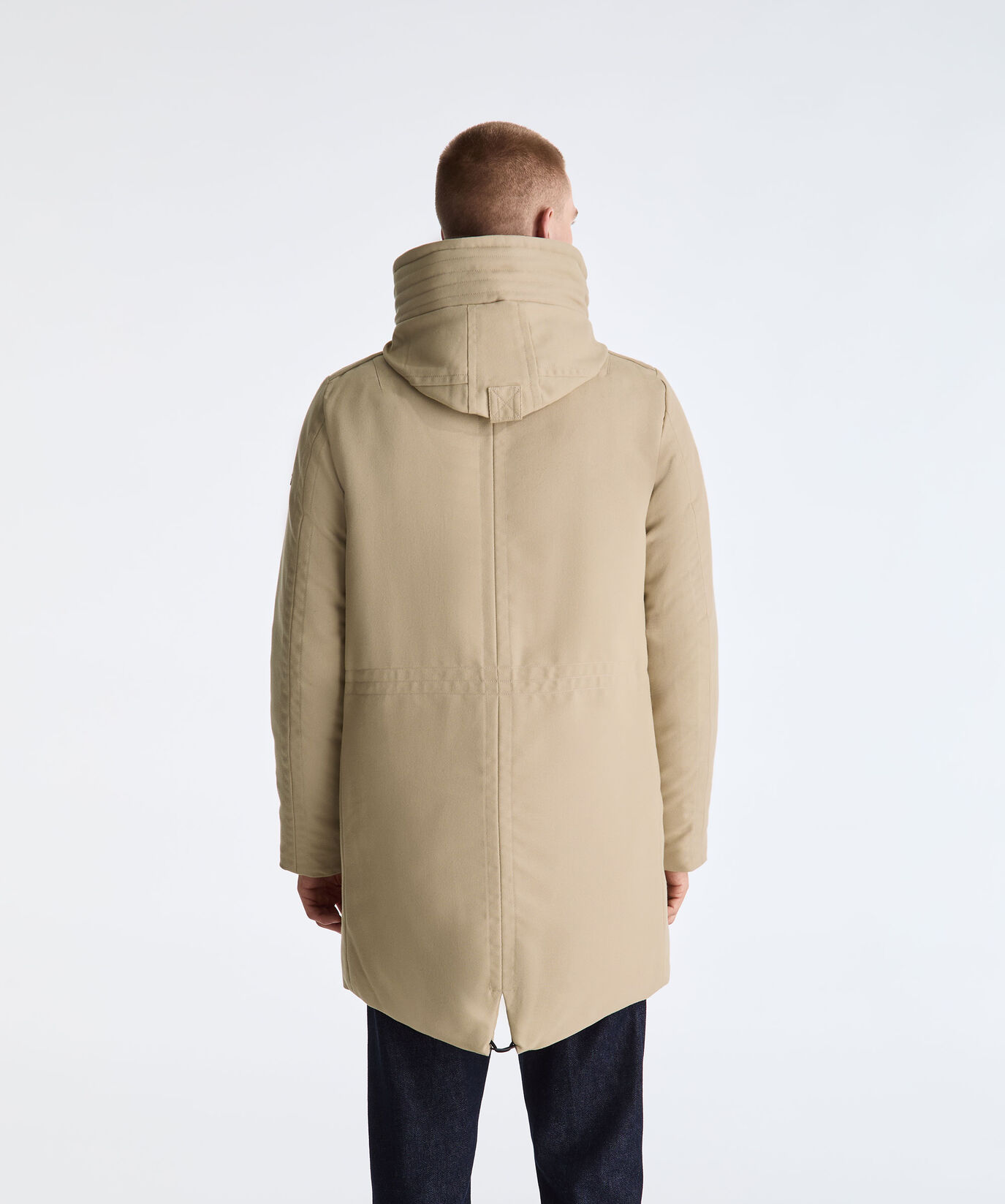
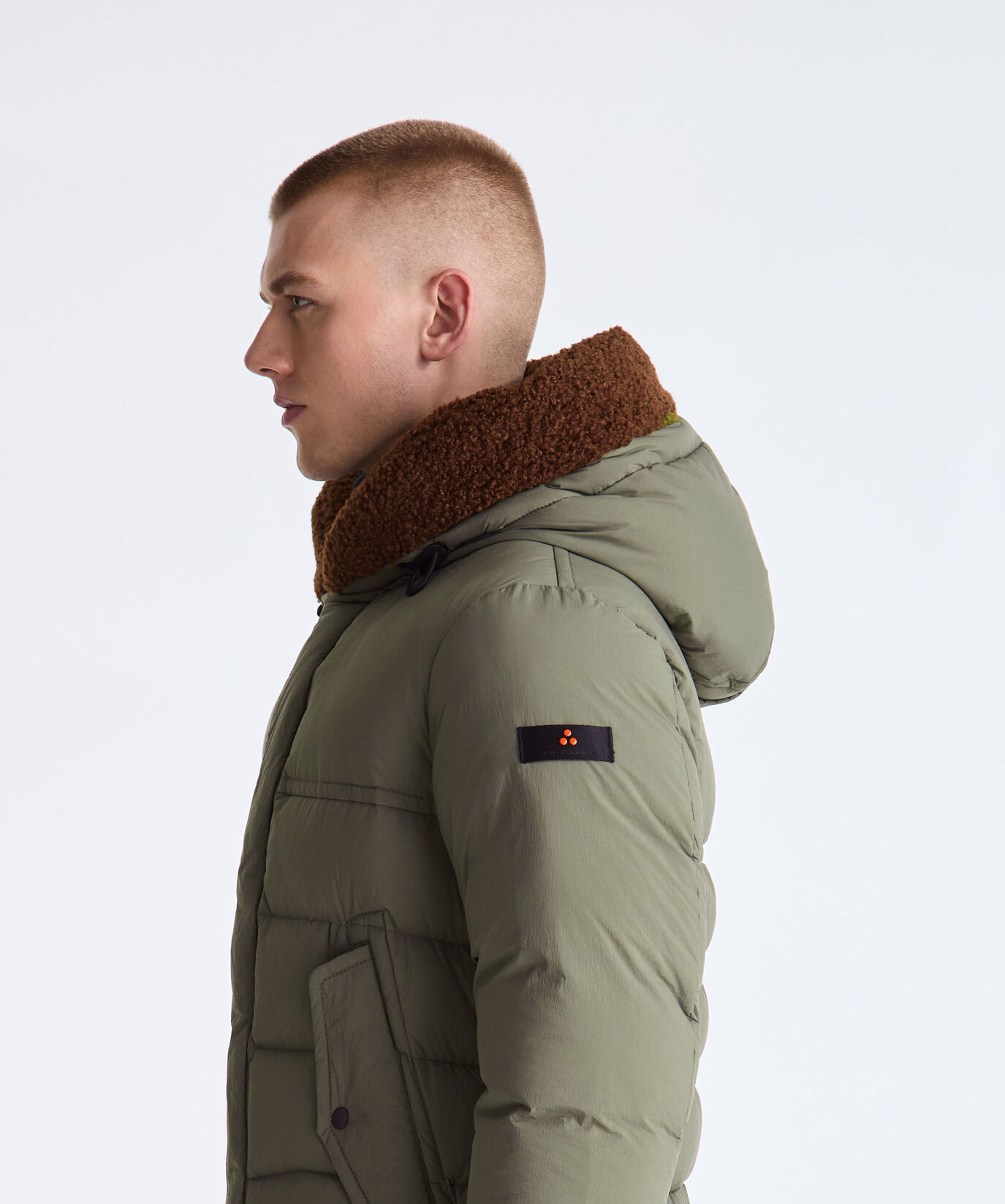
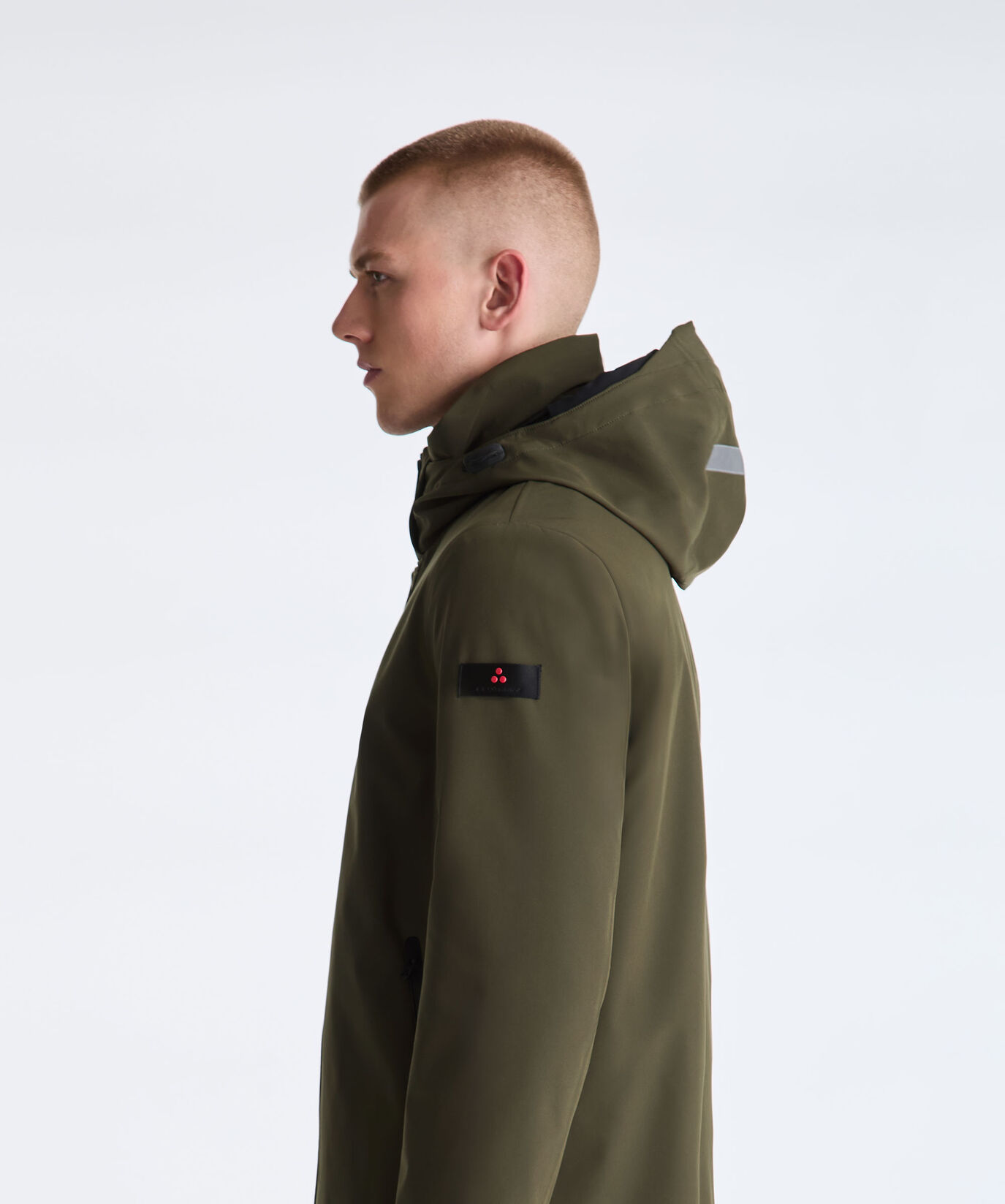
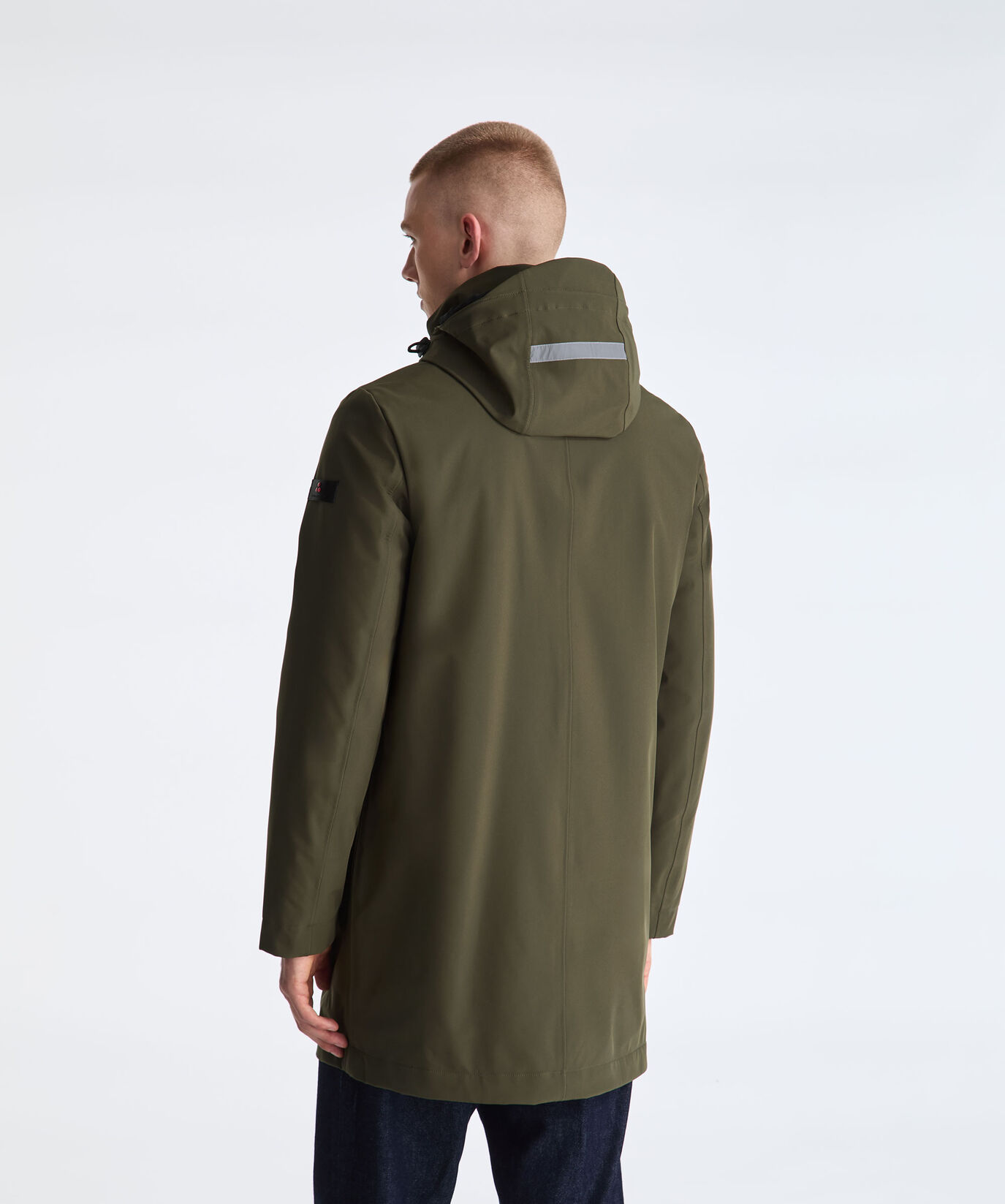
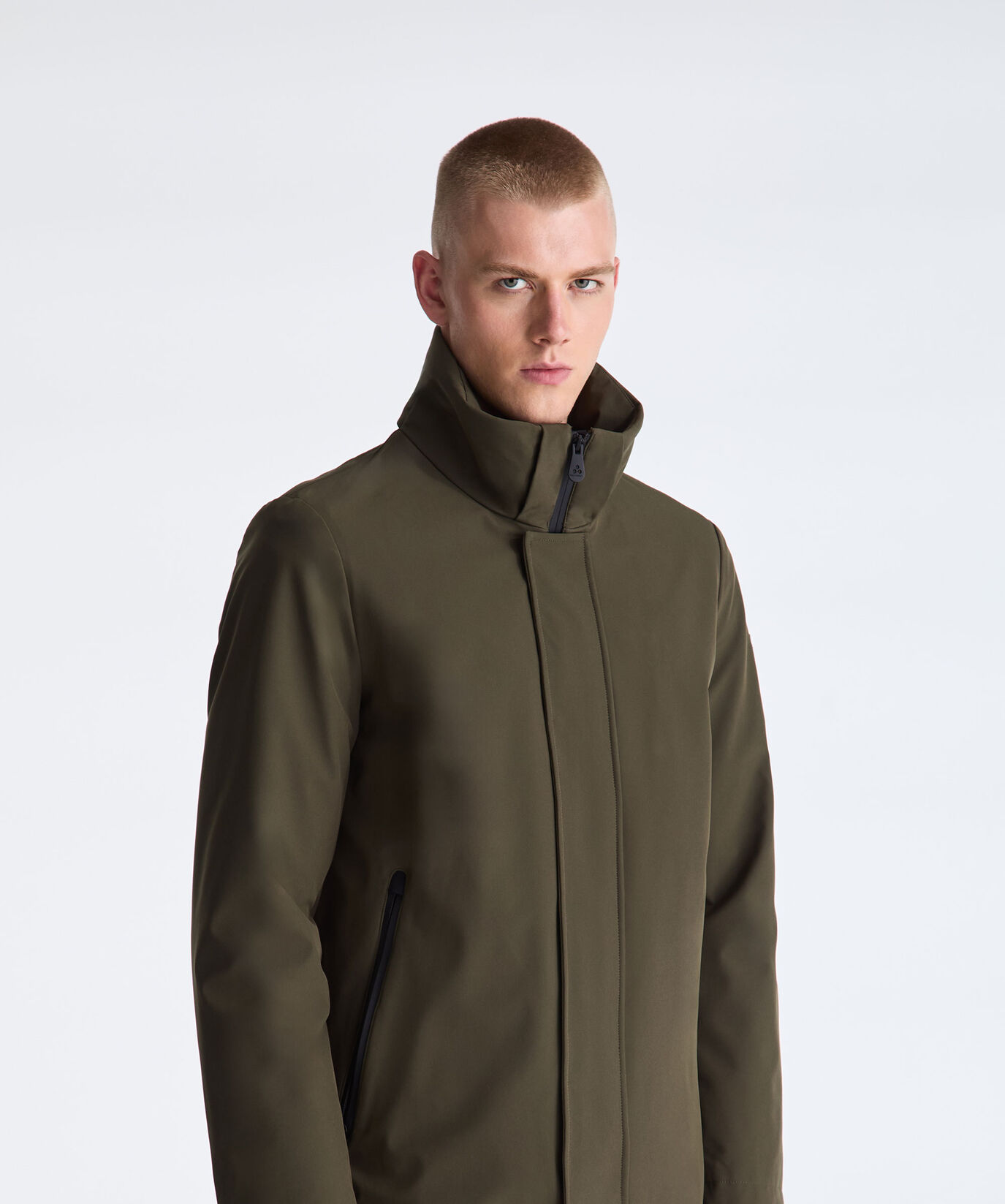
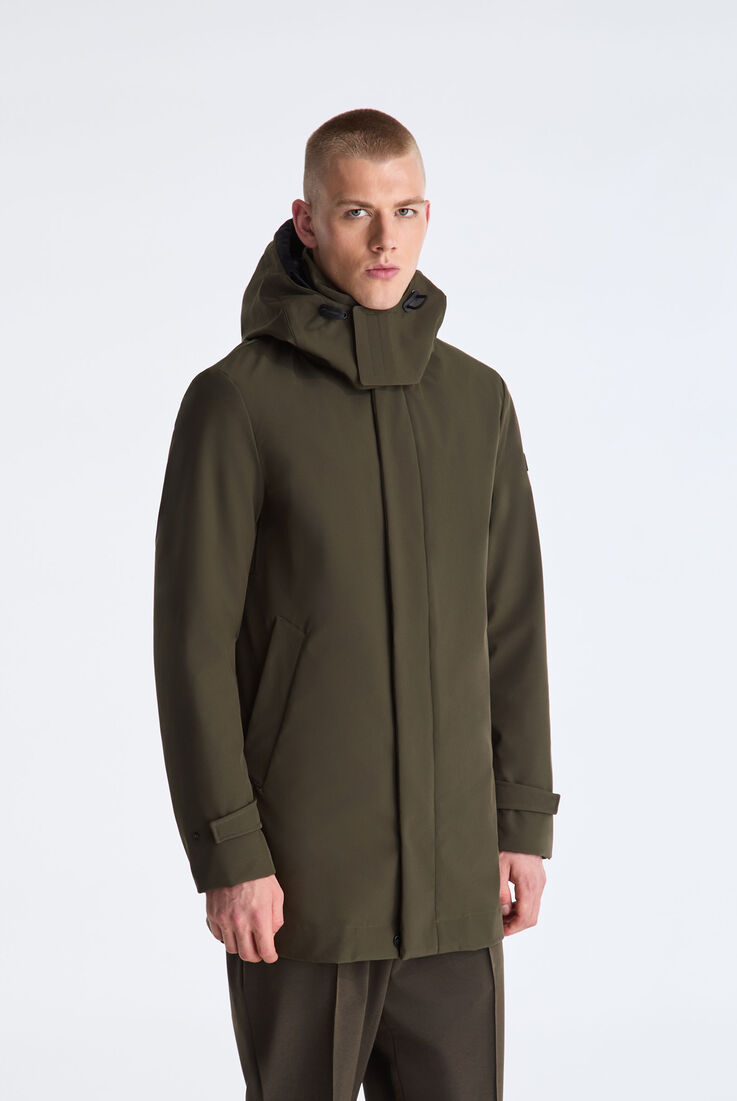
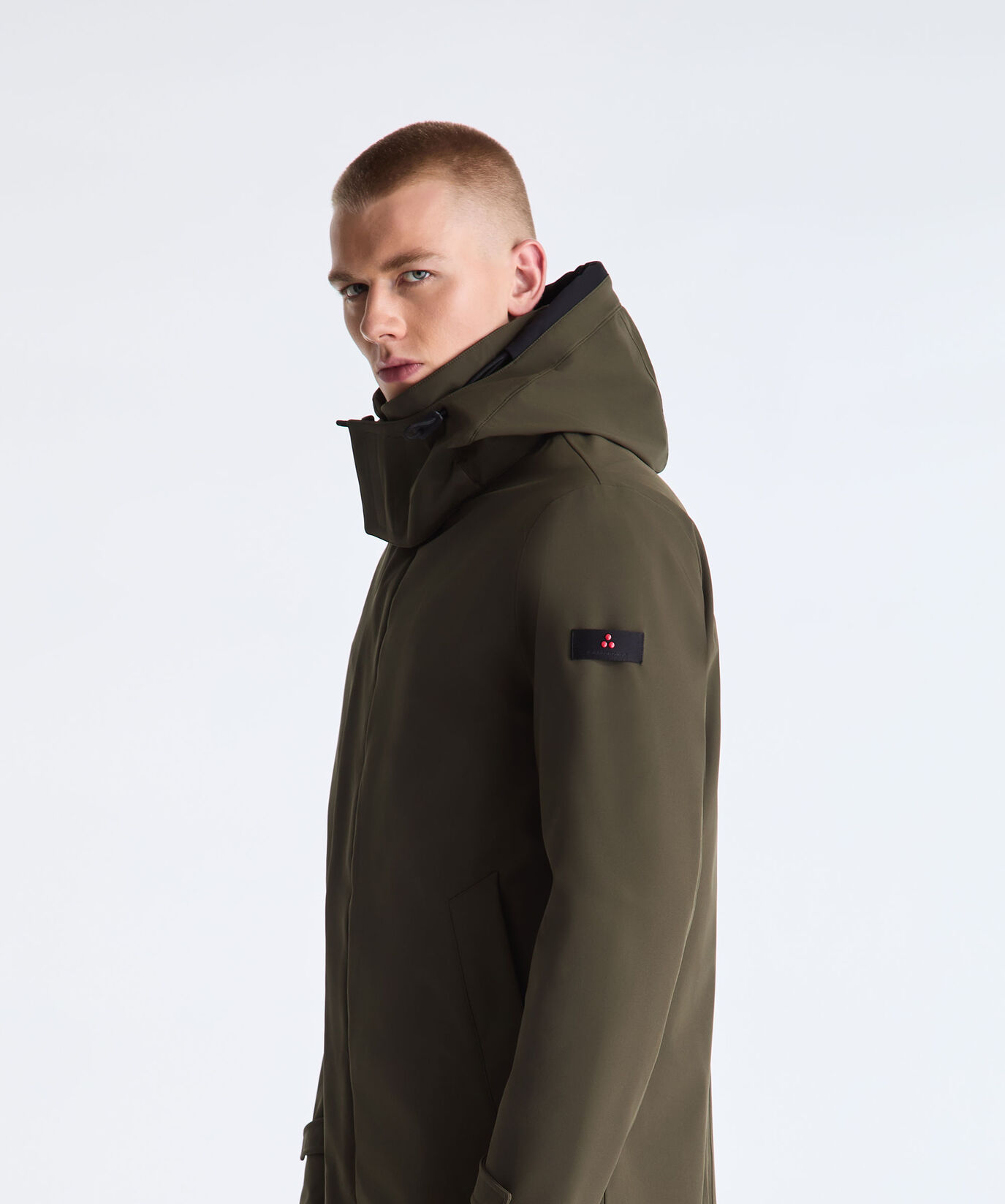
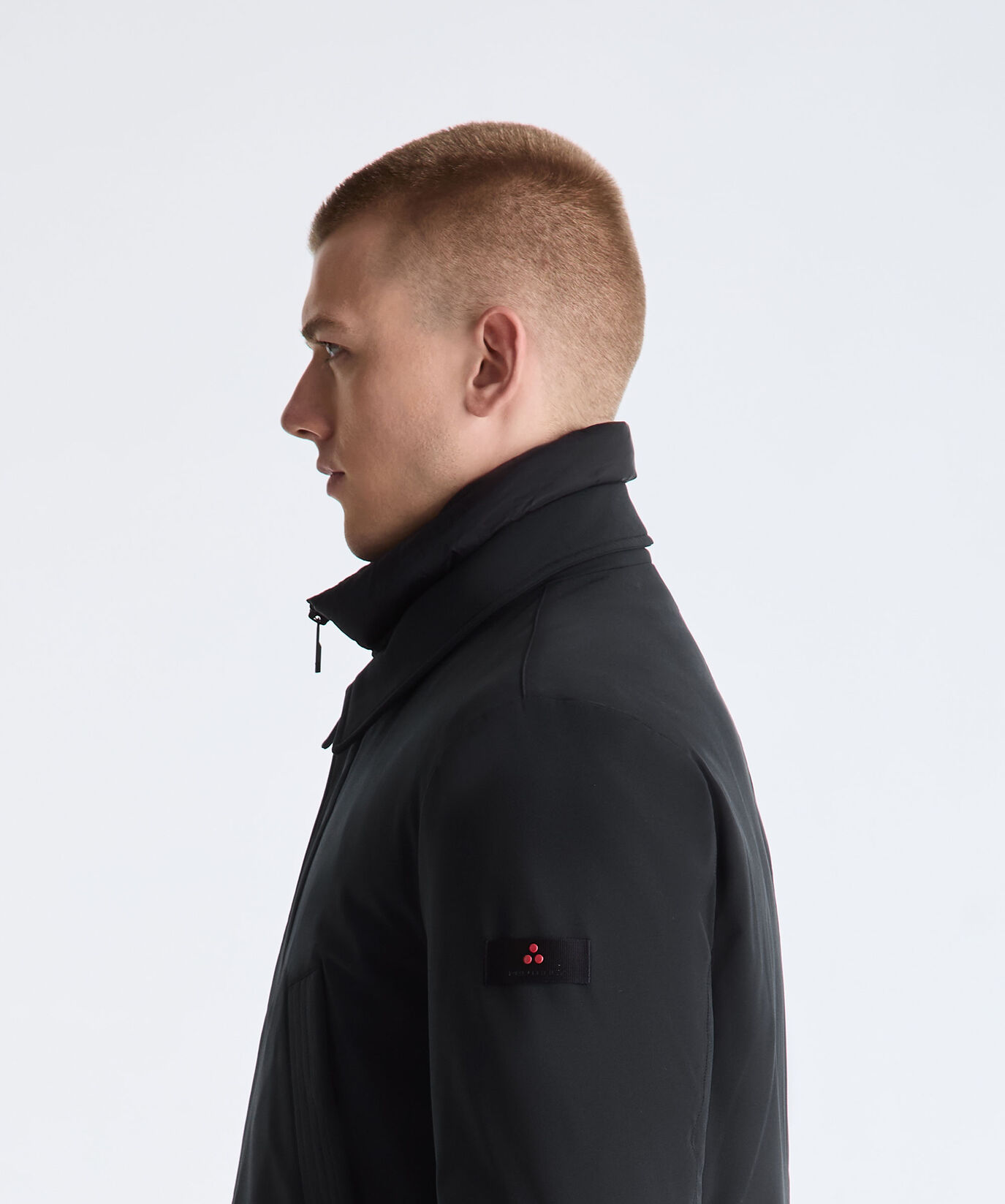
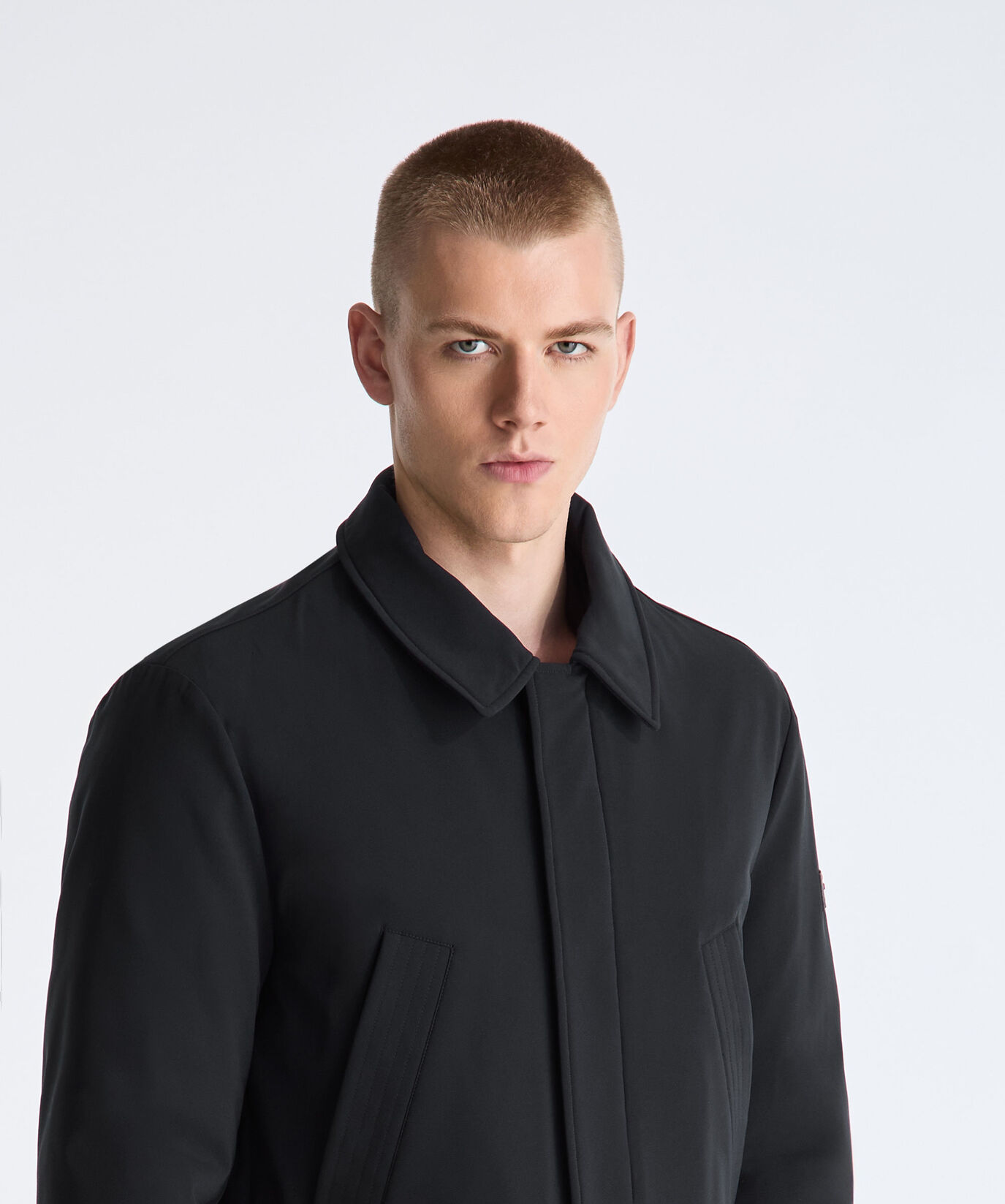
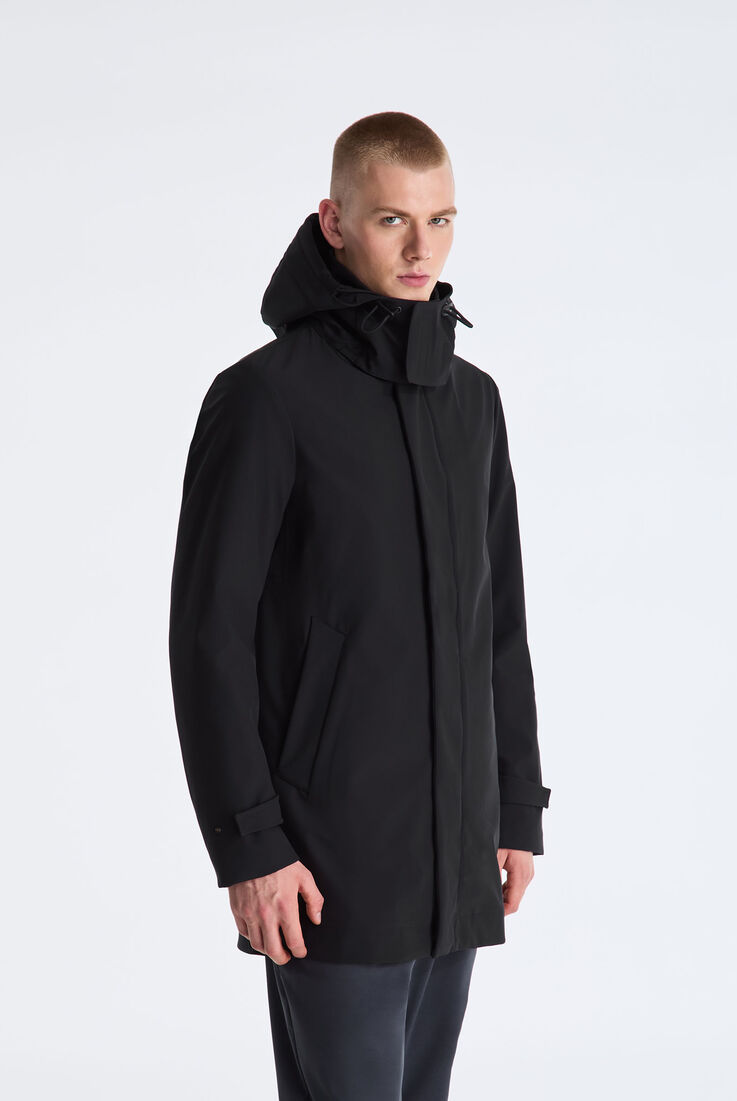
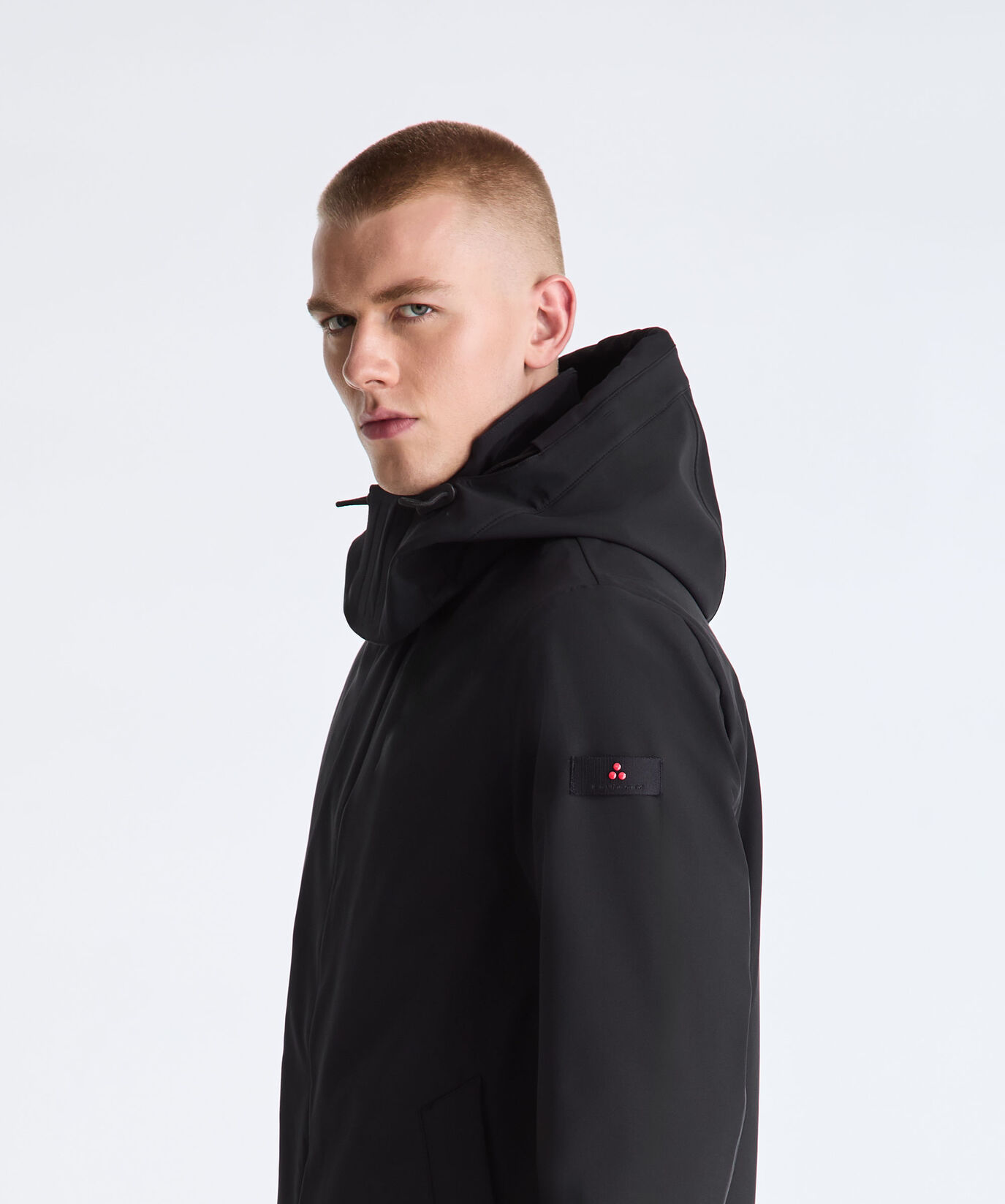
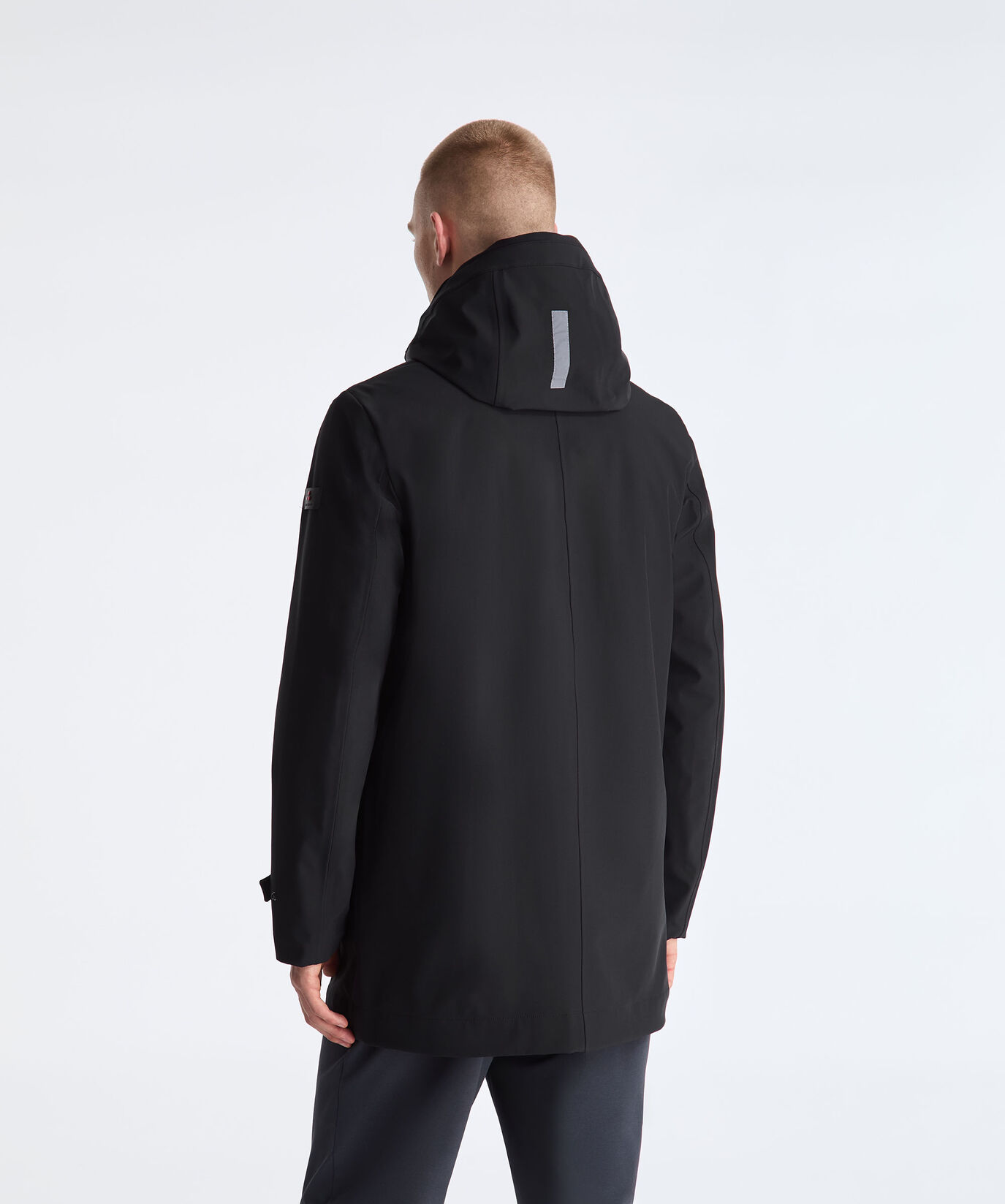
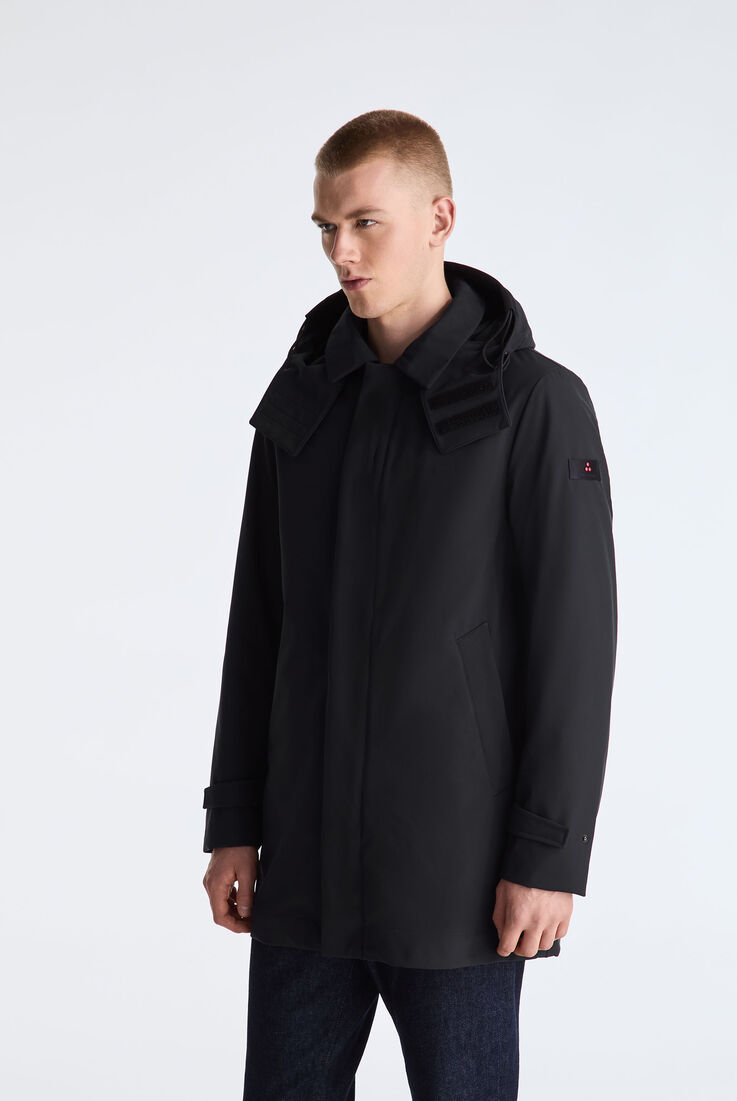
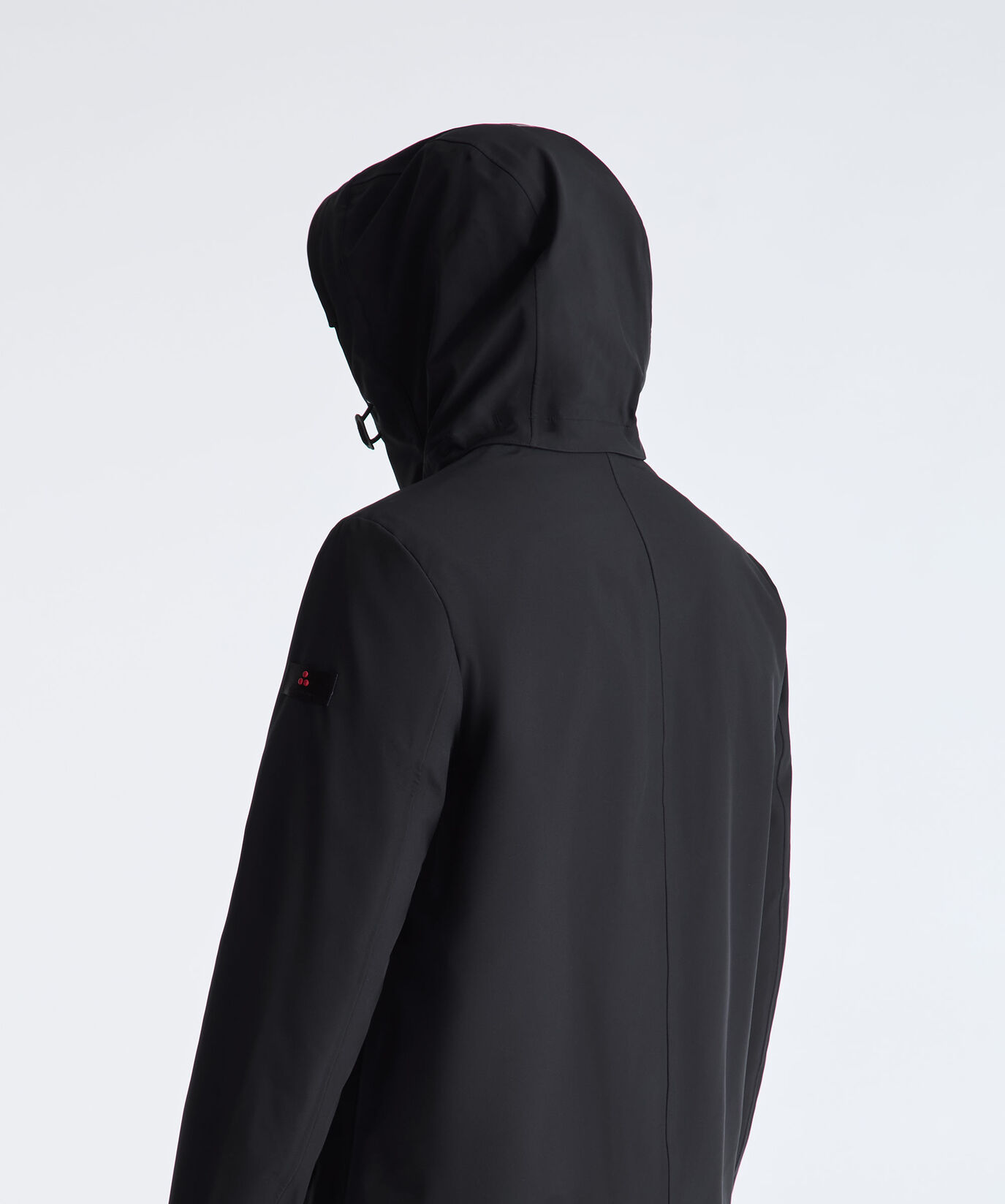
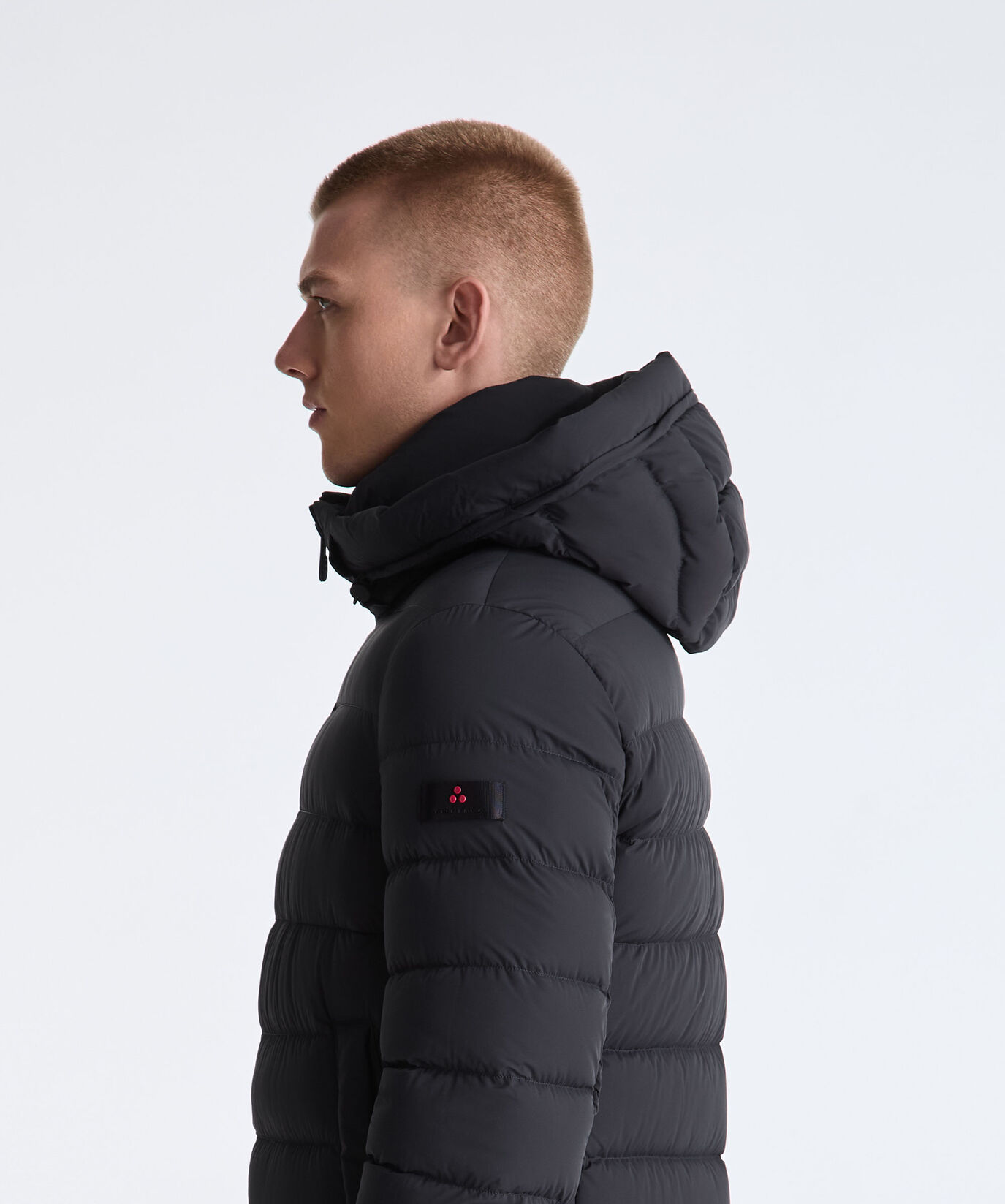
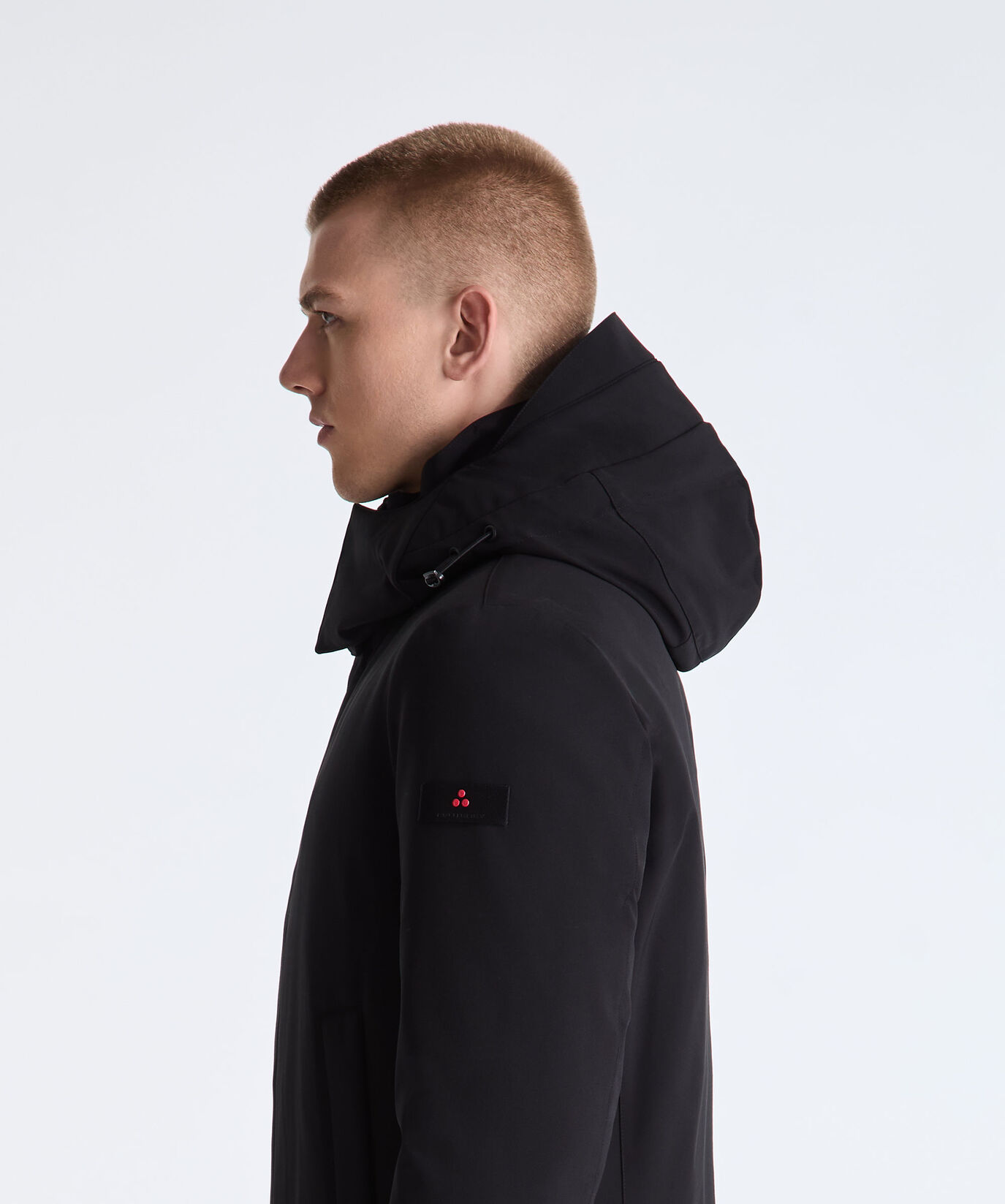
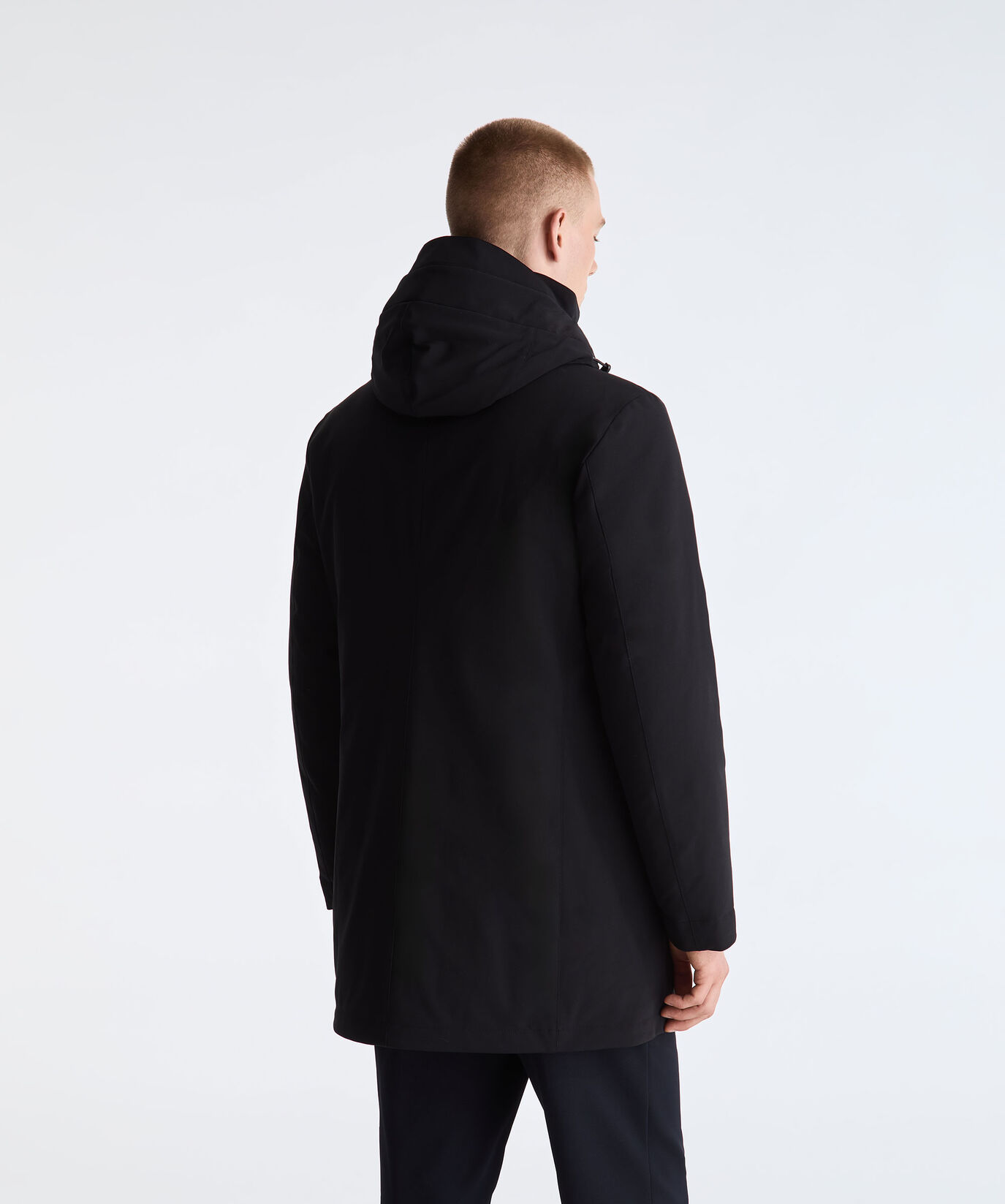
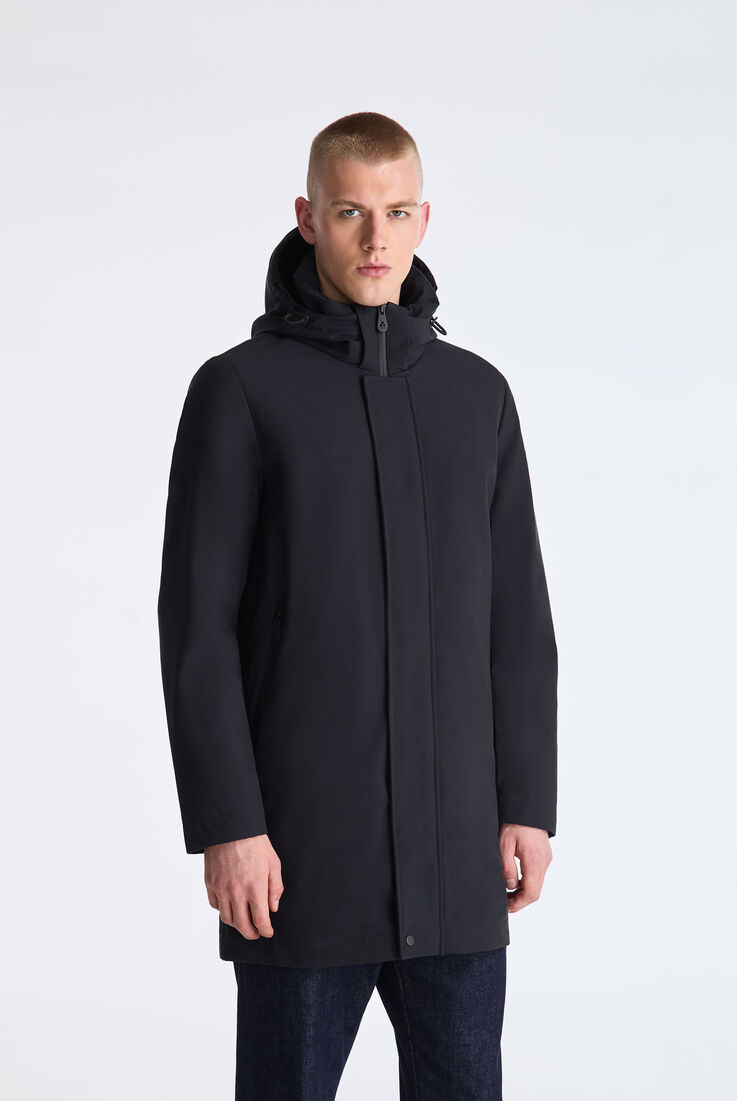
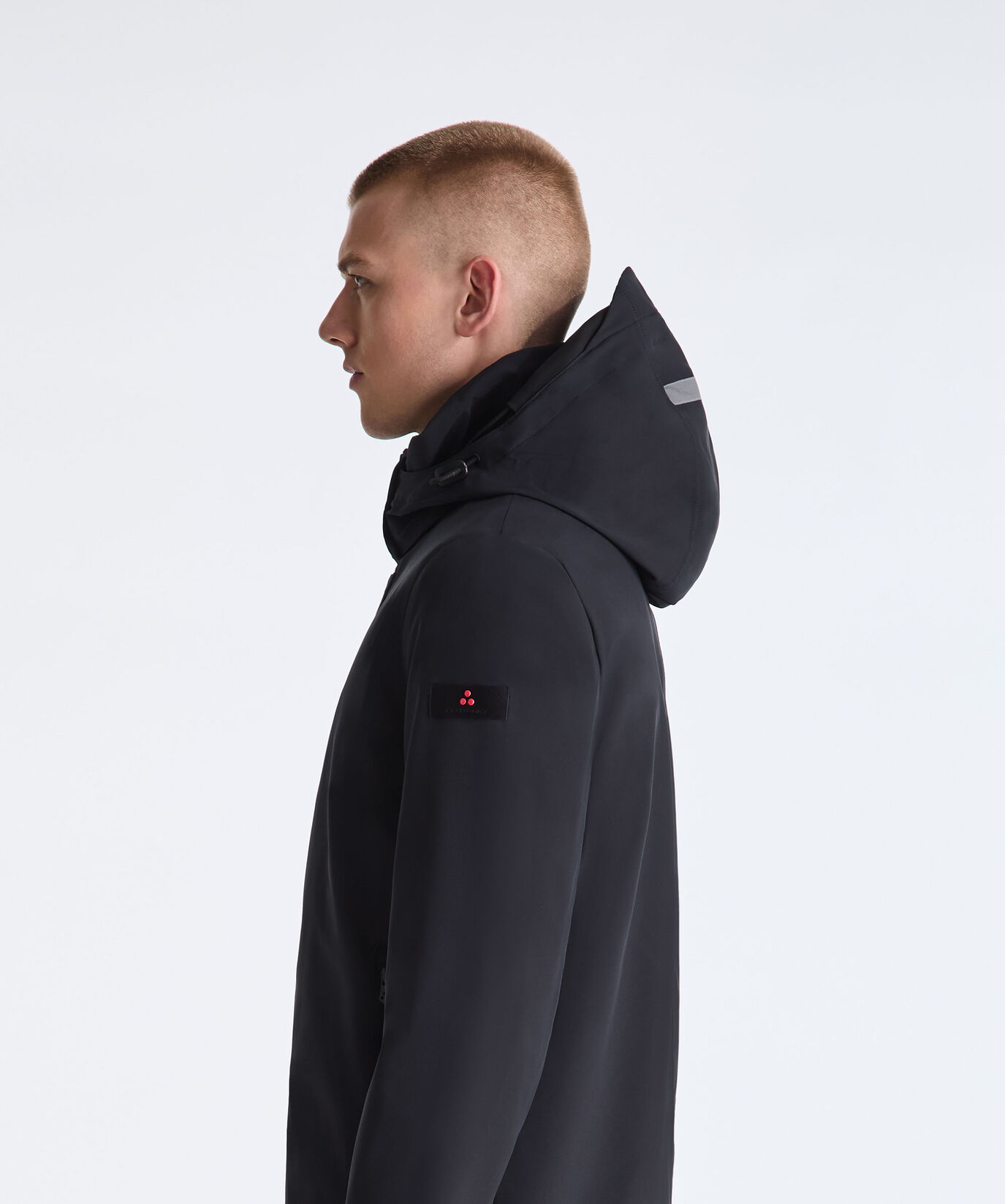
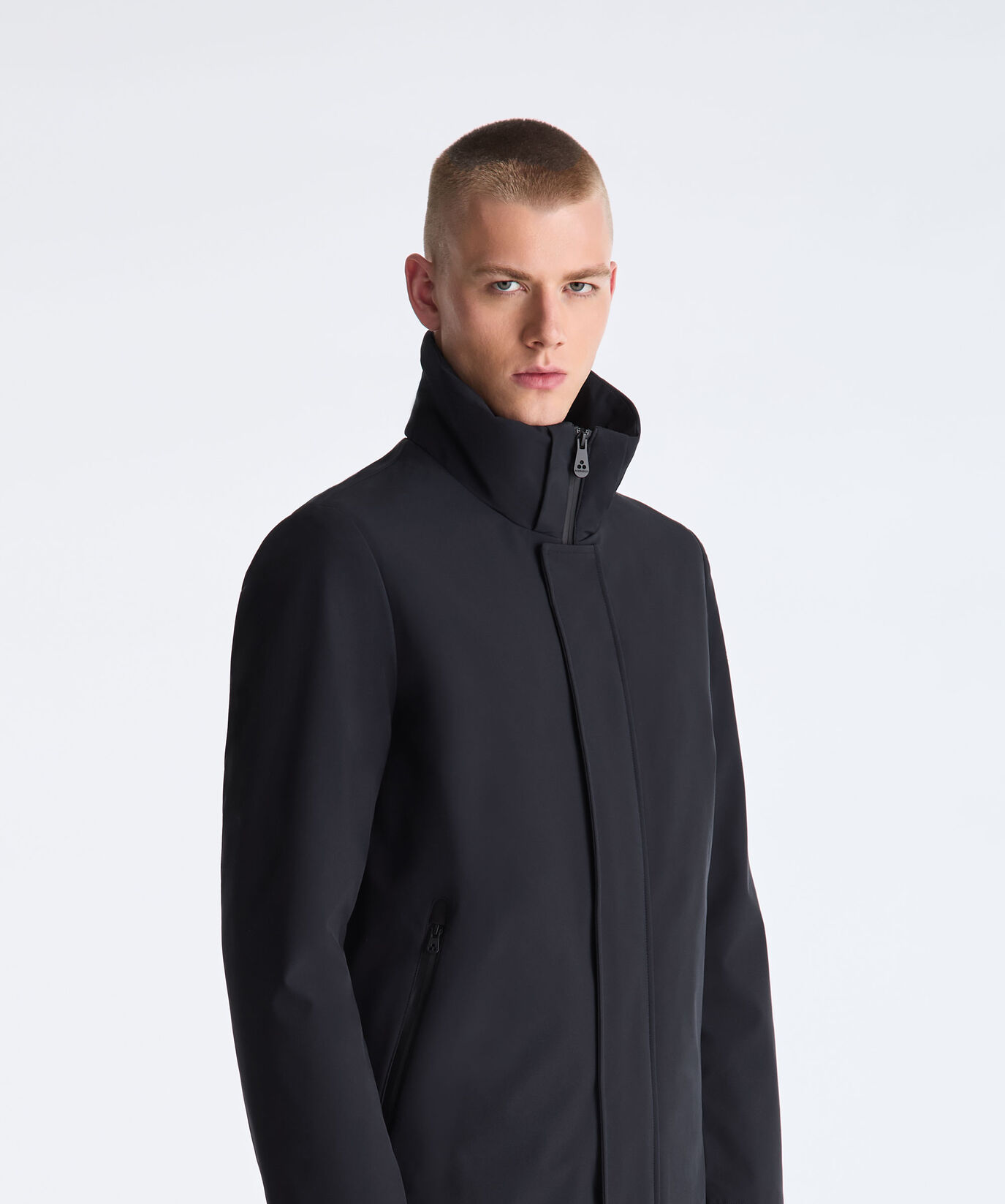
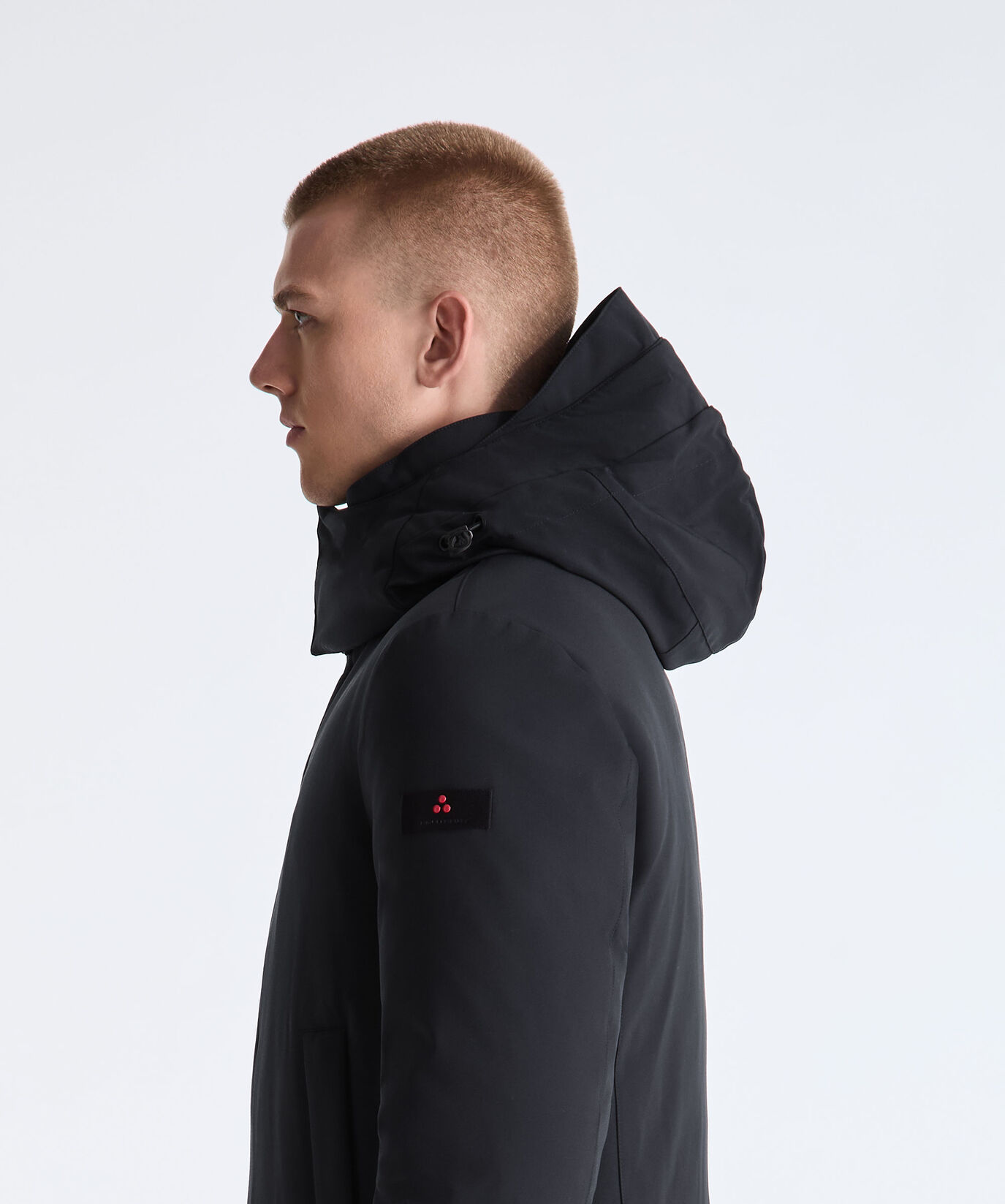
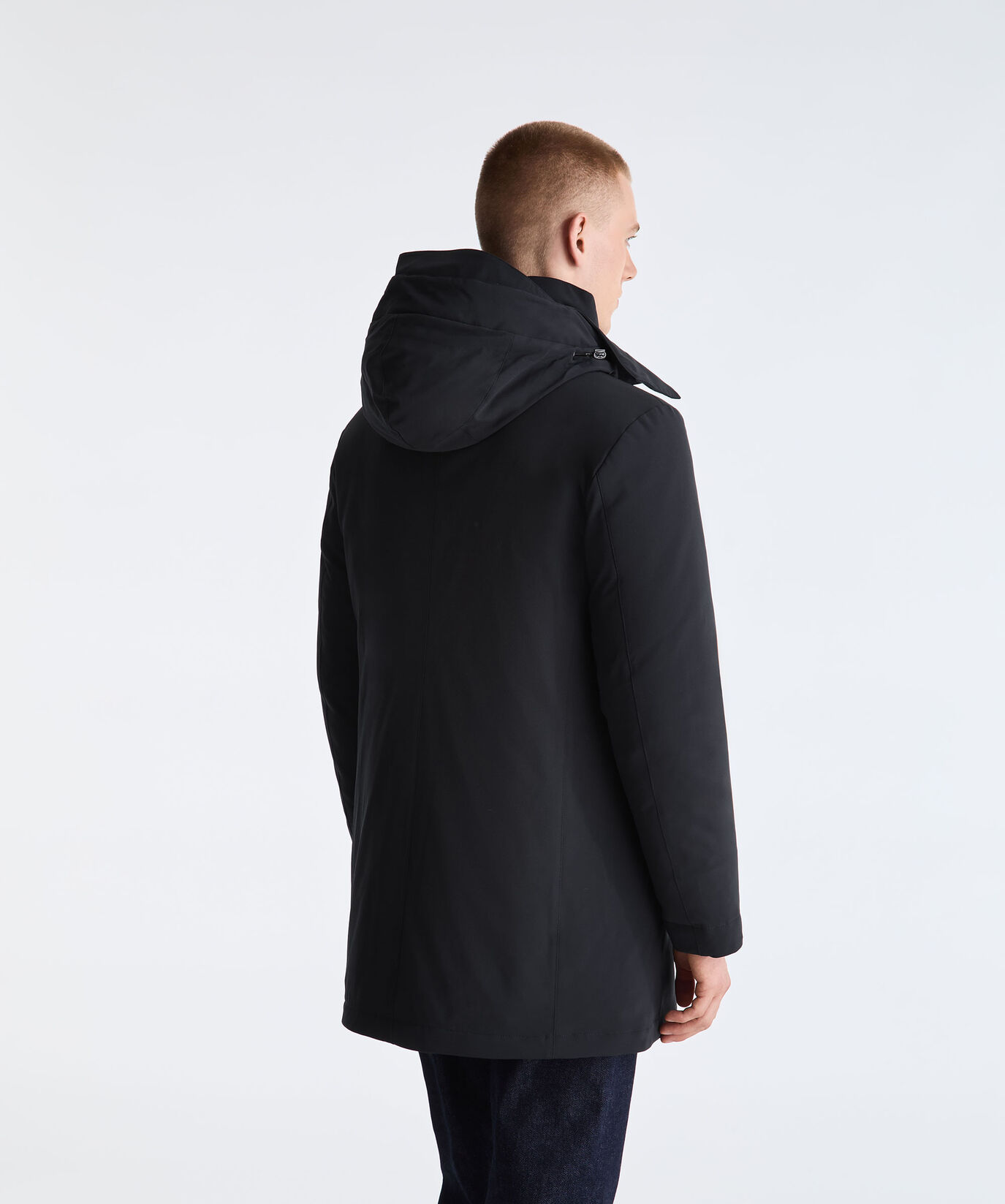
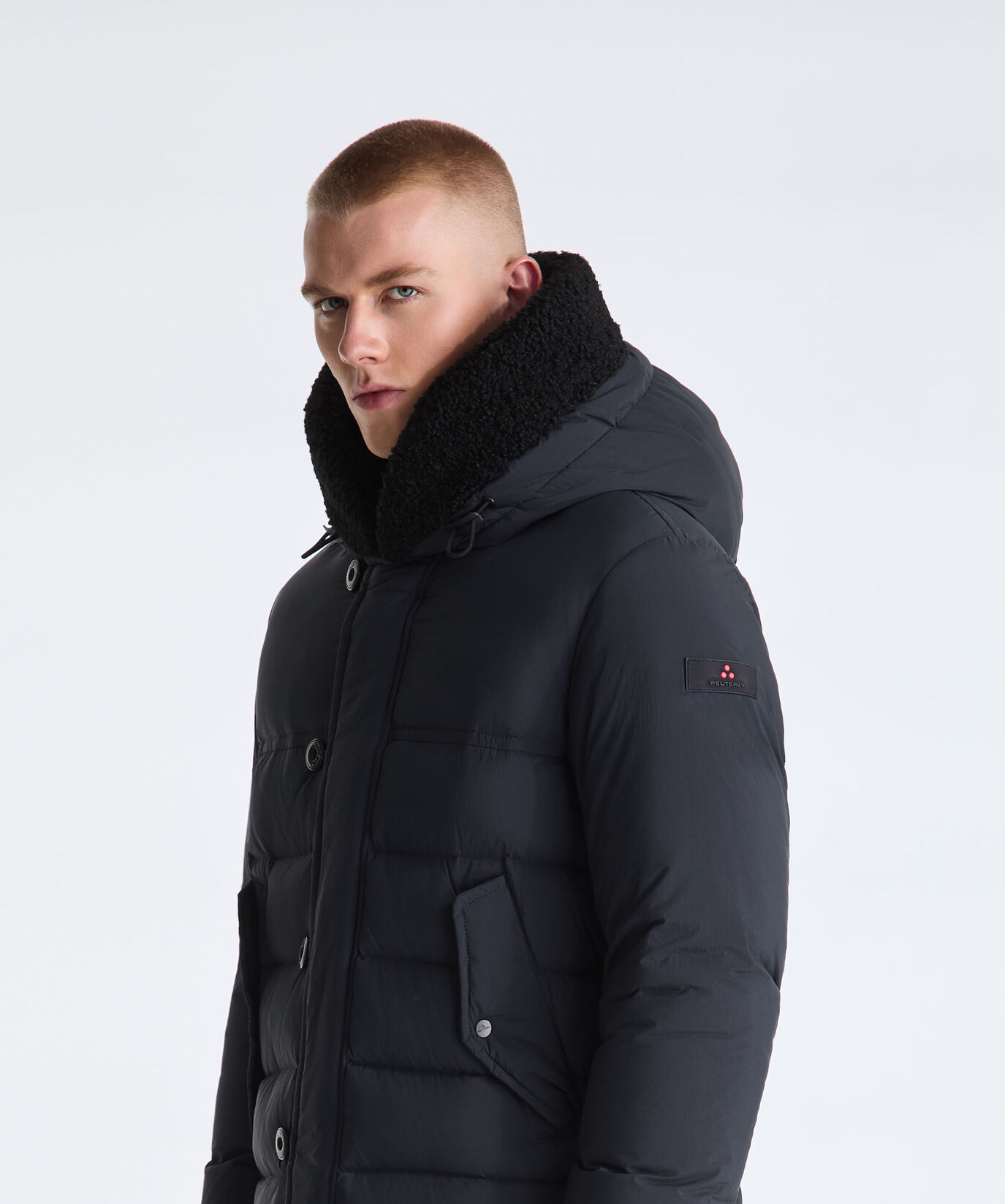
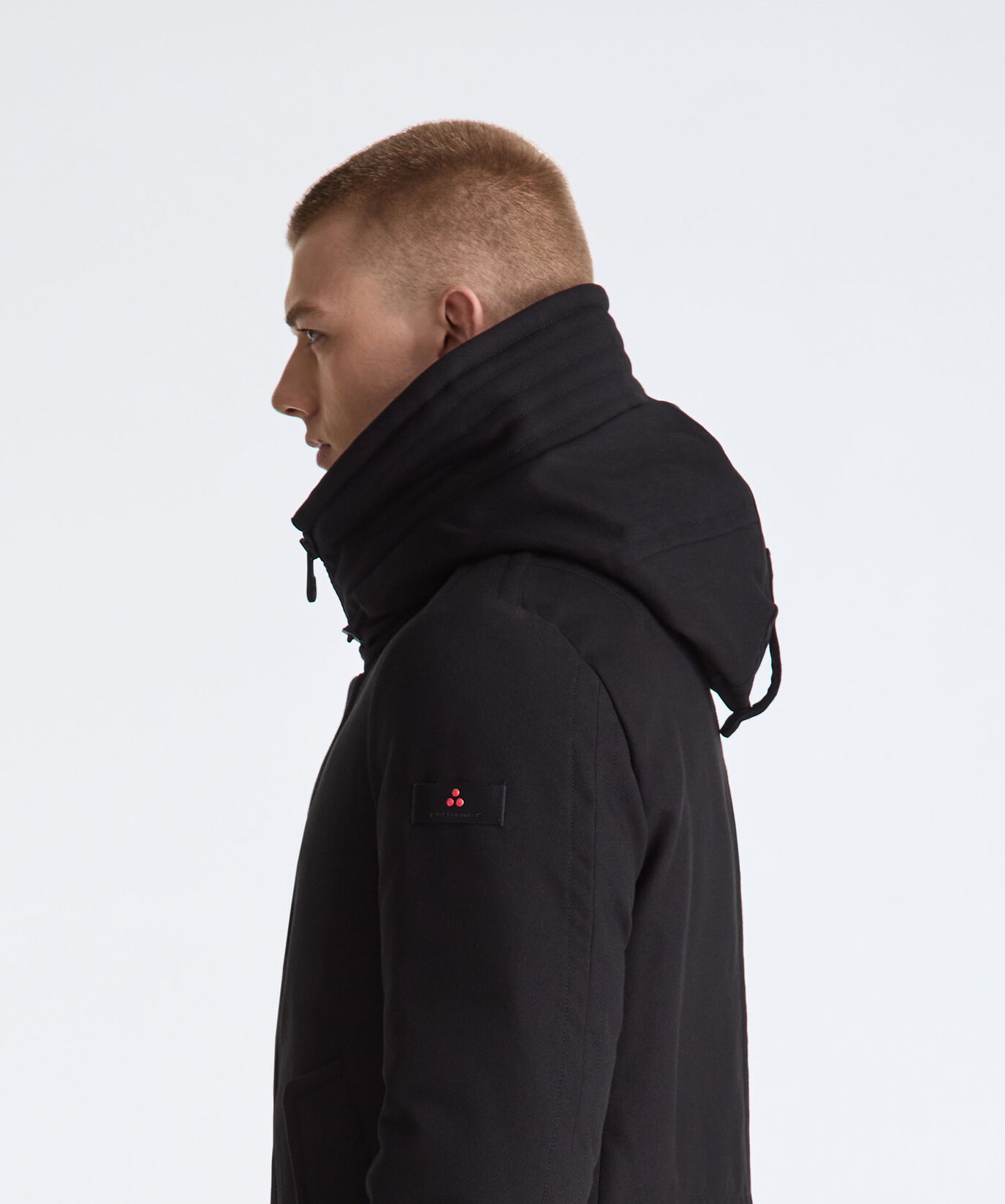
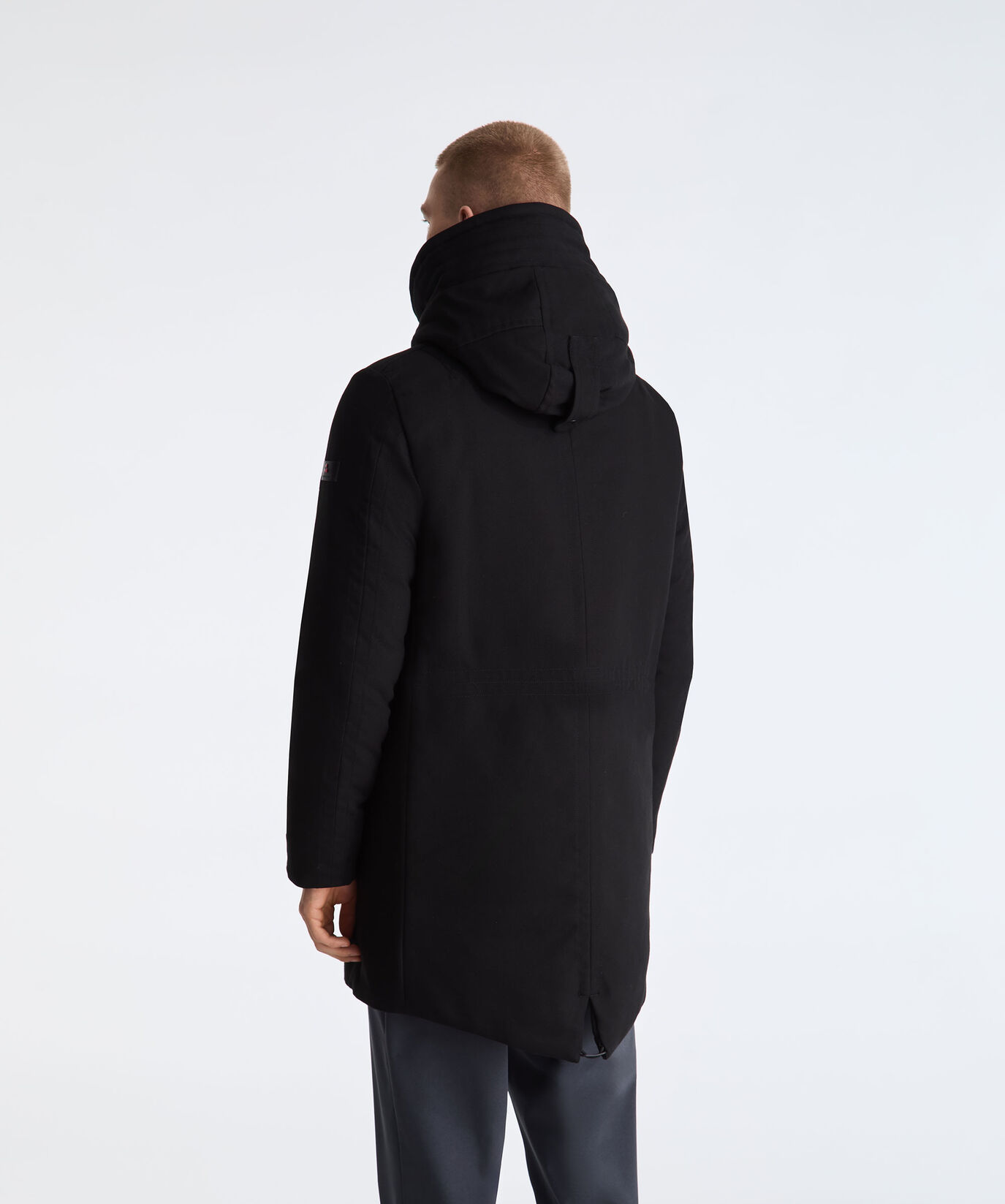
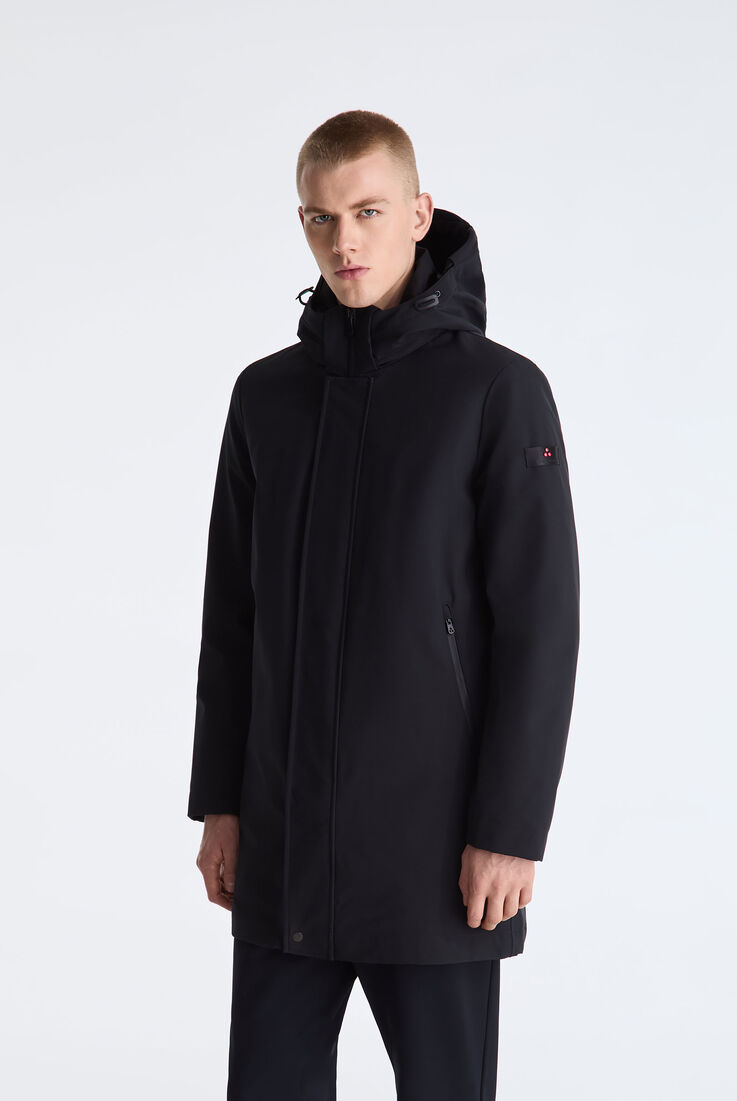
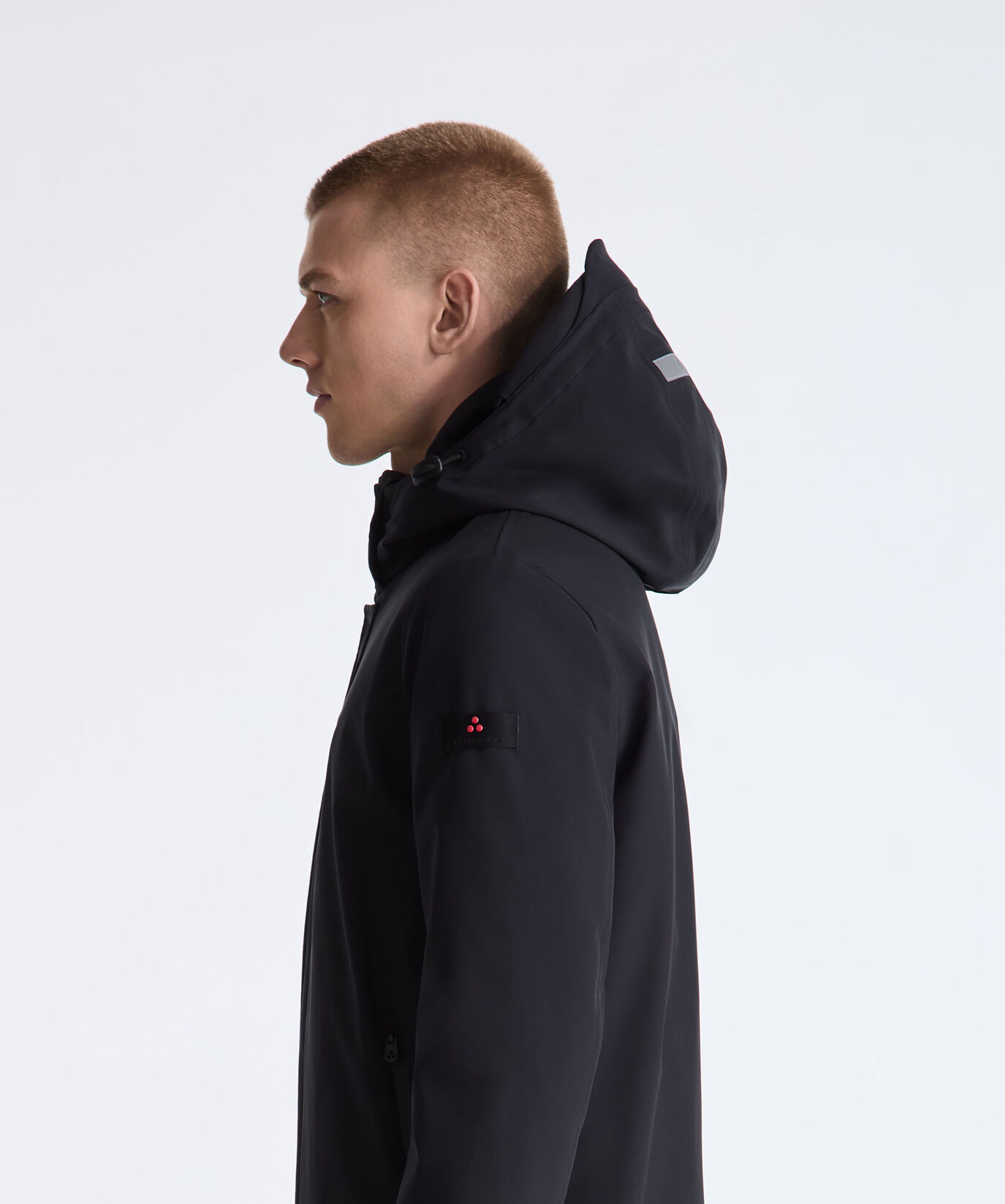
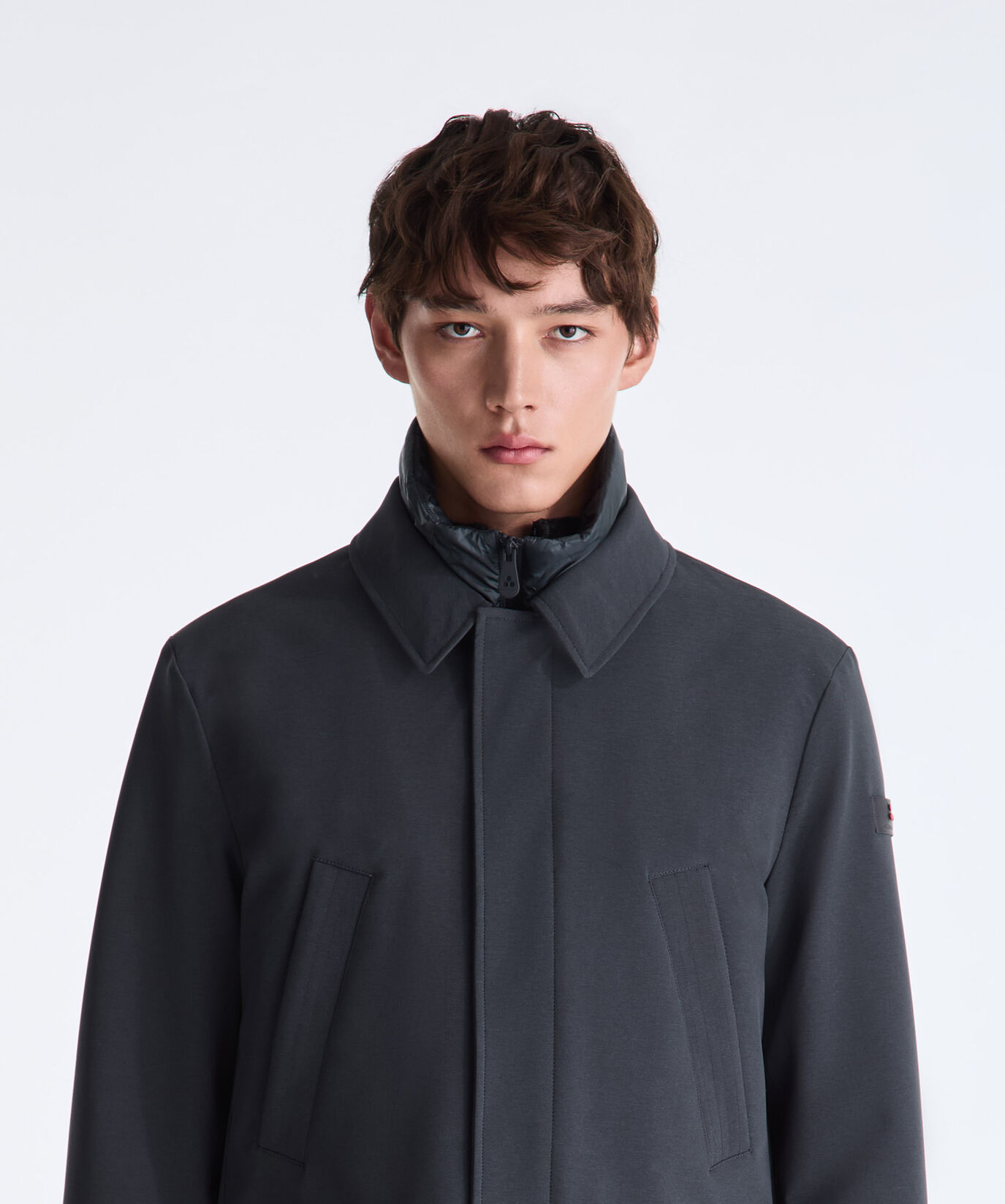
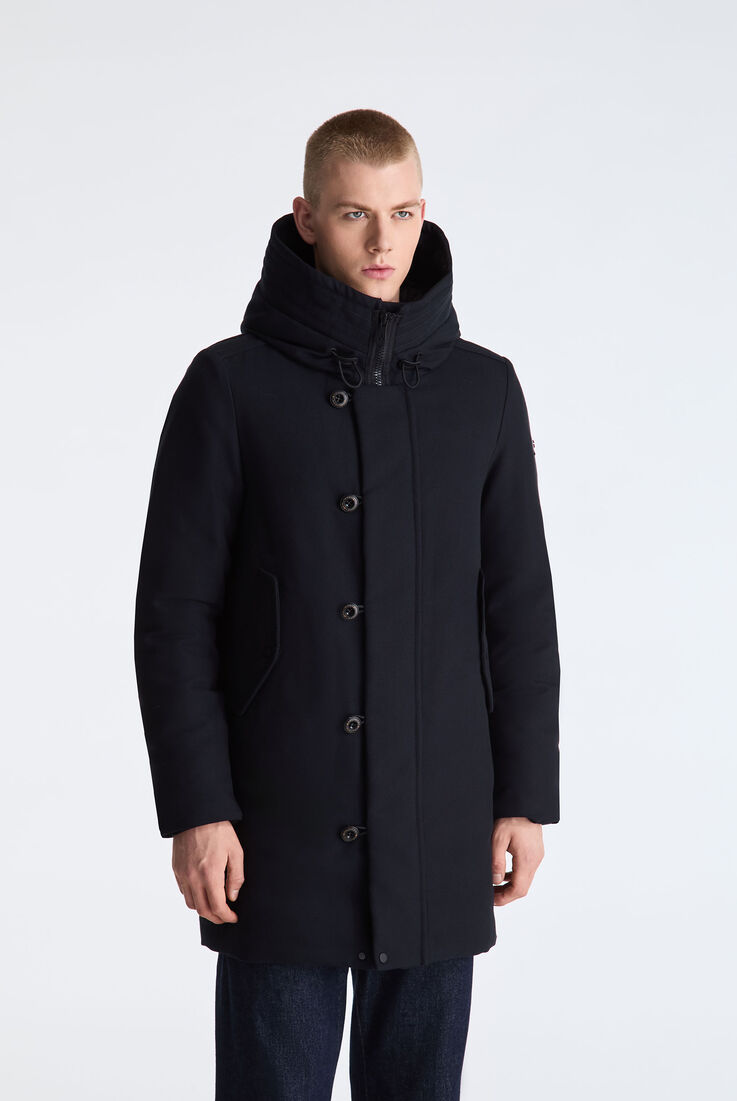
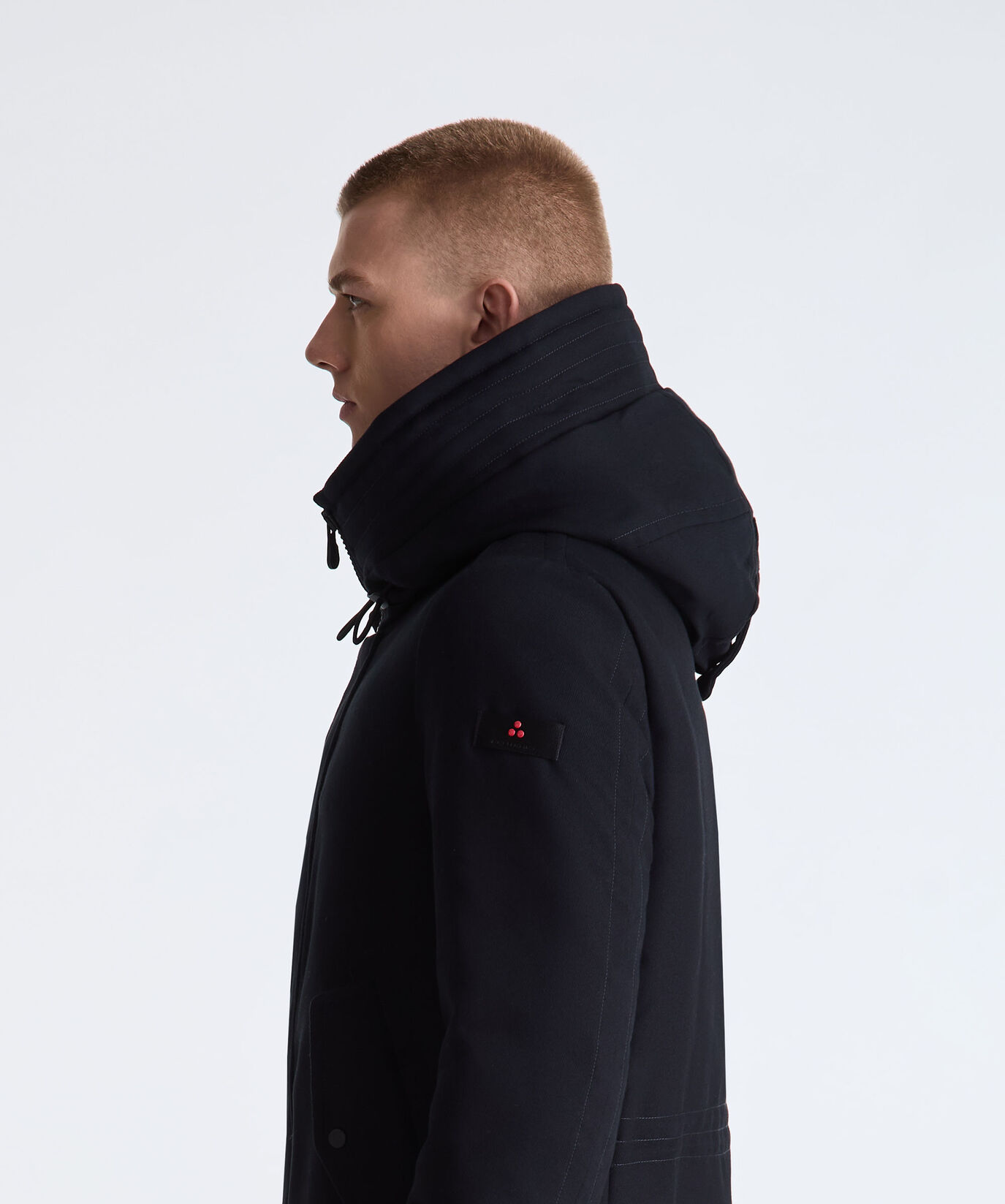
A parka's features matter above all in relation to the weather you'll face. For light rain, a water-repellent treatment that helps shed drops may be enough; a men's waterproof parka, on the other hand, requires suitable materials and finishes, which may include membranes and taped seams. Wind resistance should be assessed separately: even a well-padded parka can feel uncomfortable if air passes easily through the fabric, especially when standing still outdoors. A hood, high collar and storm-flap fastenings help keep out water and wind, while pockets and drawcords make the garment more practical.
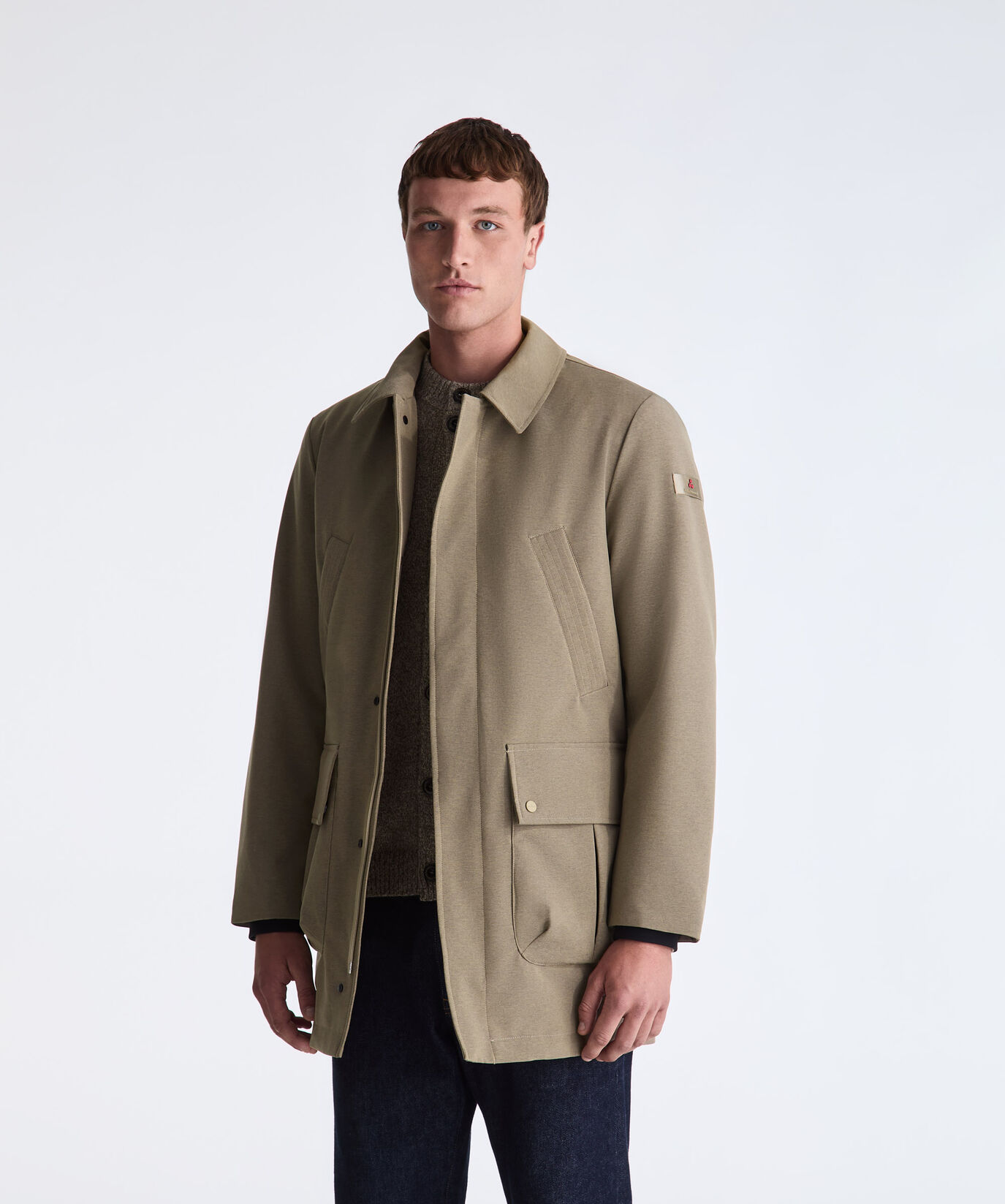
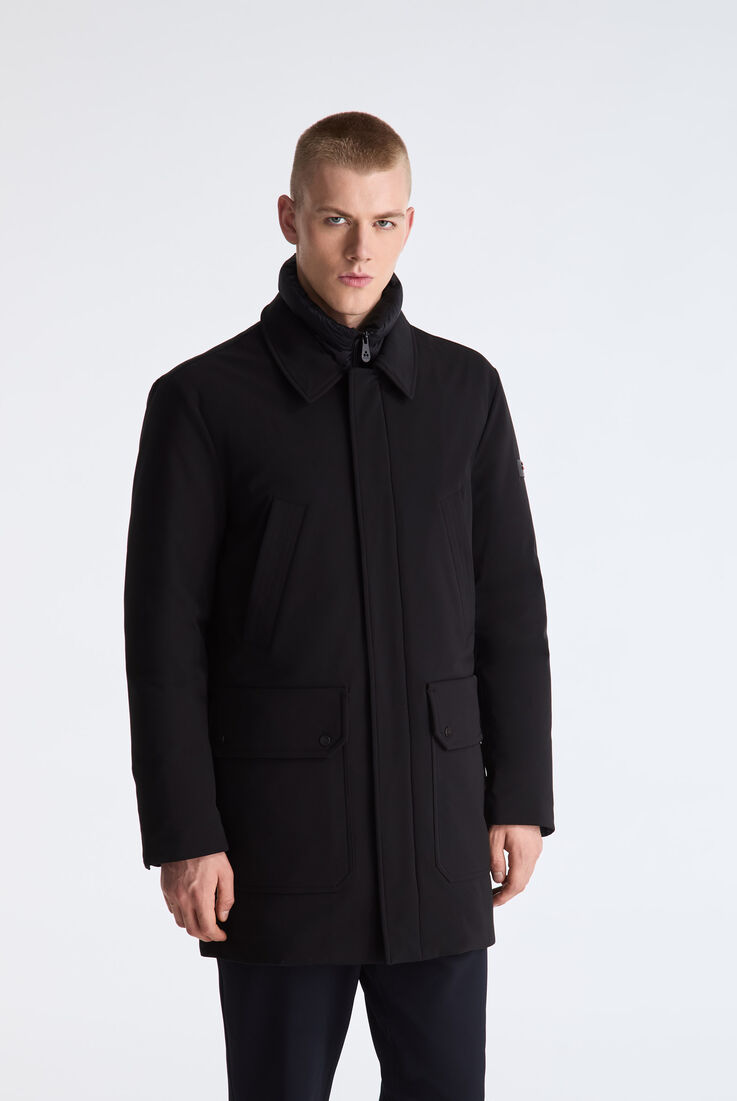
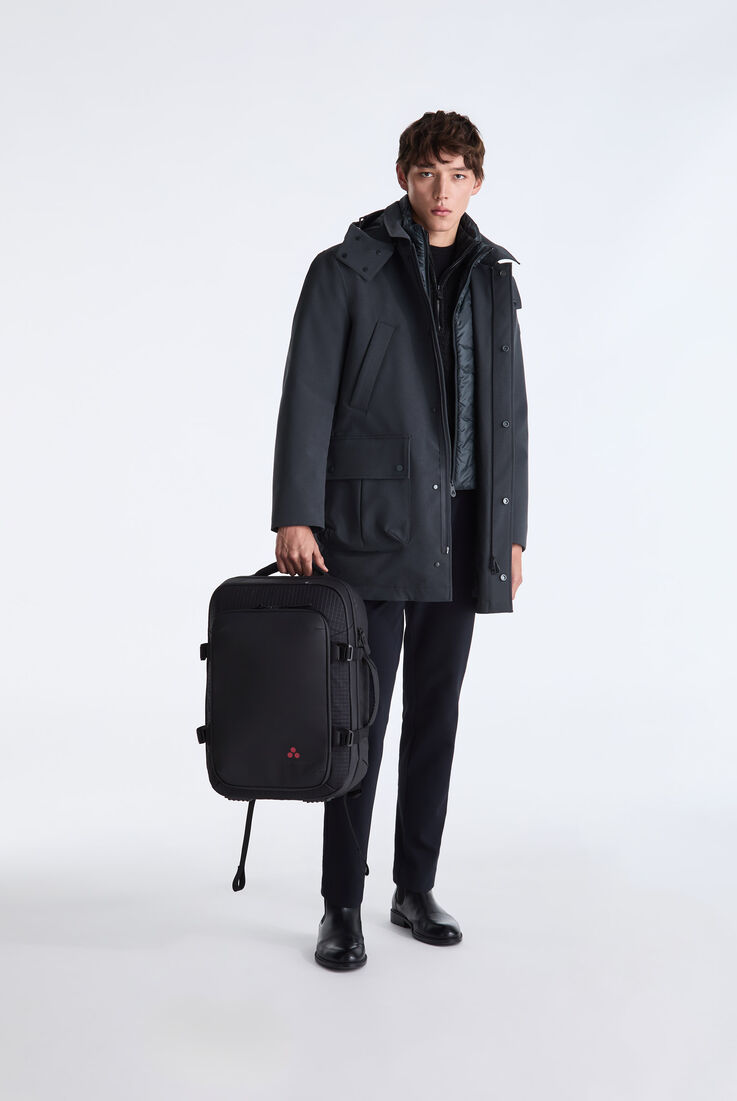
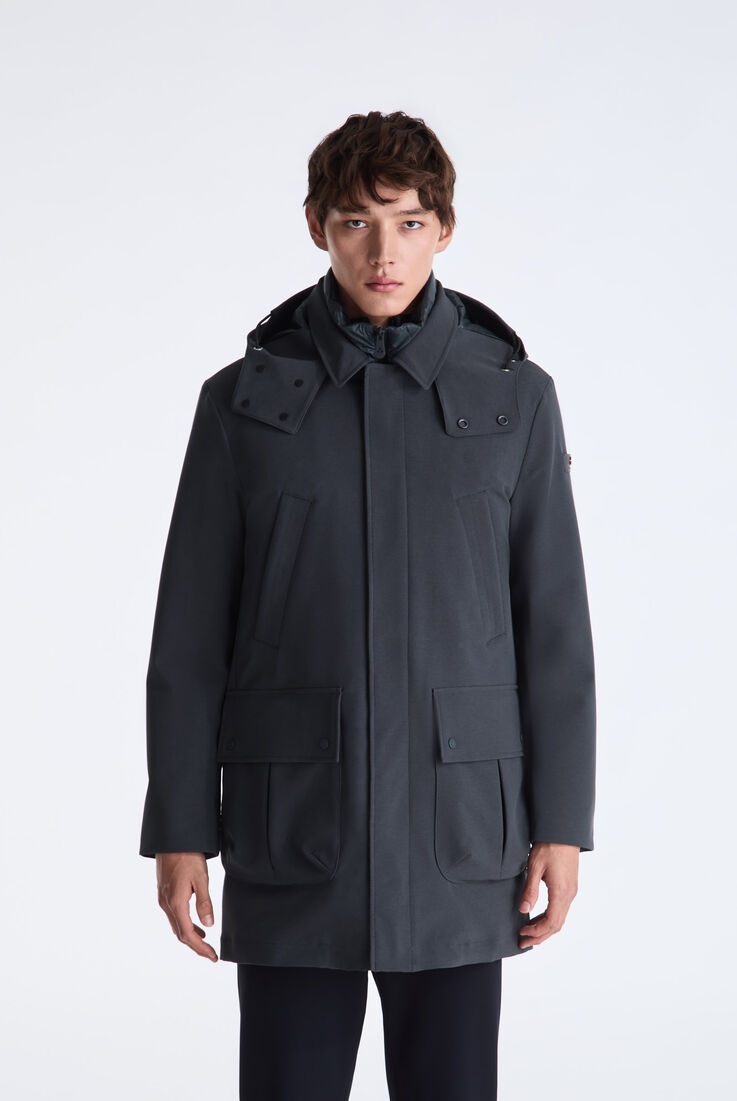
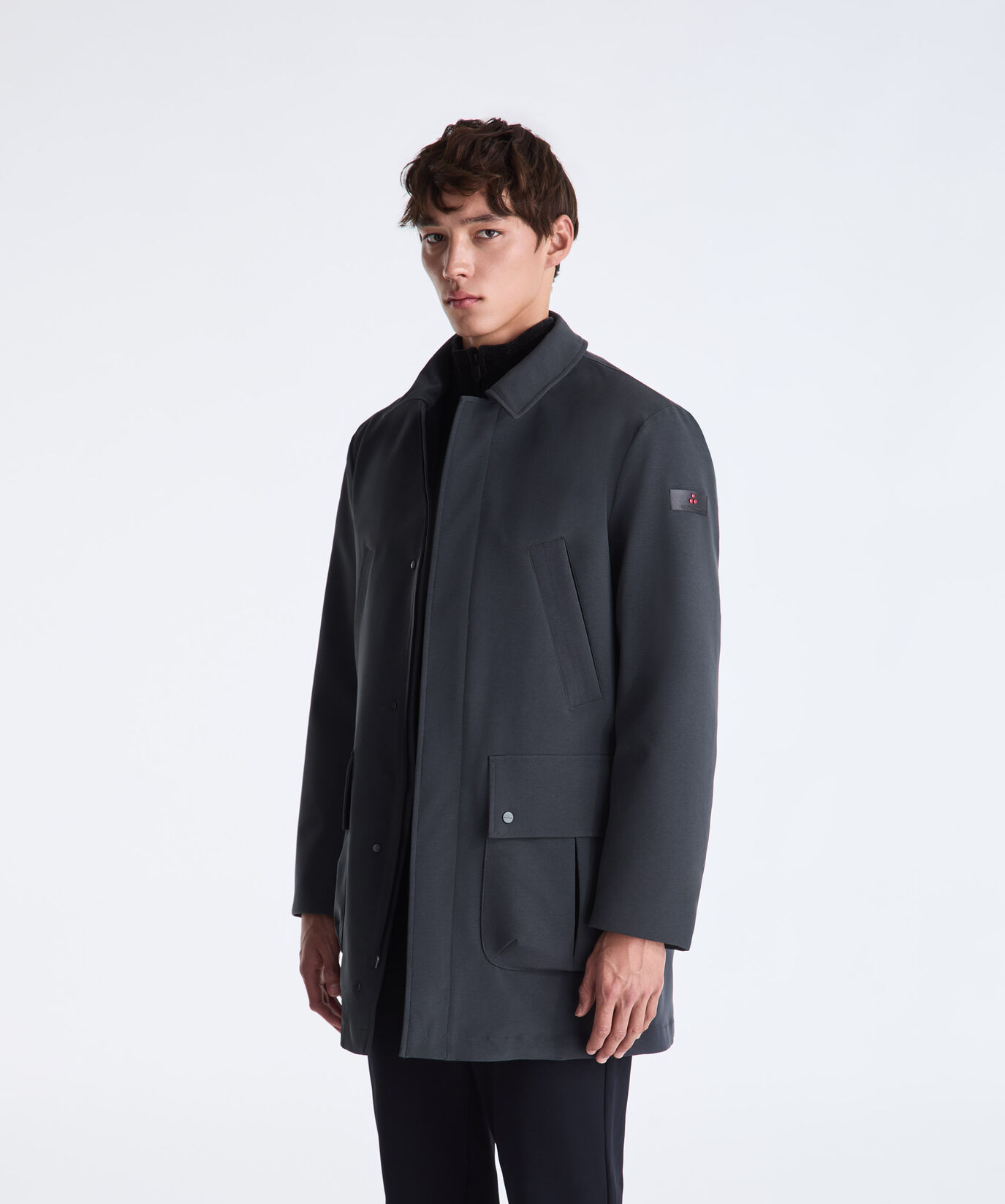
Pocket placement also changes how a parka works in use: high, protected pockets are practical on the move, while inner compartments help keep essentials safe. A two-way zip can make sitting down easier in longer styles; adjusters at the waist or hem let you fine-tune volume and protection. These details are less visible than colour or silhouette, but they often determine how functional a parka really is day to day.
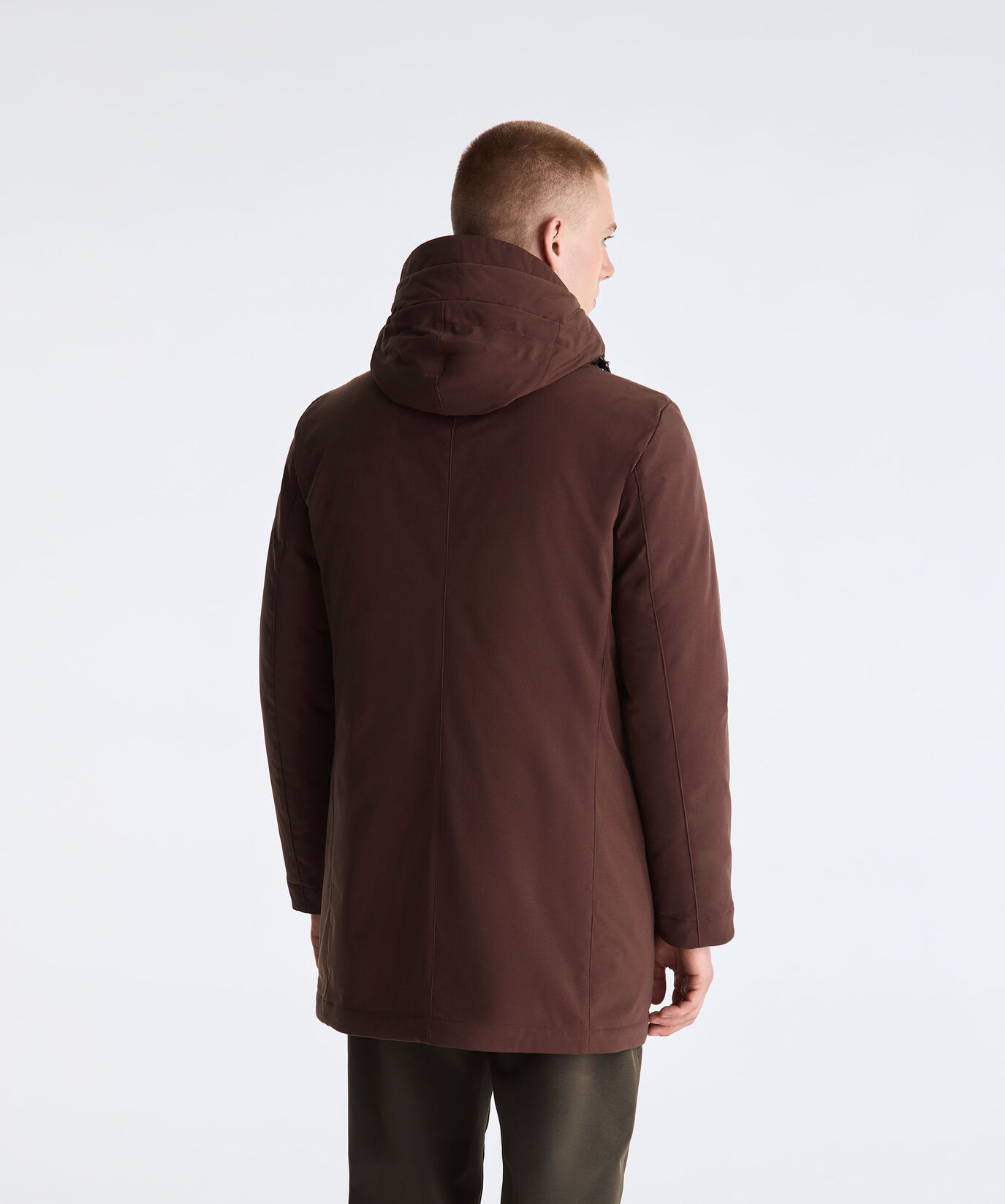
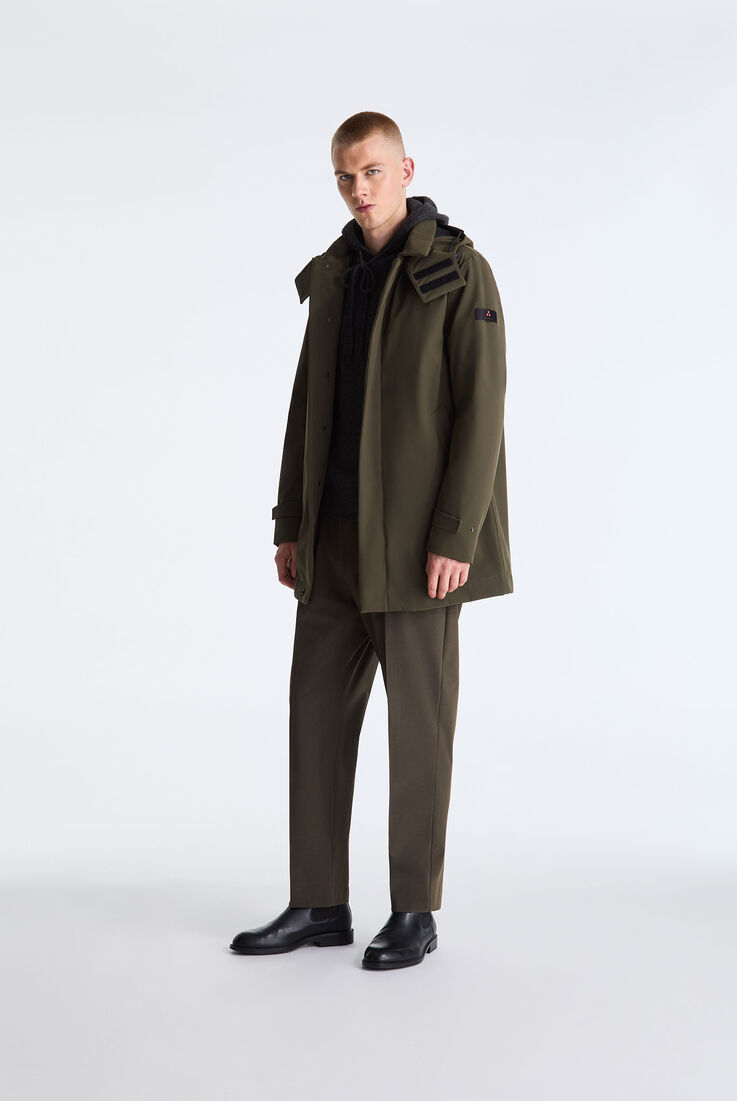
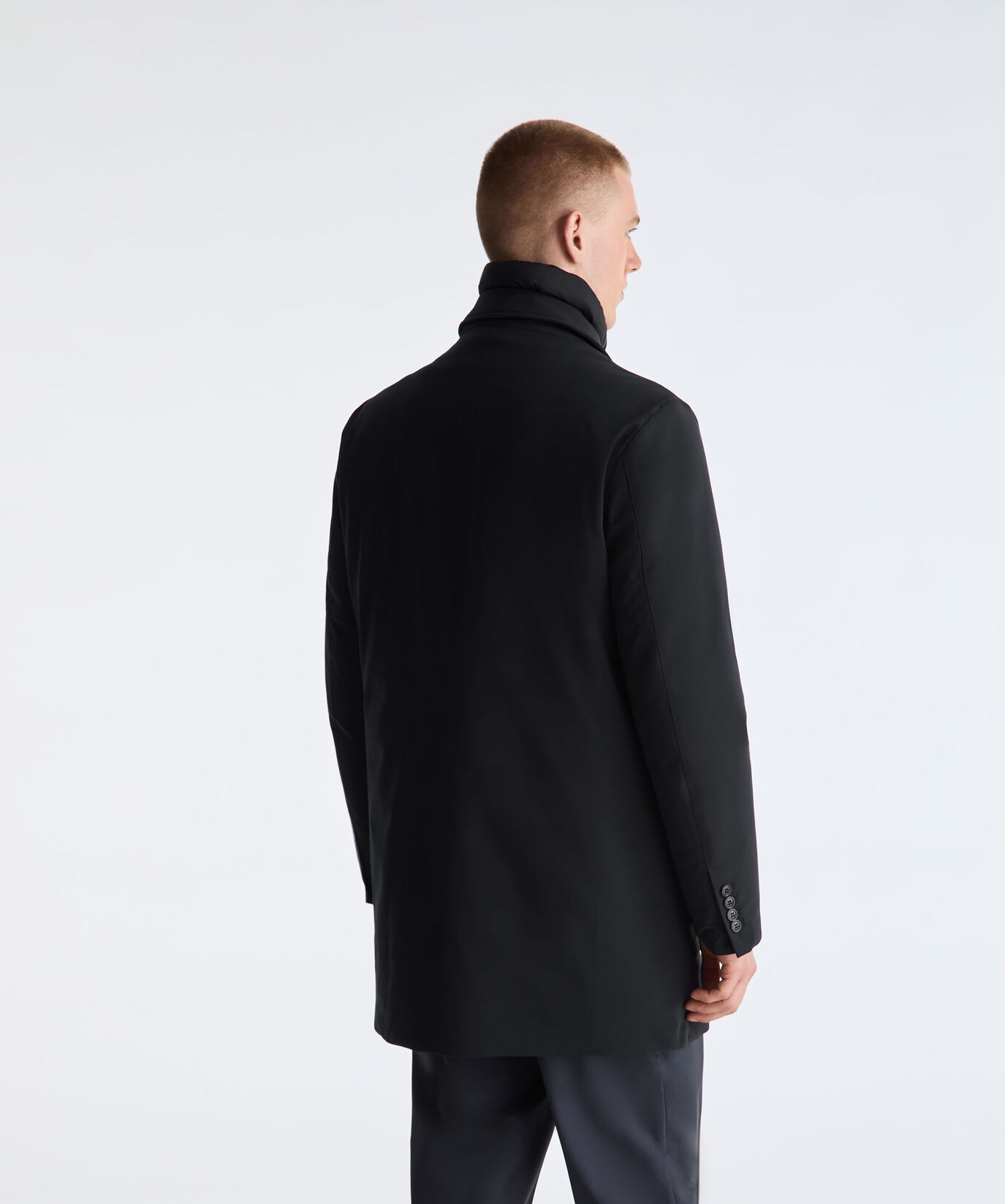
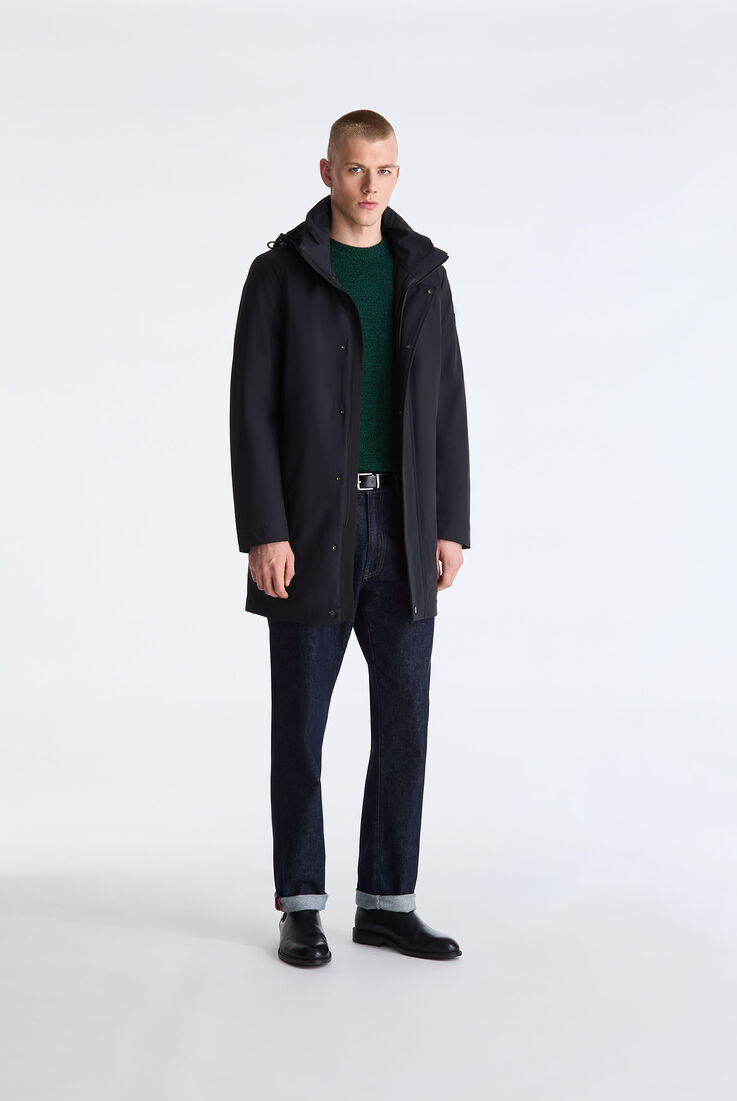
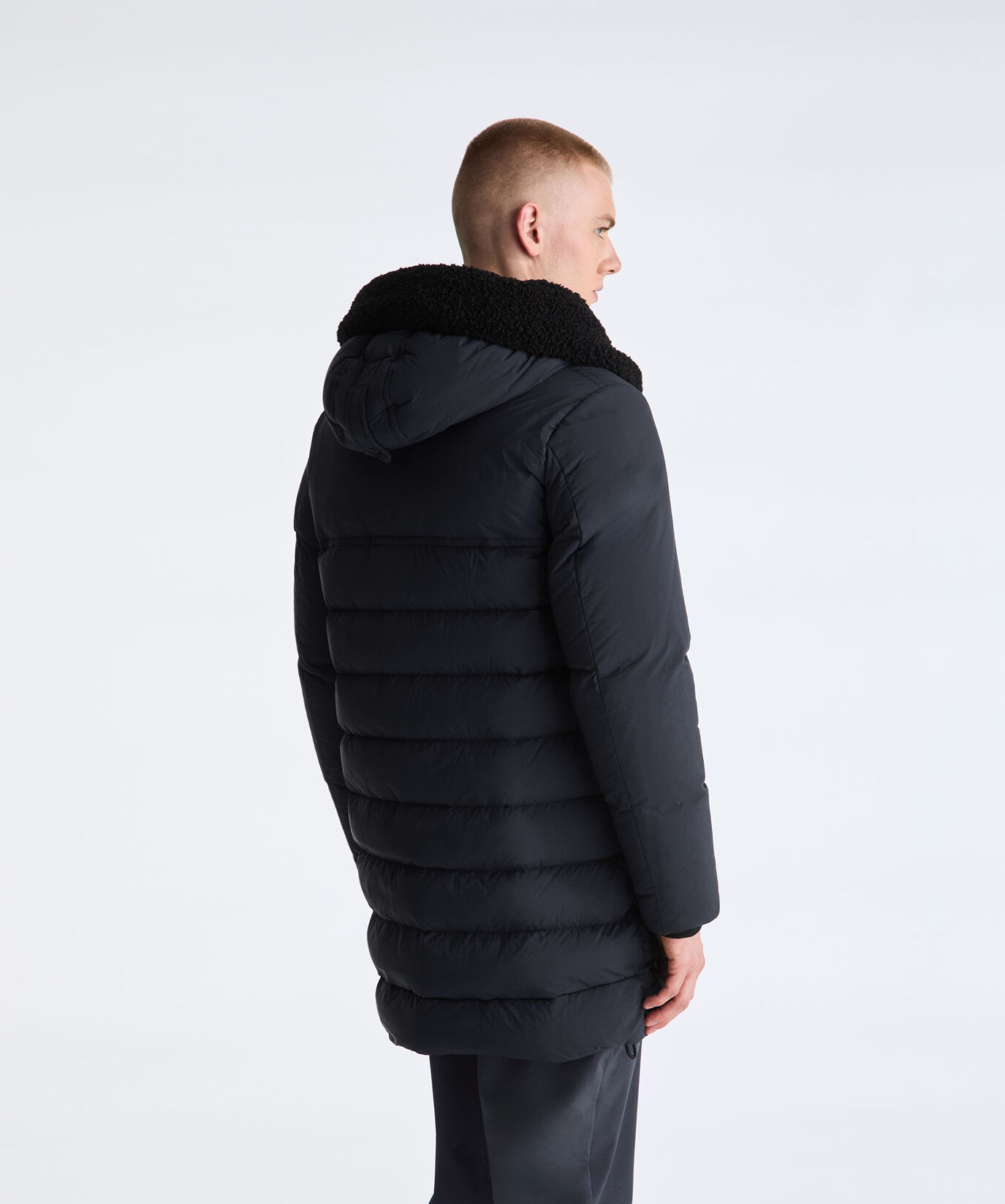
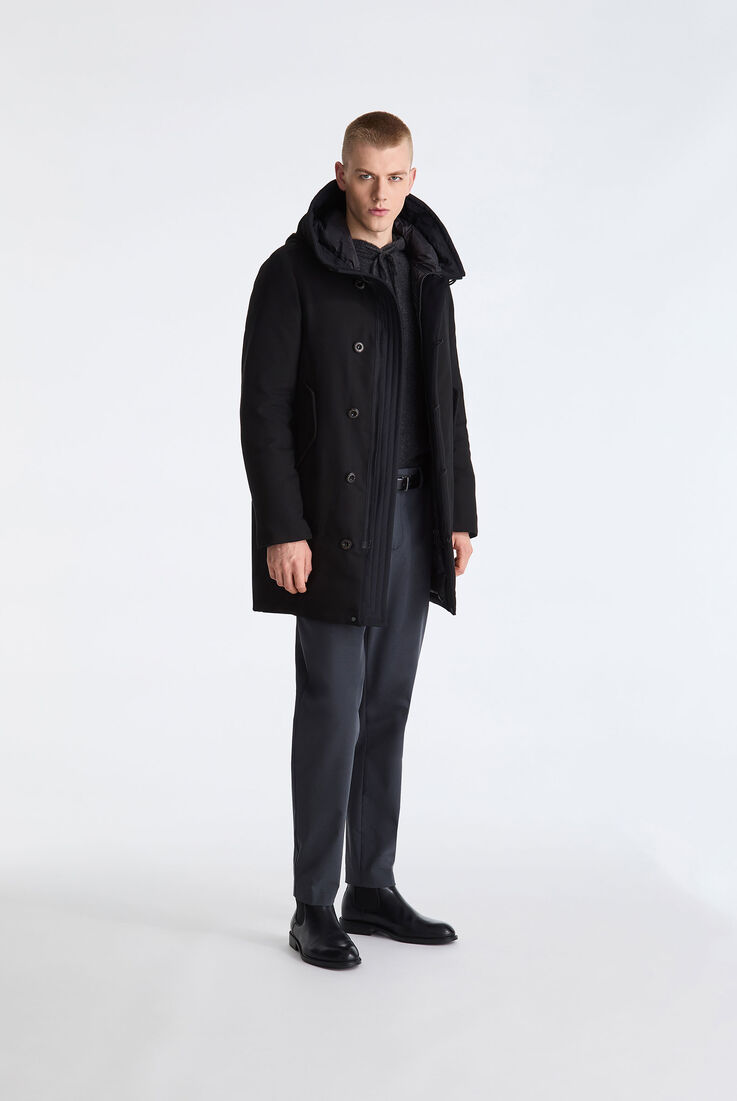
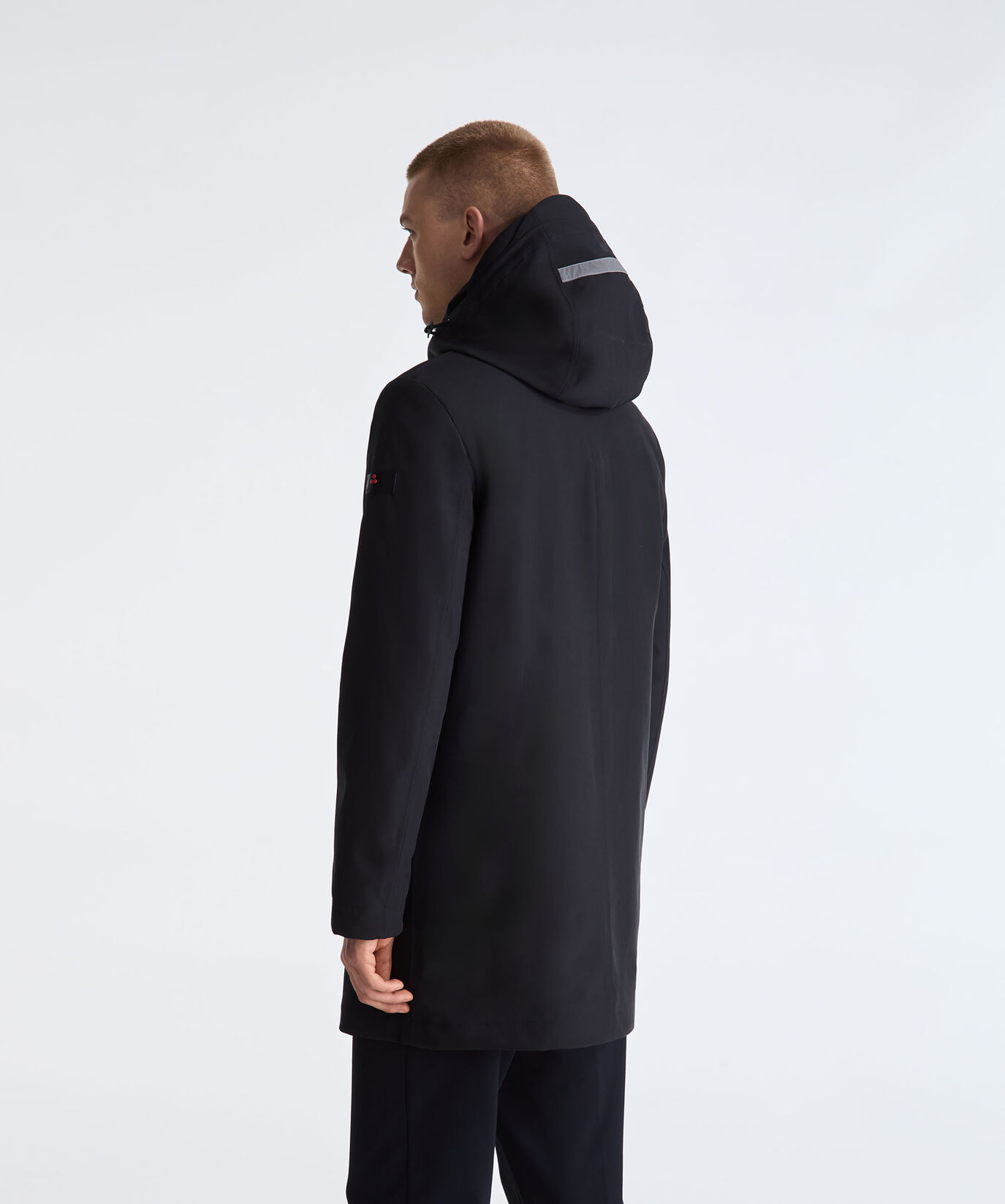
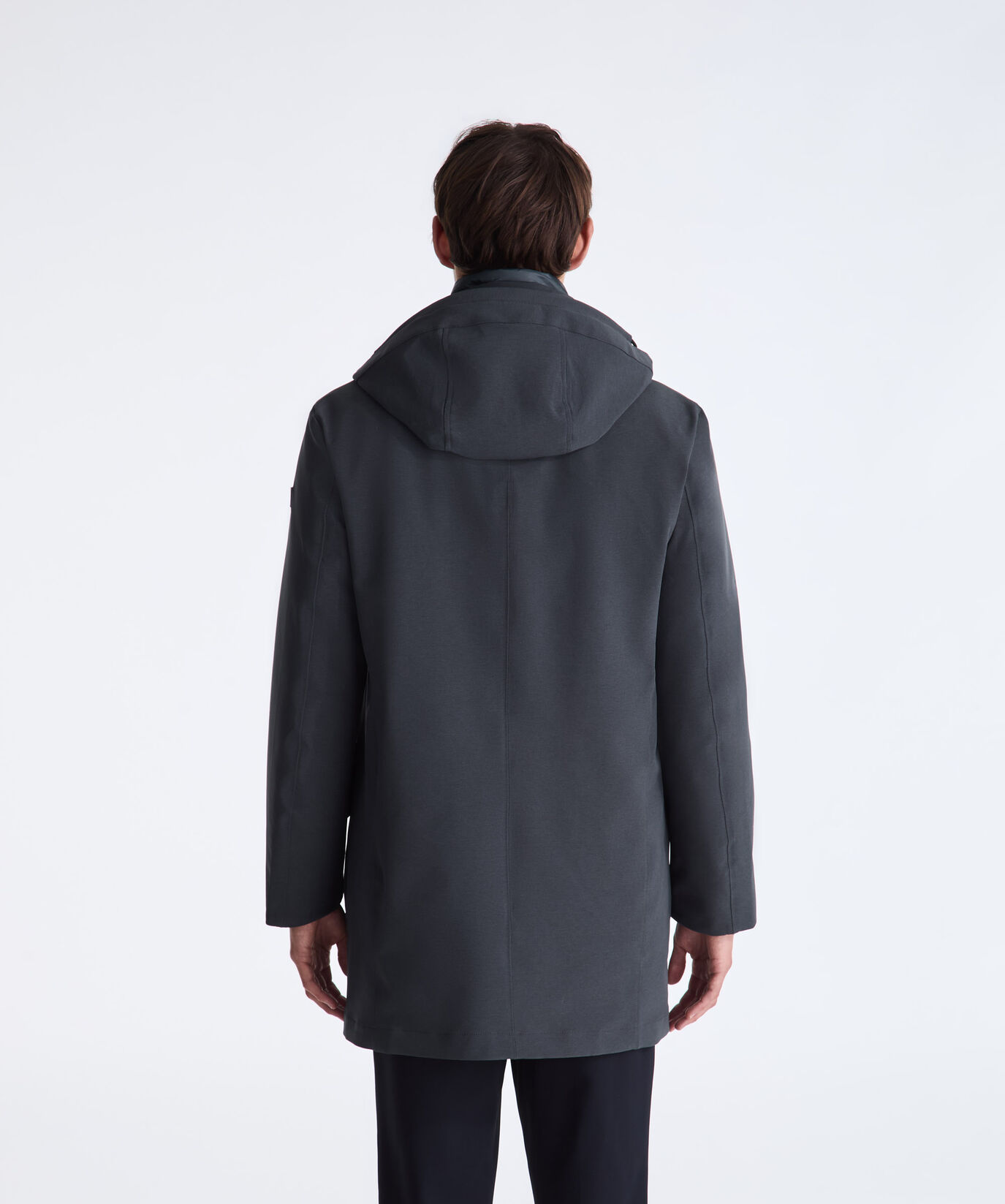
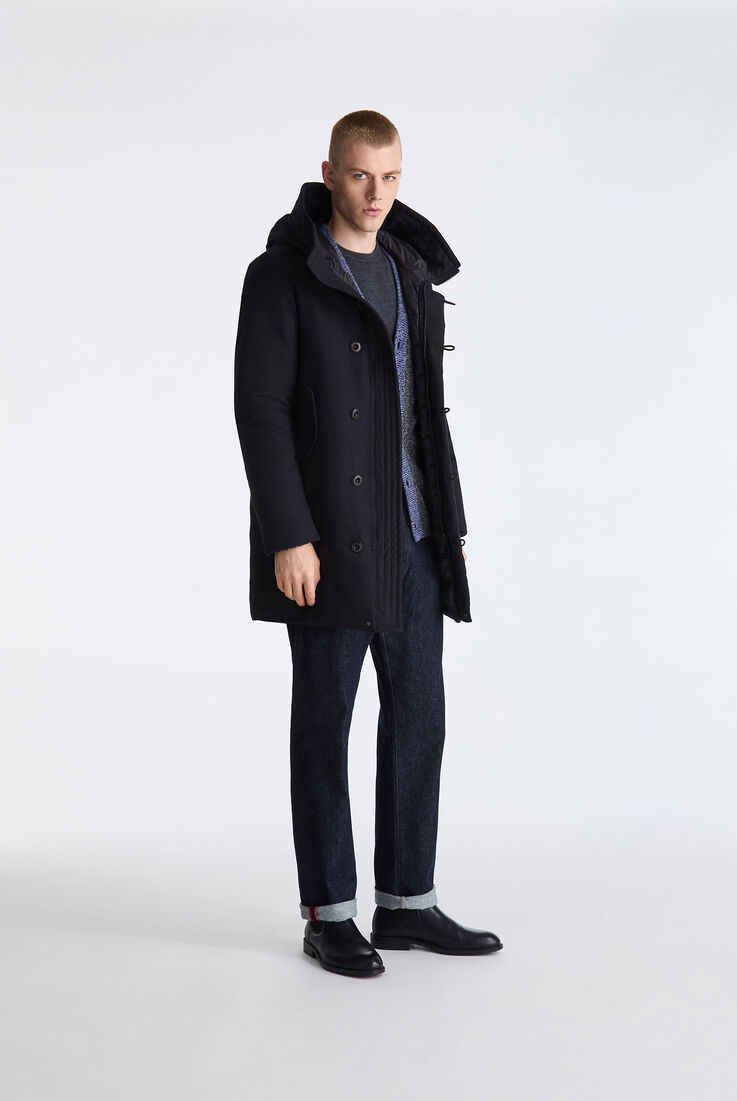
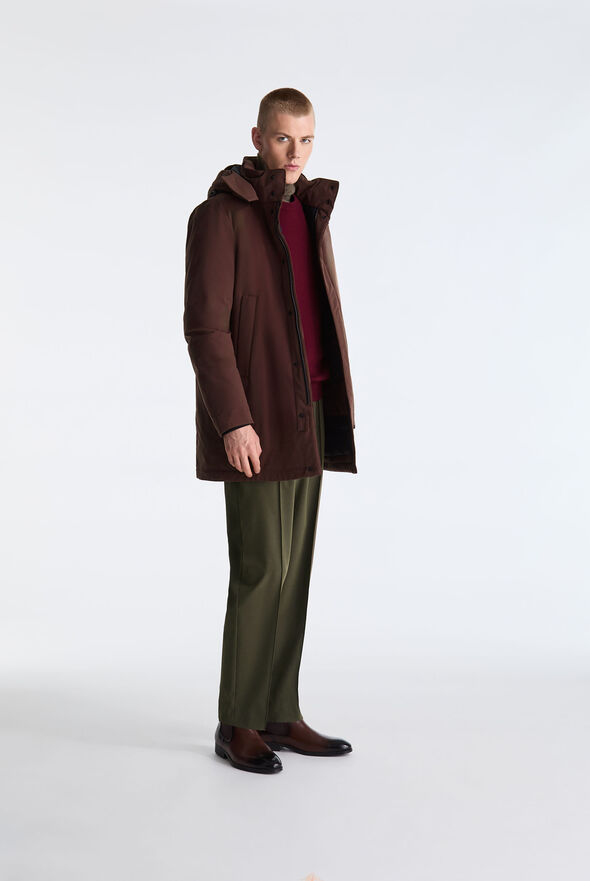
A men's short parka generally reaches the hips or just below, offering more freedom of movement; it's practical for driving and pairs easily with casual or technical trousers. Longer styles increase coverage over the hips and upper legs, making them ideal when you spend more time outdoors. Length also affects how the garment layers over what's underneath: a mid-to-long volume needs attention to proportions, while a shorter construction leaves more of your knitwear and trousers on show. There's no single best option: climate, mobility and how often you wear it all count.
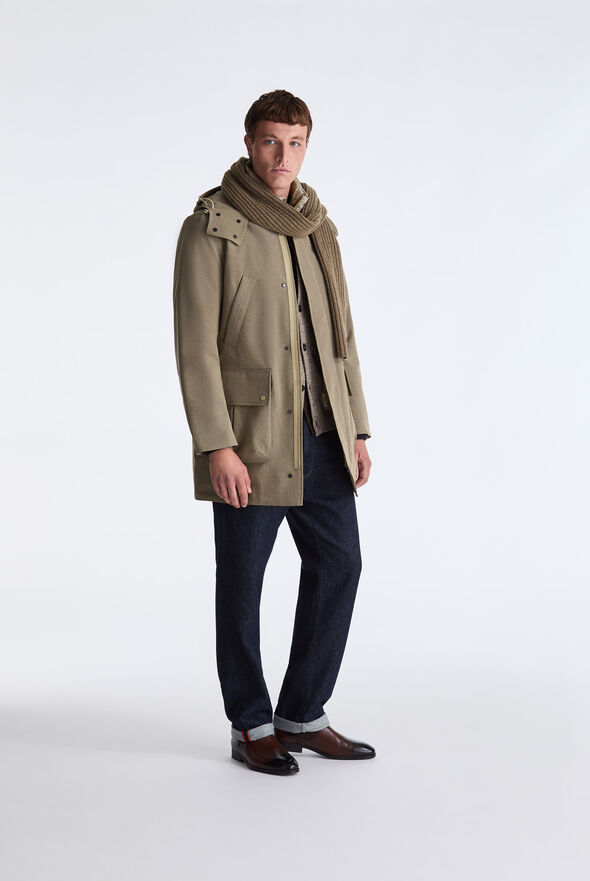
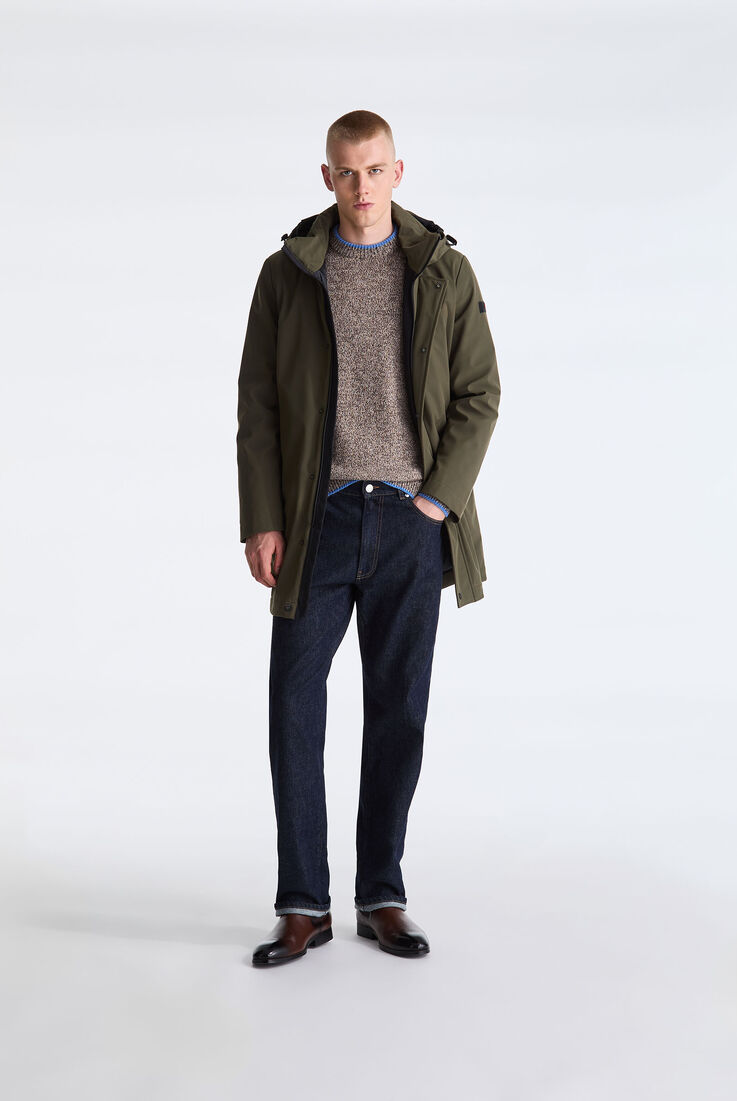
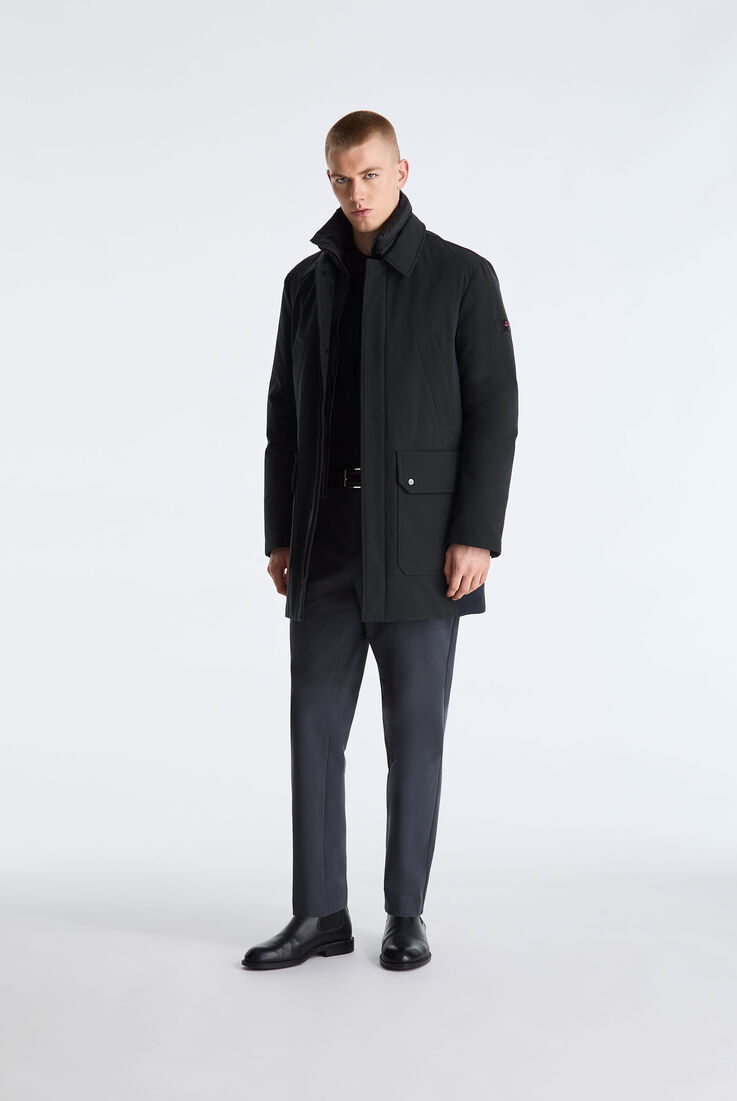
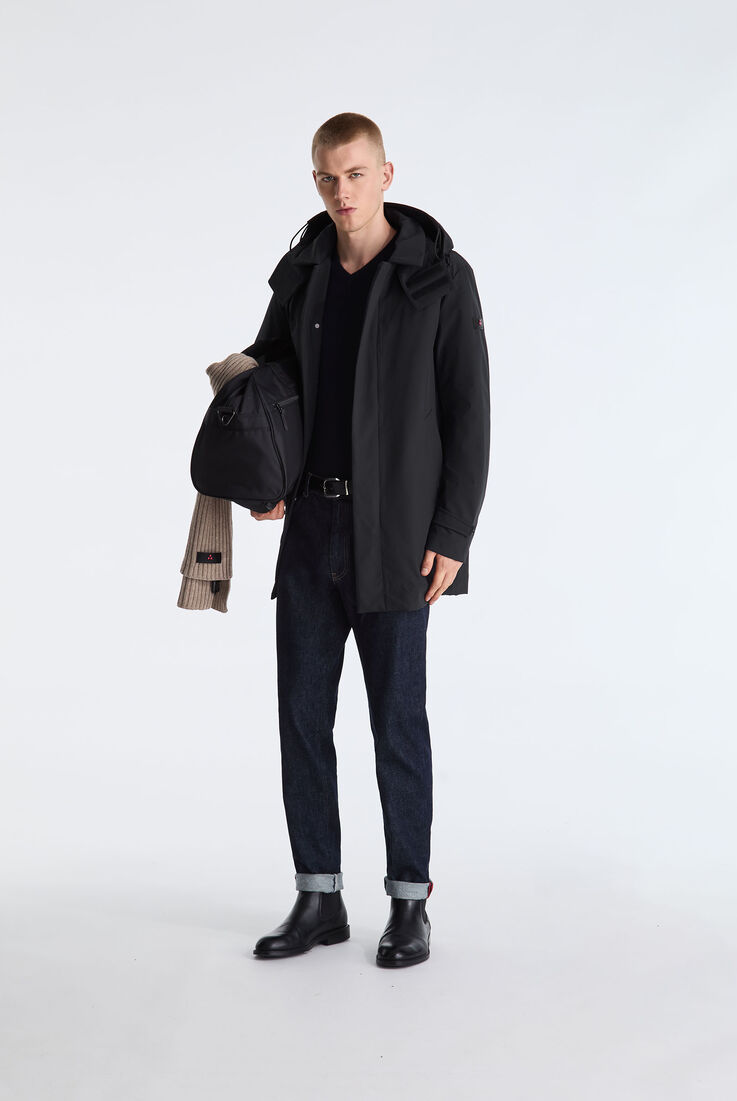
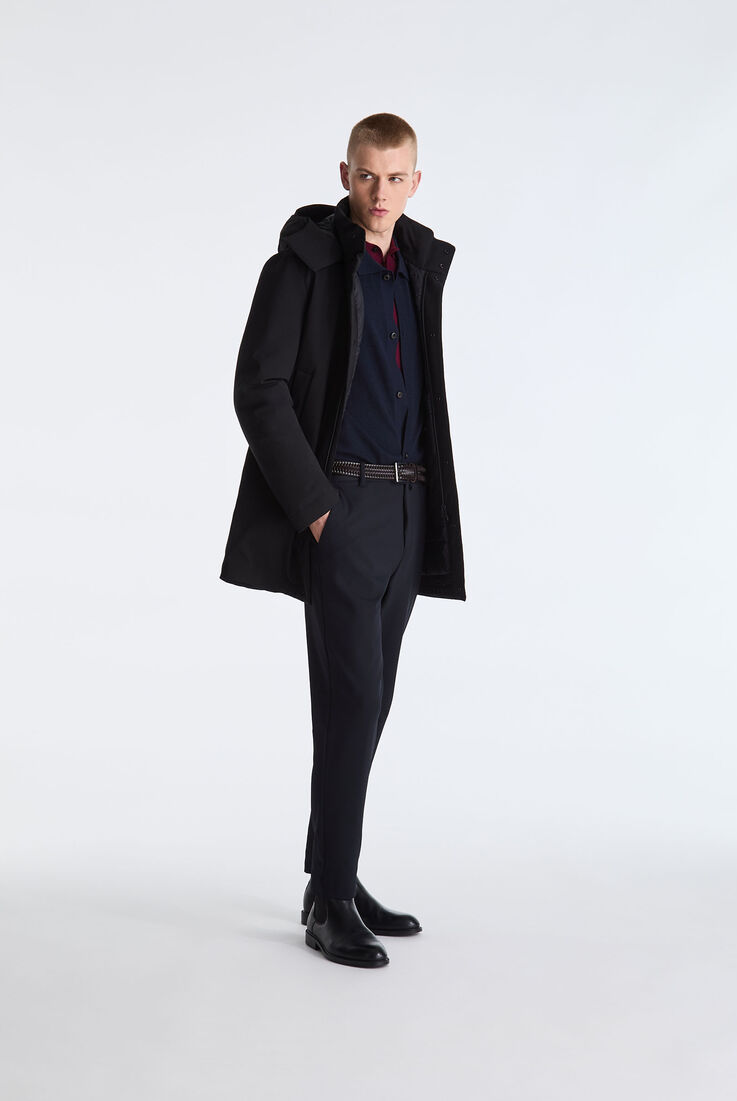
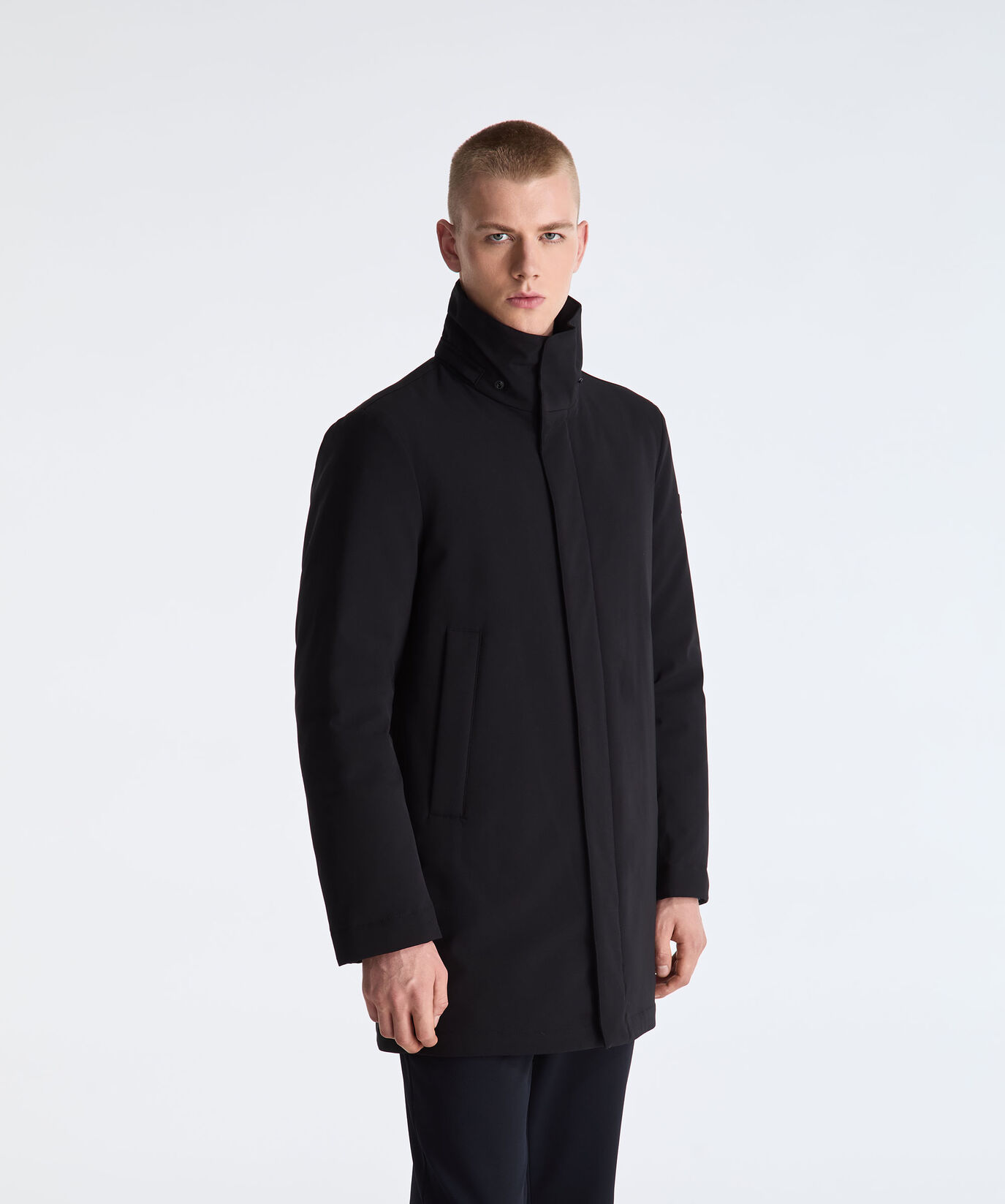
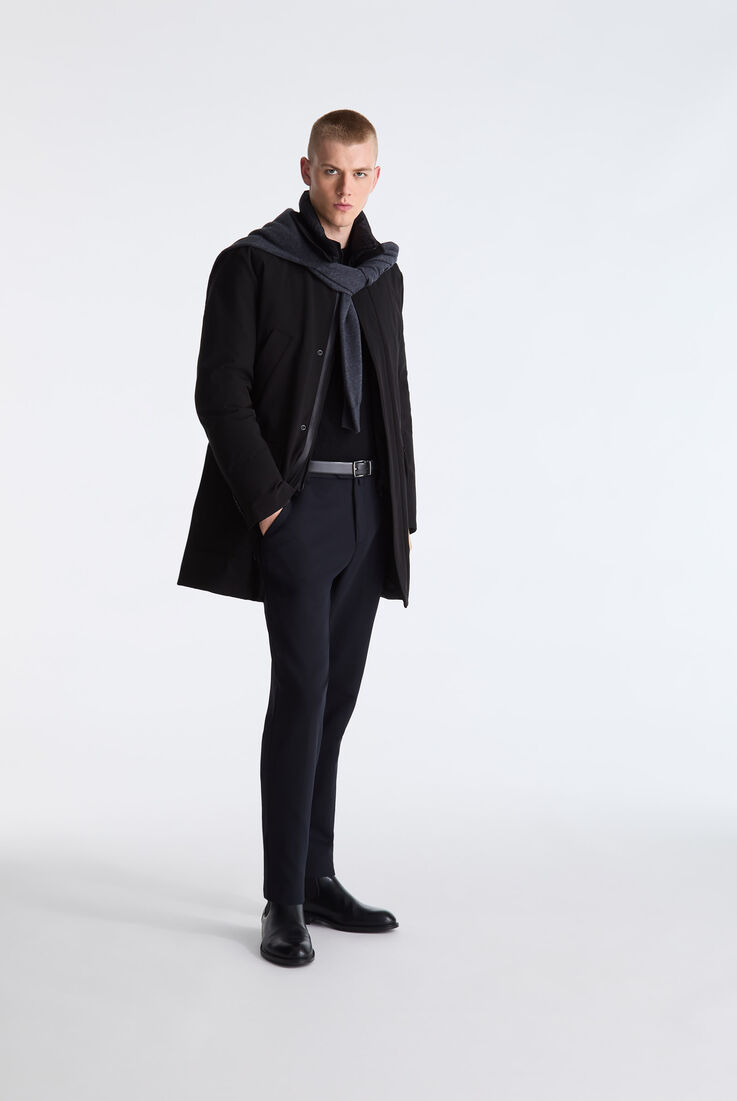
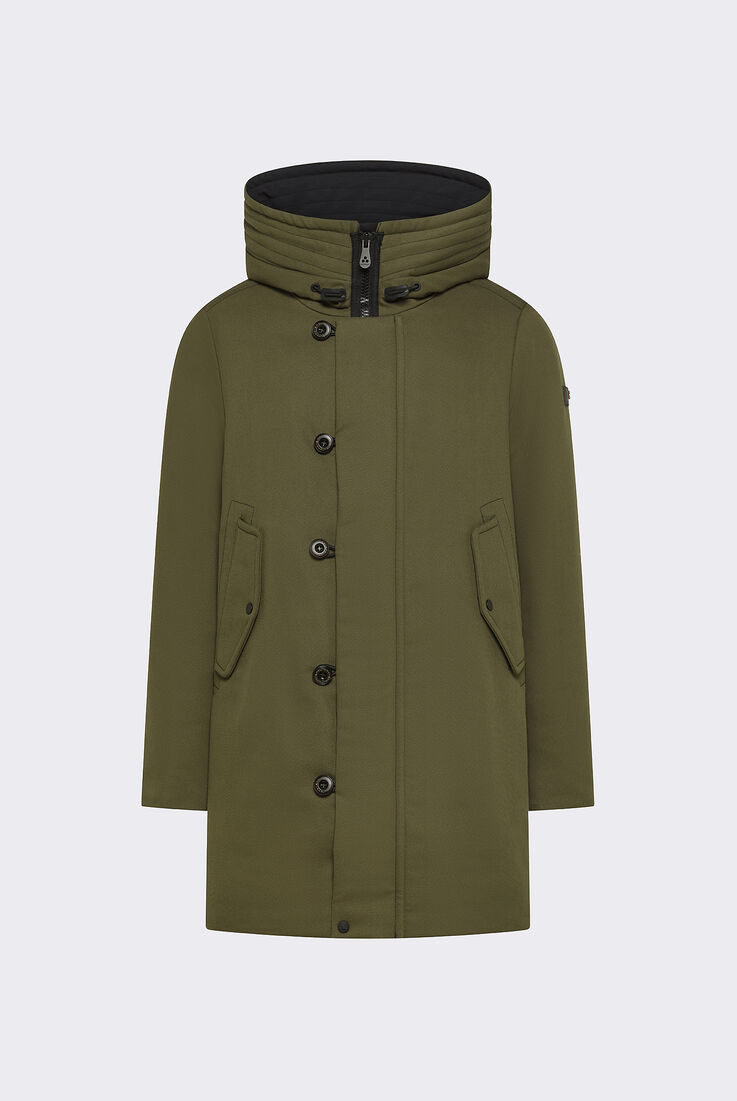
The men's black parka is probably the easiest to work into an urban wardrobe, but green, navy, grey and earthy tones offer equally versatile alternatives. The men's military parka keeps a bolder character when paired with denim and sturdy boots; with a fine jumper, chinos and minimal trainers it becomes cleaner and more city-ready. The various pieces of men's knitwear help build neat thermal layers, while regular-fit trousers balance the volume of the outerwear.
To layer up without losing comfort, start with the inner volume of the parka. A fine or mid-weight knit is the simplest base; if you add a jacket, make sure the shoulders and armholes still allow freedom of movement. Lengths should also be coordinated: the layer underneath shouldn't create unnecessary creases or bulk. On very cold days, a lightweight gilet can increase insulation while leaving your arms free, provided the parka has enough room across the chest.
Before putting your parka away, follow the manufacturer's washing instructions and make sure it's completely dry. Technical fabrics, membranes and padding may require specific treatments and shouldn't be exposed to detergents or temperatures not indicated on the label. Empty and tidy the hood, pockets and fastenings, then hang the garment on a suitable hanger in a dry, well-ventilated place. Proper storage helps preserve its shape, finishes and performance over time.